Recently, Nintendo rewound the metaphorical clock nearly 30 years. It’s a metaphor that is aptly attuned to its subject matter. The Legend of Zelda: Ocarina of Time wasn’t just a cultural touchstone; it captured a moment in time. 1998 was a year in which Nintendo was in charge of the gaming narrative. PlayStation struck hard and fast in 1995 as a machine set to popularize true 3D gaming. The 3DO, Sega Saturn, and Atari Jaguar all had similar goals but managed to fail spectacularly in the wake of the PlayStation. However, Nintendo had established itself as a powerhouse in gaming. Upon the launch of its 64-bit console, the Nintendo 64, Nintendo was once again a mountain casting a large shadow. Sony may have flipped the script in the follow-up generation, but 1998, the year Ocarina of Time launched, was truly a victory year for the House of Mario (and Link).
Videos by ComicBook.com
The Legend of Zelda: Ocarina of Time remake isn’t just a return to a popular classic; it’s an entire journey for a generation who is now in their 30s and 40s, going backward in time to a year when Nintendo was at the top of its game (pun not intended). The Ocarina of Time remake represents more than the game itself. Nintendo is making strides to ingratiate itself with players as we sail forward into the future. As it stands, the future might be plagued with stormy winds and choppy waters for gaming’s biggest players. Sony is further distancing itself from a core fanbase that had once revered PlayStation as a machine for gaming fans. While Sony is making decisions like removing physical ownership, Nintendo has confirmed that the company has no plans to discontinue physical media in the near term. While this may seem like an entirely separate topic from the Ocarina of Time remake, it highlights how Nintendo is strengthening its relationship with longtime fans while competitors risk alienating the very audiences that helped build their success. Giving fans an Ocarina of Time remake is almost a no-brainer given the game’s legendary status and its ardent fan fervor. But how many no-brainer decisions do many gaming companies fumble or never act on?
Nintendo Knows Its Most Beloved Franchises Are Its Biggest Selling Point
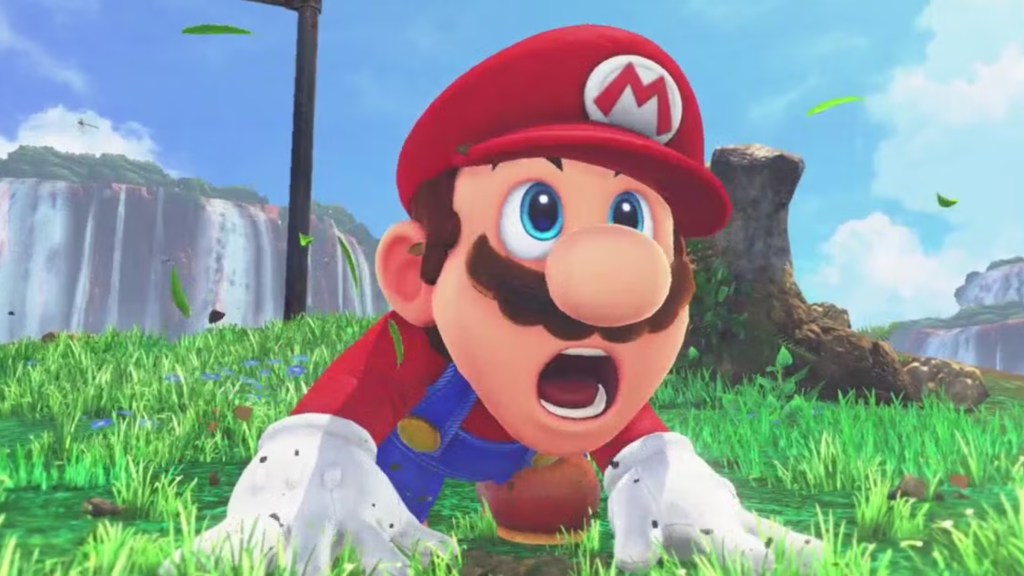
We live in an era where remakes, reboots, sequels, and familiar retreads are common. Often, entertainment media that falls into any of these categories is scrutinized for unoriginality. But Nintendo has transcended this problem in such a way that the exact opposite is expected of it. While Nintendo has surely suffered rough patches during its 40-year tenure in gaming, the company has always held a high standard of entertainment quality for its key gaming franchises. At this point, Mario is as dependable as the McRib at McDonald’s. Mario games will always inevitably appear on the menu, and they always manage to taste just as good (if not better) than before. Forgive the metaphor if the McRib isn’t your bag. But I’m sure you’re picking up what I’m putting down. Nintendo is self-aware, and the Ocarina of Time remake proves it.
Nintendo is a company that has cultivated decades of emotional connections with its franchises. In contrast to this, Xbox and PlayStation are focused on technical achievements and new experiences, and this isn’t a bad thing at all. But Nintendo has played the long game with this one, and it has paid off. Nothing speaks to an audience more than emotional connections that, for many, began in childhood. As a result, Nintendo generates enormous excitement by revisiting its valued IP instead of introducing a new one. Again, contrast this with the prevailing critique of Sony or Microsoft that their triple AAA games feel uninspired. Recently, Bruce Straley, director of The Last of Us, recently commented that modern AAA games “are boring.” His comments were directed toward God of War Laufey, another first-party title in the long-running God of War series.
Nintendo Understands the Importance of Preserving What Makes Its Games Special
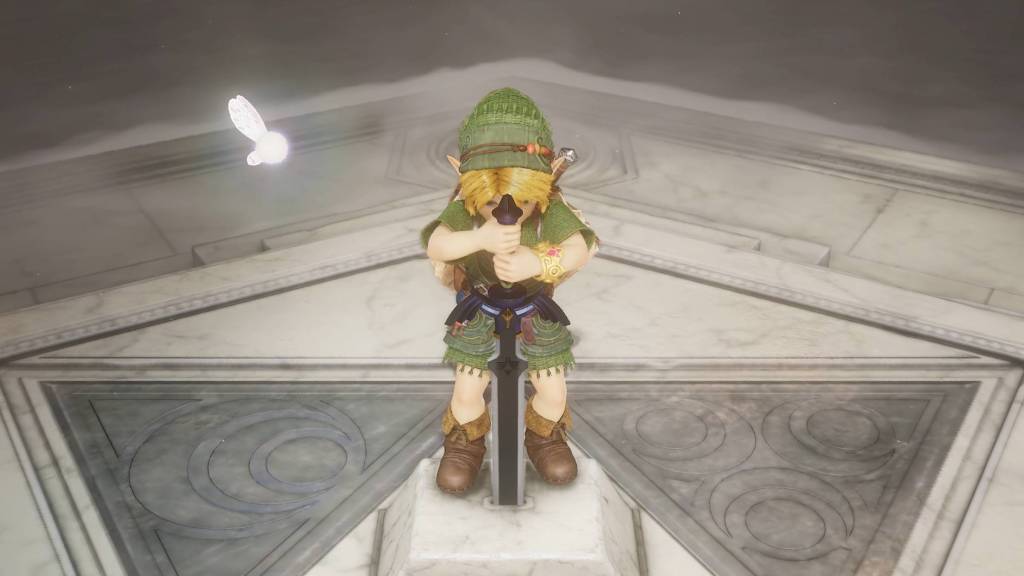
If you’ve had a chance to travel around Ocarina‘s Hyrule in the newest release with a working knowledge of the original Nintendo 64 version, then you’re keenly aware that Nintendo didn’t miss a beat (Mario paintings in Hyrule Castle aside). Everything you remember about the core game is just as it was, but better. Nintendo didn’t gut and rework a classic. The developers understood that fans have been playing Ocarina of Time ever since 1998 and that nothing structurally needed to change.
This demonstrates a fundamental connection that Nintendo has established with its fans. They knew that fans would want to find Goron City and Kakariko Village just as they remember them. These locales might have a fresh coat of paint over them, but the familiarity remains. Fans are able to wander through them with the same comfort and ease as walking down the streets of the neighborhood where they grew up. It’s clear that Nintendo not only knows what games fans crave most, but also how to deliver to them.
Xbox and PlayStation Could Learn Something From Nintendo’s Approach
Nintendo began endearing itself to fans decades ago. As I said, they played the long game, and it’s built a defensible strategy around their core IP that will last for generations. In 1998, Ocarina of Time was exactly what Zelda fans had wanted. Until that point, games in the series had long been relegated to 2D planes despite their dungeon-esque and semi-open world gameplay. Hyrule realized in three dimensions was a dream come true. I would know. I speak from experience, as I was 12 years old when Ocarina of Time launched on the N64. Nintendo intuitively knew the next direction of the series that would enrapture fans. This level of synchronicity with its fanbase was lightning in a bottle. You only have to consult the game’s 99 Metacritic score to understand the power behind that. While the remake is 3 points shy of that score, the universal acclaim is still clear. Nintendo didn’t just make a great business decision by remaking this classic; it continued its long play by tossing more fan goodwill on its already Death Mountain-sized pile.
Xbox and PlayStation would be better served by finding this level of synchronicity with their fans. The furor both consumers and developers have recently experienced over decisions made by both companies can’t be understated. They demonstrate a clear divide between business leaders and those they aim to serve. It’s as if decisions are simply being made solely through spreadsheets without any intuition or grounded sources. It’s been quite some time since we’ve seen Xbox or PlayStation have the level of excitement from their respective fan bases that Nintendo experienced with the Ocarina of Time remake announcement. Recently, there have been three exclusives hitting physical and digital storefronts: Phantom Blade Zero, Gears of War: E-Day, and The Legend of Zelda: Ocarina of Time. While the first two have received critical and financial success, Ocarina attracted instant fan loyalty that resulted in a top-tier critical score and wide fan reception. Of course, we don’t have financial figures for these three titles to compare. But I suspect there will be a clear winner here.
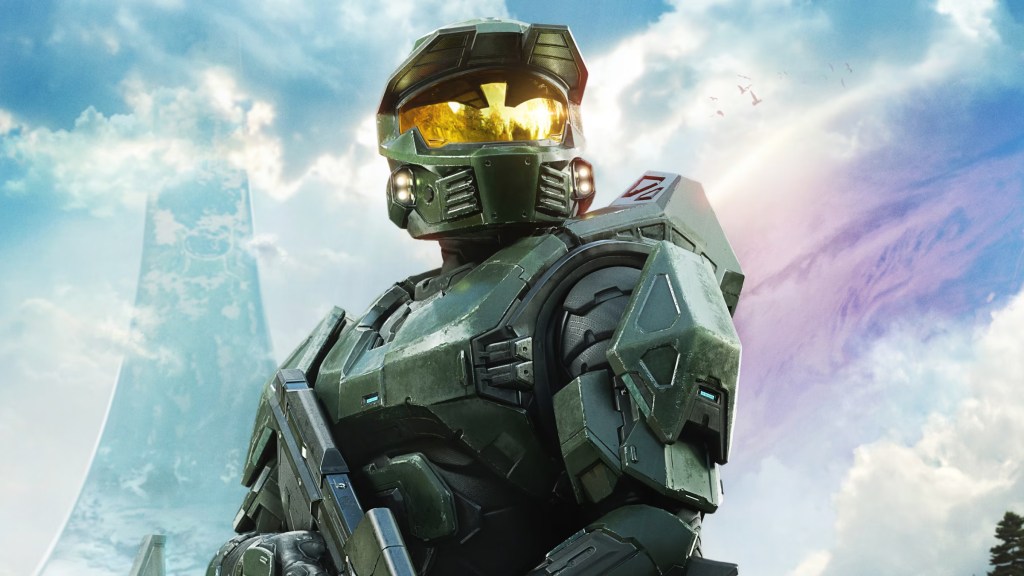
Xbox and PlayStation don’t need to follow Nintendo’s exact playbook. But they could stand to remember why players fell in love with their consoles in the first place. Releasing a Halo remake without the multiplayer component isn’t it. While the gaming industry will continue to move forward and innovate in a technological capacity, there’s something to be said for a company that knows that its past is just as important as its future.
More Gaming
-
Courtesy of Toys for Bob -

Courtesy of Rockstar Games