Resident Evil’s replayability has been one of its best features. Whether it’s new weapons, alternate campaigns, another camera perspective, or a wealth of difficulties, Resident Evil games are built to be experienced multiple times. Resident Evil Requiem offers many of these same features, but it, like playing as Grace in the third-person perspective, stumbles unnecessarily with its highest difficulty. Requiem’s Insanity setting seems like it would be a huge challenge because of its daunting name, yet it doesn’t add much to the experience and ends up falling well short of its potential.
Videos by ComicBook.com
Requiem’s Insanity mode mixes up some enemy spawns, juices up enemy speed, changes a few item locations, makes players use Ink Ribbons to save during Grace’s sections, and generally makes enemies tougher. On paper, these are solid ideas Resident Evil games have had in the past, but the implementation here is the problem.
Resident Evil Requiem’s Insanity Mode Is Too Safe
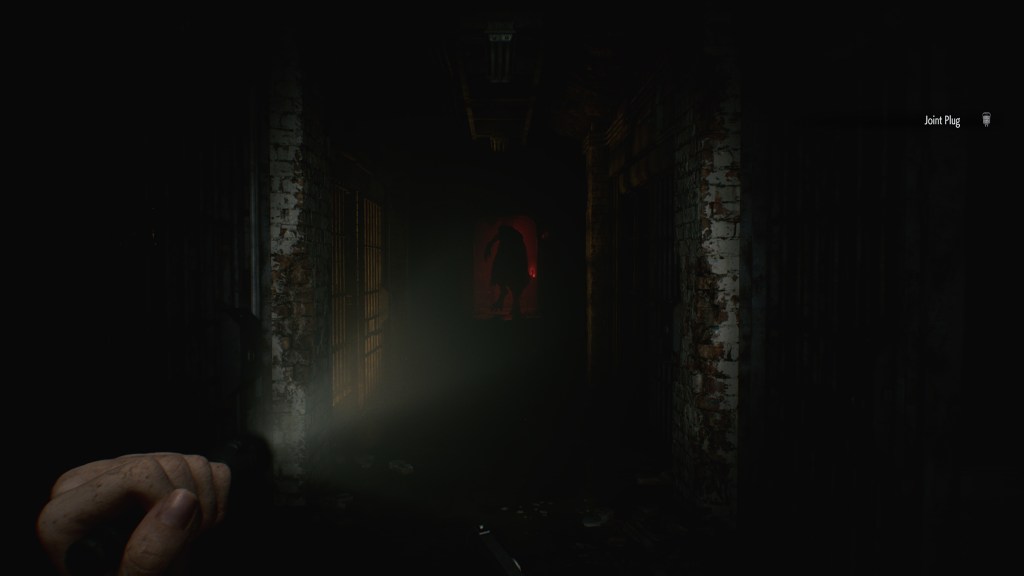
Unique enemy spawns can be the most effective tool horror games can utilize on harder difficulties. They can toy with expectations and make a known level scary since unpredictability lies at the heart of many truly great scares. Not definitively knowing if a previously safe room is safe once again is nerve-wracking, and this tension demonstrates how this is an excellent way to breathe life into a second run of a horror game.
Requiem places a handful of undead walkers in new locations, but they’re incredibly sparse and a few make the game even worse. Since most of the zombies haven’t been shifted around, too much of the game feels the same and gets away from the magic variable spawns can bring. While the new addendum to the bulldozer scene is a decent idea, there aren’t enough clever remixes like this or completely new scenarios, which makes Insanity overly predictable and repetitive.
Some of the new placements are just bad, too, as shown by a few of the gun-toting zombies that are exclusive to Insanity. If Requiem’s combat needed anything, it was fewer of those terrible trigger-happy armored corpses. Some item locations are also different, but, again, the changes are laughably minor and don’t even come close to changing up how each key hunt plays out. Having handgun ammo in the parlor’s coin-operated cabinet instead of a syringe doesn’t impact the game much, especially since a vast majority of the other item locations are the same.

Insanity’s lackluster remixing is most clearly demonstrated with The Girl, Requiem’s resident ugly stalker. An utterly terrifying menace on the first playthrough, this tall freak turns into just a minor nuisance on Insanity because she shows up in almost all the same places, be it the first hallway in the jails after inspecting the three-pronged power receptacle to the grate in the large pipe after the bloody conveyor belt scene. This predictability pulls the curtain back too far since it ruins the mystique and demonstrates how truly scripted she is. She initially appeared to be a little like the Xenomorph from Alien: Isolation, but she is, disappointingly, something much less dynamic.
Resident Evil 7: Biohazard managed to balance both of these elements well with its Madhouse difficulty. RE7 has relatively fewer enemies when compared to Requiem, so it’s more noticeable when goopy monsters aren’t in their typical spots. The new four-legged crawler that makes a shocking entrance near the creepy basement steps on Madhouse is particularly horrifying because of how well it subverts expectations. Having to use coins to get key items is also a clever change because it mixes up the pace by encouraging more thorough exploration. And as an added bonus, the coins are all in different places on each difficulty, including Madhouse.
RE7 even changes up where its stalkers can go. Jack Baker, RE7’s hillbilly Nemesis, can stomp around in different parts of the mansion he couldn’t access in the other difficulties; a smart modification that makes the game scarier and changes how players engage with parts of the level that were previously safe. Through these difficulty-specific revisions, RE7’s Madhouse setting keeps players on edge in ways Requiem almost never does on Insanity.
Resident Evil Requiem’s Rewards Trivialize Its Hardest Difficulty
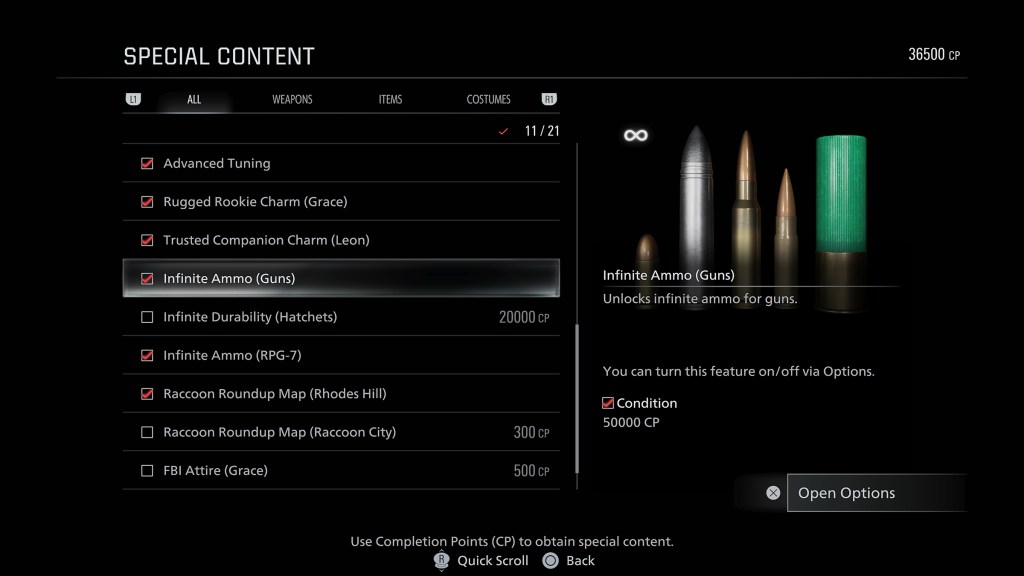
Despite its name, Insanity can also be quite the cakewalk because of how it is seemingly made to be played with infinite ammo. Relatively thorough players can unlock the ability to spray an endless supply of bullets after a full run followed by a speedrun on the lowest difficulty, meaning it’s easy to trivialize Insanity the first time through. Leon can use the infinite rocket to make a fool out of any being that dares to step in his way, and Grace’s all-powerful Requiem (or machine pistol for the end) turns her into the predator with little to fear.
It’s a power fantasy that should take more work to earn, which has been the case in the other Resident Evil games with a more even flow of rewards. RE7 only gives players infinite ammo after clearing Madhouse. The Resident Evil 4 remake takes an S+ run on Professional to yield universal infinite ammo and, for the most part, can’t be cheesed through upgrades garnered on lower difficulties. It’s also quite labor-intensive to get this cheat-like power in Resident Evil Village since these upgrades are expensive and separated by gun. Of course, Capcom loves to provide ways for players to spend real money if they want a shortcut to infinite ammo, but Requiem’s abbreviated and poorly balanced flow of upgrades makes this questionable proposition even more questionable. Requiem has yet to receive those same gross microtransactions, but they will be even more unappealing since the cheats are so easy to earn here.
Requiem’s inability to provide a more steady stream of rewards and have a more substantial hardest difficulty setting hurts its overall standing in the overall Resident Evil pantheon. Whereas many of the most recent entries encourage multiple engaging runs, Requiem’s infinite ammo shortcut and lack of variation on Insanity severely downsize how replayable the game is, a pain that is even more sharp given the current lack of a Mercenaries mode. Other Resident Evil games like the RE4 remake and RE7 demonstrate what’s possible when the hardest setting is a key part of the progression that presents a true mountain to climb. So while blasting away zombies with a limitless supply of rockets or magnum bullets is a mindless joy, it’s a luxury that should take more work to earn.
What do you think? Leave a comment below and join the conversation now in the ComicBook Forum!
Most Viewed
-

Image courtesy of Marvel Studios -

Image Courtesy of Marvel Comics -

Image Courtesy of Netflix