Resident Evil: Veronica is the next modern reimagining of the acclaimed horror franchise, bringing back the game originally released in 2000 for a modern retooling. The remake is expected to follow a similar trajectory as the previous updates released by Capcom, which raise the stakes in combat but remain largely faithful to the characters and narratives of the original games. Veronica should be an especially interesting game to see remade, considering how much of it serves as a bridge between the original trilogy of horror-survival games and the more action-packed period of the franchise.
Videos by ComicBook.com
However, there are some elements of the game that are going to need to be updated for modern sensibilities, especially the Ashford siblings. The villains of the game and part of the family heritage that is behind so much of the suffering within the Resident Evil universe, Alfred and Alexia are among the more memorable Resident Evil villains, in part due to a wild twist in the game that reveals the siblings are one person. This aspect of the character could be expanded and become more nuanced in the remake, but it needs to be careful not to take a dated character and make them even more offensive to modern sensibilities.
Resident Evil: Code Veronica’s Ashford Siblings, Explained
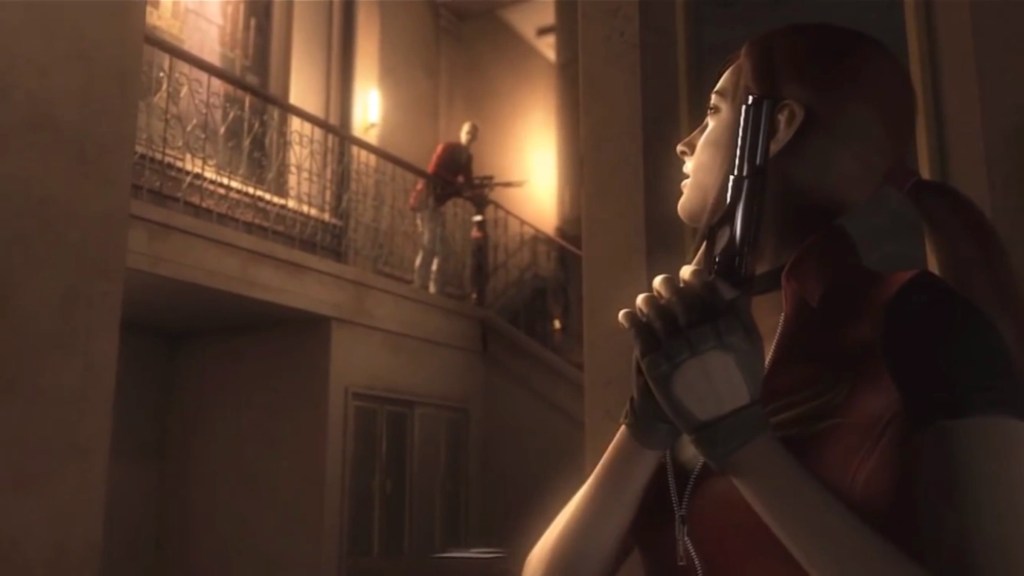
Resident Evil: Code Veronica is primarily driven by the actions of Alfred Ashford. The latest in a long royal line, Alfred is the commander of the governor of Rockfort Island, which he has helped retrofit into a prison for the Umbrella Corporation. This puts him into direct conflict with Claire after she is captured and brought to the island, with Alfred serving as the primary villain for a large portion of the game. During the course of their efforts to escape, Claire and her new ally Steve Burnside discover that Alfred is unstable — and that his sister, Alexia, has actually been him in disguise all along.
Having mentally snapped under the strain of his sister entering cryogenic sleep to slow down the T-Virus she had been infected with, his isolation on the island led Alfred to impersonate his sister. Making it even odder, the game implies he is romantically attracted to her and has been indulging in that fantasy while living out both lives. When he’s finally brought down by Claire and Steve, he uses the last of his strength to unleash Alexia, setting her up as the true final boss of the game.
The Original Ashford Reveal Was Wild, Memorable, And A Little Offensive
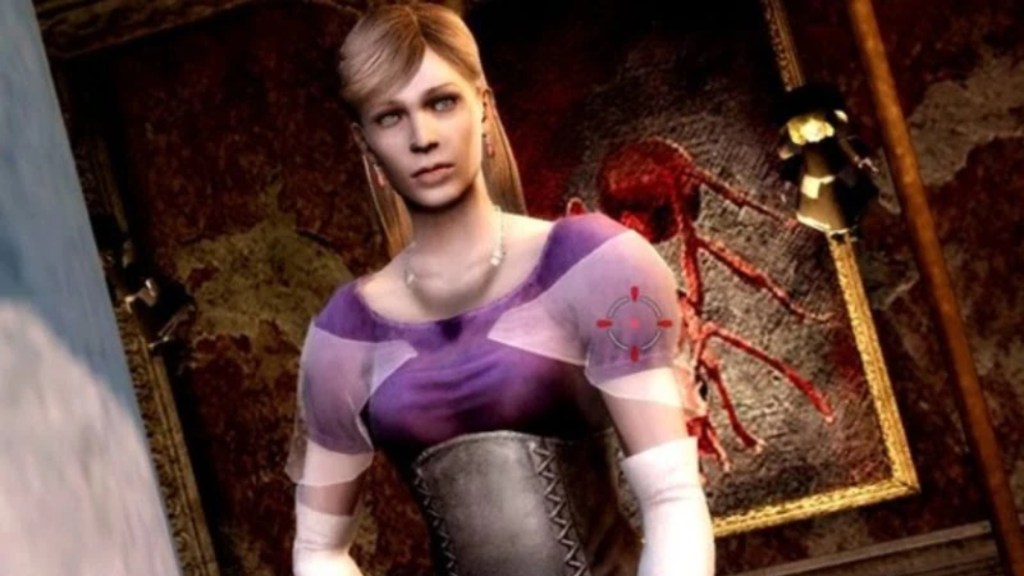
At the time of release, the Alfred/Alexia twist was a major plot swerve that only added unique layers to the character. Already established as a vicious and sadistic threat, his delusions about his sister were a unique wrinkle that came with some real baggage. On the one hand, it provided the character with a tragic undercurrent that made his eventual death surprisingly pitiable. Having finally awoken his sister after being morally wounded by Claire and Steve, he dies at peace because he is no longer alone. This kind of twist had been done before, too, with Psycho famously having a similar reveal about Norman Bates and his domineering mother.
However, the decision to showcase his instability by having him dress in women’s clothing hasn’t aged well in an era where trans representation and drag culture have become much more mainstream. Characters insult Alfred as a “crossdressing freak” in the North American version of the game, and this quality is treated as another element of his broken psyche. Since Code Veronica debuted, the depiction of gender fluidity in popular media has shifted dramatically, making Alfred a fraught character to adapt for a remake.
How Veronica Could Reimagine The Ashfords
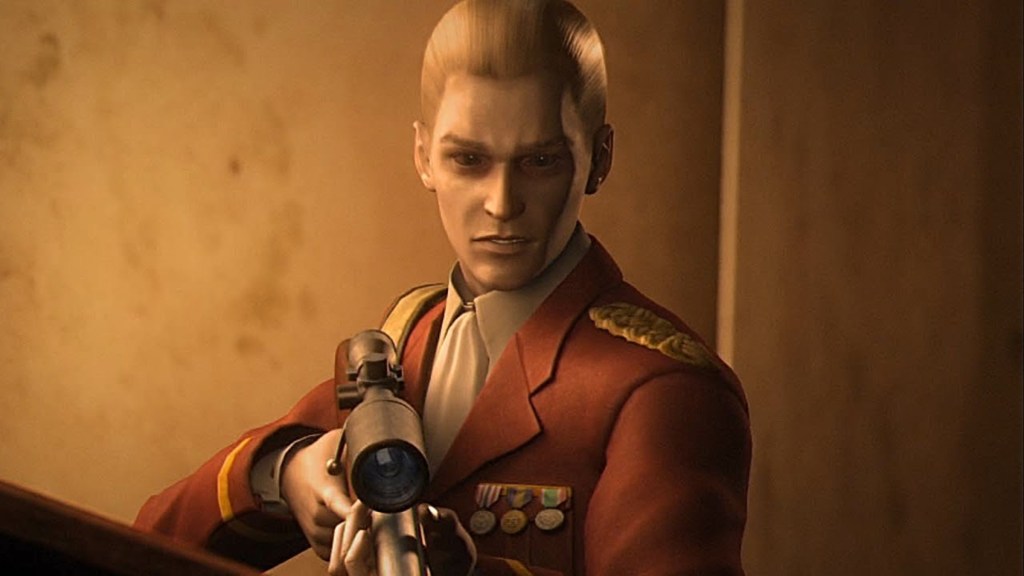
Given that the previous Resident Evil remakes were largely faithful to their original games, it’s likely that we’ll be seeing Alfred and Alexia in Resident Evil: Veronica. What remains to be seen is how Capcom decides to reimagine them. The new game will have more room to deliver a more nuanced take on Alfred, delving more into his specific mental instability instead of just yelling that he’s a freak and pitting him against the heroes. His dynamic with “Alexia” could be played up or downplayed, either by having him merely imagine her without dressing as her or fully committing to trying to live two lives with one body.
Alexia could be given a bit more personality herself, helping distinguish between the characters a bit more. Leaning into that sibling dynamic and longing for others could make them more thematically rich as foils to Chris and Claire Redfield, who spend much of the original Code Veronica looking for one another. It’s important that Veronica does change the character, though. The version of Alfred that appeared in the original game may have been seen as a wild plot twist in 2000, but it could very easily be taken as offensive in the modern day. More so than almost any other element of the upcoming remake, the questions surrounding how Alfred will be portrayed in Veronica are hard to ignore.
More Gaming
-

Courtesy of Wizards of the Coast -

Image Courtesy of Kwalee