The Sonic the Hedgehog series has been one of the most volatile in the history of gaming. Launching as a spiky-haired rival for Mario that quickly helped Sega challenge Nintendo’s domination of the industry, the franchise grew during the 2D era but ran into some serious challenges in the transition away from classic side-scrolling platformers. In the years since, there have been plenty of strong titles — along with some serious duds that threatened to disrupt the overall legacy of the character.
Videos by ComicBook.com
An interesting example of this dichotomy is Sonic Heroes, which launched for the GameCube 22 years ago. On the one hand, the title improved on the gameplay of the previous entries and benefited from Sega stepping away from the console race, giving players across all three major contenders in the sixth generation of consoles the chance to move at Sonic speed. However, one major challenge during development resulted in exhausted developers, weak ports, and gameplay that kept the commercial hit from earning the reviews it might have gotten with a better production cycle.
Sonic Heroes Was A Wildly Ambitious Entry In The Series
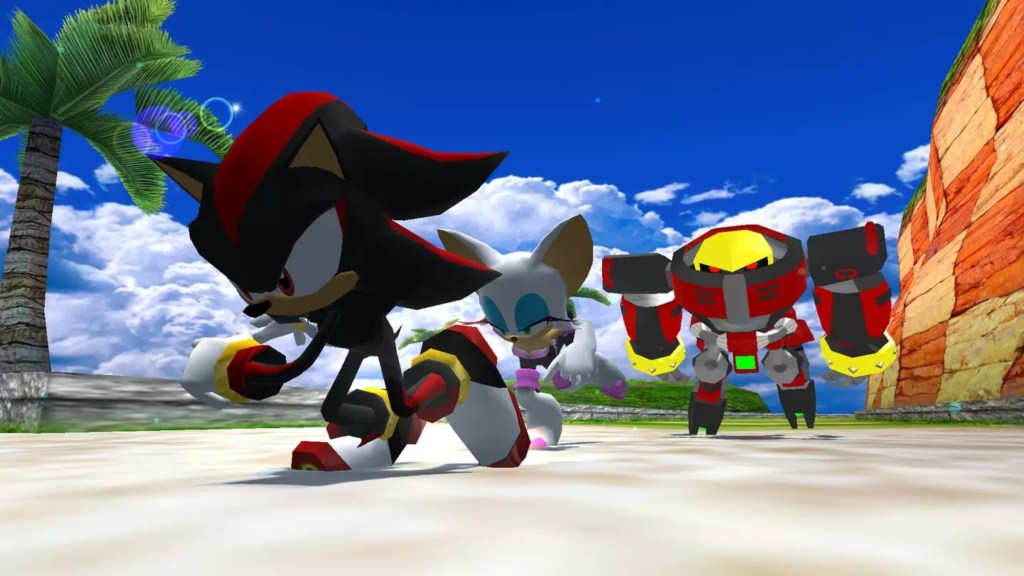
Sonic Heroes had a lot going for it from a conceptual standpoint, but a major flaw in Sega’s release strategy severely impacted the game. The gimmick to Sonic Heroes is that it features four distinct campaigns, with players controlling three characters in each one. While the lengthy platforming levels were all technically the same, each trio (Team Sonic, Team Dark, Team Rose, and Team Chaotix) came with unique elements like difficulty shifts or altered objectives. The idea was that each campaign intersected with the others in key ways, with the eventual conclusion of the story only available if players could get through all four of the campaigns.
Taking a step back from the increasingly convoluted storylines of the Sonic Adventure titles, Sonic Heroes was a fairly straightforward story about the heroes all facing off with Dr. Eggman, building to a massive battle with an upgraded Metal Sonic. At the core of the game’s conception was a return to the more straightforward gameplay of the Genesis Sonic titles. On paper, this was a great move, as it ensured that the worldbuilding wasn’t too distracting and that the gameplay could be somewhat streamlined.
It was an excuse for Sega to highlight other characters beyond Sonic, even bringing back cult classic characters like Espio, Vector, and Charmy. The focus on three characters at any given time also opened up gameplay for a bit of variety, with different paths throughout the level only useful for certain characters taking the lead. The game sold well, with global sales exceeding 3.4 million by March of 2007. However, critics were more divided on the game — with some very clear reasons.
Why Sonic Heroes’ Big Multiplatform Push Hurt It
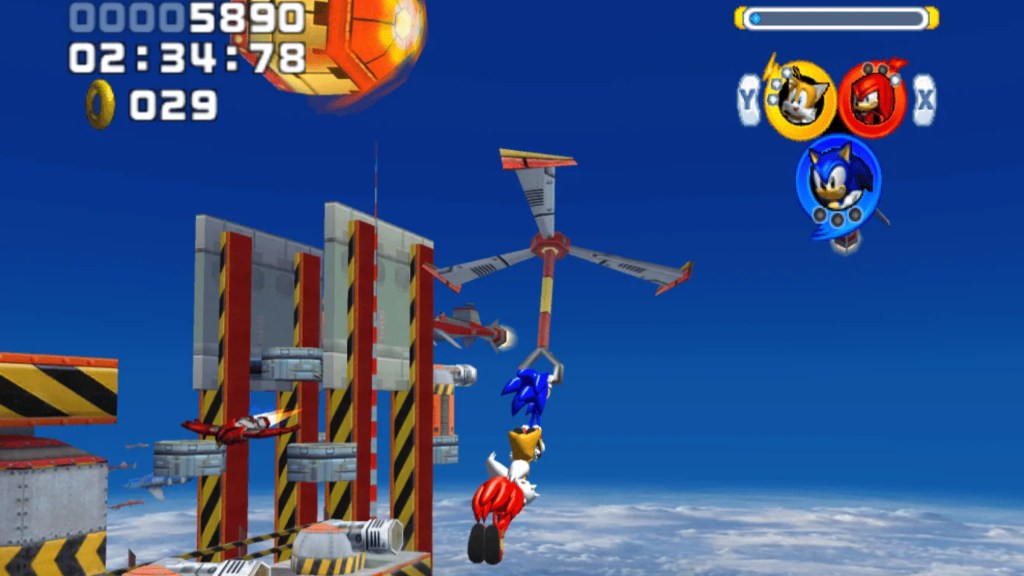
Development on Sonic Heroes was infamously challenging for Sonic Team USA, with the tight deadlines quickly leading to a domino effect that severely impacted the game. While most of the team had experience with the franchise thanks to the Adventure games, efforts to deliver a more streamlined action game were complicated by a tight deadline and the decision to release Sonic Heroes across multiple consoles. The first formally multi-platform game in the series, Sonic Heroes, launched amid the height of the console wars of the sixth generation, landing on GameCube first before making the move to PlayStation 2 and Xbox.
However, this presented a unique challenge to the development team. While the development team was plenty familiar with the GameCube, developing games for Sony and Microsoft’s consoles was far trickier. In fact, despite the games functionally being the same from a content perspective, the PS2 version could only run at half the frames per second as the other games, as it would risk running into serious performance problems. The tight deadlines also impacted the development, leaving the team little time to refine the gameplay. The camera was glitchy, and the controls were sloppy, with poor control layout and lackluster NPC AI often leading to mistakes caused by teammates. Game Director Takashi Iizuka ended up having to design many of the levels himself, leading to physical stress that resulted in him losing 22 pounds over development.
The race to complete the game ahead of the intended release date — which was also timed to a Sonic-themed push from McDonald’s and the debut of the Sonic X anime — reportedly left game testers only capable of drawing attention to game-crashing bugs. Otherwise, glitches and errors were deemed permissible in pursuit of the finished game. These challenges are reflected in the reviews for the game at the time — while some complimented the colorful visuals and fast-paced gameplay, many critics called out the clipping, glitches, and weak frame rate of the PS2 port.
In retrospect, Sonic Heroes serves as a great example of just how much of an effect crunch time can have on a game’s development. Sonic Heroes had a lot working in its favor, including a well-conceived means of combining the then-modern graphic potential and gameplay approach with the speed and excitement that had been missing from the series. However, a refusal to expand the development team and the ensuing challenges faced by the race to hit deadlines left the game imperfect at best and seriously flawed at worst. Sonic Heroes should have been a true highlight in the franchise’s history, but stumbled a lot more than it should have.
Most Viewed
-

Image Courtesy of Big Finish -

Image Courtesy of A-1 Pictures -
Image courtesy of Goldin and The Pokemon Company -

Image courtesy of Marvel Television