Ever since the launch of 2024’s 5.5e changes to 5th Edition rules for Dungeons & Dragons, fans have been requesting that certain subclasses be reworked for the fresh system. Along with some new ideas, several archetypes have returned in Unearthed Arcana (UA) playtesting, with a few even being refined for official expansion books. However, as D&D continues to evolve with its planned 2026 and 2027 roadmaps, not every player option from the past is interesting enough to return to the TTRPG’s latest version.
Videos by ComicBook.com
The upcoming gameplay expansion for D&D, Arcana Unleashed, is printing several new subclasses for the game that have evolved from initial UA reworks. Released for 5.5e playtesting around a year before being included in the latest book for 2026, Arcana Unleashed is set to feature a number of classic subclasses and brand-new ones never seen in the game before. This balance would be hard to maintain if game designers for D&D brought back the most lackluster archetypes from base 5th Edition’s history, especially a few that were even supplanted within the same rule set.
5. Rogue – Scout
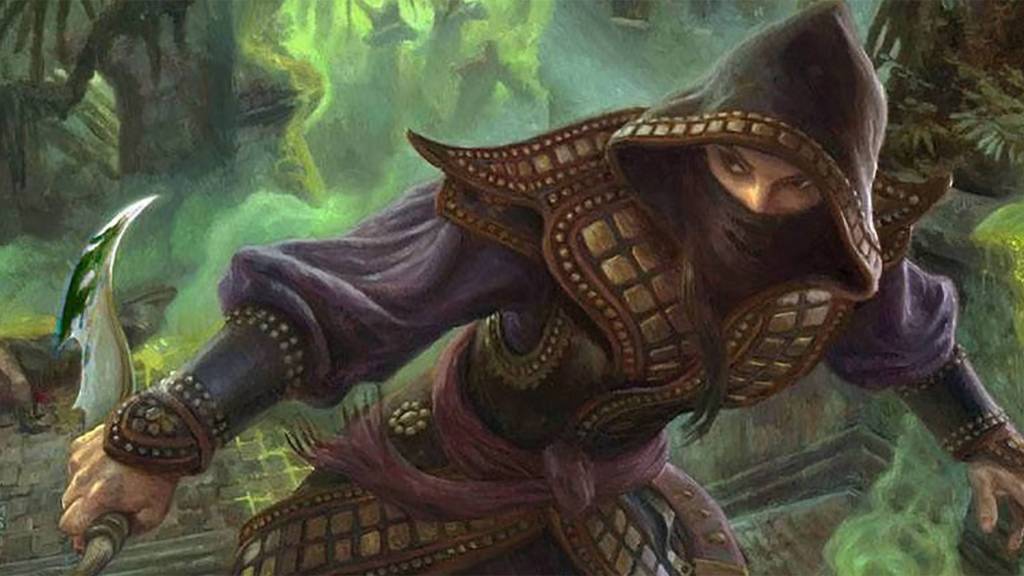
Out of all the “classic” Rogue subclasses, the Scout is one from Xanathar’s Guide to Everything that I have hardly seen any player use. While obvious archetypes for the Rogue like Assassin and Thief returned, other fan-favorites like the Arcane Trickster or Swashbuckler are played far more often. The 2024 5.5e Player’s Handbook included a greater variety of Rogue paths, featuring the Soulknife and Arcane Trickster reworked for new rules, with other expansions added the Phantom Rogue later too.
Fresh subclasses like the Scion of Three Rogue have kept it interesting throughout UA, but the Scout has never made a return in playtesting for a number of reasons. For starters, the Scout is almost like a hybrid of a Rogue and Ranger put together, but without the benefits that come from a strong multiclass build in D&D with those classes. To put it bluntly, the Scout subclass is simply unremarkable for the Rogue, only giving characters the ability to move half their movement speed as a reaction for one of their Level 3 skills.
Although this mobility doesn’t provoke opportunity attacks, the Scout Rogue only gets Nature and Survival proficiency for its extra Level 3 features with this. Compared to the Arcane Tricker’s spellcasting or the Soulknife’s psychic daggers, this starting feature is a disappointing bonus for choosing this path. Even at Level 9, the Scout just gains a +10 feet of movement speed, which is practically nothing. Although later features provide additional attacks and Initiative advantages, a Rogue subclass solely focused on movement just isn’t as interesting as other ideas when Monks or Rangers already tackle that concept better.
4. Bard – College of Eloquence

With weak subclasses like the Scout Rogue, there’s an argument to bring them back solely because D&D creators can make them stronger with hindsight. However, this begs the question — what happens when you try to recreate a subclass that was far too strong? This is the problem surrounding the College of Eloquence Bard, arguably the best Bard subclass for the archetype in D&D. The Eloquence Bard is a master of speech, using a silver tongue to get out of almost any situation without consequence.
The ultimate ability of Eloquence Bards allows them to treat any roll of 9 or lower on a d20 as a 10 for Persuasion or Deception checks, instantly making them powerful in social situations. At the same time, they can use their Bardic Inspiration to reduce the roll enemies make to saving throws, making it easier to charm or otherwise manipulate them alongside their party. This normally limited resource can even be kept by allies if they fail a check while using a Bardic Inspiration, nullifying one of the class’ biggest weaknesses.
There are likely many ways the College of Eloquence can be toned down to fit 5.5e’s changed rules, but doing so might rob the archetype of what made it special or break the game without trying once again. This type of Bard simply bypasses many of the natural barriers meant to be solved creatively in D&D, removing the ability to fail in some cases altogether. Remaking this subclass would introduce many headaches to Dungeon Masters everywhere, as opposed to a new type of Bard that doesn’t step on the toes of other players.
3. Monk – Way of the Long Death
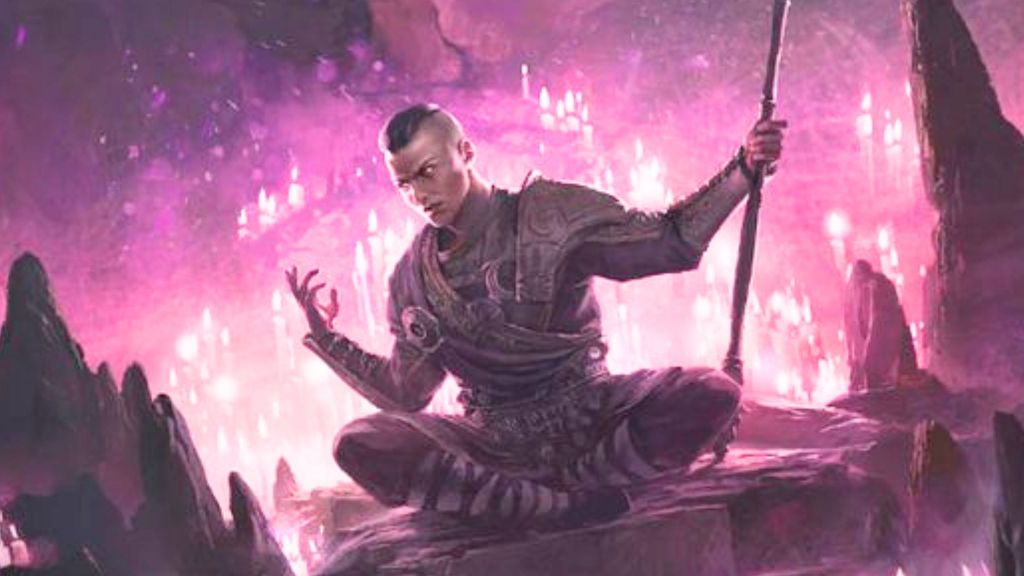
The Way of Long Death is an often forgotten type of Monk, a class whose restructure in 5.5e has greatly enhanced its play style and garnered plenty of praise from players. Although fans of D&D are clamoring for additional Monk subclasses, such as the new Warrior of Mystic Arts path from Arcana Unleashed, Way of the Long Death might be a step in the wrong direction. First of all, this Monk subclass is tied to dark experiments surrounding prolonged vitality, creating a dark concept that would have fit better in 2026’s horror themed Ravenloft: The Horrors Within expansion.
Yet, the idea of a health and death avoidant Monk would be interesting on paper, but its execution in base 5e’s Sword Coast Adventurer’s Guide is hardly good in execution. This subclass allows your character to gain Temporary Hit Points, but only when a creature near you reaches 0 Hit Points. This is incredibly specific and situational, and a feature most Fiend Warlocks get at Level 1 through Dark One’s Blessing. Meanwhile, Way of Long Death Monks gain the ability to frighten targets around them at Level 6, but this takes up a valuable action.
Other abilities for this subclass are not unique either, with the Level 11 and Level 17 features letting your Monk either stave off death once or deal large amounts of necrotic damage based on spent ki points. These are both abilities other classes and subclasses do, such as the Barbarian resisting death or Death Domain Clerics inflicting massive necromancy onto their enemies. This painful truth of this Monk subclass is that it just doesn’t feel as creative as other Monk archetypes that have been made recently, with UA having built multiple ideas for the class more interesting than Long Death.
2. Cleric – Forge Domain
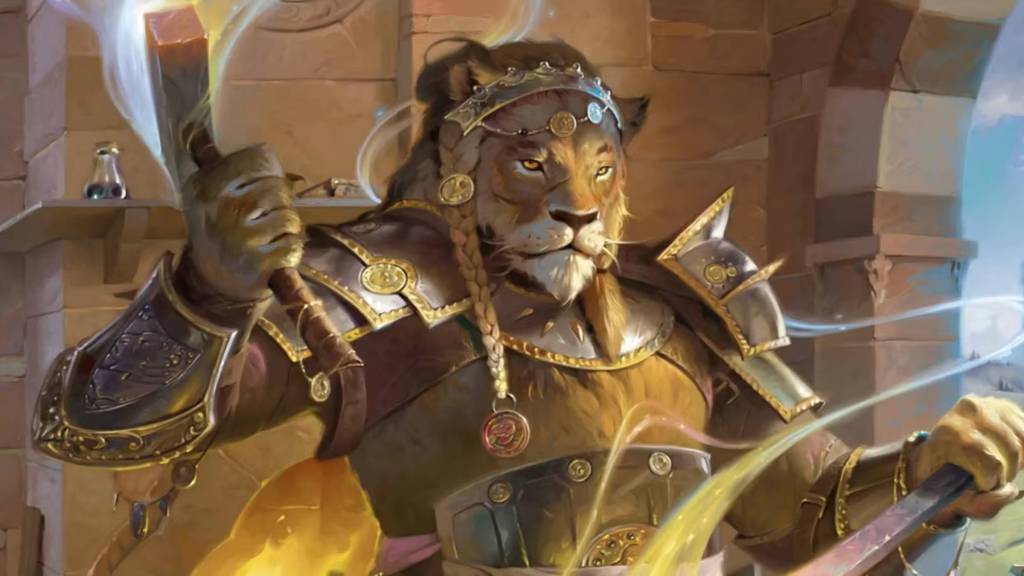
The Forge Domain is another case of a subclass being overshadowed by other archetypes that have been created since its release, making it not the ideal path to bring back for potential Clerics. The Cleric itself already has a myriad of excellent subclasses that haven’t made their way back to D&D for 5.5e, including the Order, Peace, and Tempest Domains. With the Arcana Domain also coming back for Arcana Unleashed, the Forge Cleric doesn’t really have a spot in the game as it once did before.
To continue that point, one of the reasons why the Forge Cleric is a poor candidate for UA playtesting is the existence of the Artificer class as a whole. The Artificer specializes in tinkering and creating magical items, while the Forge Cleric constructs simple weapons and armor that don’t quite match up to enchanted counterparts. The gold limitations on what the Forge Cleric can create isn’t something the Artificer shares either, with the latter class capable of using infusions to craft much stronger gear than the Cleric subclass gets a chance to make.
This isn’t to say that the Forge Cleric is completely uninteresting, though. The subclass still gains access to fire damage resistance and an Armor Class bonus at Level 6. Natural spells like Searing Smite, Heat Metal, and Wall of Fire give this subclass some identifying traits, with its Level 8 feature dipping into themes of the fiery forge even more. Level 8 Forge Clerics can infuse their attacks with fire damage, but this damage bonus is dreadfully small. Unless you’re playing a high-level Forge Cleric with full fire immunity, other subclasses remain a better choice.
1. Warlock – Undying
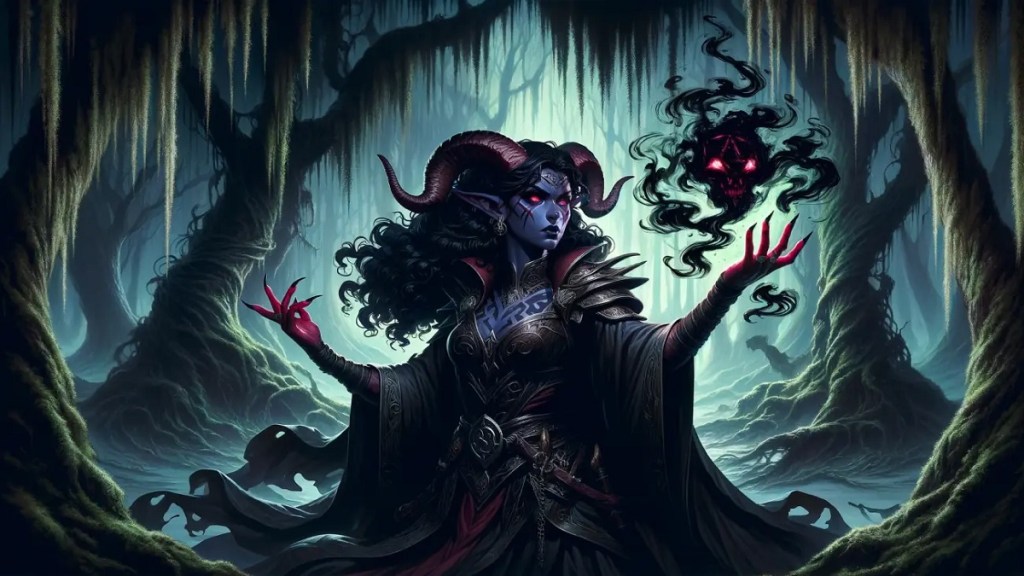
Also from the Sword Coast Adventurer’s Guide, the Undying Warlock is Wizard of the Coast’s first attempt to make a Warlock whose Patron is some sort of undead entity. Creatures who know the secret to everlasting life power this subclass, but beyond some interesting spells, the abilities of this Patron aren’t special. The archetype starts out strong, with an ability to redirect enemy spells and attacks to other targets to avoid hurting you. Later levels see an Undying Warlock gain Temporary Hit Points when they succeed Death Saving Throws, turning an otherwise tense part of D&D into something advantageous.
Despite this, and a unique reliance on the Spare the Dying spell, Undying Warlocks fall off quickly beyond low levels. A worse form of their Hit Point regain awaits characters at Level 14, with the Level 10 ability before it simply acting as an aesthetic change with no gameplay benefits. The fear factor and other-worldliness of the Undying Warlock loses its focus, a problem that is not shared by its cousin — the Undead Warlock. The Undead Patron is superior to the Undying Warlock in almost every way, giving players the true power fantasy of having an undead entity behind them.
Undead Warlocks can assume forms of dread with multiple effects and abilities, gaining necrotic damage resistance and exploding into bursts of necromancy when reduced to 0 Hit Points. This type of Warlock even gets the Level 10 ability of the Undying at Level 6, making its progression feel more natural. There’s a reason why the Undead Warlock was brought back for Ravenloft: The Horrors Within, and the Undying subclass has stayed behind.
Even though some subclasses may not be worth bringing back compared to others still missing from the game’s update, every archetype is bound to be someone’s favorite. For that reason alone, each of these subclasses could be brought back in clever ways for Dungeons and Dragons, but likely not with the same praise others have gotten through UA.
More Gaming
-

Courtesy of IllFonic -

Courtesy of CD Projekt Red