Sonic the Hedgehog has been a fixture of the gaming world for over three decades now, to the point where the Sega mascot has evolved from a platformer character into a franchise anchor all on his own. He’s transcended the medium to become a star in comics, TV, and movies, on top of headlining plenty of games that span generations of consoles. His supporting cast has even developed enough to carry their own leading roles, with characters like Shadow breaking out in a big way.
Videos by ComicBook.com
The foundation of that greater success can be traced back to Sonic the Hedgehog 3, which came out 32 years ago today. That title, the first half of a larger game that was split during development, introduced Knuckles the Echidna as an antagonistic contrast to Sonic, who could hold his own in a fight against the blue blur while still feeling like his own character. The strong, creative bones of the character quickly grew into the best supporting character in Sonic‘s cast, a perfect foil for the franchise lead who laid the groundwork for countless other “rivals turned allies” who would become mainstays of the series.
Sonic The Hedgehog 3 Introduced Gamers To Knuckles
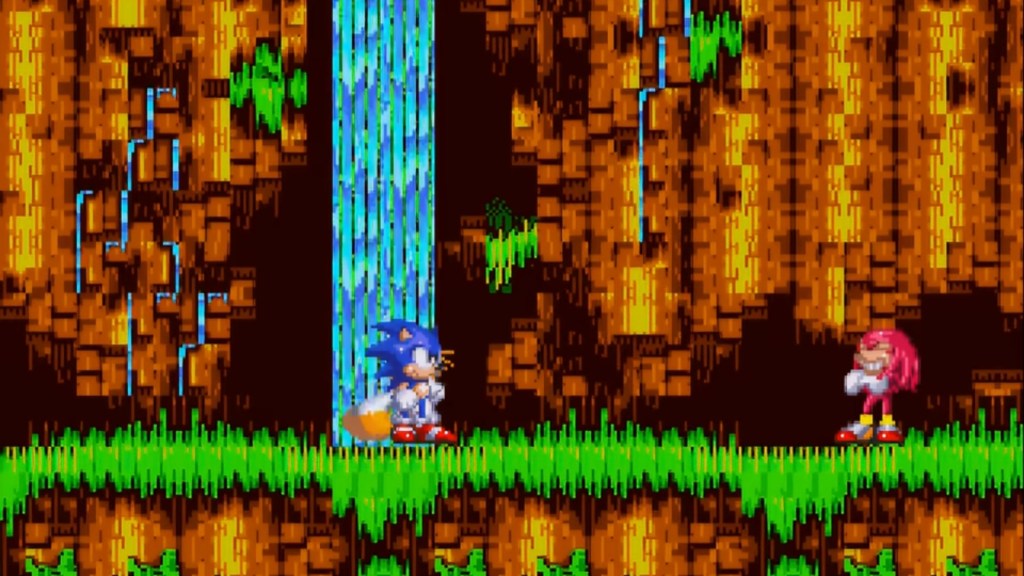
Sonic the Hedgehog 3 was released on February 2, 1994, carrying on the meteoric rise of the Sega mascot — all while introducing one of the best characters in the series, Knuckles. With the same core gameplay as the previous games (albeit with new elements, like Tails having new minor abilities such as limited flight), Sonic the Hedgehog 3 opens with Dr. Robotnik’s massive Death Egg falling from the sky and crashing into the floating Angel Island. Finding Knuckles on the island, Robotnik tricks him into thinking Sonic was to blame for the catastrophe, pitting the two of them against each other while he attempted to repair his weapons.
The game quickly established Knuckles as a direct rival to Sonic, with his red fur and confrontational personality making him an immediate contrast to Sonic. The two battled frequently throughout the game while Robotnik prepared himself for another battle. The game positions Knuckles as an unwitting antagonist, who then goes on to become a surprising ally and new playable character in Sonic & Knuckles. Initially intended to be released as one game that fully covered Knuckles’ arc from enemy to ally, the two games were split to reduce cost of production. This actually ended up being a blessing in disguise, however.
Knuckles Set A Franchise-Wide Precedent
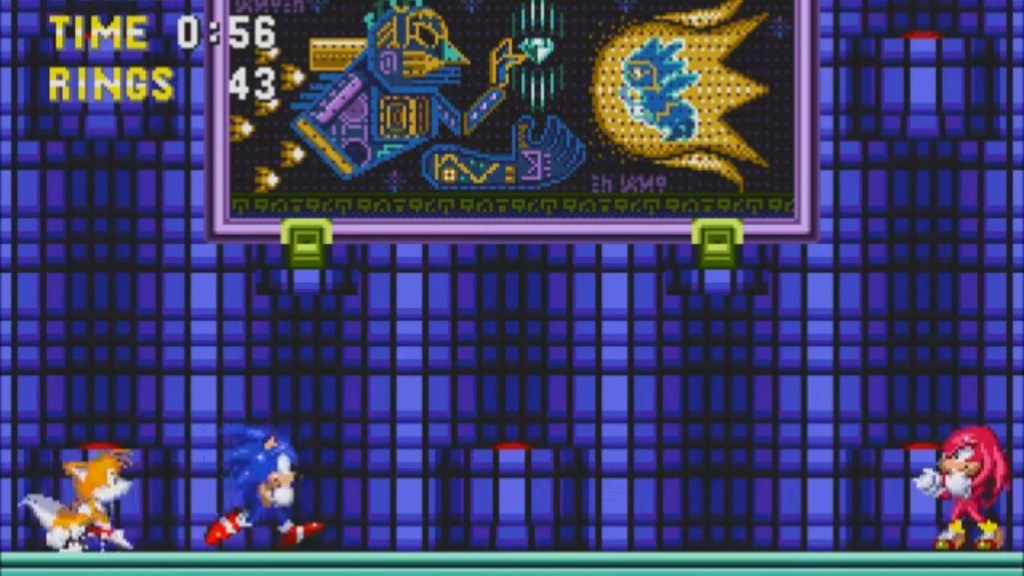
Knuckles being introduced as a villain proved to be a great way to approach the new character, as players were forced to confront Knuckles and get a taste of his abilities before the follow-up title would let them play as him. In Sonic 3, Knuckles is able to get the drop on Sonic, keep up with him in terms of speed, and deploy some devastating attacks. He was a memorably distinct foe from a point in the franchise’s history where new characters were a relative rarity. With only Tails and Amy Rose really standing out in his supporting cast as clear allies, Knuckles laid the groundwork for a character dynamic that would become increasingly consistent in the overall Sonic the Hedgehog franchise.
Initially battling Sonic for the entirety of Sonic 3, Knuckles ends up becoming not just an ally once he finds out the truth in the following game, but makes a good showing as his own unique hero in contrast to Sonic. This helped establish the franchise-wide trend of turning rivals and enemies into new allies and heroes in their own right, something that would be repeated with the likes of Shadow, Silver, and Blaze in future games. It set a precedent for the series that it’s still carrying forward decades later.
Why Knuckles Is The Best Foil To Sonic
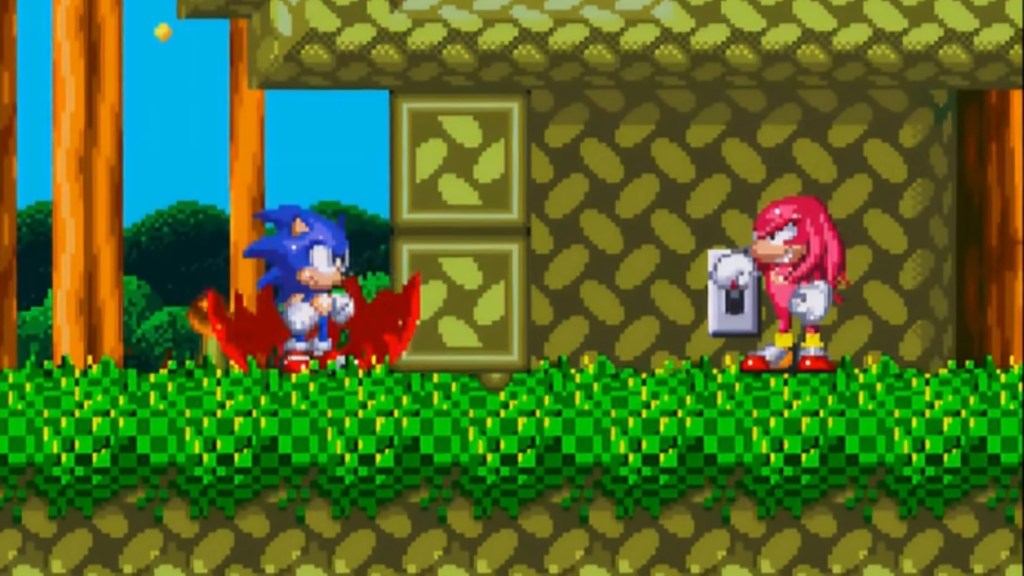
Over thirty years since his debut, Knuckles has become one of the most distinct members of Sonic the Hedgehog’s supporting cast — and easily one of the best. This extends beyond his abilities, which already help distinguish him from the rest of the franchise’s more speed-oriented heroes and lend themselves to making him a playable character in contrast to Sonic. Knuckles has proven to be capable of grounding his own stories, with the overarching Enchidna mythology of the universe driving its own corner of the universe in compelling ways. His confidence gives him similar traits to Sonic, even if his flaws — such as being dimwitted compared to many of his allies and enemies — give him unique roles to play in both comedic and dramatic narrative beats.
On a game design level, he’s a great means of approaching level design from a new perspective, with core gameplay that fits neatly into Sonic the Hedgehog‘s playstyle while still feeling different enough to be its own thing. His personality allows him to be hot-headed but self-aware, making him a genuine foil to Sonic that brings out the best and worst in the blue hedgehog. They can bounce off one another, believably bicker, and then just as quickly unite against a common threat. Knuckles even works perfectly well on his own, making him one of the rare Sonic side characters to get his own game or become a consistent playable alternative to Sonic himself. For over thirty years, Knuckles has been an undeniable piece of the Sonic the Hedgehog franchise and helped open the doors to what the series has since become.
Most Viewed
-

Courtesy of Crunchyroll -

Image Courtesy of WIT Studio