The Super Smash Bros. series has been one of the high marks of the Nintendo library since the first game debuted on the Nintendo 64 in 1999. In the subsequent quarter century, the game has become a bedrock of the competitive gaming space and has sold over 77 million copies across five console entries (and a single handheld version). The game, which pits numerous Nintendo and third-party characters against each other in a fun tweak on the standard fighting game formula, has inspired plenty of imitators who have never been able to match the tight design and fun heights of the original.
Videos by ComicBook.com
It’s been seven years since the last entry in the franchise, the Nintendo Switch’s Super Smash Bros. Ultimate. With a staggeringly large roster and a massive number of stages to play on, Ultimate has kept players entertained for the better part of a decade. On the 7th anniversary of the game, it’s worth looking back at what made it so special in the first place — and why the sheer depth of the title might explain why no formal announcement of a sequel has been made.
Super Smash Bros. Ultimate Is Everything I Wanted It To Be
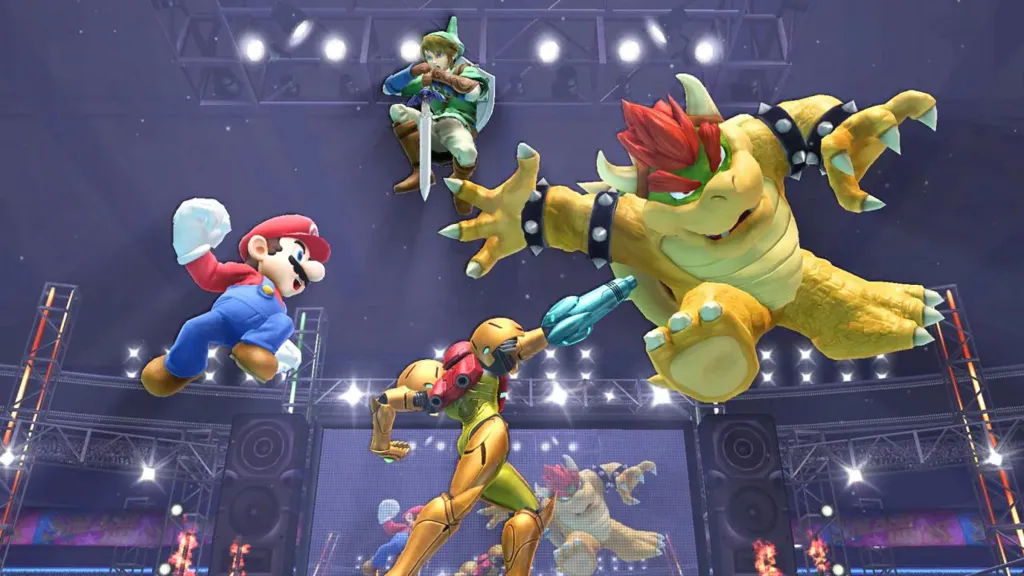
Debuting on the Nintendo Switch on December 7, 2018, Super Smash Bros. Ultimate is the idealized version of the franchise and remains one of the best games available on the Nintendo Switch. The fifth entry in the Nintendo fighting game series, Super Smash Bros. Ultimate, was filled to the brim with great content. On top of featuring every character from previous iterations of the series as well as a bevy of new DLC and customizable options, Super Smash Bros. Ultimate also included a robust number of options and a surprisingly in-depth single-player experience.
Titled “World of Light,” the expansive adventure pits players against hundreds of custom challenges that reflect not just the history of Nintendo but console gaming as a whole. For lifelong fans of Super Smash Bros., this expanded storyline ended up bringing back one of the most entertaining elements of Super Smash Bros. Brawl and ensured that the single-player experience wasn’t completely forgotten by the game’s focus on multiplayer combat. Series creator and director Masahiro Sakurai wanted to make the game as good as possible, citing a specific request from former Nintendo president Satoru Iwata before he passed away to bring the popular franchise to the Switch.
The game received overwhelmingly positive reviews when it launched, with the biggest complaints only targeting the game’s online mode (which has never exactly been Nintendo’s strong suit). Released in 2018 and selling over 35 million copies by March 2025, Super Smash Bros. Ultimate was a smash hit in every way that mattered. It even continued to keep players invested thanks to a number of DLC drops that concluded with Sora from Kingdom Hearts in October 2021, almost three years after the game debuted. For fans, this was truly the ultimate version of the game, with every character included (and plenty of ways to customize new characters to reflect other gaming franchises).
Is There Another Smash Bros. In The Works?
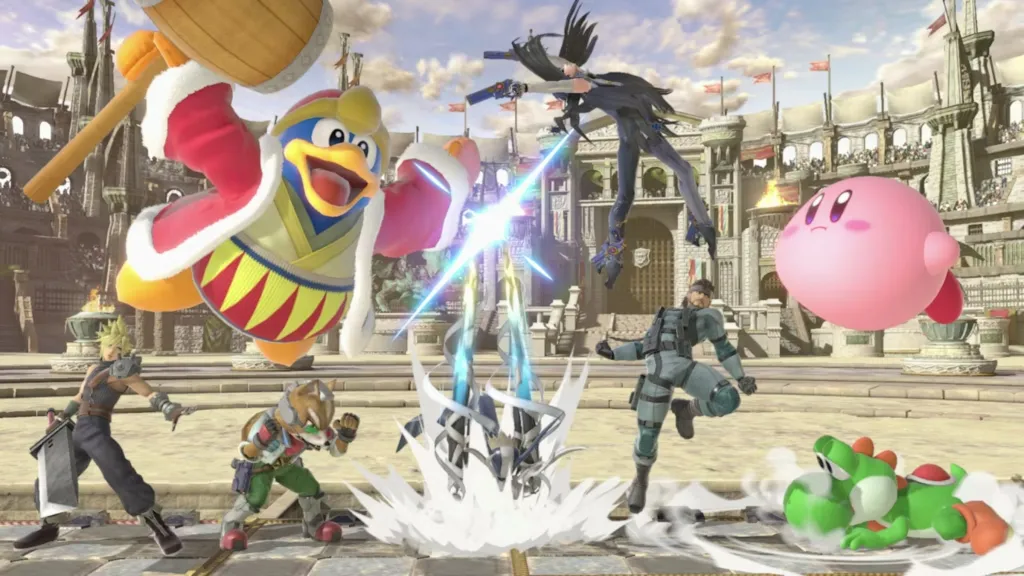
After it launched in 2018, Super Smash Bros. Ultimate continued the franchise’s hot streak. It’s become a regular title in esports competitions, a consistent success for Nintendo, and one of the most popular titles on the Nintendo Switch. The amount of love and attention paid to the title is still going strong, even 7 years later. That might also be why no formal sequel has been announced for the game. The seven-year gap between Super Smash Bros. Melee for the GameCube and Super Smash Bros. Brawl for the Wii has been the longest lull period in the series’ history up to this point, but that gap between Ultimate and the next entry in the series may be even longer.
While there’s been a Super Smash Bros. for every Nintendo home console since the N64, there hasn’t been any formal announcement or even confirmation that a new entry in the franchise is being developed for the Nintendo Switch 2. It’s possible that the title of Super Smash Bros. Ultimate was meant to be taken literally, that it was the final entry in the series. There’s certainly enough depth in the title to justify it having a longer shelf life than other titles, especially once all the DLC characters and stages are taken into consideration.
Notably, Masahiro Sakurai has spent the last few years working on Kirby Air Riders instead of a new Smash Bros. It’s hard to imagine Nintendo letting one of its most popular franchises go to waste, but that would be severely underselling the staying power of Super Smash Bros. Ultimate. The fact that it has already been 7 years since the game came out can be shocking to ponder. When it’s booted up, it still runs just as smoothly as it did before, with a focus on tight gameplay and vivid visuals that still pop. While I may have my hopes up that we get a sequel announcement sooner rather than later, there’s no denying that Super Smash Bros. Ultimate gave gamers more than enough content to keep them happy until that day comes.
Most Viewed
-
Image Courtesy of MAPPA -
Image Courtesy of Prime Video & Dark Horse Comics