Sometimes the best game in a genre is not the one dominating timelines or trending on streaming platforms, but the one quietly refining itself long after the marketing cycle has faded. In a landscape driven by launch hype and constant resets, longevity rarely gets the credit it deserves.
Videos by ComicBook.com
Enter Tom Clancy’s The Division 2, a rather old game now, with huge amounts of progress made in the background of plenty of AAA releases. While much of the audience moved on to said newer releases, The Division 2 continued evolving in the background through steady updates and meaningful system refinements that strengthened its foundation instead of replacing it. The best looter shooter right now may not be the one making headlines. You might not have thought about it in years, but it has quietly grown into something far deeper and more complete than most of its peers.
Even Without the Spotlight, The Divison 2 Never Stopped Growing After Launch
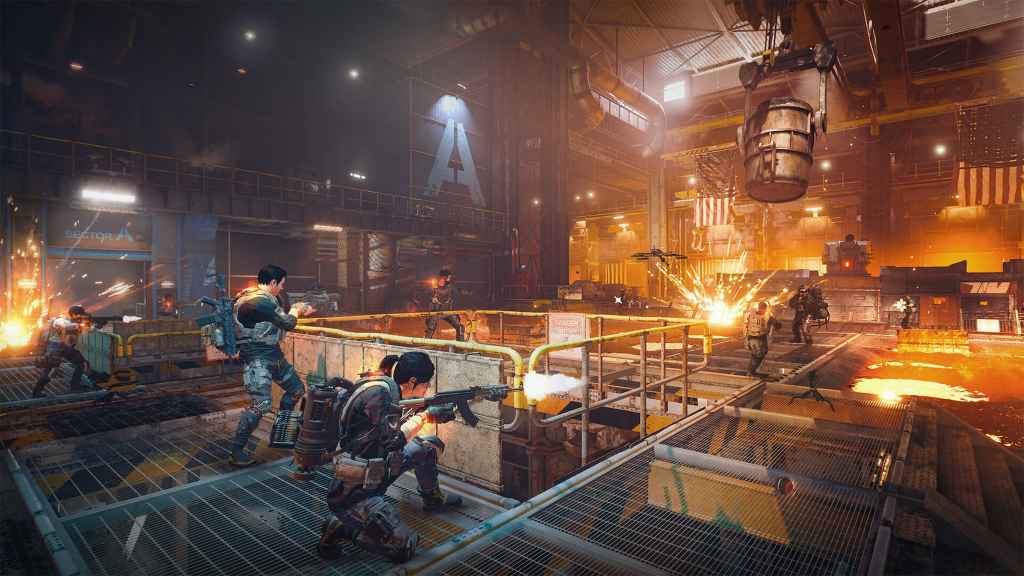
From the beginning, the Tom Clancy’s The Division series set itself apart with a grounded approach to the looter shooter formula that emphasized tactical combat and build identity. The Division 2 carried that philosophy forward, yet what truly defines it today is the consistency of support it has received well beyond its initial surge of attention.
Rather than reinventing itself every year to chase trends, the game steadily refined its core systems. Gear mechanics were reworked to encourage thoughtful build crafting, progression loops were adjusted to reduce friction, and seasonal structures were layered in a way that expanded the endgame without wiping away what came before. The result is a live service experience that feels iterated upon rather than constantly reset.

That long-term approach created a rare sense of stability within the genre. Many looter shooters struggle to maintain momentum once player counts decline, often resorting to dramatic overhauls or sweeping balance changes to shake up the core, fracturing their identity. The Division 2 chose a different path by strengthening its foundation piece by piece, which has allowed it to mature into a far more cohesive experience than it was at launch.
Years later, returning to the game reveals layers of polish and interconnected systems that simply did not exist in its early months. The spotlight may have shifted elsewhere, but development never truly slowed, and that persistence transformed it into a benchmark for sustained post launch growth.
The Endgame Depth Is on Another Level From Its Peers
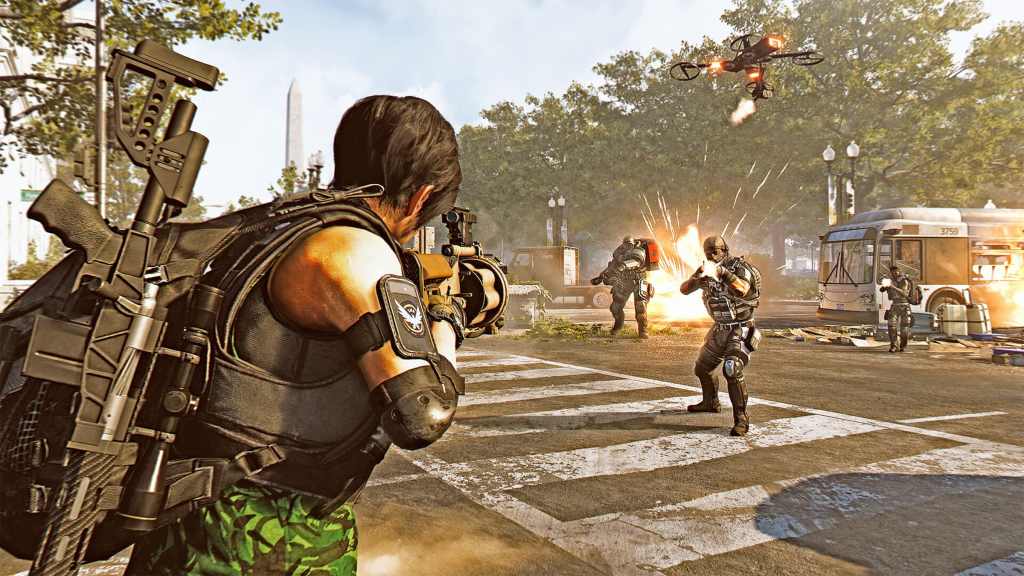
Where The Division 2 truly separates itself is in its endgame depth. Many looter shooters promise expansive build variety, yet their late-game loops often narrow into repetitive grinds with minimal strategic variation. Here, the interplay between gear sets, talents, and specialization choices creates a beautiful sandbox that feels dynamic, with loads of content to utilize said build variety in.
Different build paths encourage distinct playstyles that can drastically alter how combat unfolds, which keeps encounters fresh even after hundreds of hours. Skill-focused setups can control the battlefield through gadgets and abilities, while weapon-centric configurations reward precise positioning and mechanical mastery. These are basic build setups that have always existed in The Division 2, but the sheer volume of ways you can modify them to suit your fancy is genuinely impressive now. Loot shooters rarely reach this level of systemic interaction, which reflects the years of refinement rather than a single headline expansion, even though the game had one of these, too.

Seasonal updates further reinforce this depth by introducing new challenges and activities that integrate with existing systems instead of replacing them, ensuring there is continuous content to engage with. This gives purpose and meaning to your build craft, with each addition often expanding possibilities rather than invalidating prior progress. The result is a strengthened overall structure, and this continuity is a major reason the game feels more robust today than it did during its most publicized period.
The conversation around looter shooters often revolves around what is new rather than what is refined. Yet consistency and thoughtful iteration can outclass novelty in the long run. The best looter shooter right now is most definitely The Division 2. It may not dominate social media feeds, but it never stopped growing, quietly building an endgame ecosystem that now stands above much of the competition.
What do you think? Leave a comment below and join the conversation now in the ComicBook Forum!
Most Viewed
-
Image Courtesy of Netflix -

Courtesy of ENGI / Kadokawa / Sentai Filmworks