The Xbox 360 era saw some of the most iconic shooters of all time. These games were different from today’s shooters because they felt heavier, slower, and more deliberate. Movement carried weight, firefights unfolded methodically, and survival often depended on patience rather than reflex alone. Those games encouraged players to stop, assess the battlefield, and commit to decisions that could not be instantly undone. The rhythm of combat was built around tension rather than constant motion.
Videos by ComicBook.com
By the late 2000s, cover-based shooting had become the dominant design language of the genre. I still remember settling into long multiplayer sessions in Gear of War, where every encounter felt like a standoff. It wasn’t about running around the map, but waiting for the opening. Winning was determined by positioning more than accuracy. Cover-based gunplay helped shape an entire generation of shooters, but that philosophy is all but gone now.
Cover-based Gunplay Was The Biggest Thing
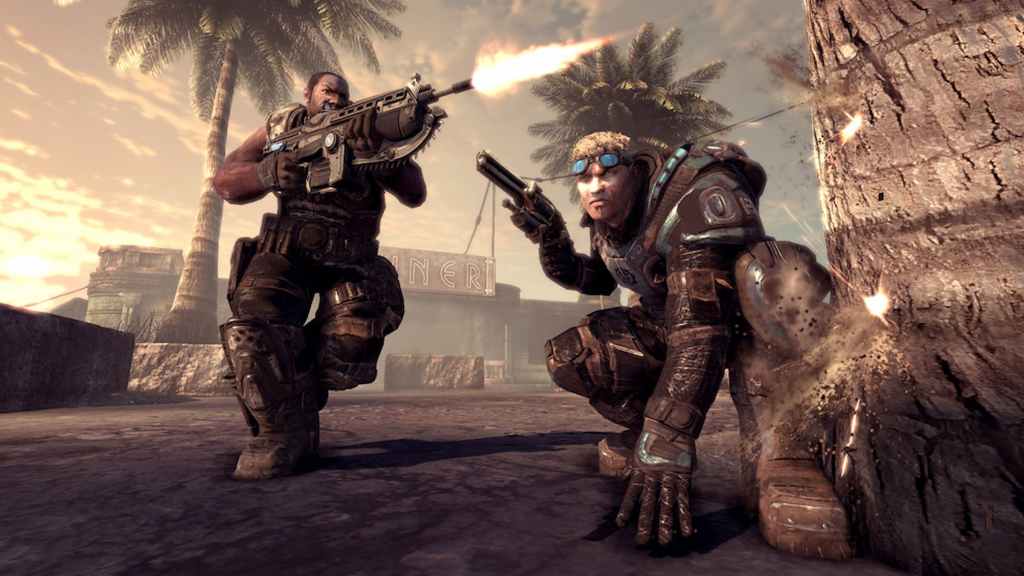
The Xbox 360 era marked a turning point for third-person and first-person shooters alike. The rise of cover-based gunplay fundamentally changed how combat encounters were designed. Instead of constant strafing and circle shooting, players were encouraged to anchor themselves to the environment. When you had to move, it was swiftly and from one piece of cover to another.
Games like Gears of War popularized the mechanic on a massive scale. Its sticky cover system, roadie run movement, and emphasis on suppressive fire redefined how shooters looked and felt. Firefights became tactical exchanges where leaving cover at the wrong moment could be fatal. This was wildly different from Halo and Call of Duty, where you were dead if you stopped moving.
The influence spread quickly. Mass Effect blended cover-based combat with RPG mechanics, allowing players to issue squad commands and control space. Even games that were not traditionally cover shooters, such as Max Payne 3 or Uncharted, leaned heavily into cinematic cover mechanics to support their pacing and presentation.
This design philosophy worked because hardware limitations and controller inputs favored it. Analog sticks were less precise than mouse aiming, and the cover provided structure. It slowed the game down to make encounters readable and intentional. For many players, this era represents a golden age of shooter pacing, one where gameplay was more tactical.
Today’s Shooters Are Too Fast Paced For Cover
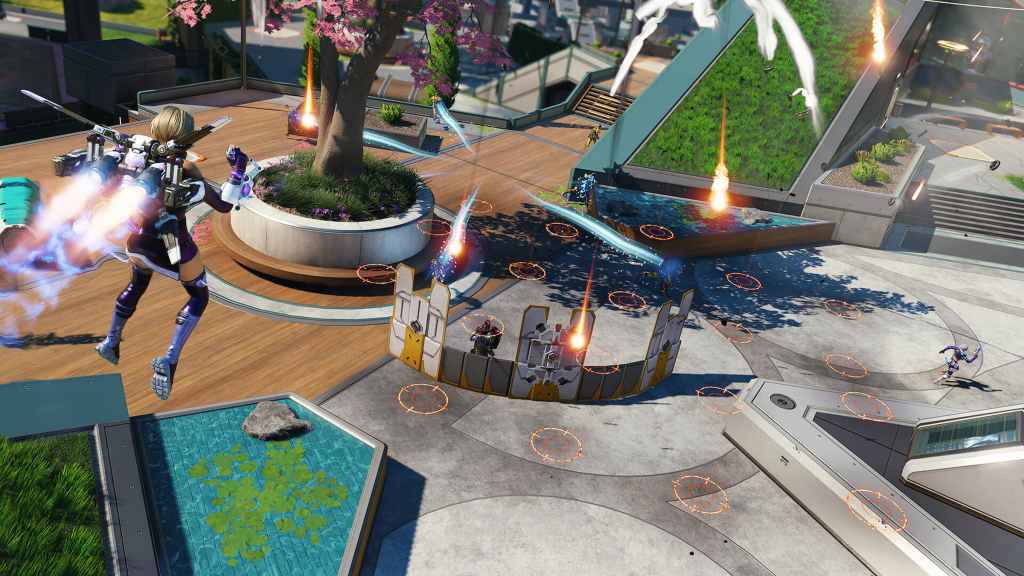
As the genre evolved, priorities shifted. Modern shooters favor speed, mobility, and constant engagement. Sliding, wall running, grappling hooks, and instant traversal tools now define the space. Games are designed around momentum rather than positioning. In that environment, traditional cover mechanics feel restrictive. Stopping to snap into cover breaks the flow and limits player expression.
Competitive shooters especially reward aggression and rapid repositioning. Standing still is often a death sentence rather than a defensive option. Battle royales like Apex Legends have taken this to the next level. Hero shooters also emphasize movement with special abilities that alter the battlefield. This shift has left cover-based shooters in the past.
This shift is not accidental. Streaming culture, esports, and short attention spans have all influenced design. Fast-paced shooters create highlight moments that are exciting to watch and easy to market. Slower, cover-focused engagements rarely produce the same spectacle. Old mechanics feel outdated both gameplay-wise and from the player’s perspective.
Players Only Use Cover For Peeking Now
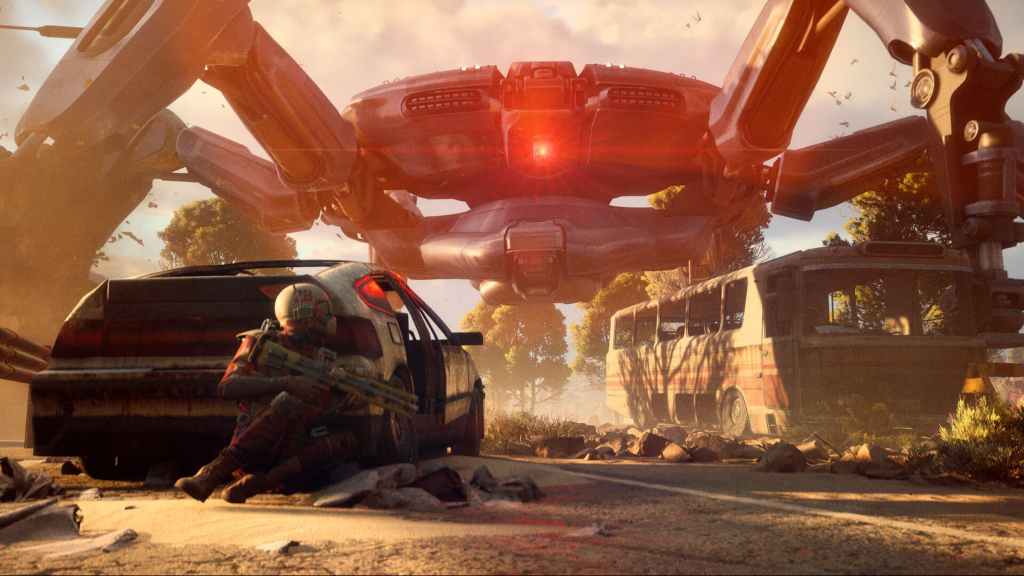
Cover has not disappeared entirely, but its role has changed. Instead of being a primary mechanic, it has become a situational tool. Players use cover briefly to reload, heal, or peek for information before moving again. This is especially true in modern tactical shooters and battle royale games. Cover is about line of sight control rather than sustained defense. Leaning, peeking, and shoulder checking have replaced full commitment to cover systems.
That said, slower gameplay could see a return. Gears of War: Reloaded and the upcoming Gears of War: E-Day are monumental in this revival. Then there is Arc Raiders, an extraction shooter that encourages players to move slowly and make tactical decisions. I hope this push is better implemented, as it brought a special kind of tension to shooters. Plus, the more deliberate gameplay is better for players like me who struggle with faster twitch shooters.
Ultimately, neither approach is better, but the disappearance of dedicated cover mechanics marks the end of an era. The Xbox 360 generation left a massive mark on shooter design, even if its most influential mechanic has quietly faded into the background. Looking back, it is striking how completely cover-based gunplay defined that period and how thoroughly the genre has moved on. It remains to be seen if it cover ever makes a significant return, but 2026 could be the most important year for this chance.
What do you think? Leave a comment below and join the conversation now in the ComicBook Forum!
Most Viewed
-
Courtesy of David Production