Live service games have taken on plenty of criticism over the years, and for good reason. Most of it has been pointed directly at their monetization models. Whether it’s battle passes or rotating cosmetics, players have learned to associate these games with constant spending pressure that annoys rather than enhances. Yet, monetization alone doesn’t explain why so many live service titles lose steam. The problem is deeper, built into the way these games misunderstand what truly keeps players around.
Videos by ComicBook.com
The best live service games should feel like worlds that grow, evolve, and reward a sense of permanence. When you log in after months away, your previous efforts should still matter in some way. You should feel like you’ve contributed to something that exists beyond a single session or patch cycle. That idea of continuity, of a world that keeps moving and a game that remembers you, is what makes live services special. The issue isn’t that developers want to make money; it’s that too many have forgotten why players wanted to stay in the first place.
The Endless Chase for Engagement

Modern live service games are trapped in an endless cycle of trying to keep players engaged. Developers scramble to push out seasonal updates and other various limited-time content designed to keep daily active users high. It’s a pattern that began as a business decision but has now become a creative crutch. The problem isn’t that these updates exist, but that they’ve become the entire identity of the genre. Instead of crafting experiences that naturally sustain interest, many teams focus on manufacturing engagement as the focal point, hoping the next shiny thing will hold players just long enough for the next shiny thing.
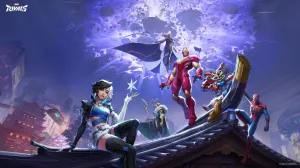
This constant chase creates burnout not only for developers but also for players. The sense of excitement that comes with a major update fades faster when players know another grind is waiting just around the corner. When the measure of success becomes how many minutes a player stays logged in rather than how memorable those minutes are, it’s no surprise that so many live service games eventually collapse under their own pressure.
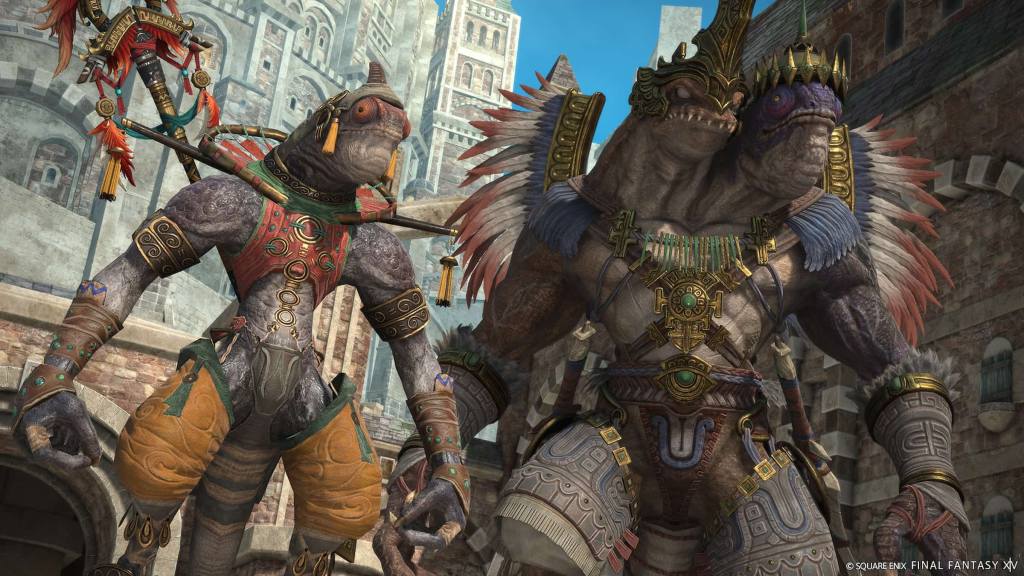
Yet, the concept of an evolving game world still holds unmatched potential. A live service done right is one where engagement isn’t forced but earned. Players come back not because they’re afraid of missing out, but because they’re genuinely curious about what has changed. Games like Final Fantasy XIV and Warframe have proven this works. These titles pile on content after content, but they also build upon what’s there, respecting your time and emotional investment. Engagement isn’t something you can patch in every few weeks. No. It’s something that grows naturally when the world itself feels worth returning to, but for some reason, many developers and the corporate overlords that oversee them do not understand this.
Content Over Connection: How Live Services Lost the Plot
The heart of a live service game should be its sense of connection: a leyline to the world, to the story, and to the community that fills it. But somewhere along the way, that core was replaced by a rush to deliver more content, faster than ever before. Developers promise massive expansions and showcase super flashy trailers, yet all too often these updates feel disconnected from what came before. Instead of building meaningful continuity, they chase novelty or momentary trends, leaving players feeling detached from the experience they once loved.
This obsession with quantity over quality has turned many live services into fragmented versions of themselves. Each update becomes a temporary distraction instead of a natural evolution. Players log in, consume the new event, and log off until the next one. What’s missing is a sense of permanence—the feeling that your time in the game today will still matter tomorrow. When the things you earn or the progress you make are constantly replaced or reset, the foundation of the live service promise begins to crumble, and a slow, painful death for the product often awaits.
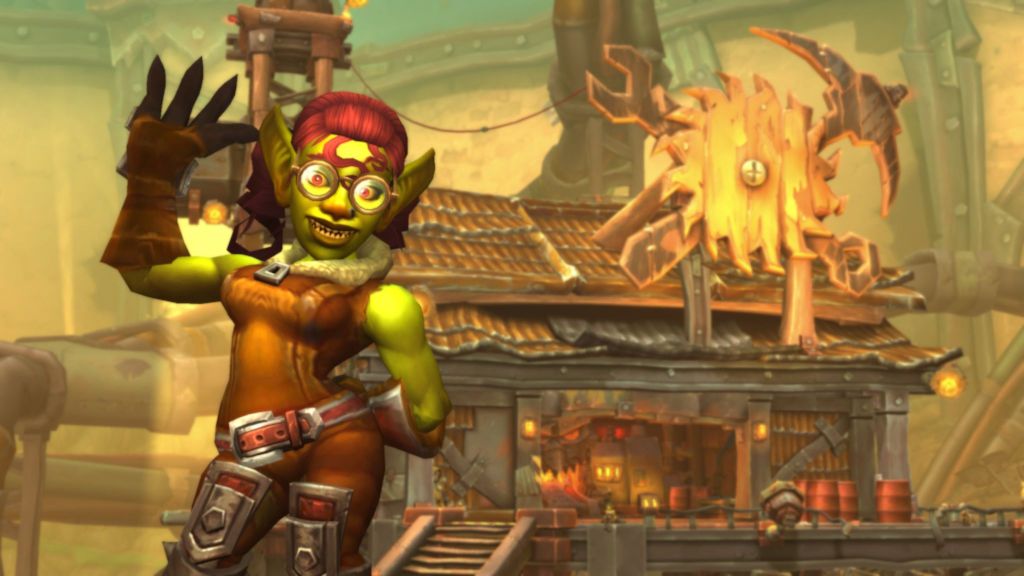
What makes a live service game thrive long-term isn’t just the content itself but how it all ties together. World of Warcraft, for instance, succeeds when it threads its expansions into an overarching narrative that feels continuous rather than disposable. The moments that linger are the ones that connect players to the game’s ongoing journey, not just its temporary rewards. WoW has proven itself as a title that can sustain its live service for many years now, yet it still suffers heavily from the engagement problem mentioned earlier. Both spectrums can exist in the same game, and that combination often leads to said game being a mixed bag rather than universally loved. Even so, the fact that WoW is the example here proves that developers who focus on cohesion, lore consistency, and long-term player progression end up creating legacy rather than just another content update.
What Players Actually Want From Long-Term Games
That leads us to discuss what exactly it is that players want from live service games. What players want from their long-term investment isn’t constant noise; it’s a sense of stability. They want to know that when they invest their time, it means something in the long run. They want to log in years later and see that the things they did still echo in some way. That kind of permanence is what gives live service games their identity. Players crave meaning in the persistence, not just new content to chew through, but proof that their contributions are part of a lasting whole.
At their best, live service games offer something that no single-player experience can: the ability to exist in a shared, ever-changing space. There’s something beautiful about logging into a game you’ve played for years and realizing that the world has grown with you. Maybe the cities look different, the people are older, and new players are discovering what you once did long ago. That’s the kind of emotional continuity that makes a live service special. When done right, it becomes a kind of digital home: one that evolves, but never forgets.
The future of live service games doesn’t depend on how much developers can sell, but how much they can sustain. The path forward is about rekindling the sense of belonging that once defined the genre. It’s about creating spaces that grow not just in size, but in soul. When studios learn to respect the player’s time as much as their money, they’ll rediscover what made these games magical in the first place and, ironically, earn more money in the process. A live service doesn’t have to be a machine built to consume engagement, and the sooner this lesson is rekindled by those who make them, the better for us all.
What do you think? Leave a comment below and join the conversation now in the ComicBook Forum!
Most Viewed
-

Image Courtesy of Marvel -

Image courtesy of Netflix -

Image Courtesy of Netflix -

Courtesy of Netflix -

Image courtesy of Prime Video