There is a growing problem in modern gaming culture that is impossible to ignore. I see it every time I watch a PlayStation showcase, a Nintendo Direct, or any other gaming-related stream. The gaming industry is bigger, and expectations are higher. And with the internet being more readily available than ever, there is a bigger scrutiny on upcoming and newly released games. Together, these have led to an increase in the negative ways gamers interact with developers.
Videos by ComicBook.com
The atmosphere in the gaming industry has shifted from questioning to outright hostility. I’m used to skepticism or cautious optimism, but now, players take every opportunity to trash a game, even if they’ve only seen a few minutes of gameplay through a reveal trailer. Gamers are calling a game doomed before it even launches, which negatively impacts its sales, sometimes even causing it to fail entirely. This isn’t to say every game fails because of bad press and negative word of mouth, but to completely write a game off without trying it has seemingly become the norm for a majority of people who supposedly love video games.
Gamers Are More Excited for a Game to Fail Than Succeed
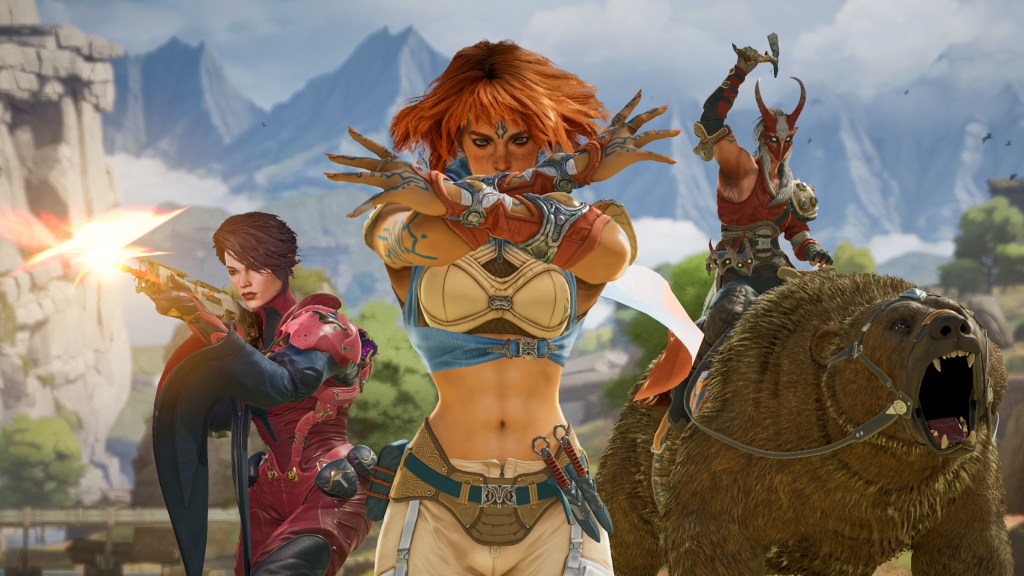
At some point, cheering for a game’s downfall became entertainment. Whether the cause is influencer culture, social media hot takes, or the algorithm’s hunger for negativity, the outcome is the same. The loudest voices online often seem to revel in failure. You can see this during any major livestream. It happened during the PlayStation State of Play when Concord was revealed. It happened during the Ubisoft Forward when Star Wars Outlaws gameplay was shown. And more recently, Highguard fell prey to this same toxic pattern when it was revealed as the closer for 2025’s The Game Awards.
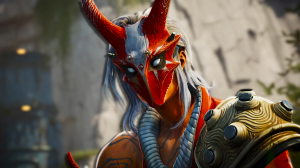
During these types of streams, the live chat scrolls by in a blur of dismissive comments. “Dead game.” “No one asked for this.” “Looks trash.” “Already failed.” “Woke.” These reactions appear within seconds, long before players have even seen the full gameplay loop, let alone touched the controller themselves. Somehow, within just a few seconds, gamers suddenly know whether a game is good or not. This culture of putting down games has overtaken a hobby that should be played for love and enjoyment.
This culture does not just hurt developers but gaming communities as well. It creates an environment where people are more interested in being right about a prediction than in enjoying something new. I’ve seen so many subreddits turn into debates about whether a game is bad or people are just hating on it because that is the popular opinion. Even when people prove they enjoy a game and it has its merits, these opinions are outright dismissed, and the hate keeps on going.
Sometimes Good Games Get Set Up for Failure

The most painful part of this trend is that genuinely good games get steamrolled by bad expectations, many times before they even launch. A title can have a strong core loop, fun gameplay, or a truly passionate development team, yet still collapse under the weight of online negativity. This perception death causes a game to be labeled as doomed, and it can be nearly impossible to recover from this. Several games have fallen to this negative practice, and many of them didn’t deserve it.
As much hate as it got, I genuinely enjoyed Concord. The biggest issue people had with the game was its character designs and $40 pricetag. The game was labeled “woke” and “uninspired” because of its character design, dialogue, and premise. But looking past that was a solid shooter that was fun to play, even in its beta phase. I admit I wished it had a stronger story and wasn’t a hero shooter, but the hate it received was way overblown, and it was a major part in the game failing. Had people given the game a chance, they may have discovered strong bones that could be strengthened through updates.
Star Wars Outlaws was unfairly judged on the reveal as well. People were more concerned about the protagonist’s appearance and hating on Ubisoft for actually acknowledging what looked to be a fun game. And at launch, sales were low, causing Ubisoft to cancel plans for it. But now, after several updates and DLC, the game is in one of the best places, and players are realizing it is a great game. If the hate train had slowed down during pre-launch and release, Star Wars Outlaws would be on a very different trajectory today.
And now Highguard is taking similar hits, with entire threads dedicated to predicting its failure before the game even launched. And with its release, the hate is only building despite many people praising it. Don’t get me wrong, Highguard deserves its criticisms and should have been an early access game, people are unfairly judging it. People are calling it terrible without fully understanding the gameplay loop. I understand providing feedback, but that criticism should be constructive, not destructive.
Why Do Some Gamers Hate Video Games So Much?
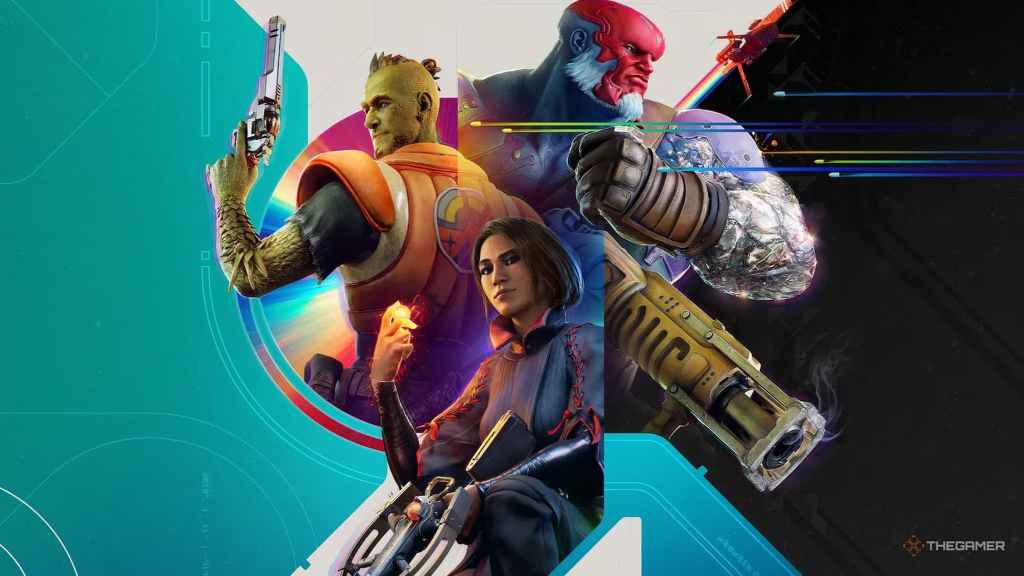
The question I keep returning to is, why does this happen? Why do so many gamers appear to dislike video games and want them to fail? Players are quick to jump into online streams or forums to bash games, often without even having played them. Critiquing is one thing, but the cynicism that is prevalent in today’s discussions goes beyond this. It just seems like some people aren’t happy unless a game fails, even if it’s one they have no intention of playing.
Part of it comes from being burned. Launch disasters like Cyberpunk 2077, inconsistent live service models, and rising prices have created a climate of distrust and frustration. These are valid to a degree, but this doesn’t give gamers cause to destroy a game before it even hits release. But this has become a popular practice, and the internet rewards this behavior. A negative post gets more engagement than a positive one. Influencers build entire brands around pessimism, and content creators who call a game dead in the thumbnail get more clicks. And these voices calling a game dead are often the loudest, even if they belong to a minority.
The thing is, no developer, at least a serious one, sets out to create a bad game. They want players to enjoy the worlds they build. But the culture surrounding game launches makes it harder for them to succeed. When audiences decide a game is bad before release, when livestream chats drown out excitement with mockery, and when negativity becomes the default, developers lose the chance to grow their communities naturally. This is not to say criticism is wrong because critique and player feedback are essential. Honest opinions help shape better games, but there is a difference between criticism and cynicism.
Unless gamers recognize their role in shaping this negative culture, the cycle of hate will continue. Developers will stop taking risks, and creativity will be stifled. Gamers don’t have to blindly praise a game, but they should give a title a chance before badmouthing it. It takes no energy to see a game, realize it isn’t for you, and move on without adding to the commentary. If this negative mentality continues, the gaming industry may face a problem it can’t beat, and the ones who will suffer for it most are gamers, those who partake in the destructive discussion, and those who don’t.
What do you think? Leave a comment below and join the conversation now in the ComicBook Forum!
Most Viewed
-

Image courtesy of Marvel Studios -

Image Courtesy of Netflix -

Image courtesy of Square Enix