Adventure is one of the most overused words in games, and somehow one of the most misunderstood. We throw it around for anything with a big map and a vague promise of freedom, but very few games actually earn it. Real adventure is not about size or spectacle. It is about curiosity and the feeling that the next decision you make could lead to something unforgettable or something disastrous.
Videos by ComicBook.com
That is why this headline exists, and why I will stand by it. Elden Ring is the best adventure game ever made, hands down, period, and it is not even close. I love Knights of the Old Republic. It played a massive role in shaping my taste in games and storytelling. But Elden Ring does something no other game has ever fully pulled off. It makes adventure the point, the mechanic, and the reward all at once, and it does so without ever begging for your attention or explaining why. That’s for you to figure out.
Elden Ring Understands What “Adventure” Actually Means
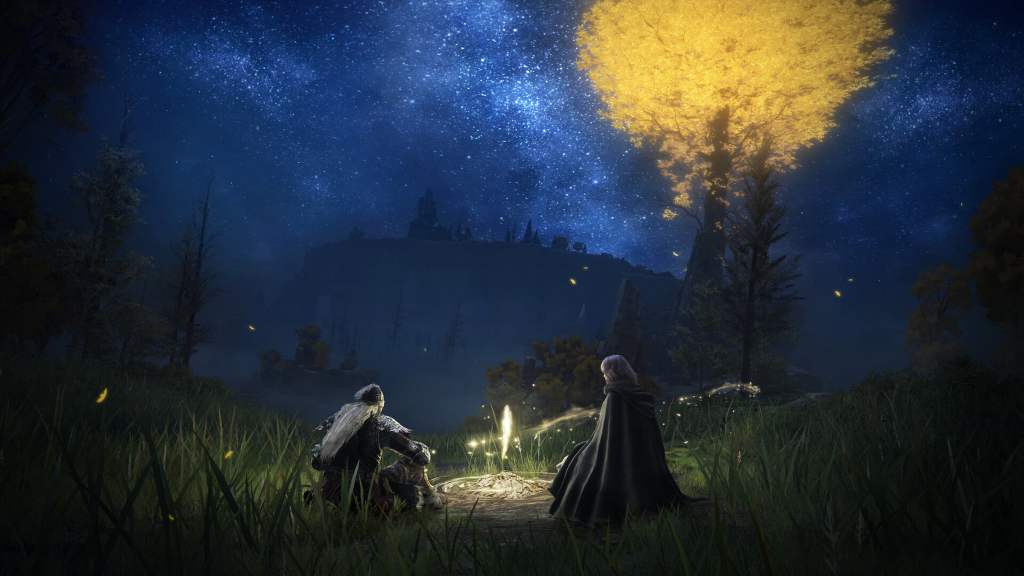
Adventure in an open-world game is not about checking boxes or following a guided tour. It is about stepping into the unknown with incomplete information and trusting the player to handle whatever happens next. Most modern open worlds are terrified of that idea. They mark everything, explain everything, and smooth out every sharp edge so no one ever feels lost. In the process, they strip adventure of its teeth and dull the very concept itself. A fallacy of the idea.
Elden Ring does the opposite, and that is why it works. The game drops you into the Lands Between with almost no context and even less direction. You are not given a checklist of heroic tasks. You are given a world that does not care if you understand it yet. That first moment of wandering, seeing something strange on the horizon, and deciding whether to investigate or run is the core of adventure, and Elden Ring builds its entire experience around that atmosphere. You never know what you’re going to run into, how, and what surprises may help or impede your way.
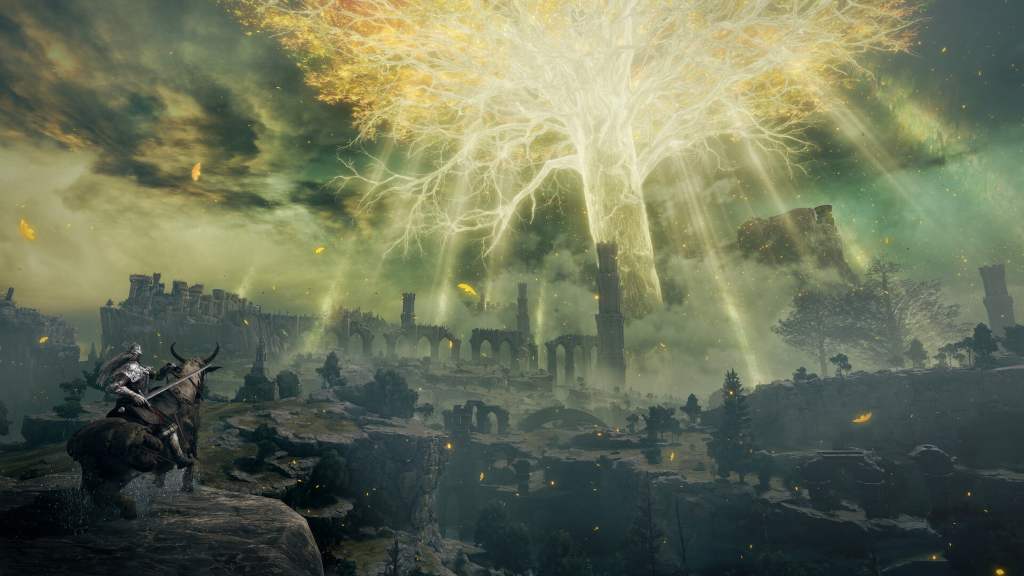
What makes this so important is just how practially nonexistance this aspect of the genre has become. Open worlds are supposed to feel unknown and uncertain, but most of them feel safe the moment you open the map. There’s an outpost that needs your help, very clearly, very cleanly listed on the map. The enemies are the fodder. You have options. You can totally sneak up on them. You can go in guns blazing. Doesn’t really matter because the threat is barely there anyway, so everything else surrounding it becomes systematic.
Elden Ring never gives you that comfort. You are always aware that curiosity can get you killed, and that makes discovery meaningful. Every dungeon found, every shortcut unlocked, and every boss defeated feels earned because the game never promised you success, nor did it give you the guide rails toward it. It simply gave you the chance to try.
A World That Doesn’t Need to Explain Itself
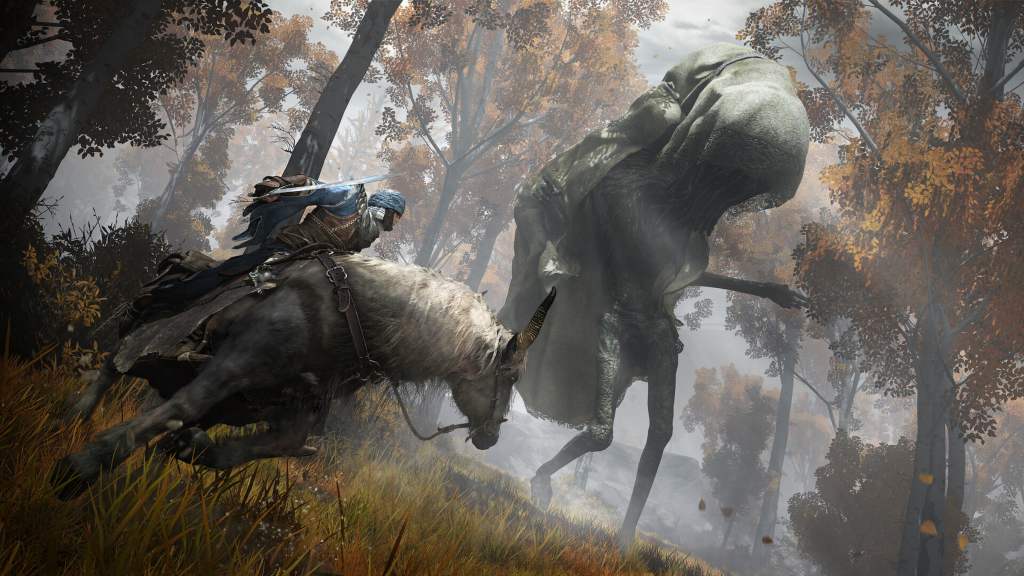
One of Elden Ring’s greatest strengths is its refusal to overexplain or overshowcase anything. The world exists whether you understand it or not, and that confidence is what makes it feel extraordinary. You are nothing more than a cog in an existence that began long before, and the game makes you feel that way the moment you start. You are not constantly stopped for exposition or guided through lore like a museum exhibit. Instead, the story is embedded in ruins, enemy placement, item descriptions, and the quiet spaces between fights, and it leaves the exposition up to you.
This matters a lot because adventure thrives on mystery. What kind of “adventure” exists when you already know everything you’re going to run into? When a game explains everything, it leaves nothing for the player to wonder about. Elden Ring trusts you to piece the puzzle pieces together on your own, or to ignore them entirely if you choose. You can spend hours chasing lore threads and hidden meanings, or you can focus purely on survival and exploration. Both paths feel valid, and neither is forced, but both are rewarding.

That trust further extends to the world design itself. The Lands Between are not built to funnel you toward the next big moment. They are built to tempt you. A distant tower in the backdrop, a massive glowing tree covering the skyline, or a terrifying silhouette in the fog is enough to pull you off your path, into a whole other narrative that clearly began long before you arrived. Sometimes that decision leads to wonder. Sometimes it leads to a brutal lesson in humility. Either way, the world responds honestly, and that honesty is what elevates Elden Ring above everything else.
When I look back at my time with the game, the moments that stand out are not scripted set pieces. They are personal stories. Getting lost in an unfamiliar region far earlier than intended. Accidentally stumbling into a boss that felt impossible, only to come it with sheer will and ingenuity. Finding a hidden area made me stop and just take in the view. These are adventure stories, not designed moments, not scripted moments, not on a checklist, and that distinction is everything.
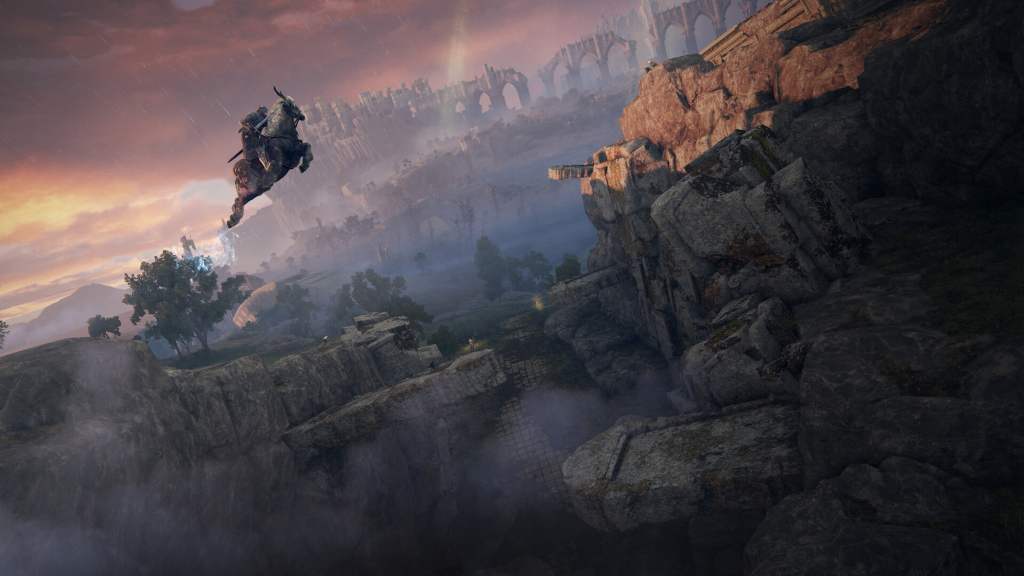
Elden Ring sits at the pinnacle of open-world adventure because it understands that freedom without risk is hollow. It understands that discovery means nothing if it is pointed out and guaranteed. And most importantly, it understands that players want to feel like explorers, not tourists. This is not just the greatest Souls game or the most impressive open world. It is the purest expression of adventure the medium has produced so far in the history of its existence. Until another game is brave enough to trust players this completely, Elden Ring towers on the mountaintop, the rest of the genre lost beneath its shadow.
What do you think? Leave a comment below and join the conversation now in the ComicBook Forum!
More Gaming
-

Courtesy of Epic Games