The soulslike genre has exploded in popularity over the last decade, with developers eager to capture the magic that made FromSoftware games so successful. We have seen some incredible titles, but few manage to break from the formula established by Demon’s Souls and Dark Souls. Lies of P, Nioh, and, more recently, Valor Mortis have shown that it is possible to take inspiration while creating a unique experience. But for me, one soulslike stands out, and it is a shame that three years later we still do not have the final game to complete the trilogy. This game took a completely different approach, trading impactful melee combat for satisfying soulslike shooting.
Videos by ComicBook.com
Remnant: From the Ashes was released in 2019, but it was the sequel, Remnant II, that solidified it as my favorite soulslike series. Both games utilized a combination of hardcore third-person shooting and soulslike mechanics, but the sequel absolutely expanded nearly every aspect of that foundation. Both games deserve more recognition for their contributions to the genre, particularly given how successfully they blend cooperative gameplay, challenging encounters, and exploration. Sadly, Gunfire Games and THQ Nordic have not shared anything that sounds like a third game is on the way, which feels like a missed opportunity.
Remnant Proved Soulslikes Don’t Need Swords to Succeed
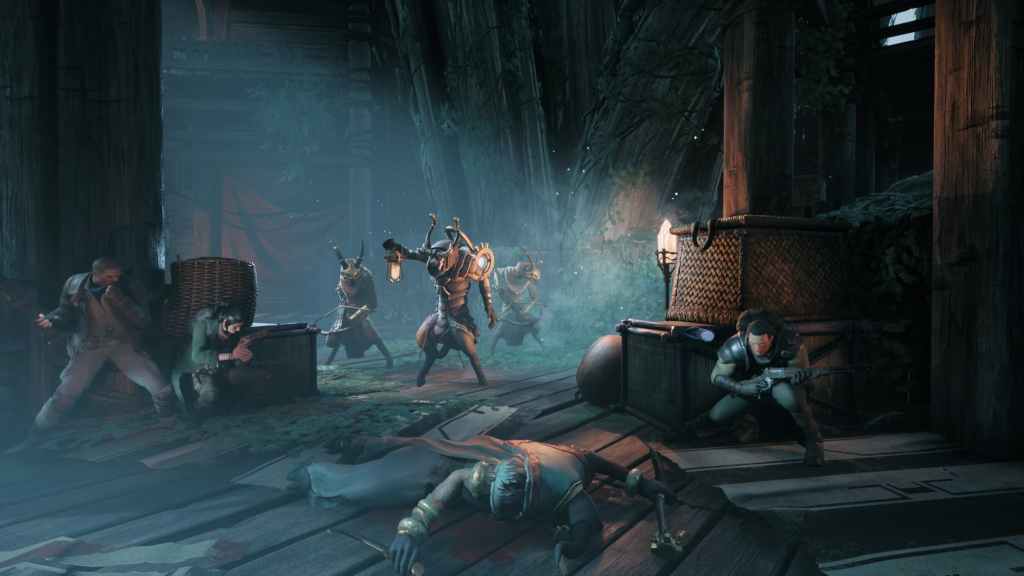
Released in 2019, Remnant: From the Ashes arrived at a time when soulslike games were becoming increasingly common. Rather than simply copying FromSoftware’s approach, Gunfire Games replaced traditional melee-focused combat with third-person shooting. It maintained the dangerous environments, challenging enemies, and deadly bosses. Dodging attacks and learning enemy patterns remained essential, but having a gun fundamentally changed how encounters played out. The result was something that was familiar but different in the most important way.
One of the original game’s greatest strengths was its cooperative multiplayer. Up to three players could explore its dangerous worlds together, combining different weapons and abilities to overcome challenging encounters. The procedurally generated elements also encouraged repeated playthroughs with different encounters, dungeons, and rewards appearing across campaigns. It also allowed players to experiment with builds upon each return.
But the original game was far from perfect. There were frustrating enemies, especially bosses that relied heavily on additional enemies to increase difficulty. But the core gameplay was incredible and strong enough to carry the game. The shooting mechanics felt so natural with the soulslike elements that, after it launched, it was a surprise no one had tried it before. Gunfire Games had found an identity that separated its creation from the growing number of competitors chasing FromSoftware’s success.
Remnant 2 Improved on Nearly Everything
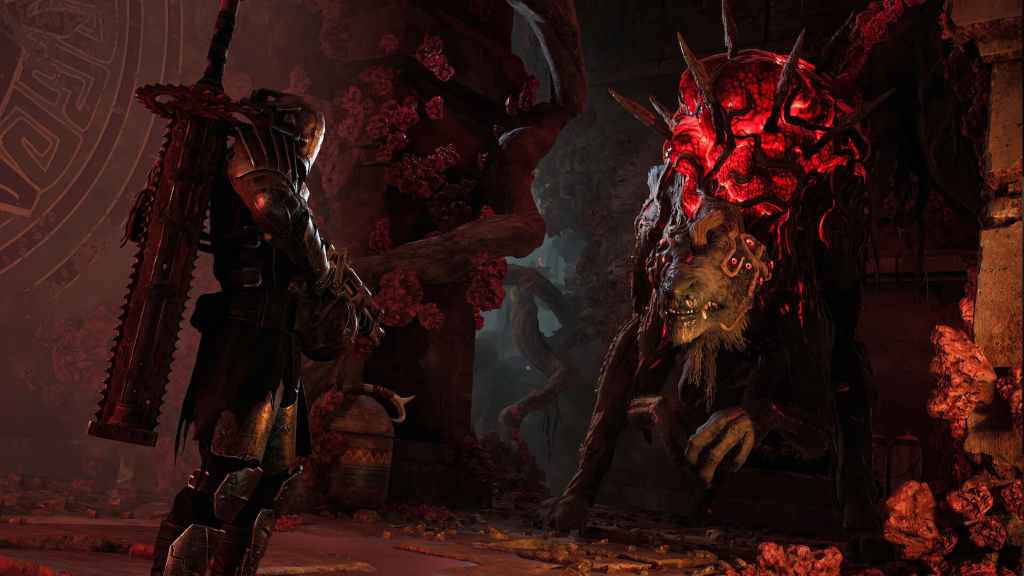
When Remnant 2 launched in July 2023, Gunfire Games proved that a shooter soulslike wasn’t just a one-hit wonder. The sequel expanded the original’s ideas with more elaborate environments, improved combat encounters, and a deeper character progression system. The Archetype system allowed players to develop specialized builds and even match two Archetypes. Whether focusing on damage, support, or survivability, there were numerous ways to approach difficult encounters. I found myself surprisingly enjoying a sniper build even as someone who doesn’t typically play snipers.
But the best part was the distinctive worlds with branching storylines and hidden discoveries. I loved exploring the world and uncovering its secrets. Gunfire Games expanded this with three major DLCs: The Awakened King, The Forgotten Kingdom, and The Dark Horizon. These additions expanded the game’s environments, enemies, equipment, and challenges. Remnant 2 proved to be an incredibly ambitious sequel, and it worked.
It did so by preserving the identity of the first while addressing the shortcomings of the original and introducing new systems. Discovering unusual weapons, experimenting with different Archetype combinations, and tackling difficult bosses kept me invested far longer than I initially expected. But most important was that the game never felt like it was merely imitating Dark Souls or Elden Ring. Gunfire Games understood the fundamentals of the genre and translated them perfectly to a shooter.
Remnant 3 Could Complete an Exceptional Soulslike Trilogy
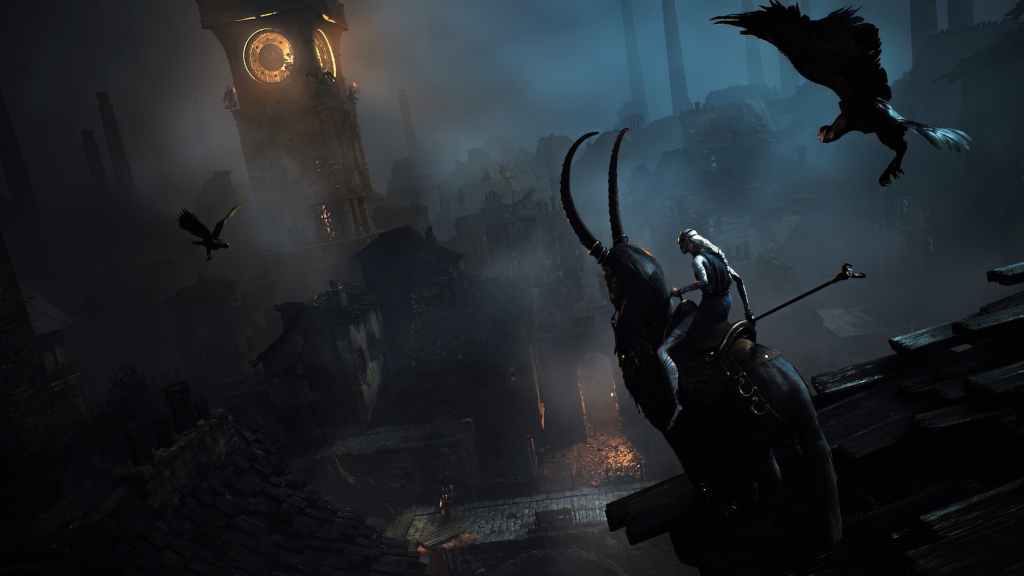
Despite the positive reception of Remnant 2, a third mainline game has not been officially announced. This obviously doesn’t mean Gunfire Games intends to abandon the series, but it does leave me wondering what is next. Given how much the sequel improved upon the original, another installment could represent an even greater evolution. Gunfire Games already has a strong foundation, and a third entry wouldn’t need to reinvent everything. Instead, it could refine the systems that worked, expand build diversity, and introduce even more ambitious worlds and boss encounters.
There are several directions a potential Remnant 3 could explore. I’d love to see more dynamic environments, additional Archetypes, and expanded co-op. The unusual worlds could be continued, or Gunfire Games could introduce new ones. Either path would allow for more creative enemy and puzzle designs. I’d also love to see more bosses that demand coordination between players and some more unique mechanics.
Ultimately, I want another Remnant because there simply aren’t enough soulslike shooters offering this particular combination of challenge, exploration, and cooperative gameplay. Gunfire Games is likely busy with Darksiders 4, but the studio has to return to the series and complete the trilogy. There is no guarantee Gunfire Games will deliver another sequel, but after experiencing how much the franchise has improved, it deserves one more opportunity to surprise us.
More Gaming
-
Image Courtesy of Stubby Games -

Image Courtesy by Sony