The soulslike genre has become one of the most popular in all of gaming, and it is largely thanks to FromSoftware. Demon’s Souls was the first, but it was Dark Souls that made it iconic and Elden Ring that pushed it to new heights. Even outside of this, Bloodborne and Sekiro: Shadows Die Twice put new twists on the genre, showing just how versatile and skilled the studio was. The influence of FromSoftware has led many other developers to try creating their own soulslikes as well.
Videos by ComicBook.com
However, there is no doubt that there is a downside to FromSoftware’s success. Sure, its work inspired other developers to create their own soulslike games, but it is very rare to see one of these titles succeed in the way that FromSoftware does. While some have become breakout hits like Lies of P, so many fall to the side. This is because they are held to the standard and high expectations that come from a soulslike game created by FromSoftware. This has made it almost impossible to stand out in a genre filled with so many legendary games by a single name.
The Soulslike Standard Is Too High
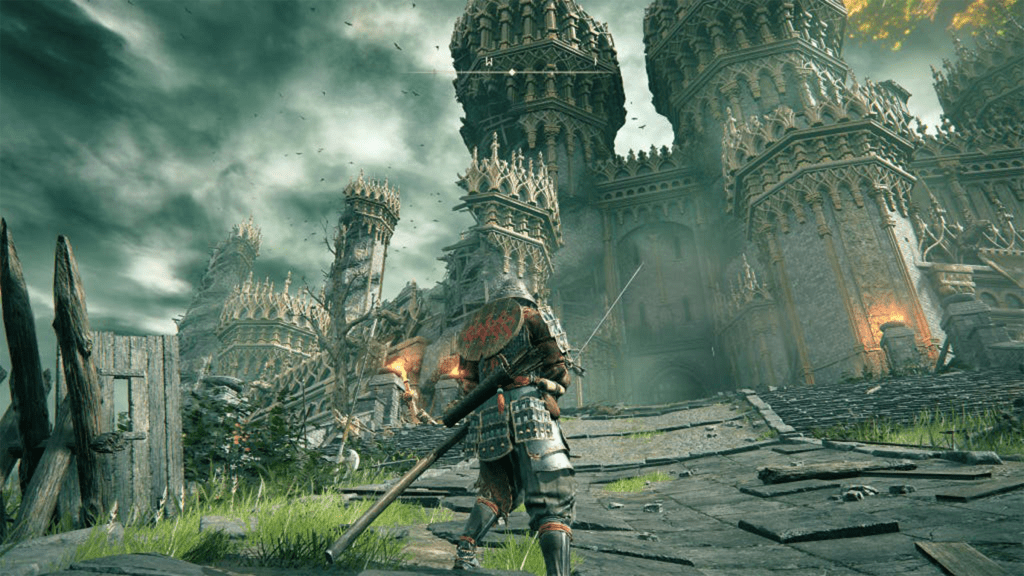
FromSoftware built the soulslike genre through years of iteration, starting with Demon’s Souls and refining the formula through Dark Souls, Bloodborne, and culminating in Elden Ring. Each release improved upon the last, creating a library of games that feel polished and deliberate. That consistency is what makes their work so respected; players trust that each new release will deliver a certain level of quality.

The problem is that other studios do not have the same history or resources to fall back on. When a new soulslike game not by FromSoftware launches, it is immediately compared to the best entries in the genre. Even small issues with combat, level design, or performance can overshadow everything a game does well. I have played several titles that had great ideas and were genuinely good games, but were dismissed quickly because they did not meet expectations set by FromSoftware.
This pressure has real consequences. Recent examples, such as Wuchang: Fallen Feathers and Khazan: The Last Berserker, highlight how difficult it is to survive in this space. Both projects showed promise, yet their teams faced cutbacks and closures after struggling to compete in a now oversaturated market. It is a reminder that success in this genre is not just about making a good game. It is about matching a legacy that few can realistically achieve.
Few Studios Innovate Enough To Stand Out
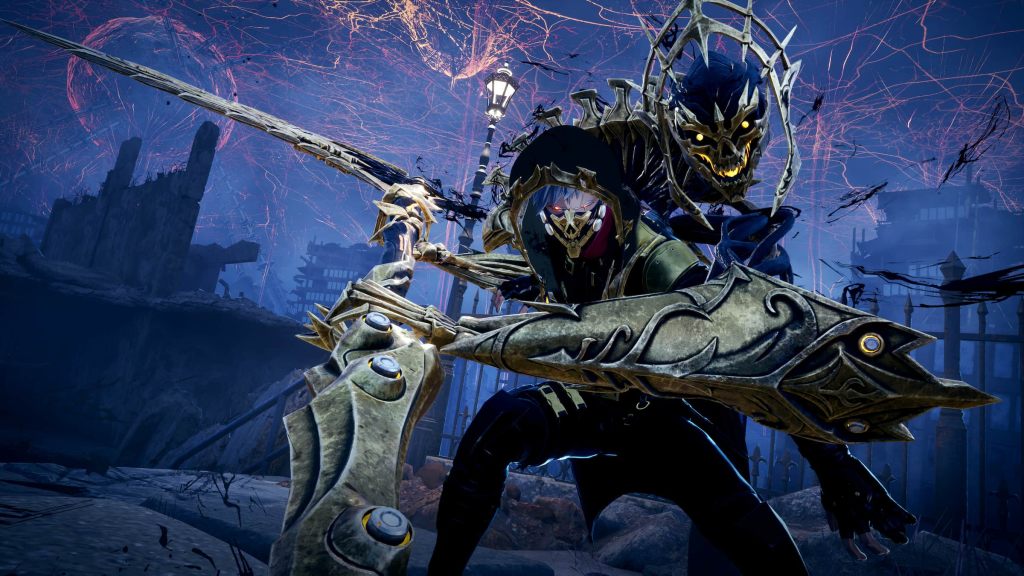
One of the most frustrating trends I have noticed is how often new soulslike games feel overly familiar. Many developers stick closely to the established formula, replicating mechanics instead of building on them. It is understandable, as developers likely want their games to succeed and aren’t afraid to stray too close to what makes FromSoftware games so good. When players expect a certain experience, it feels safer to deliver exactly that rather than take risks.
However, that approach can lead to stagnation and repetitive games that cannot match the source material. The genre thrives on tension and discovery, yet it loses some of that impact when every game follows the same structure. That sense of familiarity can be comforting, but it also limits the genre’s potential. When I discover a game like Code Vein 2 that implements something new, the experimentation feels so much more rewarding.
FromSoftware itself has experimented within its own framework. Sekiro: Shadows Die Twice introduced a heavier focus on parrying and removed traditional RPG elements. Elden Ring expanded the formula into an open world. These changes worked because they came from a deep understanding of the genre. Other studios often feel hesitant to push boundaries, and that hesitation keeps the genre from evolving in new directions.
Soulslike Fans Pay the Price
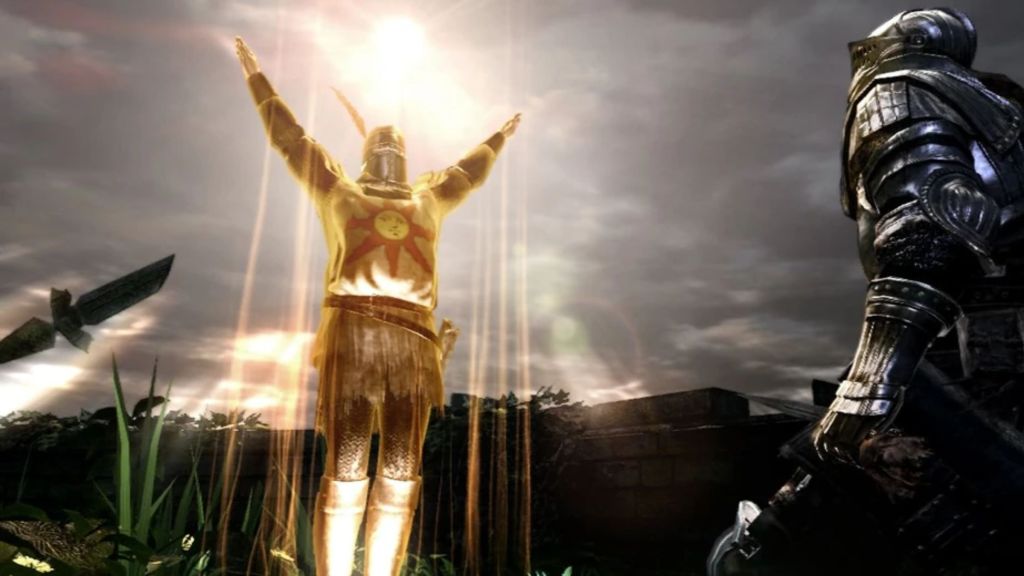
The dominance of one studio in a genre can create an uneven playing field. FromSoftware’s success has led to massive expectations from both players and publishers. When a new soulslike is announced, it is often judged before it even releases, and often compared to the best games in the genre. That kind of pressure can shape development in ways that are not always healthy.
I think about how difficult it must be for smaller teams to compete. Budgets are tighter, timelines are shorter, and there is less room for error. When a project fails to meet expectations, the consequences can be severe. The closures and cutbacks tied to recent soulslike projects show how risky this genre has become. It is no longer just about creativity, but survival. So, it is no wonder developers are less willing to risk experimentation.
As a result, players miss out on variety. If studios are afraid to experiment, the genre becomes narrower and begins to feel like a FromSoftware-shaped tunnel. I want to see more diverse interpretations of the soulslike formula. I want games that take risks and explore new ideas, even if they do not land perfectly. That is how genres grow and stay relevant over time.
FromSoftware’s influence is undeniable, and it has given us some of the best games ever made. But that same influence has created a challenging environment for everyone else. The soulslike genre is stronger because of its origins, yet it is also limited by them. If it is going to thrive in the future, developers need space to innovate without being held to an impossible standard.
What do you think? Leave a comment below and join the conversation now in the ComicBook Forum!
More Gaming
-

Courtesy of Ghost Story Games -
Image Courtesy of S-Game Publishing -

Image Courtesy of Ubisoft -

Image Courtesy of Dotemu -

Courtesy of Electronic Arts