The current gaming industry is reckoning with the fallout of over-eager investment during the height of the Pandemic era. While gaming thrived during the lockdown period, a return to normalcy in mainstream life has resulted in lots of publishers and companies being forced to make hard decisions for the future of their companies. One of the most contentious situations has been the one going on over at Ubisoft, which has seen several veteran developers departing the company.
Videos by ComicBook.com
The company is striving to restore its reputation in the eyes of developers and gamers, all while making serious changes to its modus operandi. However, they also seem to be investing in the overwhelming development strategy that got them into this situation in the first place, with several mainline franchises getting multiple games at once. Ubisoft needs to find the balance between their old plans and their new strategy if they want to really land a big hit.
Why Ubisoft Is Cancelling So Many Games And Laying Off Employees
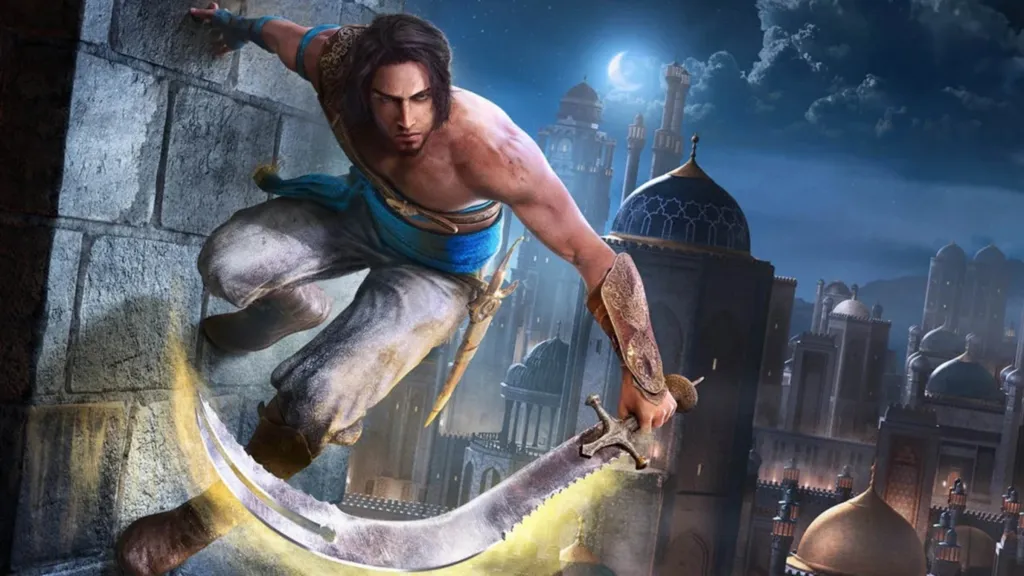
Ubisoft had to shutter multiple games this year, but their apparent plans seem to be doubling down on the idea that led to those cancellations. In an interview with Variety, Ubisoft CEO Yves Guillemot explained that the game publisher was surprised by a weaker sustained demand for new titles in a post-pandemic marketplace. Having committed to several projects in this period, this eventually spurred Guillemot and the rest of Ubisoft’s leadership to downsize many of the teams amid a larger restructuring of the company. This has resulted in 200 proposed voluntary staffing reductions, with the potential for more layoffs in the future.
On top of that, several game cancellations that impacted major franchises like Prince of Persia and may have been the death knell for other series like Watch Dogs. “Following the post-COVID period, the industry grew very quickly, anticipating sustained demand that didn’t fully materialize,” Guillemot explained. “On our part, this led to too many projects and increased complexity. Our priority today is to build a more focused, agile company, with stronger teams that strike the right balance between senior expertise and young talent, and who are well positioned to deliver the highest quality games.” This would seem to suggest that Ubisoft is going to be more judicious with development cycles, likely cutting down the number of games that are in active development at any given time.
Ubisoft Has A Lot Of Games In The Works Despite Planned Reductions
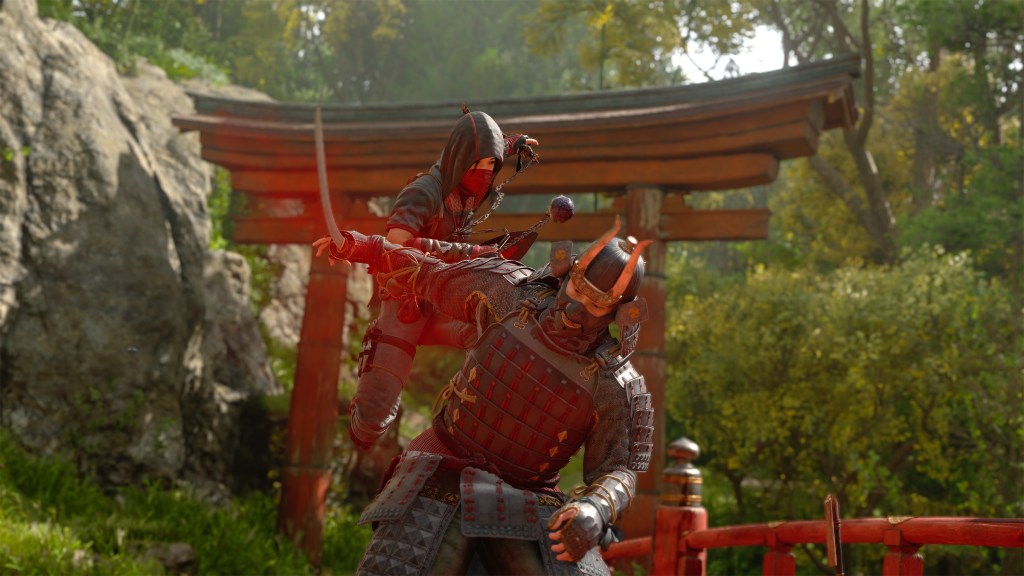
On the surface, this would suggest that Ubisoft is taking a more principled approach to its gaming plans for the foreseeable future. While they’ve confirmed that several franchises are still set to move forward with new titles, a more conservative approach to greenlighting titles wouldn’t be surprising. However, that also flies in the face of other major developments from the company, which suggest that Ubisoft is moving forward with multiple games at once for two of their biggest IP.
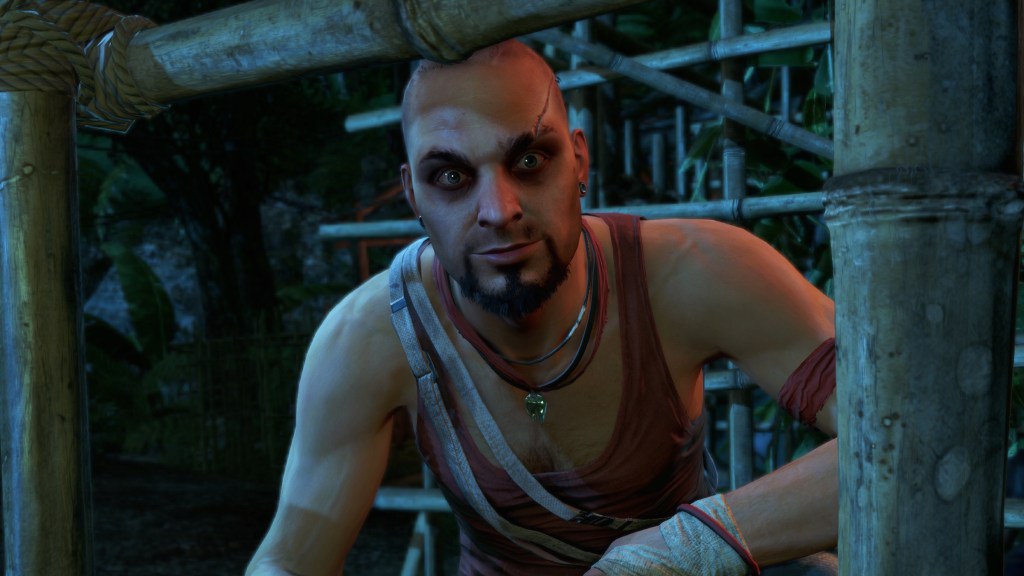
Elsewhere in the interview, Guillemot revealed that Ubisoft’s collaboration with Tencet has created Vantage Studios, which already has two Far Cry games — the next mainline entry and a potential multiplayer experience — as well as several Assassin’s Creed titles in development. While the continued success of those franchises makes the announcement of future games unsurprising, it’s still strange to see Guillemot explaining away multiple cancellations and departmental downsizings while also hinting at lots of games being in active development at the same time.
Ubisoft Needs To Be Careful To Not Repeat The Mistakes That Got Them Into Trouble
Ubisoft is one of gaming’s biggest companies, with some truly epic franchises under its larger umbrella. However, despite the success of recent games like Assassin’s Creed Shadows, the company has been facing backlash internally and from fans over the direction of the company. Ultimately, more big hits will help quiet any dissent, so they must deliver on some of their biggest franchises. However, overextending with too many games might be asking for trouble. That’s what Guillemot is arguing got the company into such a tough spot in the first place, as overinvestments in a marketplace that became less open-ended with the end of pandemic-related lockdowns resulted in lots of development dollars being spent on games that will never see the light of day.
If they want to win some goodwill back from the industry and the larger player communities, Ubisoft needs to find a way to deliver on their promising library of strong franchises. Multiple games in big franchises might be able to attract some attention and quick money, but they won’t be the overwhelming successes Ubisoft is clearly banking on unless they get dedicated time for development and support from the company. If Ubisoft begins having too many irons in the fire at any given time, they could find themselves repeating the circumstances that got so many games cancelled and so many developers let go.