Many of Ubisoft‘s recent games have flopped in the eyes of fans, with a variety of anticipated and promising titles falling into heavy criticism or disapointment. From Assassin’s Creed Shadows, Star Wars Outlaws, Avatar: Frontiers of Pandora, and Skull and Bones, the 2020s have not been kind to Ubisoft in almost any way. That being said, one underrated gem released into their library over the last five years deserves some praise, at it creates an incredible twist on a unexpected series.
Videos by ComicBook.com
The biggest news from Ubisoft recently is how six of their upcoming game projects were unceremoniously cancelled, much to the anger of fans. Among the discontinued works was the remake for Prince of Persia: The Sands of Time, the fan-favorite 3D platformer from the PS2 era. Ironically, despite Ubisoft’s decision to discard that series in 2026, efforts to create a spin-off a couple of years ago led to perhaps their best game in a long time.
Prince of Persia: The Lost Crown Is One Of Ubisoft’s Most Polished Games Of The 2020’s
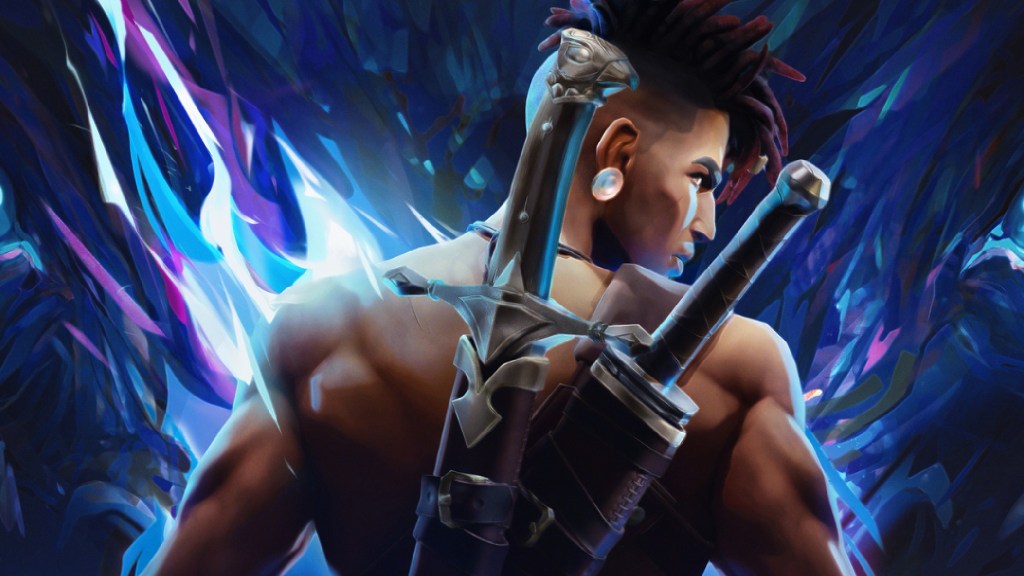
2024’s Prince of Persia: The Lost Crown is a Metroidvania that adopts some of the mechanics seen in The Sands of Time, while crafting an entirely new experience for fans. Every aspect of this game’s world is inspired by Persian culture and folklore, with unique biomes and stylized regions that make traveling to new environments exciting at every step. Mount Qaf is host to a variety of mythological sights, from classical monsters and creatures to fight to impressive ruins and puzzles within awe-inspiring landscapes.
The platforming of this game is on par with others in its genre, acting akin to Hollow Knight: Silksong‘s intense difficulty by making moment to moment jumps tougher than other Metroidvanias. Precision, timing, and dynamic changes to zones all make mastering movement in Prince of Persia: The Lost Crown feel truly satisfying after you unlock new skills. The abilities you get in this game are impressive too, with time-altering powers greatly affecting both combat and platforming depending on how you choose to build the main character.

Every inch of this game oozes polish and refinement, especially in its world. Much like Ori and the Blind Forest, this Metroidvania has a smooth aesthetic that enhances every part of its setting through a pleasing artstyle that never gets old from start to finish. Backgrounds are alive and animated, giving a sense of scale that befits a Metroidvania, while the effects behind dashing, attacking, and mystic powers only add to the epic nature of Prince of Persia: The Lost Crown‘s complete adventure.
Stylish Metroidvania Action & Exploration Make Prince Of Persia A Stand-Out In The Genre

The combat of Prince of Persia: The Lost Crown also elevates it compared to other Metroidvanias that have come out in recent years. Parries, super moves, and juggle properties on enemies make this game feel more like Devil May Cry or Hi-Fi Rush at times, giving players a surprising amount of creative freedom in how they stylishly approach enemies and bosses. Creating unique combos to defeat enemies creates a variety of memorable moments as you unlock various modifiers to your attacks through equipped items.
Some RPG elements also help this game feel more dynamic than others in its genre. For starters, there are limited options for which talismans the main character can hold onto at once, limiting the number of passive bonuses you have at a given time. Similarly, only a few time-based powers can be used at once, requiring you to mix and match your favorites to benefit your play style in combat. The right build in Prince of Persia: The Lost Crown gives you a sense of personalization to your journey, giving a greater sense of immersion than you’d expect.
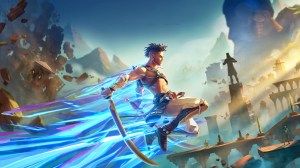
Acting almost like a blend between a solid Metroidvania and a in-depth action game experience, this title has plenty of reasons to 100% complete it. Unique secrets and puzzles throughout various levels encourage replays to certain biomes, with the strongest powers in the game locked behind unique currency you only get through platforming challenges. Hidden paths and combat trials also help expand this title’s experience for players who want to investigate it top to bottom.
When you look at this game compared to the messy UI, undelivered promises, or lack of polish on Ubisoft’s other games in recent memory, it reaches a status that fans could not have been able to predict. In a lot of ways, the lack of expectations behind Prince of Persia: The Lost Crown gave it the freedom to shine as perhaps Ubisoft’s biggest gem from the 2020’s era of modern gaming.
Have you had a chance to try Prince of Persia: The Lost Crown before? Leave a comment below or join the conversation in the ComicBook Forum!
Most Viewed
-

Image Courtesy of TOHO -

Image Courtesy of Crunchyroll -

Image courtesy of Marvel Studios -
Image Courtesy of Marvel Comics