The very nature of the video game industry — and the sheer scale of new releases that players experience every year — means that some genuine classics are going to get overlooked. The cost of game development means even modest successes might not move the needle. Despite unique touches or creative world-building, even positive critical appraisal and heaps of awards don’t guarantee that a series, especially a new one, is going to connect enough with an audience to become an enduring hit.
Videos by ComicBook.com
That was exactly the fate of Capcom’s Viewtiful Joe series, which debuted in 2003 as a GameCube exclusive before being brought over to the PlayStation 2. The cartoonish-looking beat ’em up was a truly unique title, building on generations of gameplay mechanics while finding new elements to spice things up. The game was a personal favorite, a delight to play, and a critical darling that managed to perform well financially — but not well enough, as the series has more or less been dormant for two decades. It’s been over twenty years, and I’m still mad that Capcom has never really seemed all that interested in reviving one of their most unique franchises.
Viewtiful Joe Was Too Good For This World
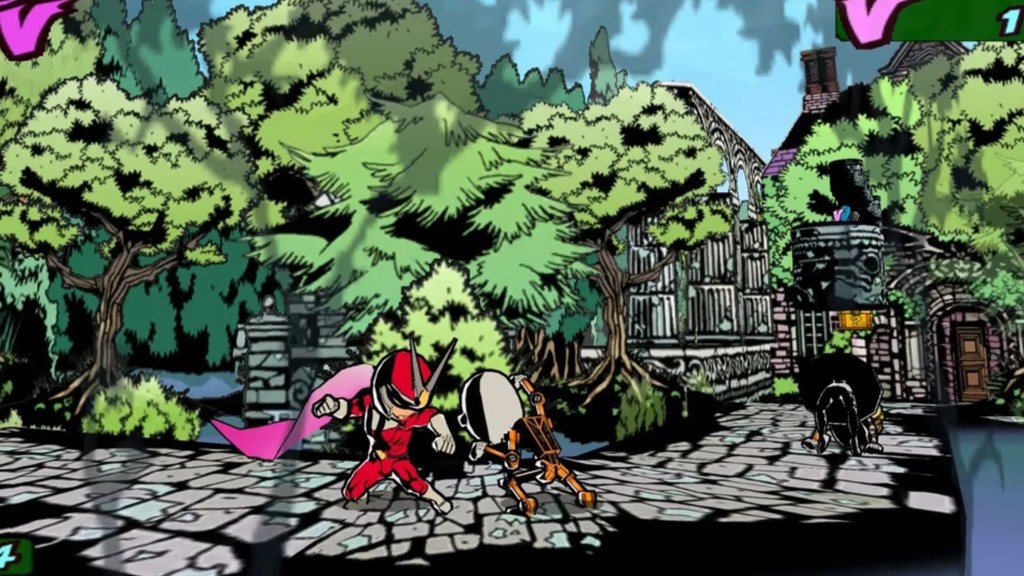
Debuting June 26, 2003, Viewtiful Joe had four games released between 2003 and 2005 — and hasn’t gotten a single release since then despite being one of the most bizarrely memorable and potentially exciting franchises Capcom introduced in the 21st century. The side-scrolling riff on the beat ’em up action genre was directed by Hideki Kamiya, who had previously been a director for Resident Evil and Devil May Cry. Viewtiful Joe embraced a cel-shaded visual style that helped the game stand out from other games of the period and highlight the almost cartoonish tone of the game.
The title focuses on Joe, a geeky movie fan who finds himself dragged into Movie Land on a mission to save his girlfriend from the villainous organization known as Jadow. The vibrant aesthetic and goofy tone instantly helped Viewtiful Joe stand out from the crowd, with a visual style that has endured in part thanks to its focus on stylization over being “realistic.” The narrative, a heartfelt parody of typical genre archetypes, is a wacky blast that nevertheless actually takes a surprisingly self-reflective turn with the reveal of the true villain. Even the gameplay used the movie world to great effect, with Joe’s “Viewtiful Effect” VFX powers giving him unique abilities by slowing down time or speeding it up — as illustrated by the “film” that is the game suddenly picking up speed or entering slow-mo so that Joe can land a flurry of hits or dodge an incoming attack.
The result was a game that flowed gorgeously in motion, had a clever sense of humor, and tightly constructed gameplay with enough unique elements to feel special. Viewtiful Joe was a success with critics, with sequels and expansions from the GameCube to the PS2 and Nintendo DS quickly going into development. The game earned several awards and even got an anime adaptation.
However, while Capcom registered the domain name ViewtifulJoe3.com and the game became a fan-favorite, no third entry in the series ever came out. While the games had been successful enough to be considered modest successes, the series didn’t reach Capcom’s expectations for the title, with Clover Studios being shut down in 2007 following the release of Ōkami and God Hand. Since then, Joe has made a few appearances in outside franchises like the Marvel vs. Capcom 3: Fate of Two Worlds, but has not starred in a game for over twenty years.
Viewtiful Joe Could Have Become One Of Capcom’s Most Important Franchises Of The 21st Century
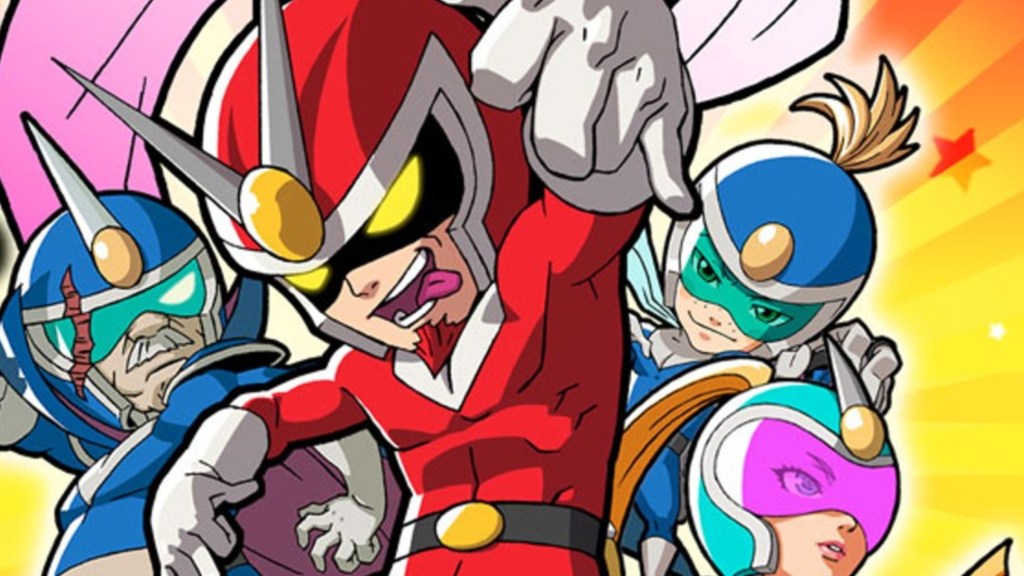
Despite selling decently and earning rave reviews, Viewtiful Joe was put out to pasture and hasn’t gotten a new release in over twenty years. It’s a real shame, too, because Viewtiful Joe feels like a title perfectly suited for the snarky self-aware humor that became increasingly prevalent in modern culture. Characters like Deadpool and Rick Sanchez have proven that there is an appetite for parodies of popular genres that still play with the conventions themselves, something Viewtiful Joe offered with gusto. The game poked fun at movies, sci-fi, video games, and superheroes in quick succession, all with a character that felt like an affectionate parody of the average fan without being dismissive about them.
Joe is a giant dweeb, but he’s also one with genuine heroic impulses and a solid heroic arc who realizes his full potential without sacrificing the goofy core that makes the character so endearing so quickly. While she’s largely relegated to the kidnapping victim in the first game, Sylvia’s upgrade for the second game made her a great hero in her own right. She could have carried her own games just as well as the other supporting characters introduced in the series. The Viewtiful Joe series had a lot of great potential, especially once the superhero genre took over the big screen with the rise of the Marvel Cinematic Universe. If Viewtiful Joe had continued outside of those initial three years, the character could have become a clever way for the games industry to poke fun at the trend and rip into other fads, effectively becoming the Deadpool of the medium.
The tone is quietly similar to characters like Scott Pilgrim, which proved that there was an appetite for the kind of character and stylization that Viewtiful Joe had run with just a few years before those comics debuted. In a just world, we’d be getting Viewtiful Joe sequels every few years, seeing potential spin-offs playing with different genres, and Joe could have risen in the ranks of Capcom’s most iconic characters as a goofy contrast to the more serious casts of the Resident Evil or Monster Hunter franchises. Instead, Viewtiful Joe remains a critically acclaimed cult classic that is well overdue for a revival.
I loved Viewtiful Joe as soon as I got it for the GameCube — I was laughing at the movie parodies and excited by the combat tweaks afforded by the VFX powers. It was an absolute blast, a testament to the way that unique visuals, tight gameplay, and good writing can come together to produce something truly unforgettable. It remains one of the best examples of the beat ’em up genre ever and is a highlight of the GameCube library — hopefully Viewitful Joe can come to the Nintendo Classics online collection so that more modern players can fall in love with it and help me convince Capcom that it’s time for a new entry in the series.
More Gaming
-

Courtesy of Capcom -

Image Courtesy of Electronic Arts