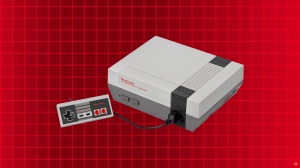
It is not unfair to assert that Nintendo has engaged in some frankly outrageous anti-consumer practices over the past few years. It has clamped down on fan-made projects, limited access to soundtracks to paywalled apps, released a physical device that requires an online subscription to use, launched endless rounds of litigation against competitors, patented blatantly basic game concepts and mechanics, created arbitrary scarcity to boost sales, and so much more. Of course, Nintendo is a business first and foremost, with the primary goal of making as much money as possible. Yet, some of its decisions risk truly losing the customer base that brings it the money it covets so much.
Videos by ComicBook.com
One key decision it made for the Nintendo Switch 2 feels particularly anti-consumer and, frankly, not particularly business efficient. The baffling move has not only annoyed fans but has seemingly only hurt the sales of certain games. I am, of course, referring to the introduction of Game Key Cards, a truly mind-numbingly bad concept that has resulted in Nintendo fans turning against the Switch 2. However, as much as the anger and vitriol towards it blossomed during its initial announcement, it feels as if we’ve somewhat quietened down. That has to change, as this is one sin we cannot let Nintendo simply sweep under the rug and forget.
Nintendo Switch 2 Game Key Cards Make No Sense
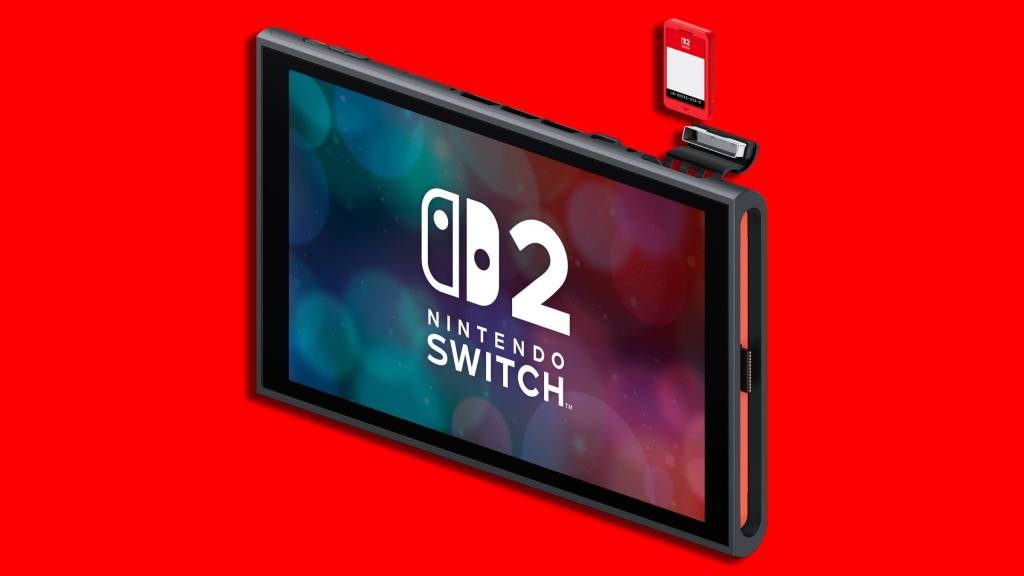
Nintendo Switch 2 Game Key Cards, in theory, allow both third and first-party developers to put games larger than 64GB onto a physical cartridge, enabling them to still cater to physical collectors. However, in practice, it absolutely does not work. Game Key Cards merely grant owners access to a download link via the eShop. This means you’re tied to the physical need to insert the cartridge despite basically running a digital game. Crucially, you also cannot play it offline initially, as it requires you to both download an enormous 64GB+ file and then be online when you first access it. Essentially, you’re burdened with the minor inconvenience of physical media and the lack of true ownership, thanks to it being an ostensibly digital product. Simply put, no one wins.
As aforementioned, this isn’t Nintendo’s worst anti-consumer practice, but considering that, according to Nintendo’s own FY26 earnings report, over 50% of game sales are physical, it is extremely damaging. That number, for reference, is likely much higher when DLC and expansions are taken out of the picture, as they are factored into the overall digital sales, which accounted for 50.4% of total software sales. However, as baffling as it is, it is also somewhat understandable that Nintendo would implement such an inherently flawed product. It, evidently, has a huge audience of physical collectors to cater to and a cartridge incapable of storing the ridiculous file sizes of modern games. Game Key Cards fix that issue.
The problem is, Game Key Cards offer a cheap and lazy solution to third-party developers looking to port their titles to the Nintendo Switch 2. Rather than needing to optimize their game to fit onto the 64GB cartridge like CD Projekt Red did for Cyberpunk 2077, they can simply chuck a link to the game’s eStore page on a Game Key Card and call it a day. They get the bonus of physical sales without having to put in any effort. This creates a somewhat challenging and nuanced situation, as not restricting third-party developers, in theory, means better ports of games as they don’t have to limit their file sizes. However, it also results in physical collectors or those who simply want to actually own the games they buy getting a worse deal overall. A lack of ownership for a better experience appears to be the winning side in the eyes of the gaming industry, but I’m not convinced that victory will last long.
Game Key Cards May Not Be Selling Well
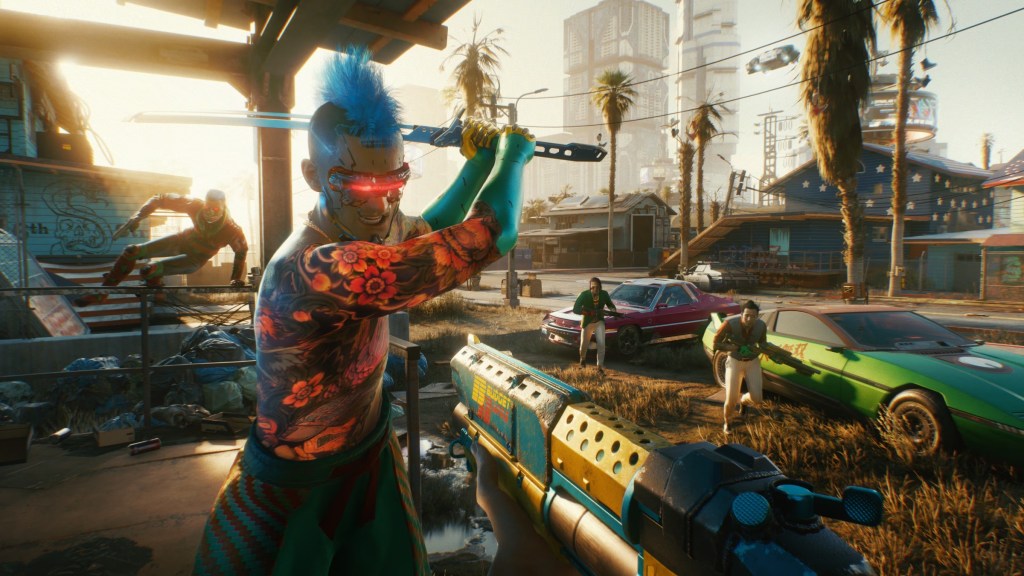
When the Nintendo Switch 2 was first released, third-party games surprisingly struggled to sell. Many chalked this up to the fact that the majority of these titles had been available on other platforms for a considerable amount of time, making their sudden launch on the Switch 2 somewhat redundant. That would be unequivocally true if it weren’t for the fact that Cyberpunk 2077 sold exceptionally well on the Switch 2. Of course, there are a number of factors that could have caused such success, but chief among them is the fact that Cyberpunk 2077 didn’t launch on a Game Key Card. Rather, it had a genuine physical cartridge with the game and DLC included on it.
It appears, then, that the commercial failure of a lot of third-party titles came down to their use of a Game Key Card. The gaming public is clearly against the notion, and even developers capable of garnering a physical launch are wearing their inclusion of a genuine cartridge as a badge of honor. There seems to be a rejection of this physical-digital-hybrid, especially as it serves little purpose to either those who prefer digital releases or physical collectors. Refreshingly, Nintendo surveyed fans on Game Key Cards a little while ago, likely to gauge their desire to buy one, which could, in theory, lead to their being phased out.
However, that may not be the case, at least any time soon. While Game Key Cards have evidently affected third-party sales in the past, the recent release of Final Fantasy 7 Remake Intergrade sold out its physical editions at most US retailers as well as in Japan, despite being a Game Key Card version. Additionally, the first-party title Pokémon Pokopia has been announced to be a Game Key Card release, despite former Nintendo of America President Doug Bowser promising that Nintendo wouldn’t use Game Key Cards for first-party releases. Clearly, there is not only a market for them, but Nintendo is keen to push them as far as it can and see if it can normalize Game Key Cards as a viable physical option.
Nintendo Cannot Keep Using Game Key Cards
Nintendo cannot continue to supplement real physical releases with Game Key Cards, especially if it is interested in retaining its high physical sales and game preservation as a whole. I completely understand that, in general, the popularity of physical media is dwindling. Xbox has all but abandoned the format, and PlayStation, while still catering to it, likely sees it more as a niche. However, not only is there clearly still a significant market for it on Nintendo platforms, but it remains one of the only ways we can ensure that we both retain ownership of the products we buy and preserve those that are inevitably delisted from storefronts.
Nintendo’s closure of its previous console’s eShops has resulted in the loss of numerous digital-exclusive titles. Of course, if you had bought them prior to their being delisted, you can still access them, but anyone born after that point, who has only just started to get into video games, or missed out on that console generation for one reason or another, has no way of accessing them. I’m not advocating for every game to get a physical release as that’s impractical and, in many cases, impossible. However, while it’s understandable for the smaller digital-exclusive games to lack a physical release, AAA titles from large publishers should not also be exempt from producing a genuine physical product.
Obvious solutions include Nintendo reintroducing the two-disc (or, in its case, two-cartridge) system, or producing larger cartridges so that third-party developers don’t feel restricted. However, the fact that Pokopia, a game whose file size will more than easily fit on a regular cartridge, is being released as a Game Key Card indicates that space isn’t the sole issue. Game Key Cards are easier and cheaper to produce, and if Nintendo feels it can get away with using them, it will. This is why we cannot allow it to continue using them, because if we do, then soon enough, Nintendo, which has traditionally sought out the cheapest or most anti-consumer way out, will resort to using Game Key Cards exclusively.
What do you think about Game Key Cards? Leave a comment below and join the conversation now in the ComicBook Forum!
More Gaming
-

Courtesy of Insomniac Games