Few fantasy worlds bring out the feelings that Middle-earth does. From the books to the films to the sprawling mythology surrounding them, The Lord of the Rings remains one of the most influential fictional universes ever created. And for decades, developers have brought the world to life through video games, with some of them being genuinely great games. Yet, in recent years, that has changed. While other major franchises have found their stride with strong modern adaptations, Middle-earth has struggled to reclaim the same magic in gaming that once defined an entire era of licensed titles.
Videos by ComicBook.com
It was not always this way. I have so many fond memories of playing The Lord of the Rings games. From The Lord of the Rings: The Two Towers to The Lord of the Rings: Conquest, as a kid, or Middle-earth: Shadow of War, much later, I’ve always welcomed another chance to dive into the setting I love so much. But lately, that feeling of excitement has faded, and each game in the franchise that has been released in the past few years has grown increasingly disappointing. With other universes flourishing, especially Star Wars, the absence of a standout Lord of the Rings game is more noticeable than ever.
Lord of the Rings Games Used to Be Good
During the early 2000s, The Lord of the Rings games were consistently strong. Titles like The Lord of the Rings: The Return of the King, The Lord of the Rings: The Third Age, Battle for Middle-earth, and so many more brought cinematic action, RPG depth, and large-scale strategy to consoles and PC. These releases were polished, respectful of the source material, and often ahead of their time. To this day, I fondly remember local co-op campaigns, sprawling armies clashing across Pelennor Fields, and the feeling of stepping directly into Tolkien’s world like never before.

Beyond the movie-based adaptations, even experimental ideas performed well. The Lord of the Rings: War in the North delivered a solid cooperative action RPG experience. The Lord of the Rings Online, launched in 2007, still retains a dedicated player community today. These games felt crafted by developers who understood the world, appreciated its tone, and wanted to give players a chance to inhabit Middle-earth as it should be.
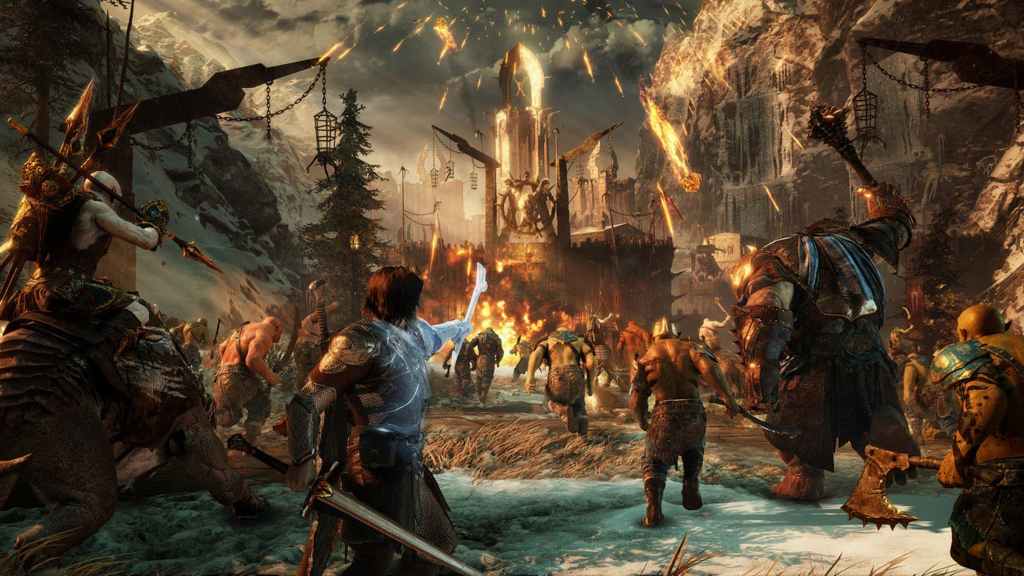
That momentum eventually carried into Monolith Productions’ Middle-earth: Shadow of Mordor and its sequel Middle-earth: Shadow of War. Released in 2014 and 2017, respectively, they introduced the Nemesis System, one of the most innovative mechanics of the last decade, but even beyond this, they were amazing. Sadly, Shadow of War remains the last truly great Lord of the Rings game, a reminder of how strong the franchise can be when paired with ambition, clever design, and developers who respect the material. Unfortunately, after its release, that level of quality has not been replicated.
Middle-earth Deserves Better Than Its Recent Games
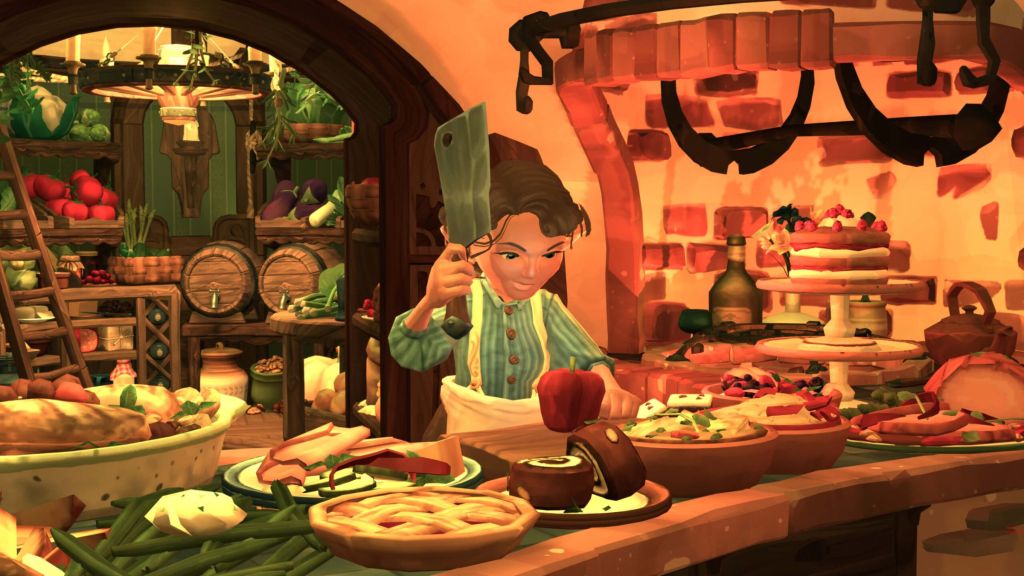
The years following Shadow of War have not been kind to the franchise. Instead of building on Monolith’s success, recent releases have ranged from forgettable to disappointing. The most widely criticized example is The Lord of the Rings: Gollum, a game that failed to deliver on both gameplay and storytelling. Technical issues, uninspired design, and a misunderstanding of what fans wanted from a Lord of the Rings experience made it a low point that highlighted how far the franchise had fallen. Even after it, The Lord of the Rings: Return to Moria and Tales of the Shire: A “The Lord of the Rings” Game were only mediocre at best.
These projects have landed with mixed reception and leave fans wanting more. Attempts to explore specific characters or untold stories often arrived without the polish expected from such a beloved universe. None of them captured the scope, drama, or emotional weight that defines Tolkien’s world. With so much rich material available, it is frustrating to see Middle-earth repeatedly limited by conservative design or lack of vision.
Comparisons to Star Wars make this especially difficult to ignore. In the last several years, Star Wars has produced successful titles like Jedi: Fallen Order, Jedi: Survivor, and Star Wars: Squadrons, with more games currently in development. These releases show that major franchises can thrive with the right studios and creative direction behind them. Meanwhile, Middle-earth’s gaming output feels stagnant. It’s gotten to the point where many fans have simply given up on ever seeing another game in the franchise perform well.The final hope may rest on a rumored project that aims to compete with Hogwarts Legacy, but set within Middle-earth.
How Does One of the Greatest Franchises Continue to Fail the Gaming Industry?
It is surprising that a franchise as massive and influential as The Lord of the Rings has repeatedly stumbled in the gaming industry. One reason may be the challenge of handling the license itself. Middle-earth is a beautiful world with incredible lore. Studios often struggle to balance creative freedom with authenticity, leading to games that feel restrained instead of bold. The success of Shadow of Mordor proved that innovation is not only possible but welcomed by fans when executed well.
Another issue stems from shifting studio priorities. Major publishers gravitate toward projects with guaranteed long-term revenue, especially live service models. While Middle-earth could certainly thrive in that space, the recent attempts have not taken advantage of its storytelling potential. Without a clear creative roadmap, the franchise ends up cycling through smaller projects that fail to inspire excitement or confidence. The result is studios creating cautious ideas or uninteresting side stories rather than standout releases.
Most importantly, Middle-earth needs a developer willing to treat the source material with both reverence and ambition. Fans are not just looking for faithful adaptations but meaningful stories, memorable characters, and game mechanics that do justice to Tolkien’s mythos. Until a team approaches the franchise with the same energy that companies like Respawn brought to Star Wars, Middle-earth will continue to miss opportunities. After so many years without a great game, it is time for the franchise to reclaim its legacy and give players what they want. Until then, fans will continue to look at any The Lord of the Rings game with caution and low expectations.
What do you think? Leave a comment below and join the conversation now in the ComicBook Forum!
Most Viewed
-

Image Courtesy of Studio Pierrot -

Image Courtesy of Studio Bones