Cosmetic microtransactions are everywhere in today’s live service games, from character skins to flashy weapon designs. Players say they don’t need them, swear they can resist them, and claim they’re only interested in gameplay. Then a new outfit drops, and suddenly everyone is reaching for their wallets like it’s a natural part of gaming now. Cosmetics have become more than optional bling. They’re baked into the culture, the business models, and honestly, the daily routines of players who know better but still cave.
Videos by ComicBook.com
It’s not exactly a mystery why cosmetic purchases run the show in live service games, but the reasons behind it go a lot deeper than people care to admit. Players chase the next skin drop out of habit, and developers build around that demand in ways that quietly reshape the whole experience. Is this predatory? Eh. Sure? But anyone who has ever given in to a limited-time outfit knows the pull isn’t just about looking cool. It’s about identity, and that really weird mix of pride and regret that keeps the cycle going.
Why Players Keep Paying for Cosmetics

Players say cosmetics are harmless fun, but the truth is that visual customization has basically become its own gameplay loop. People want to stand out or just feel like their character represents them, and this creates a cycle of always being part of the “visual meta”. Ironically, “meta” here doesn’t mean everyone’s doing the same thing, but the opposite. And because the best visuals often sit behind a price tag, players get used to paying for that little spark of personality. The free options usually exist, but they’re rarely the ones anyone actually wants to show off. Once players get used to the cycle of browsing, wanting, and buying, it becomes part of the experience as natural as logging in.

There’s also the social pressure that comes with living in online worlds. No one wants to look like they just finished the tutorial. Everyone knows your drip matters. When you kill a big monster, you want to look good doing it. When a squadmate rolls up with a rare skin, players feel the pull to keep up, even if they laugh at themselves while doing it. Publishers know this perfectly well. They lean into seasonal drops and limited-time items that create urgency. Even players who tell themselves they won’t buy things end up doing it just to avoid missing out. Everyone jokes about it, but everyone still participates. You probably do too.
The Hidden Downsides of Cosmetic Microtransactions

The biggest downside is how cosmetics quietly reshape priorities behind the scenes. When premium skins pay the bills, developers naturally spend a lot of time and talent creating them. Gameplay updates and long-term features don’t get ignored, but they absolutely get influenced by the need to keep the store stocked. The quality gap between paid and earned cosmetics is sometimes so obvious it feels intentional, even when developers swear it isn’t. The entire loop starts favoring the storefront, not the sandbox players went there for in the first place.
Cosmetic pressure also affects how players engage with games. Instead of chasing accomplishments, many players start chasing appearances and social status. They log in because a new bundle dropped, not because there’s something meaningful waiting for them to do. It’s very strange, but human mentality dictates that we must all be unique, and it shows. The culture shifts from celebrating creative play to celebrating who purchased what. And while cosmetics don’t affect stats very often in modern video games, they do affect identity and social presence, which ends up creating its own form of meta. It’s harmless on the surface, but anyone who has ever felt obligated to buy the new season’s armor set knows the effect isn’t small. And again, publishers know this well.
What This Means for Game Design and the Future of Live Services
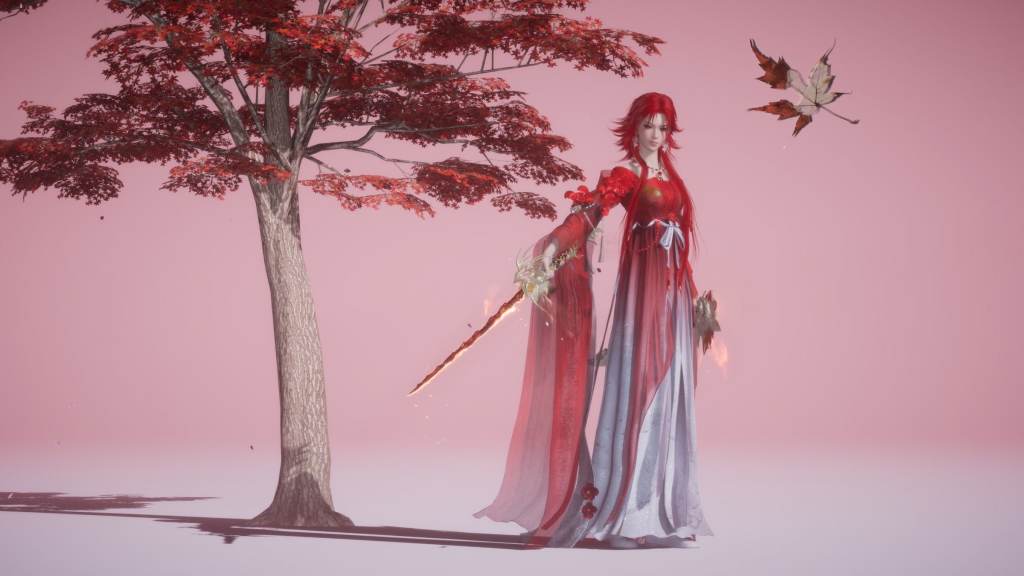
Cosmetics aren’t going anywhere, and developers aren’t pretending otherwise. Live service games depend on consistent revenue, and cosmetics are the least intrusive way to keep that money flowing. But relying on them heavily means future games will continue centering their economies, update schedules, and even visual pipelines around selling looks. The risk is that games start feeling more like storefronts with gameplay attached rather than the other way around. Phantasy Star Online 2: New Genesis is the perfect example of this. Players keep paying because they genuinely enjoy the customization, but the long-term tradeoff is a shift in priorities, where gameplay becomes second to the outfit.
For us all, the future is a mix of convenience and temptation. We get better-designed cosmetics, more expressive options, and more ways to stand out. But we also get used to a world where the coolest version of your character always costs something. The irony is that we fully understand this dynamic and still embrace it, joking about being trapped in the cycle while actively participating in it. And as long as that continues, the cosmetic economy will stay dominant, shaping how live service games look and evolve for years to come. Whether or not that’s a bad thing is totally up to your interpretation.
What do you think? Leave a comment below and join the conversation now in the ComicBook Forum!
More Gaming
-
Courtesy of Wizards of the Coast