In Crimson Desert you will be tempt to get lost, to waltz right in the wide wilderness in search of epic adventure right from the start, and that is exactly where things can start to go wrong. The world pulls you in every direction at once, constantly offering something new to chase instead of what you should be doing. It feels natural to wander, to explore of beaten path, to ignore the main quest in favor of everything else. That instinct makes sense. This is an open world game and a big one at that. But early on, your wanderlust can and will hold you back in ways the game never directly tells you, which is right on brand for this title.
Videos by ComicBook.com
Crimson Desert’s world is vast and packed with reasons to stray from the main path, but ignoring the main quest too early can limit your experience more than you might expect. Many core mechanics and abilities are tied directly to the main story and key Greymane-focused questlines. Without them, the game can feel more restrictive than it actually is. Following the main quest, at least through the early chapters, is not just recommended. It is very nearly essential.
Core Mechanics Are Tied to the Main Story
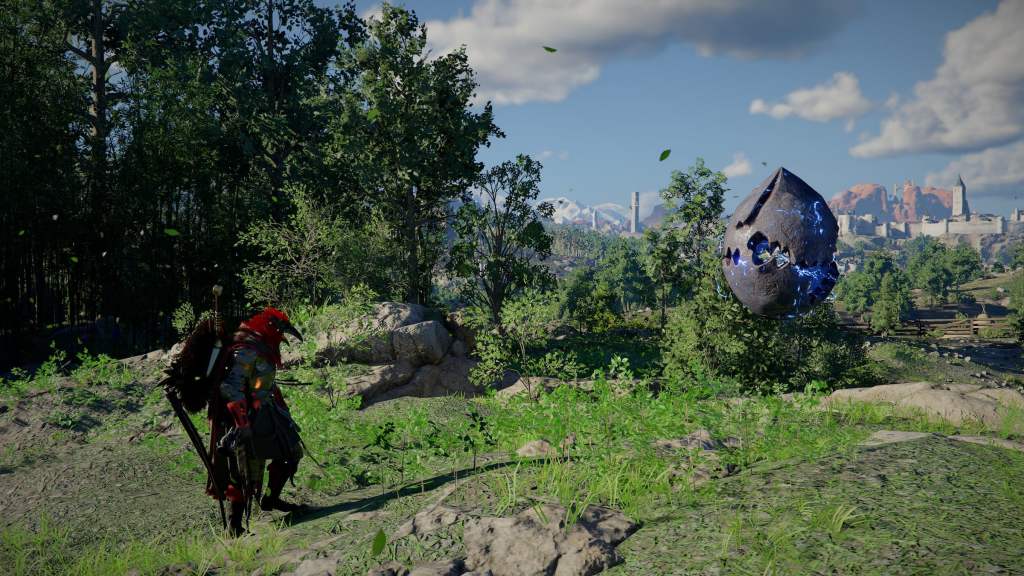
Crimson Desert hides some of its most important systems behind story progression. Early on, it may feel like you already have access to everything you need, but that is far from the truth. Important key mechanics remain locked until you push forward enough through the main quest, and the game does not always make that clear. This creates a situation where players might unknowingly limit themselves simply by exploring too freely. If you’re already doing that, you might noticed certain things you’ve come across that you can do nothing practical with. If you understand what I’m saying, you’ve ignored the main quest too long already.
One of the clearest examples is how certain combat and progression systems evolve over time. Mechanics like properly utilizing Abyssal Cores do not fully open up right away. They are introduced and expanded through main story progression, meaning players who delay it are also delaying their own growth. Sometimes, certain characters won’t be a location that you’d expect them to be, which is also tends to be tied to main story progression. The difference becomes noticeable the longer you wait. Combat starts to feel less dynamic, and progression feels slower than it should.
Pushing through the main quest, especially into the later parts of the early chapters, changes that completely. Systems begin to click into place, and the game opens up in a way that feels intentional rather than restricted. I highly recommend you push through at least to the end of Chapter 4 before exploring Pywell further. Rest assured, the experience feels far more complete from a mechanical standpoint. It becomes clear that the early game is designed to build toward that point. Skipping ahead too slowly only delays that payoff and prevents you from engaging with mechanics that litter the world the deeper you go.

Early Progression Depends on Key Quests
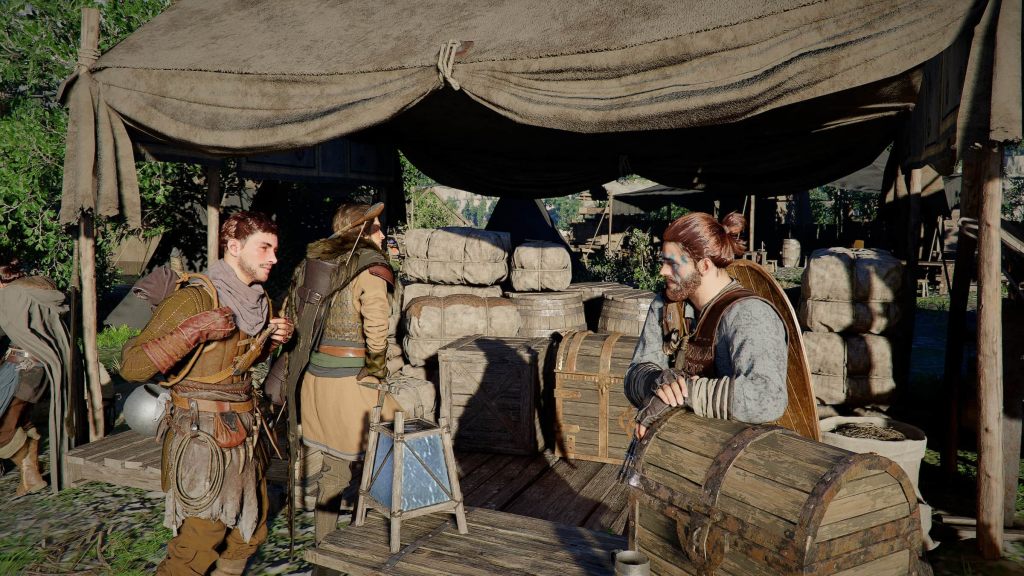
Beyond core mechanics, early progression itself is heavily tied to specific questlines. The game expects you to move forward through these moments to unlock systems that make everything else smoother. Ignoring them can create friction that feels unnecessary. What should feel like steady growth instead turns into a slower, more awkward climb where you always feel like something is missing. That disconnect can make the game feel harsher than it actually is.
The Greymane camp is a major part of this progression that you should not overlook. It is more than just a narrative hub. It unlocks practical features that improve both gameplay and quality of life. Things like gear dyeing, character customization options such as haircuts, and even access to the trading system are tied to its development. While the cosmetic portions are not minor additions, the trade system is a highly impactful aspect that rewards you with much needed currency. It meaningfully change how the game feels moment to moment. There’s more than that, but you get the idea.
In conclusion, spending time with these systems early pays off in a big way. The more you invest in the main quest and Greymane-related progression, the more tools you gain to shape your experience. The world becomes easier to navigate, and your character feels more complete. It creates a smoother, more rewarding gameplay loop that encourages further exploration. Ignoring it only delays access to systems that make everything else better. The main quest is not something to avoid. It is something you should prioritize.
What do you think? Leave a comment below and join the conversation now in the ComicBook Forum!
Most Viewed
-
Image Courtesy of Prime Video & Dark Horse Comics -
Image Courtesy of MAPPA