Gaming is, as with many industries, currently contending with the impact, potential, and risks of incorporating AI into the standard procedure. Many developers have been resistant to pushing it even as publishers argue that the benefits outweigh the drawbacks. Meanwhile, gamers have largely resisted the momentum of that tech — leading several publishers and developers to hold back on using the tech as fully as they initially intended.
Videos by ComicBook.com
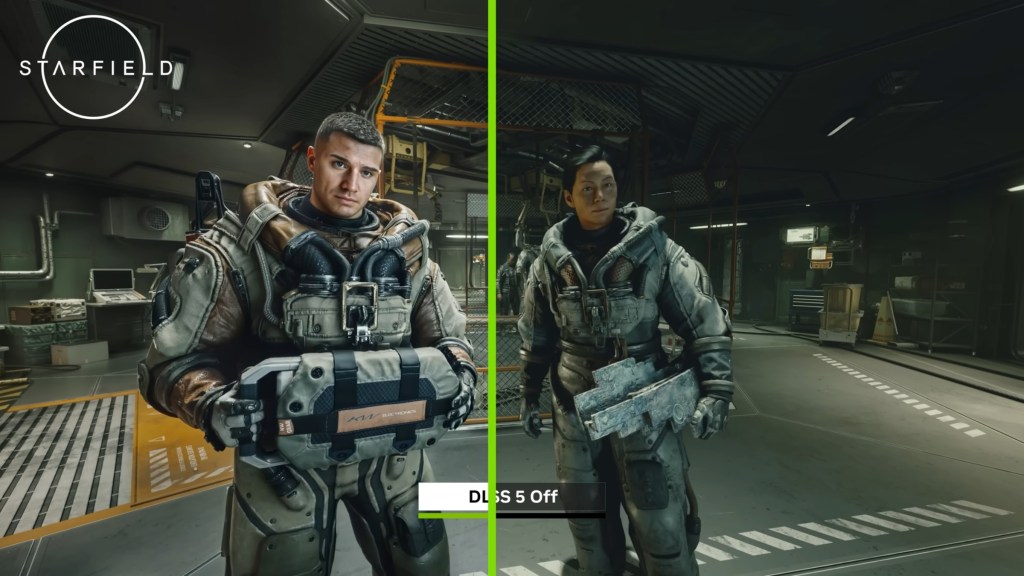
One potential use of the technology, as created by Nvidia, would use AI upscaling to make video game characters look more realistic. On a technical level, it’s impressive — but the result is characters that the internet has deemed “Yassified,” to the point of mockery. Beyond that, the process highlights just how important the graphics of a game are to the title as artistic expression.
The “Yassify” Filter, Explained
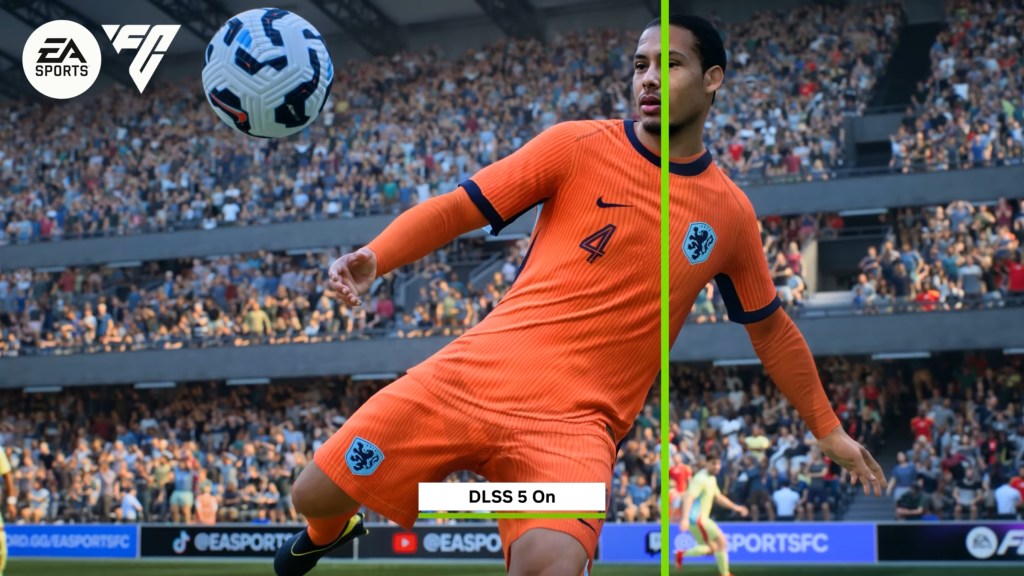
Nvidia’s upscaling technology, DLSS 5, is an AI filter meant to upgrade visuals. The company has proclaimed that their work is a “dramatic leap in visual realism.” However, the early showcases for the tech haven’t impressed the internet in the way that they intended. The tech was used on plenty of modern games, including Resident Evil Requiem, with a shot of Grace Ashcroft serving as the example for the upgrade. The modern graphics have looked good for Resident Evil Requiem on all the major platforms, with stunning visuals. With DLSS 5 on, the picture of Grace looks crisp in detail but also looks unnatural and glossy in a way that feels reminiscent of an AI filter.
The upgrade looks strangely artificial and was quickly taken to task by people online who began producing memes that do something similar with older characters and “beautify” them. Some have even taken specific note that DLSS 5 alters the artistic vision of the game by changing the graphics to make the character look more “realistic,” with the likes of Horizon Zero Dawn and Super Mario Bros. among the more striking examples. These gags might just be largely for laughs, but it also highlights the inherent problem with the central idea of something like DLSS 5 in the first place and the impact it has on the inherent artistry that goes into games.
Game Graphics Are Perfect Just The Way They Are
Game development, as with any art form, will always be dependent on the era and the potential of the technology at the time. Just as early filmmakers had to find creative solutions to drag their viewers into unique worlds and striking locations, game developers have been tasked with using the graphics of their era to visualize their creations. The Hyrule of The Legend of Zelda may not be as breathtaking and visually compelling as Breath of the Wild, but both use their potential to the fullest to create an immersive world. The necessity of the period often leads to invention in effective ways, with games like Silent Hill incorporating iconic elements like the ever-present fog stemming from the graphical necessity to hide environments that are loading.
Visuals are a key part of any game, whether they were able to reach the heights that the developers had in mind or if they had to adjust to accommodate the technology that they had at their disposal. Changing them, either through upscaling or remasters or remakes, can lose part of the spirit of the original in the process. Take Metal Gear Solid 3: Snake Eater, which was able to use its muted colors and scaling potential to create the aura of a classic spy film from decades prior. The result was a game that felt perfectly of its era. The modern remake lost a lot of that spirit, cleaning everything up with bright coloring and realistic graphics that lose much of the spirit and the spark behind the game. Something like DLSS 5, even if taken with the best of intentions, would do something similar to an entire generation of modern games.
Even with Resident Evil Requiem, which has plenty of visually arresting turns, its graphics serve a purpose. They build on the legacy of the previous games, refining the creatures and settings that first appeared almost three decades ago. The upgrades strive to make things more realistic, but they sand down the specific details, stylistic additions, and even graphical limitations that make games feel unique from one another, even when they’re all pulling from the same typical visual markers. DLSS 5 can be a cool way to upgrade graphics, but they do the games themselves (and by extension all of the work that the developers behind them had put into them) a disservice by masking their unique flourishes and touches under a layer of standard AI-assisted visuals. It’s the sort of tech that gaming doesn’t need. Especially in an era where developers openly consider whether or not consoles really can even get much more powerful even as AI technology tries to codify the visual standard going forward, those unique visual touches are more important than ever to signify the human input and work that went into game design. “Yassify” mode might be a funny way to describe it, but this practice is something that is actively detrimental to the idea of games as an art form.
Most Viewed
-

Courtesy of Shueisha / Kadokawa / Square Enix / Shogakukan -

Image Courtesy of MAPPA