One of the biggest video game genres in arcades in the 1990s was racing, and there were tons of them. You would often walk into an arcade and see multiple identical cabinets lined up and connected, allowing entire groups of players to get in on the races, making for some of the most entertaining (and expensive) games in arcades throughout the decade. We looked at all the major ones released in the 1990s and ranked the top ten based on contemporary critics’ reviews at the time of release, their overall popularity with gamers, and how much fun they were to play. For franchises with multiple ’90s releases, we selected only the top-rated games.
Videos by ComicBook.com
10) Cruis’n World
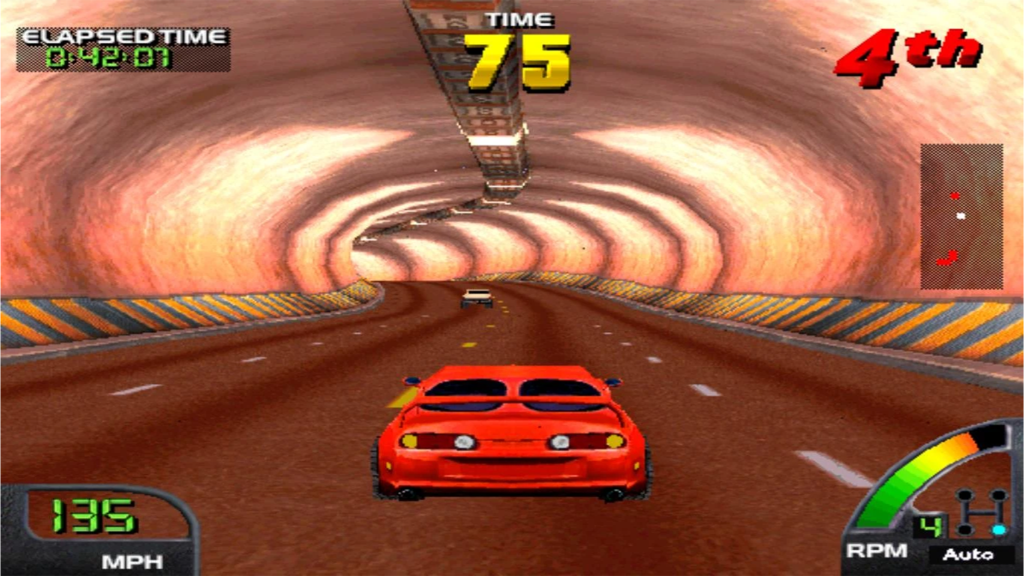
Midway released Cruis’n World in 1996 as a sequel to 1994’s Cruis’n USA. The sequel features more cars and tracks than its predecessor and introduces stunts to the franchise, involving dodging obstacles and navigating curves well to score a few extra seconds of lap time. Other than that, it wasn’t particularly innovative compared to the first game, as it used the same processor. That said, it offered more racing options, and four cabinets could be linked for large-scale races. Cruis’n USA was ported to the Nintendo 64, where it wasn’t as well-received as it was in arcades.
9) Scud Race
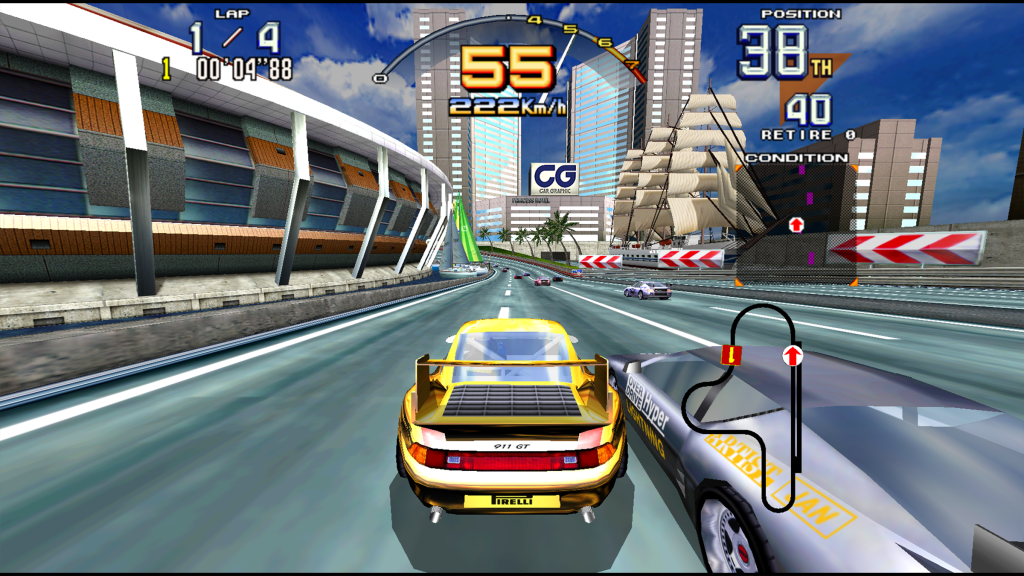
Sega designed Scud Race for arcades, so its two cabinet options were a twin and a deluxe variant, which could be linked together for up to eight racers at a time. It included four courses and was based on the cars from the 1996 season of the BPR Global GT Series. The cabinet design was pretty extensive, featuring a large monitor, car-accurate seat, and excellent controls. Sega updated Scud Race in 1997 to add new gameplay options and new race types, but this was limited to Japanese cabinets. It’s a realistic driving game, but it was never ported to either the Sega Saturn or Dreamcast, so it’s not easy to find and play these days.
8) Lucky & Wild
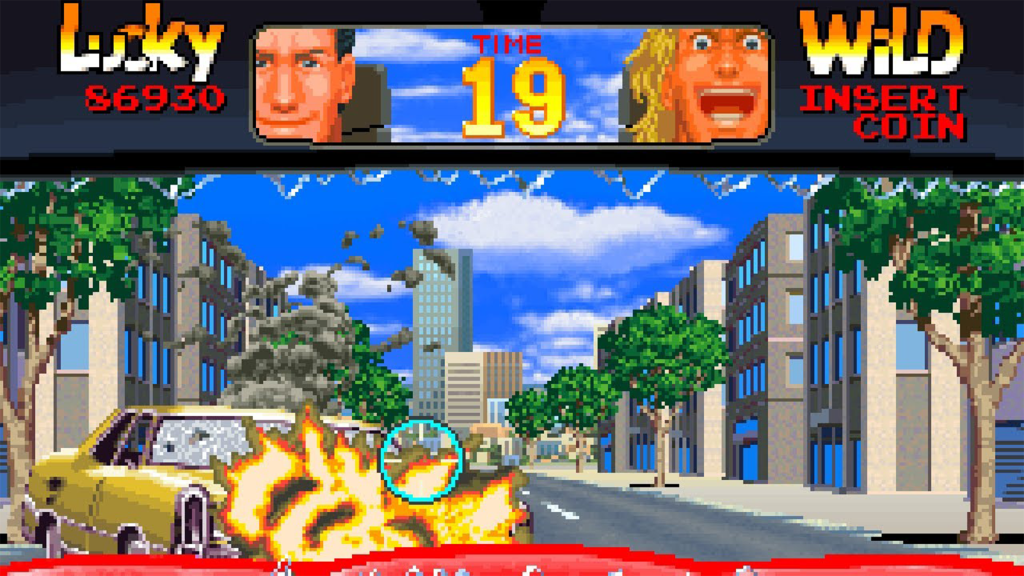
In the early 1990s, Namco released Lucky & Wild, a mashup of a first-person racing game and shooter. Player one takes on the role of Lucky, the driver who controls the car and a light gun. Player two is Wild, who is limited to the second light gun, so it was definitely a different take on a classic concept. Basically, it’s a buddy game, where you get to live out your pursuit fantasies with violent abandon whilst shooting and driving simultaneously. It’s a classic of early ‘90s racing games that few people know about today, as it wasn’t ported to any other systems.
7) Sega Rally Championship
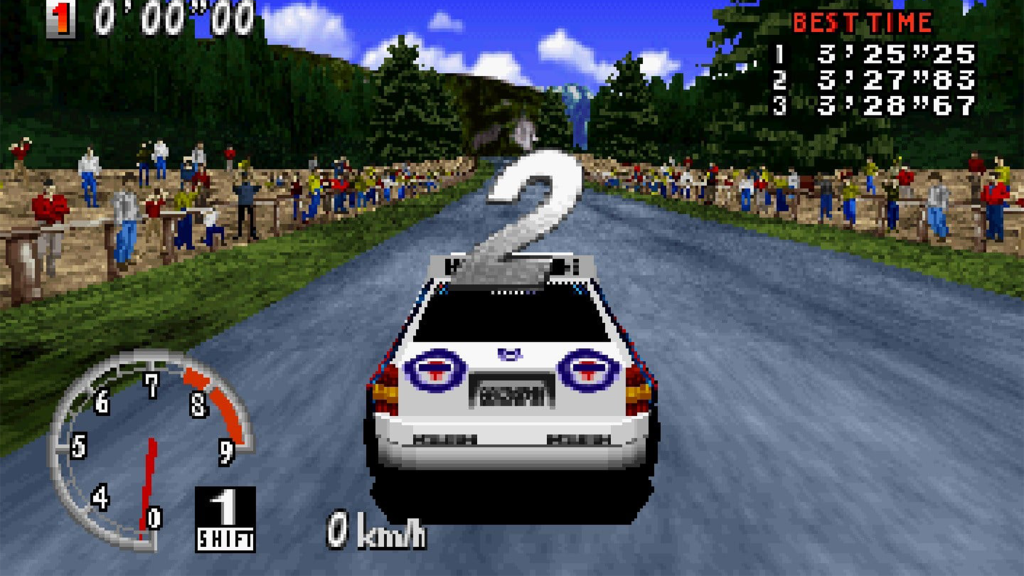
Sega Rally Championship is a traditional racing game and driving simulator that was released in arcades before appearing on the Sega Saturn and PCs. As a rally racing game, it puts players on various tracks, simulating different surfaces that affect friction and handling. Sega Rally Championship was the first arcade racing game to incorporate this feature, making it far more realistic than many other arcade racing games at the time. Players could race competitively or cooperatively, and it was critically acclaimed upon release, launching the Sega Rally franchise.
6) Rad Mobile
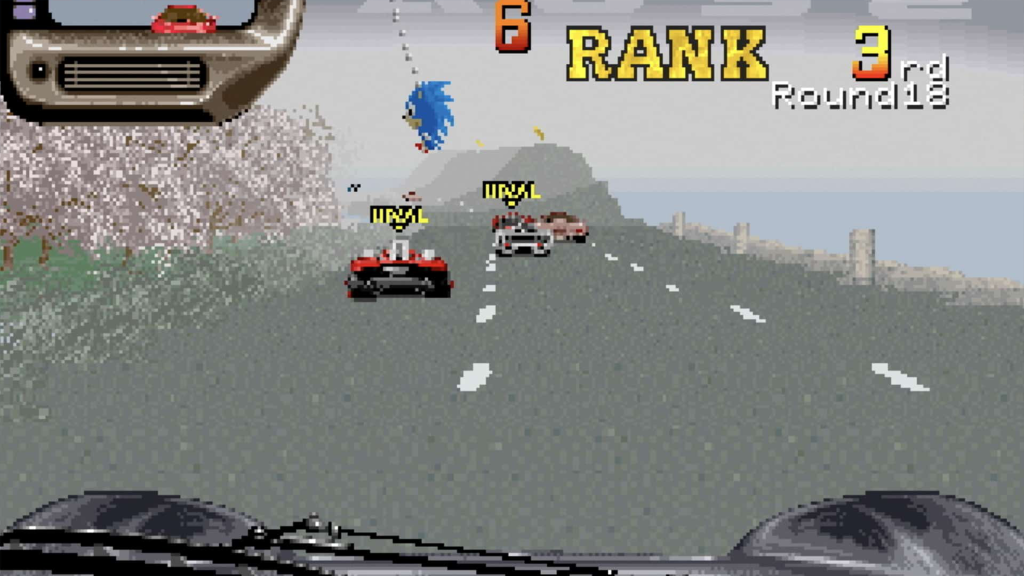
In 1991, Sega released Rad Mobile, the company’s first 32-bit game, showcasing its System 32 arcade board. It also holds the distinction of being the video game with the first appearance of Sonic the Hedgehog, who you can make out hanging from the rearview mirror as a cute little ornament. The game’s plot is a race across the continental United States, in which players must constantly evade police cars. Players could choose from different paths when the road splits, potentially skipping a stage or two. It featured weather and a day/night mechanic, making it more realistic as requiring players to turn on their headlights and wipers when necessary.
5) San Francisco Rush: Extreme Racing
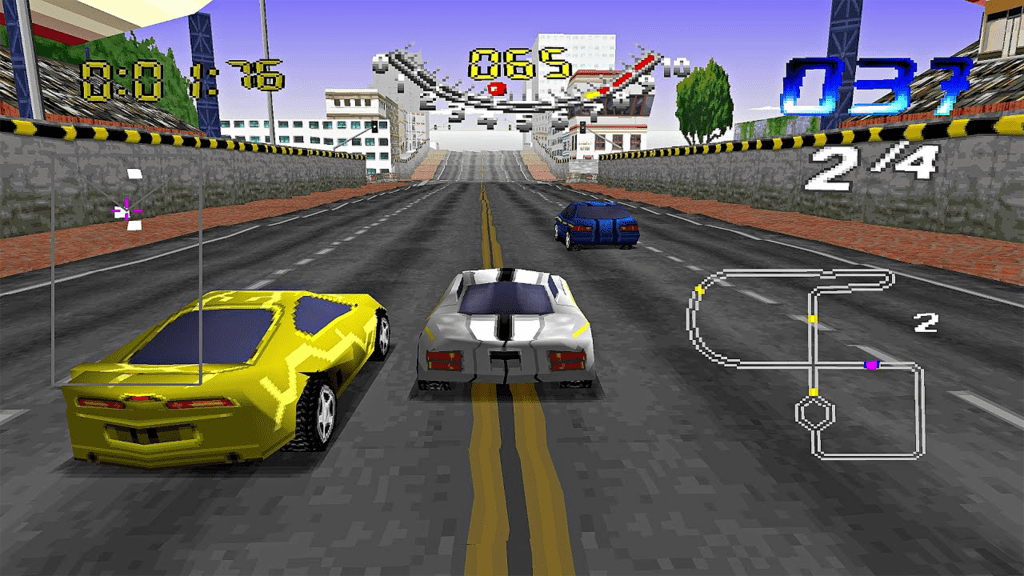
Atari developed and published San Francisco Rush: Extreme Racing in 1996, launching the Rush franchise. The game is set in several real locations in San Francisco, California, and races are conducted under all manner of conditions, whether at night, during the day, or in inclement weather. San Francisco Rush: Extreme Racing was a huge hit upon release, wowing players and critics alike. In 1998, Atari released an updated version, San Francisco Rush: The Rock – Alcatraz Edition, which added more cars and tracks, further extending the cabinet’s success. Several sequels followed, and the game was ported to the Nintendo 64, PlayStation, and PCs.
4) Crazy Taxi
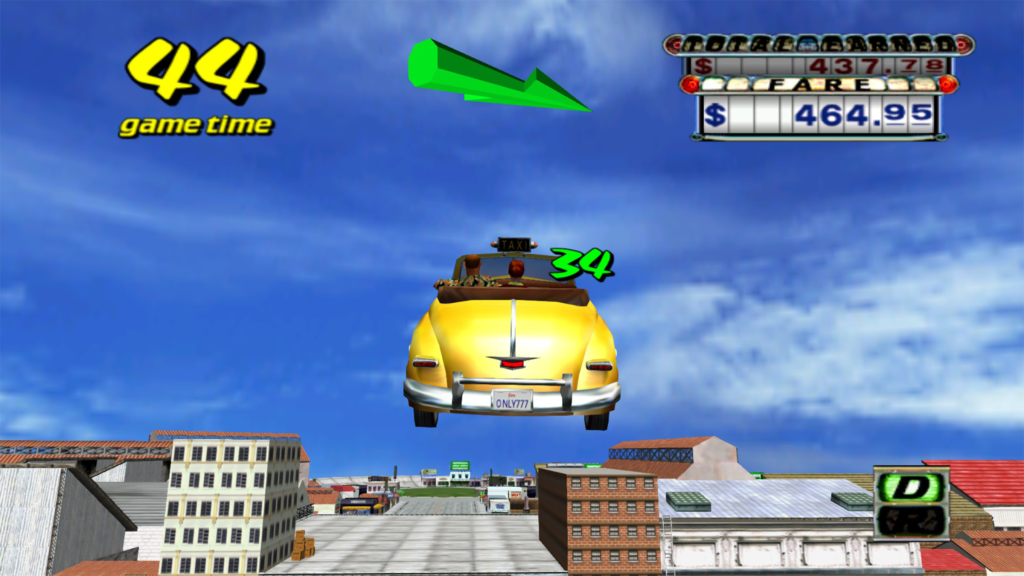
Crazy Taxi isn’t a traditional racing game, but it does fall within the genre, as gameplay requires meeting certain goals within a time limit. Playing involves taking a taxi around town to pick up fares. Once you have them in your car, you drive them to a designated drop-off point to collect your cash. It was released in 1999 for arcades and appeared on the Sega Dreamcast the following year. Crazy Taxi also launched a franchise, as it was incredibly successful. While the gameplay can be repetitive, it’s challenging and fun, incorporating some great ‘90s tunes as background music, making it a surprising hit at the end of the decade.
3) Daytona USA
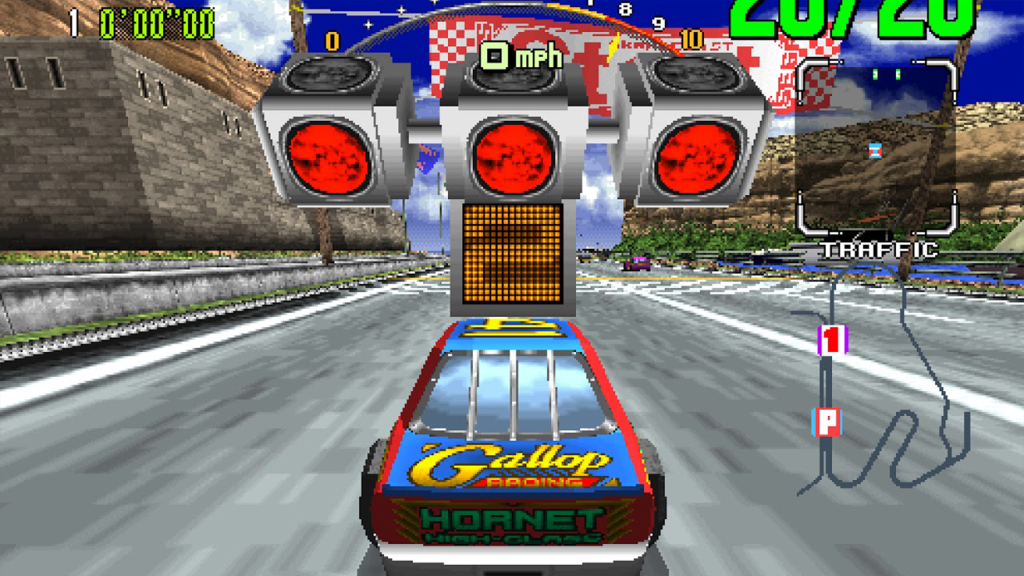
Sega is well known for its racing games, and Daytona USA was one of its most popular in the mid-1990s. The game came out in 1994, allowing players to race stock cars in a NASCAR setting. At the time of its release, the 3D graphics and texturing were exceptionally well done, earning significant praise from critics. The game quickly took over arcades, making it one of the highest-grossing arcade racers of all time, and it was soon ported to the Sega Saturn and other systems in the years that followed. Part of its success stems from the extensive research that went into Daytona USA’s design, which accurately modeled cars and tracks.
2) Virtua Racing
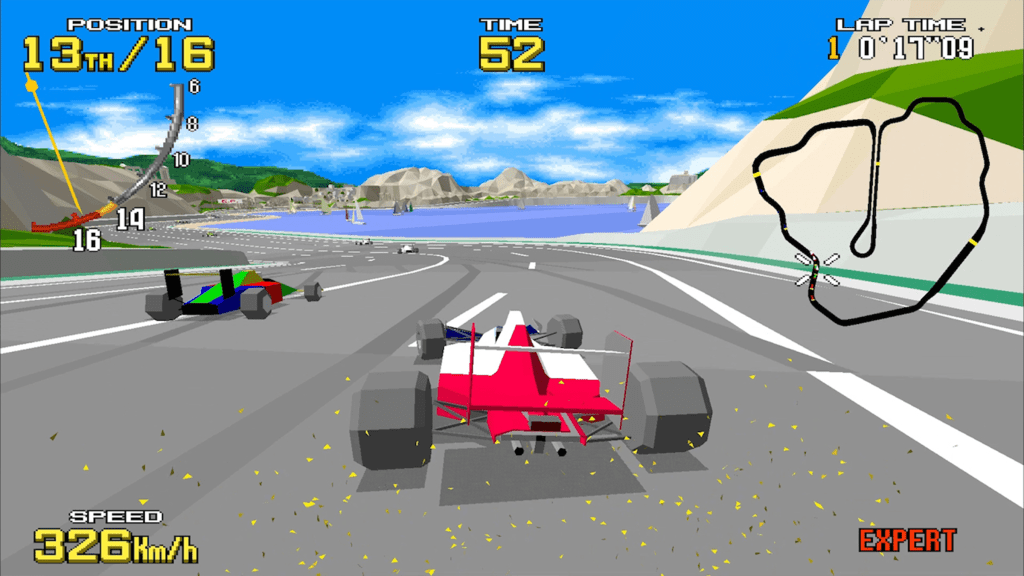
Of all the arcade racers Sega developed in the 1990s, Virtua Racer is arguably the best. The game’s 3D graphics set it apart from the competition, and it was a huge success upon release. The game helped popularize 3D graphics when it was still in development, and it’s one of the most important racers of the decade. The game had three circuits, each with two difficulties. It incorporated four different views for the player to choose from and inspired many games that followed, including Daytona USA, which borrowed many elements from Virtua Racing. It was ported to the Sega Genesis and other systems over the years, and is one of the most influential racing games ever created.
1) Ridge Racer 2
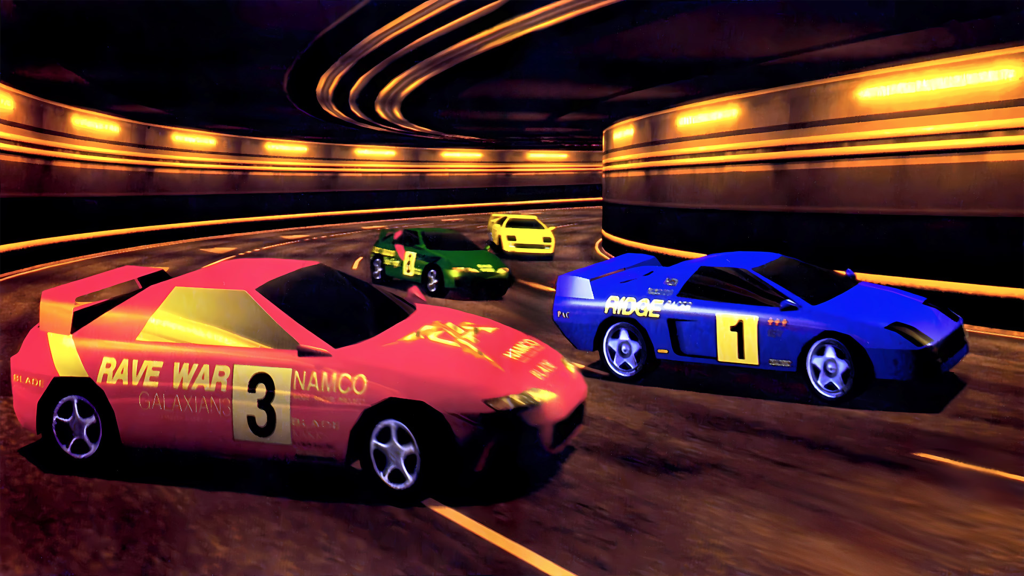
The Ridge Racer franchise quickly established itself in the early 1990s, producing several amazing games that received critical acclaim and were well-received by fans. One of the best is 1994’s Ridge Racer 2, which adds several quality-of-life upgrades to its predecessor’s gameplay. It improved significantly, where multiplayer is concerned, as it allowed for up to eight racers to play simultaneously, while the first game was limited to a single player. The game’s primary focus is multiplayer, with numerous tracks and cars for players to race. Ridge Racer 2 did well with critics and players upon release, and is one of the decade’s best arcade racing games.
What’s your favorite ’90s arcade racer? Leave a comment below and join the conversation now in the ComicBook Forum!
Most Viewed
-

Courtesy of Sony Pictures Animation / McDonald's