Many of the largest video game series have achieved their success by continually building a strong name with established formulas across multiple entries. Once a series finds its audience, publishers are usually hesitant to make dramatic changes. But gaming history has shown that this is not always the case, as some of the industry’s greatest successes came from developers willing to take chances. Whether through new gameplay systems, dramatic shifts in perspective, or entirely new business models, these risks often determined the future of beloved franchises.
Videos by ComicBook.com
The most successful reinventions do not abandon what made a series popular in the first place. Instead, they innovate in areas that can strengthen the experience while attracting new players. Some of these experiments arrived when franchises were struggling, while others emerged when developers recognized opportunities to evolve alongside changing player expectations. In each case, the result was a game that achieved major success and even influenced the industry’s direction. These five titles represent some of the biggest risks ever taken by major gaming franchises, and all of them paid off in remarkable ways.
5) Fire Emblem Awakening
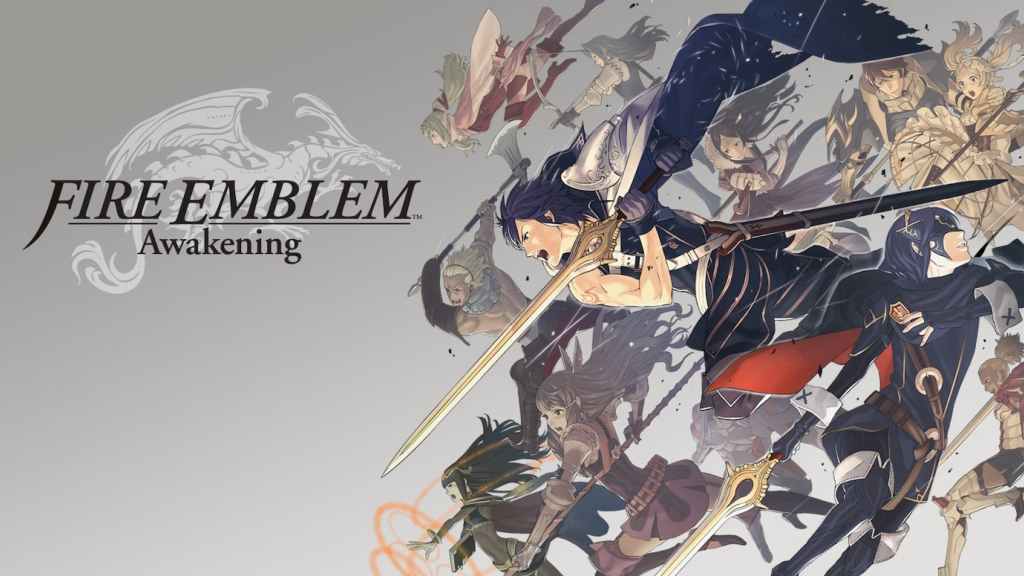
Before Fire Emblem Awakening launched in 2012 in Japan and 2013 internationally, the future of Nintendo’s tactical RPG franchise was uncertain. According to Nintendo and Intelligent Systems developers, the game was designed with the understanding that poor sales could potentially end the series. Previous entries had earned critical acclaim but struggled to achieve mainstream commercial success outside Japan.
The biggest risk was making the series more accessible. Earlier Fire Emblem games were known for punishing difficulty and permanent character death. While Awakening retained these mechanics for veterans, it introduced a Casual Mode that allowed fallen units to return after battle. The game also expanded relationship systems, character interactions, and customization options through marriage and offspring mechanics.
The experiment worked spectacularly, and Fire Emblem Awakening became one of the best-selling entries in the franchise and dramatically expanded its audience worldwide. The success revitalized the series and paved the way for future hits such as Fire Emblem Fates and Fire Emblem: Three Houses. Without Awakening, one of Nintendo’s most beloved strategy franchises might not exist today.
4) The Elder Scrolls III: Morrowind

The first two Elder Scrolls games had dedicated followings, but they remained relatively niche PC RPGs. Bethesda faced significant financial challenges during the development of The Elder Scrolls III: Morrowind, making the project a critical moment for the studio. The company needed a breakthrough success to secure its future. One of the biggest risks involved creating a highly unconventional fantasy world.
Rather than relying on familiar medieval fantasy tropes, Morrowind featured giant mushrooms, insect-like architecture, floating wizard towers, and a deeply alien culture. Bethesda also embraced player freedom on a scale rarely seen at the time, allowing players to ignore the main quest and forge their own paths through the world. What makes this the most surprising is that the game offered almost no hand-holding, leaving players to their own devices.
The result was a landmark RPG that helped define open-world gaming. Released in 2002, Morrowind earned widespread critical acclaim and became a commercial success for Bethesda. Its emphasis on exploration, player agency, and immersive worldbuilding established foundations that would influence future entries such as Oblivion and Skyrim. The risk of creating a strange and unfamiliar world paid dividends for both the franchise and the RPG genre, and many still hold Morrowind in a beloved position.
3) The Legend of Zelda: Breath of the Wild

For decades, The Legend of Zelda followed a recognizable structure built around dungeons, item progression, and relatively guided exploration. Entries such as Ocarina of Time and Twilight Princess were hugely successful, and while the art style was constantly changing, the formula was largely the same. However, that all changed when Nintendo released the first The Legend of Zelda game for the Nintendo Switch.
With The Legend of Zelda: Breath of the Wild, the company took perhaps the biggest risk in franchise history. The game embraced a truly open-world structure where players could travel almost anywhere from the beginning. Traditional dungeon progression was replaced by Shrines and Divine Beasts, while survival mechanics, weapon durability, and environmental interactions transformed the gameplay experience.
The game proved transformative for the series, and possibly even the open world genre. Released alongside the Nintendo Switch in 2017, Breath of the Wild became one of the most acclaimed games ever made. Critics praised its freedom and emergent gameplay, while players embraced the ability to tackle challenges in countless ways. The game’s success helped redefine open-world design and introduced a new generation to the franchise.
2) Resident Evil 7
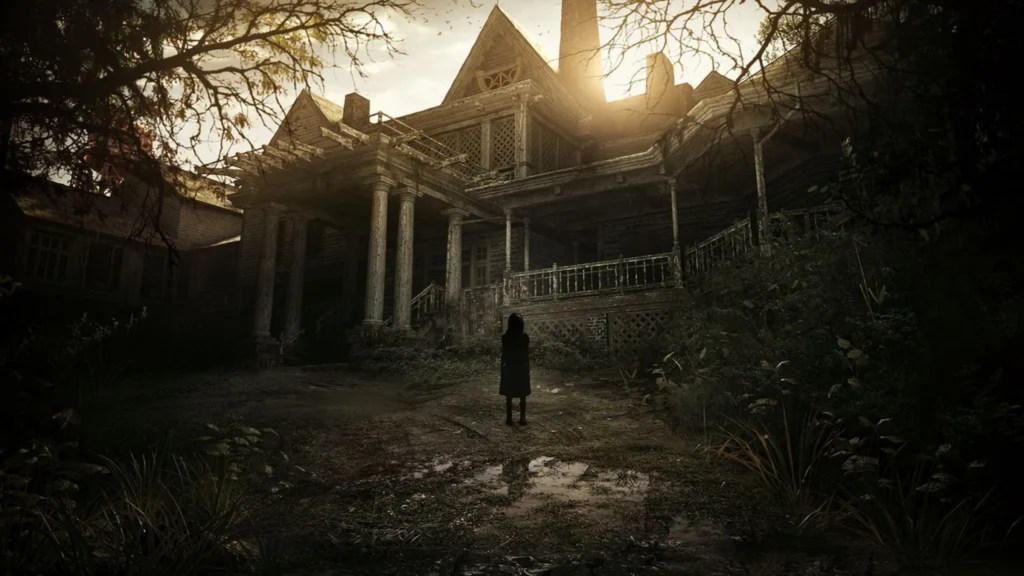
By the time Resident Evil 6 launched in 2012, many fans felt the franchise had drifted too far from its survival horror roots. The series had become increasingly focused on action, spectacle, and large-scale combat. While successful, these changes divided longtime fans who missed the tension and atmosphere of earlier entries, and it was clear to see that the series was losing its way or becoming something different.
Capcom responded with a bold reinvention. Resident Evil 7 shifted to a first-person perspective, a dramatic departure from the third-person gameplay associated with much of the series. The game also emphasized claustrophobic environments, resource management, and psychological horror. Rather than battling armies of enemies, players spent much of the game trapped inside a terrifying Louisiana plantation occupied by the Baker family, constantly fearing for their lives.
The risk revitalized the franchise and brought it back to its roots. Critics and fans praised the return to horror, while the first-person perspective created a level of immersion that amplified every scare. Resident Evil 7 sold millions of copies and successfully reestablished the franchise’s horror identity. Its success also laid the groundwork for future entries such as Resident Evil Village and the franchise’s continued resurgence, culminating in Resident Evil Requiem.
1) World of Warcraft
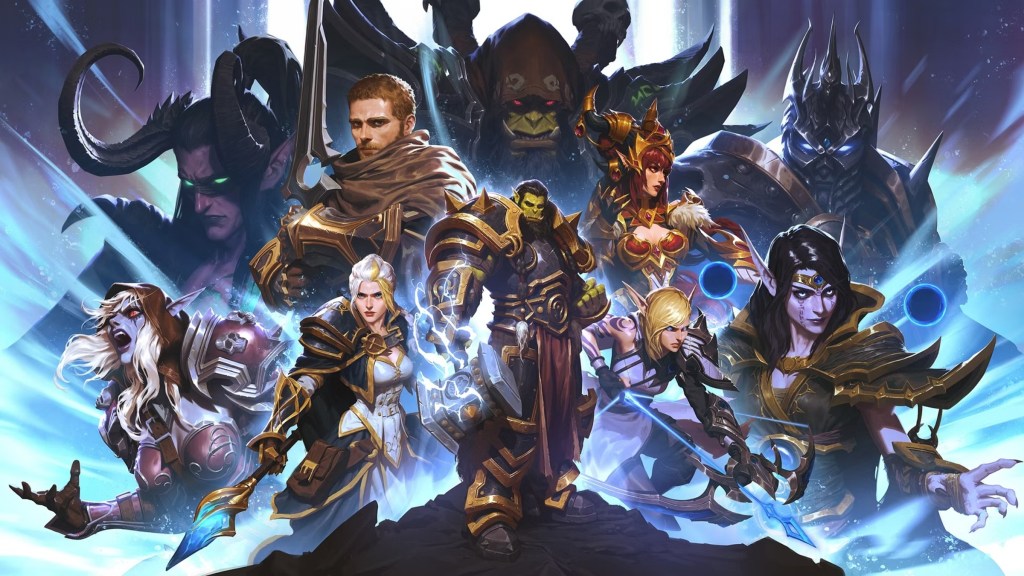
Before World of Warcraft, Blizzard Entertainment was best known for strategy games such as Warcraft, StarCraft, and Diablo. Creating a massively multiplayer online role-playing game represented an enormous risk. At the time, the MMORPG genre was dominated by games with steep learning curves and relatively limited mainstream appeal. And this is how Blizzard was able to succeed and break out in the MMO genre.
Rather than catering to hardcore MMO players exclusively, Blizzard designed World of Warcraft to be accessible. Quest design provided clear objectives, the user interface was approachable, and the game encouraged social interaction without overwhelming newcomers. This philosophy represented a significant departure from many existing online RPGs, fully leaning into the social elements.
When World of Warcraft launched in 2004, it quickly became a cultural phenomenon. The game attracted millions of subscribers and introduced countless players to the MMO genre. At its peak, it reached over 12 million subscribers worldwide. More importantly, it changed expectations for online gaming and established standards that influenced the entire industry. Blizzard’s decision to transform the Warcraft universe into an accessible MMORPG remains one of the most successful risks in gaming history.
What are your thoughts? Leave a comment below and join the discussion now in the ComicBook Forum!
More Gaming
-

Image Courtesy of Bandai Namco -

Courtesy of DON'T NOD