February is often a month for big releases, following closely after January, when many developers are either recovering from the holiday releases or waiting for gamers to clear their Christmas backlogs. And while it is known as the month of love, February 2026 features a different emotion: horror. Fans of the genre can expect three unsettling experiences this year, making February the perfect time to turn off the lights, put on a headset, and immerse themselves in fear in its purest form.
Videos by ComicBook.com
What makes February 2026 especially compelling for horror fans is the variety of styles being released. Players get a mix of psychological dread, grotesque creature design, and cinematic survival horror. These games lean into discomfort rather than jump scares, focusing on mood, sound design, and player vulnerability. This month offers three experiences that linger long after the credits roll, reminding fans why horror remains one of the most emotionally powerful genres in gaming.
3) Crisol: Theater of Idols – February 10th

Crisol: Theater of Idols looks like the kind of survival horror game that understands one simple truth: fear is strongest when survival comes at a cost. Set in Hispania, a nightmarish reimagining of Spain, the game drops players into the cursed island of Tormentosa, a place where beauty, history, and cruelty bleed together. From the moment you step onto its crumbling streets and towering ruins, Crisol establishes an atmosphere rooted in religious dread, folklore, and sacrifice. This is not horror built on cheap scares, but on a slow, suffocating sense of doom.

You play as Gabriel, a soldier chosen to carry out a divine mission for the Sun God, and the game’s central mechanic immediately sets it apart. Blood is not just a thematic element but is your weapon, your resource, and your curse. Every attack drains your own life, forcing you to constantly weigh aggression against survival. It is an exciting twist on traditional survival horror combat, transforming every encounter into a moral and mechanical decision, expanding the fight or flight debate. Do you fire one more shot to finish an enemy, or do you retreat and preserve what little life you have left?
Exploration is just as important as combat. Tormentosa is filled with eerie landmarks, labyrinthine pathways, and remnants of cult activity and blood sacrifice. Environmental storytelling plays a major role, revealing a chilling history inspired by real-world events and twisted folklore. The island feels alive in the worst possible way, populated by staggering statues brought to life and other unsettling threats that blur the line between reality and nightmare.
Progression in Crisol: Theater of Idols deepens this tension. Upgrading blood-based powers allows Gabriel to deal more damage or fight longer, but doing so only reinforces the game’s central question of sacrifice. Weapons can be upgraded using coins found throughout exploration, encouraging risk-taking in dangerous areas. Every system feeds into the same core idea: power always comes at a price.
Crisol: Theater of Idols looks poised to be a standout survival horror experience, one that uses history, religion, and self-inflicted danger to create something deeply unsettling. It asks a question few games dare to make mechanical. How much of yourself are you willing to give up to uncover the truth? Players will have to answer this uncomfortable question when it launches on February 10th.
2) Reanimal – February 13th
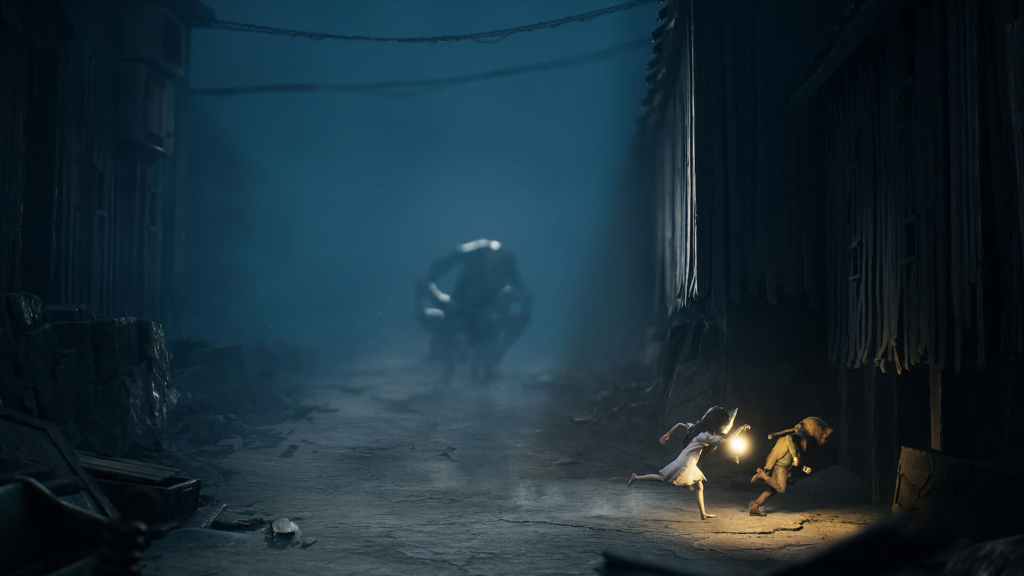
Renanimal embraces grotesque imagery and body horror to create an unforgettable experience. Developed by veterans of the horror genre, and many of those behind Little Nightmares, Reanimal focuses on transformation, decay, and the loss of humanity. From the opening moments, it is clear that this is not a game interested in restraint. Every environment feels eerie, and every enemy encounter reinforces the idea that something has gone horribly wrong in this world.
The core horror of Reanimal lies in its creatures. Enemies are not just threats to avoid or defeat, but disturbing reflections of what the characters might become. Their designs blur the line between animal, human, and something else entirely, creating a sense of terrifying unease that persists even during moments of calm. Combat exists, but it is deliberately clunky and resource-starved, reinforcing vulnerability rather than empowerment through evading enemies. When you are forced into a fight or flight situation, flight is always the safest option.
Narratively, the story unfolds through fragmented memories and environmental cues, slowly revealing its scope. Things are not obvious, and the player is often left to put it together themselves. Clues and hints are found throughout, but the narrative keeps things close to its chest, trusting the player to uncover it when they aren’t busy trying to stay alive. This integration of gameplay and narrative makes the horror feel cohesive rather than cosmetic.
For players who enjoy horror that pushes boundaries and embraces discomfort, Reanimal is a standout. It is not an easy game to play emotionally, but that is precisely why it works. Fans can look forward to its release on February 13th on PC, Xbox, PlayStation, and Nintendo Switch 2.
1) Resident Evil Requiem – February 27th
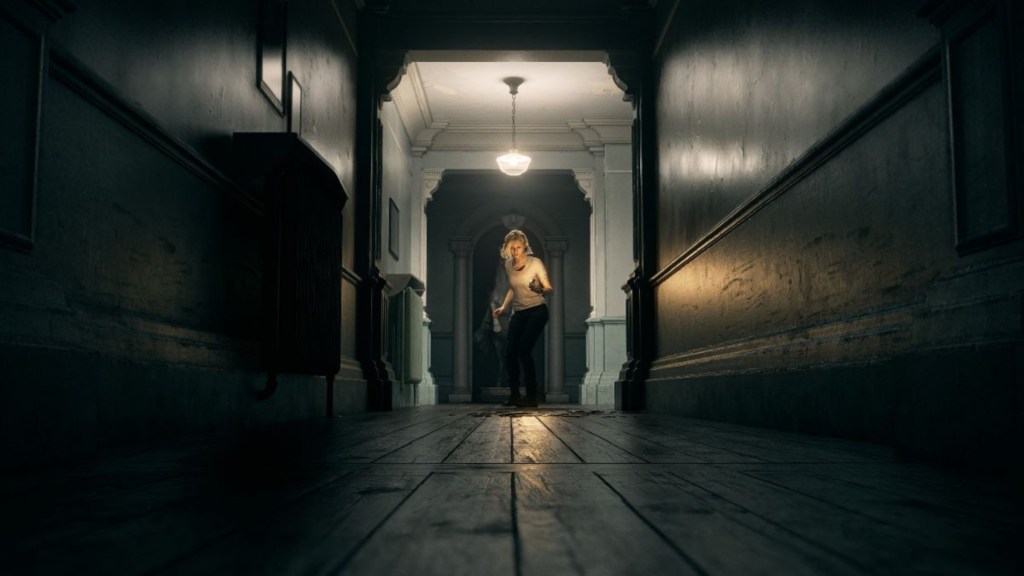
At the top of the list is Resident Evil Requiem, and perhaps at the top of 2026, a game that proves the survival horror genre still has room to evolve. As the latest entry in one of gaming’s most iconic horror franchises, expectations were understandably high. What makes Resident Evil Requiem special is how Capcom balances legacy with innovation. It respects the series’ roots while pushing its mechanics and storytelling forward in meaningful ways.
Atmosphere is where Resident Evil Requiem truly shines. Every location feels meticulously crafted, from dimly lit corridors to larger, more open areas that still manage to feel oppressive. Sound design plays a crucial role, with distant noises and subtle audio cues keeping players on edge. Even familiar mechanics like inventory management and puzzle solving are tuned to heighten tension rather than slow the pacing.
Combat in Resident Evil Requiem strikes a careful balance between empowerment and fear. Weapons feel impactful, but ammunition is limited enough to make every shot count. Encounters are designed to test decision-making rather than reflexes alone. Choosing when to fight and when to flee becomes a constant calculation, one that keeps players engaged from start to finish. This decision will be heavily impacted by the protagonists, Grace and Leon, as both play differently.
Narratively, the game leans into themes of loss, consequence, and inevitability. While it delivers the cinematic moments fans expect, it also allows quieter scenes to carry emotional weight and deep terror. Characters are given room to breathe, making their struggles feel grounded despite the supernatural threats surrounding them. This focus on character-driven horror elevates the experience beyond simple scares.
Resident Evil Requiem earns its place as February’s standout horror release by delivering a complete package. It offers fear, polish, and depth in equal measure. For long-time fans, it is a reaffirmation of why the series remains relevant. For newcomers, it is an accessible yet terrifying entry point into survival horror. February may be short, but with games like Resident Evil Requiem, it leaves a lasting chill that horror fans will not soon forget when it launches on February 27th.
What do you think? Leave a comment below and join the conversation now in the ComicBook Forum!
More Gaming
-

Courtesy of The Pokemon Company -
Courtesy of DinoBoss -

Image courtesy of Resolution Games