Every year, new video games are released, and series continue to thrive. But there are some video game series that have dominated the industry for generations, and they don’t look like they will slow down any time soon. Each typically follows the same pattern: a new entry launches, sales break records, online discourse explodes, and for a few weeks, it feels like everyone is playing the same thing. Then the cycle repeats the following year, often with only minor changes.
Videos by ComicBook.com
However, this cycle has begun to feel stagnant as many franchises have become annual. This has caused innovation to fall to the wayside, and many of the most popular series in the world have suffered as a result. The problem isn’t that the series has become bad, though some entries have failed more than others; it is that they are rarely surprising. As a result, these franchises need to stop, breathe, and reinvent themselves if they wish to recapture their former glory.
3) Assassin’s Creed
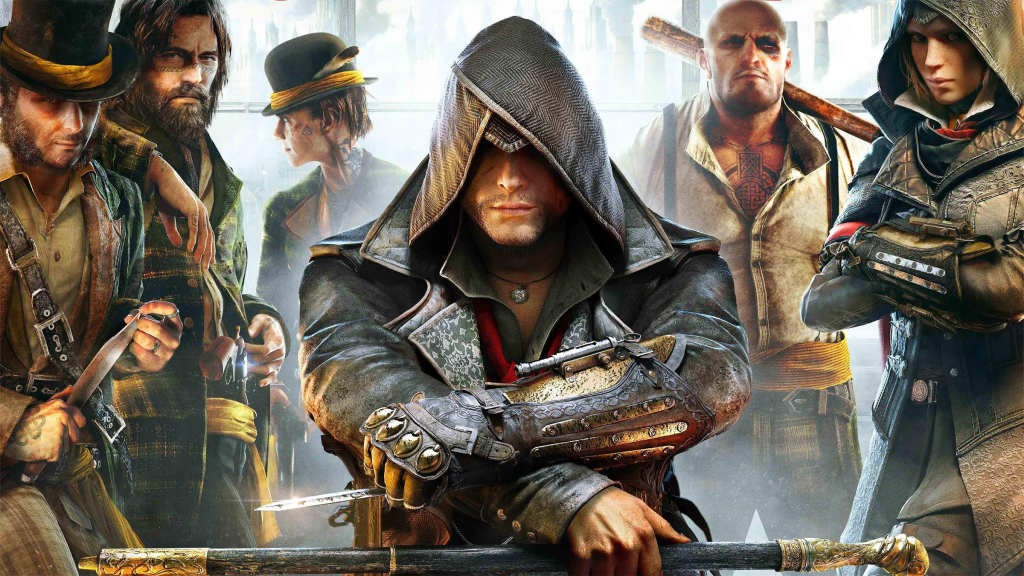
Ubisoft is known for chasing trends rather than believing in its identity, and no series shows this more than Assassin’s Creed. The franchise began as a focused stealth experience built around social blending and historical tourism. Over time, it evolved into a massive open-world role-playing formula. That shift paid off initially, and Assassin’s Creed Valhalla became the best-selling entry in the series, reportedly generating over one billion dollars in revenue. However, it landed in the low to mid-80s on Metacritic, a noticeable step down from earlier high points.

The issue is scale without purpose. Recent entries are enormous, but bloated. Main stories are padded with repetitive objectives, and the core fantasy of being a precise assassin has been diluted by combat-heavy design. Some of the worst-received entries, such as Assassin’s Creed Unity at launch, showed what happens when ambition outpaces polish, earning review scores in the low 70s and damaging trust.
A reinvention does not mean another genre shift. It means rediscovering focus. Smaller worlds, stronger stealth systems, and stories that respect player time could restore what once made the series feel special. More content is not the same as better content. Ubisoft needs to refocus on Assassin’s Creed and strip away the unnecessary content. Assassin’s Creed Shadows is proof that the series cannot keep going on the way it is going.
2) Pokemon

Pokemon is one of the most popular entertainment franchises of all time, with the games alone selling over 480 million copies globally. That success, however, has become a shield against meaningful criticism. Recent mainline entries have sold incredibly well while receiving some of the weakest reviews in the series’ history. Pokemon Scarlet and Pokemon Violet sold over 10 million copies in their first three days, yet currently sit in the low 70s on Metacritic, among the lowest scores ever for a core Pokemon release.
Technical issues are impossible to ignore. Performance problems, visual inconsistency, and bugs plagued the game at launch. More importantly, the design feels dated. While the series has experimented with open-world structure, the underlying systems have barely evolved. Battles remain largely unchanged, difficulty is inconsistent, and storytelling often feels aimed at obligation rather than inspiration. Pokemon Legends: Z-A was a welcome change, but this isn’t enough, especially considering its own issues.
Some of the worst-received entries, such as Pokemon Brilliant Diamond and Shining Pearl, highlighted how nostalgia alone cannot carry a game. Reviewers criticized their lack of innovation and faithfulness to a fault. A reinvention for Pokemon means slowing down release schedules, investing in technology, and trusting players to embrace deeper mechanics. The world’s most recognizable creatures deserve worlds that feel alive and complete. If the leaks are true, this may be the franchise’s direction, but it remains to be seen.
1) Call of Duty
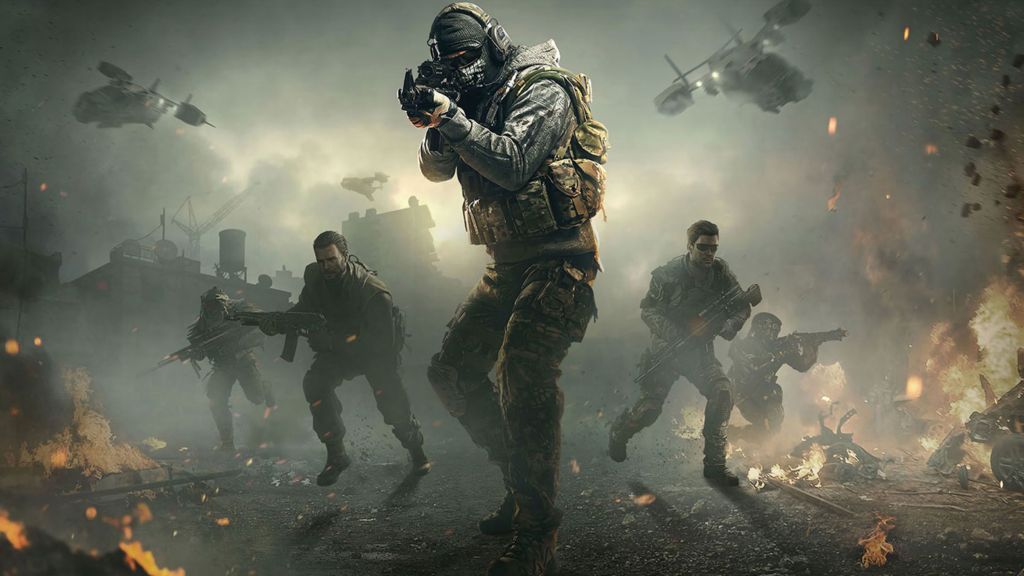
Few franchises define modern blockbuster gaming like Call of Duty. The series has sold over 425 million copies and regularly dominates sales charts. Call of Duty: Modern Warfare II in 2022 reportedly surpassed one billion dollars in revenue within its first ten days. Yet despite this financial dominance, critical reception has increasingly declined. Recent entries often land in the high 70s to low 80s on Metacritic, far from the near-universal acclaim of earlier titles like Call of Duty 4: Modern Warfare.
The biggest issue is exhaustion, largely in part due to annual releases. This leaves little room for innovation or experimentation. Mechanics are tweaked, not transformed. Campaigns fluctuate wildly in quality and length, with some of the worst-received entries, such as Call of Duty: Ghosts, earning scores in the mid-70s and failing to impress fans. Multiplayer remains popular, but increasingly dependent on live service models that prioritize engagement over cohesive design.
Warzone proved that reinvention is possible within the brand. It was fresh, confident, and disruptive, even if it followed the same pattern as the core series. Call of Duty needs to rediscover that courage. A longer development cycle, fewer releases, and a willingness to rethink progression and monetization could restore creative energy. Call of Duty does not need to disappear, but it certainly needs to take a break.
What do you think? Leave a comment below and join the conversation now in the ComicBook Forum!
Most Viewed
-

Image Courtesy of TOHO -

Image Courtesy of Crunchyroll -

Image Courtesy of Marvel Comics -

Image courtesy of Marvel Studios