When it comes to the “Golden Age” of Marvel Games, the 2000s are often what players point toward, as many stellar titles were released within that decade. From memorable single-player adventures to unforgettable multiplayer experiences, games featuring Marvel heroes and villains were some of the most popular projects of that era. However, this meant that several games came and went without as much recognition, creating a library of lost titles that have been lost to the throes of time.
Videos by ComicBook.com
The 2000s saw some truly incredible Marvel games, such as Ultimate Spider-Man, Marvel Ultimate Alliance, Spider-Man: Web of Shadows, and even unexpected gems, such as the licensed title for X-Men Origins: Wolverine. While there were many great Marvel games, especially a few featuring one particularly friendly neighborhood wall crawler, many more didn’t receive as favorable of a reception. Although there were plenty of one-off movie tie-in games, Marvel experimented with a variety of projects that didn’t quite have the lasting power of the former games mentioned.
4. The Punisher: No Mercy (2009)
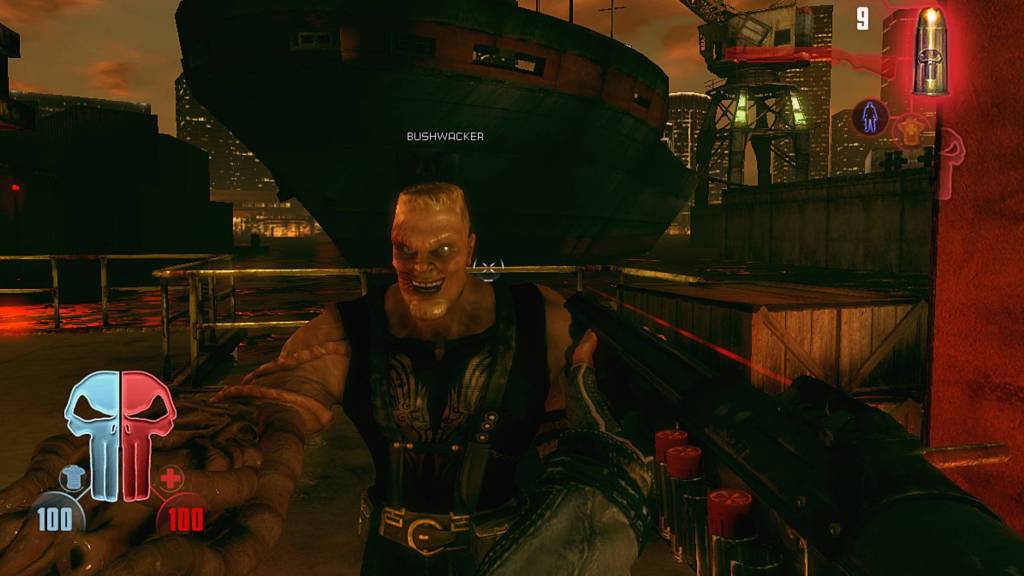
There were multiple games featuring The Punisher in the 2000s, but I would be surprised if any player remembered The Punisher: No Mercy from 2009. This game is a rare first-person shooter, a genre you don’t see used as a template for superhero games very often. Instead of a top-down or third-person hack-and-slash angle, players could control The Punisher much like they would a Call of Duty or Halo character. This makes sense for The Punisher, whose brand of lethal justice usually comes from a full arsenal of weapons.
This title is more of an arena shooter or rail shooter than a game like GoldenEye 007, or something similar with a traditional single-player campaign. The story of the game is simply four matches on different maps, with varying game types forcing the player to adapt to changing situations. Players can carry three weapons at a time, but beyond that, there isn’t too much flexibility in the gameplay. Overall, the game is a short experience, which is likely why it is so forgettable compared to other Marvel-related projects.
Yet, this game does have somewhat decent multiplayer, for both local and online play. Multiple modes sometimes pitched one player against several others, or had teams group up together for team deathmatch competitions. This is incredibly similar to other FPS multiplayer structures, but The Punisher: No Mercy differed in how players could select unique styles of play. There were eight playable characters in this game, each acting like a loadout with their own abilities and skills. Although the bare minimum for an FPS, The Punisher: No Mercy stands out from other Marvel games of its time.
3. Marvel Nemesis: Rise Of The Imperfects (2005)
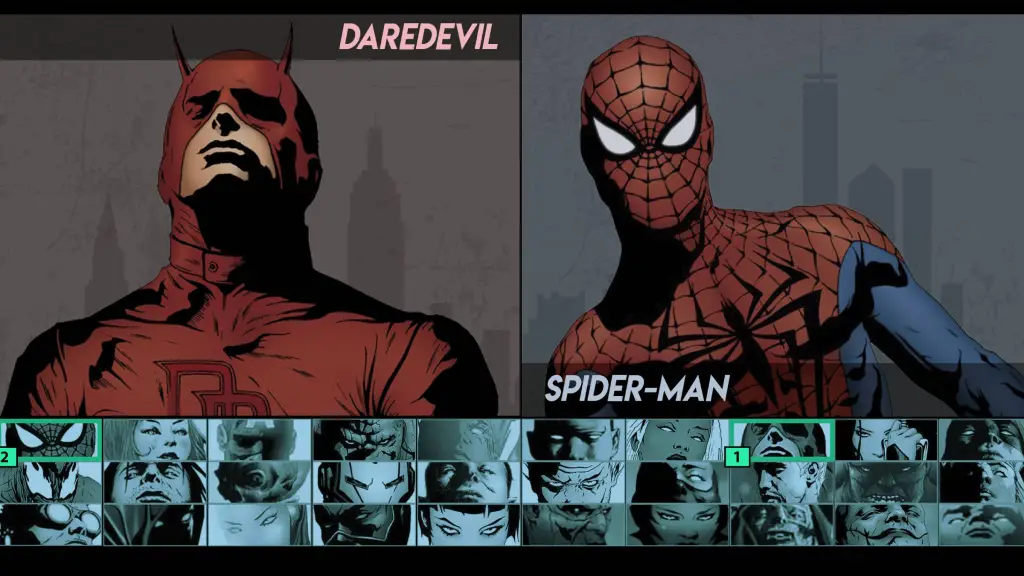
Marvel Nemesis: Rise of the Imperfects was a smaller title released in 2005 by EA, developed as a “fighting game” that was far closer to an arcade experience that something refined like Marvel Tokon: Fighting Souls that you’d see today. This game had similarities to the Power Stone series, where players selected a character and fought against enemies in beat-em-up arenas. Although it would get overshadowed by the similar Marvel Ultimate Alliance a year later, Rise of the Imperfects was almost a prototype of what that game would later offer.
The fights in this game are pretty straightforward, with finishing moves against enemies being the biggest highlight of combat with different characters. Rise of the Imperfects has an impressive roster from across Marvel, including fan-favorites like Spider-Man and Daredevi. At the same time, other well-known characters like Doctor Doom, Venom, Captain America, Iron Man, and the Thing are here, before the MCU popularized the existence of some figures. Players could also control the game’s Imperfect characters, who were not from the comics, existing instead as original figures for the title.
The simplified gameplay of Rise of the Imperfects likely led to its downfall, as it didn’t offer the same replayability as Marvel Ultimate Alliance would in 2006. That being said, some players still look back fondly on the casual fun of this title, especially when it came to having some characters that Ultimate Alliance did not. Limited multiplayer may have also held this game back, but the challenging AI made the single-player content somewhat more rewarding for those looking for tougher enemy encounters.
2. Ghost Rider (2007)
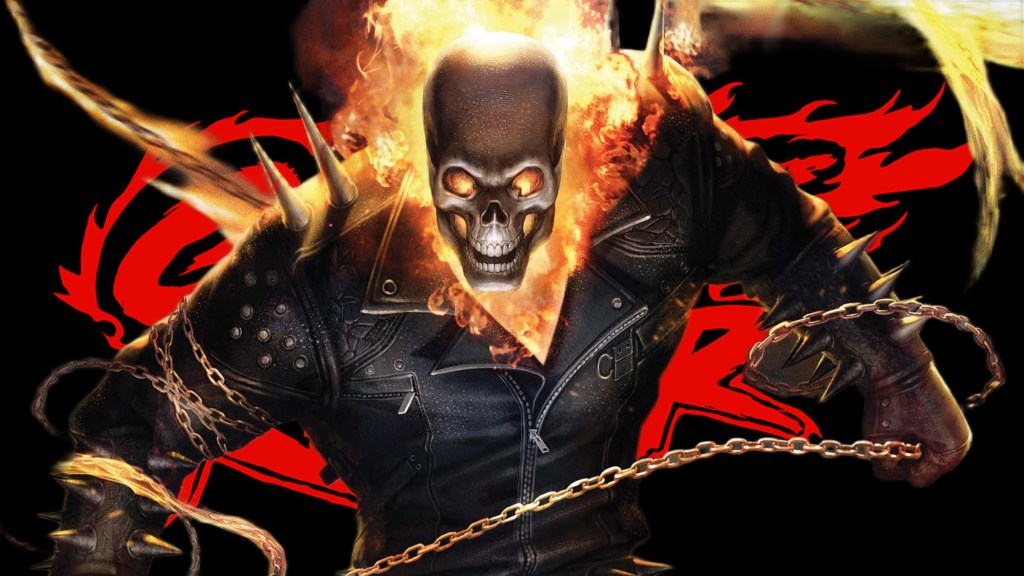
There are two distinct versions of Ghost Rider‘s 2007 movie tie-in games, either the hack-and-slash found on the PlayStation 2 or the side-scrolling adventure on the GameBoy Advance. Similar to the differences between editions of Ultimate Spider-Man from 2005, Ghost Rider had experiences dependent on how you played it, yet never mixed its best elements together to create something as memorable as X-Men Origins: Wolverine. On the one hand, Ghost Rider on the PS2 played close to the Greek God of War games, while the GBA version was closer to something like Castlevania.
The gameplay of the PS2 version has similarities to God of War and Devil May Cry, with fast-paced combat relying on player button combos and surprsingly deep decisions to change up your fighting style. Perhaps the best feature of Ghost Rider was that players could play as multiple characters other than the Johnny Blaze version of the Ghost Rider, as well as someone like Blade. Blade, the traditional Ghost Rider, Ghost Rider 2099, and a character called Vengeance were all available, each with their own play styles.
Racing was also featured in this game, using Ghost Rider’s flaming motorcycle or other vehicles depending on who you play as. The story of the game is fairly close to an average Ghost Rider plot from the comics too, with the narrative being penned by Garth Ennis and Jimmy Palmiotti, two writers with Marvel experience. The mixture of genres and shorter story may have led to this game falling out of players’ perceptions, preventing it from becoming a cult classic like Rise of the Imperfects ended up being.
1. X-Men: Mutant Academy (2000)
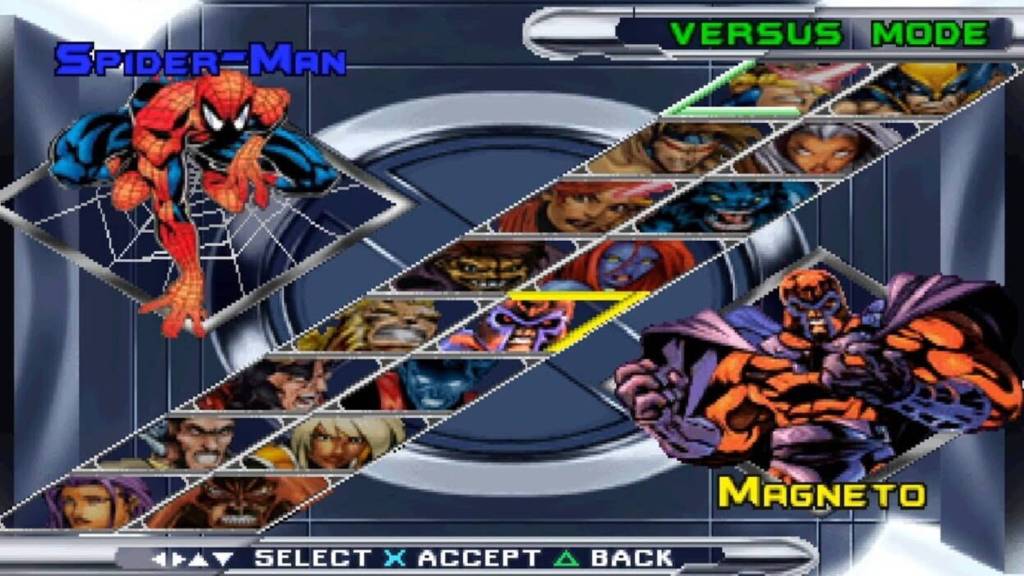
X-Men: Mutant Academy is a fighting game from 2000, coming out in the same year Marvel vs Capcom 2 came to home consoles. That fact alone likely made it overshadowed by the legendary 3v3 arcade title, but the innovations of Mutant Academy can’t be fully ignored. For starters, the game had a much larger roster of X-Men characters than Marvel vs Capcom ever did, featuring heroes like Nightcrawler, Beast, or villains like Mystique. With Spider-Man as a secret character in the game too, the selection of Marvel figures from the mutant side of comics wasn’t bad.
This game attempts to imitate the rise of 3D fighting games at the time, such as Soul Calibur or Tekken. With small arenas and 3D characters, movement felt somewhat stiff in Mutant Academy compared to the other titles mentioned. Six buttons for the game made it more complex than other 3D fighting games, which typically use four. By using mechanics from a 2D game like Street Fighter in its 3D setting, there was a strange clash of ideas here, which fans either loved or hated. The GameBoy Color version of this game was far simpler, almost to its determent by being shockingly easy.
This game was a basic fighting game from top to bottom, with a standard Arcade and Story mode similar to modern titles in the genre you’d see today. Survival modes and Training expanded what players could do, but the release of other great fighting games in the years following Mutant Academy‘s release made it hard to remain in players’ minds. Today, it is a niche reference in a saturated genre, marking yet another Marvel game that has come and gone over the years.
More Gaming
-
Image Courtesy of Activision -

Courtesy of Wizards of the Coast