Acquisitions are generally bad since power consolidation and losing competition is anathema to quality. While fluffy corpo speak can try to falsely paint these sales as a benefit for everyone, it’s often just a word salad of lies meant to satiate the ever-ravenous shareholders. This has borne out many times in the gaming world as clueless titans like Embracer Group have attempted to snatch up anything that wasn’t nailed down, almost always to the detriment of those studios. The $55 billion EA leveraged buyout that just went through reeks of this rancid energy and has stunk since reports about it started leaking out. But this stench is just a preview of how much worse it’s likely going to get.
Videos by ComicBook.com
The EA Buyout Will Lead to Layoffs
First and foremost, it is unlikely this deal is going to have anything but an adverse effect on the creatives actually making the games. This deal comes with around $18 billion in debt — $1.8 billion a year with interest — which is, obviously, a massive amount. This means EA has to come up with ways to make up this eye-watering amount of money in order for the new buyers to turn a profit. And since it is a leveraged buyout, this means the buyers are taking out a loan partially using EA’s own assets. It’s the type of white-collar scheme that sounds like it would be illegal.
While a normal human might think EA needs to put out great games in order to get this cash, executives often take the shortest route to cutting costs by cutting staff. Layoffs have been a cancerous tumor in the gaming industry brought upon by corporate greed, especially in the past few years, and that lust for money has only gotten exponentially more egregious.
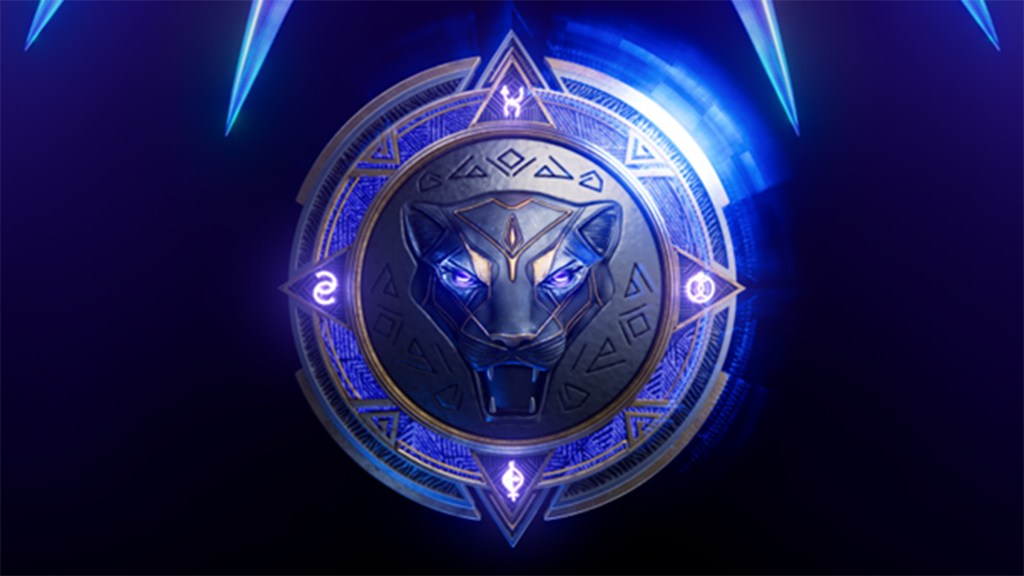
EA hasn’t been exempt from this, either. It cut around 200 testers in February 2023, 6% of its workforce in March 2023, another 5% in February 2024, dozens at BioWare in February 2025, around 300 to 400 people in April 2025 and an undetermined amount when it axed Cliffhanger Games and canned the Black Panther game and a Titanfall title, some Skate developers in February 2026, many who worked on the successful Battlefield 6 in March 2026, and even more workers in June 2026. For context, EA CEO Andrew Wilson’s recent bonus rose from around $30 million to $38.7 million because its games from Skate to Battlefield 6 met “all milestones.” Other executives like chief financial officer Stuart Canfield, president Laura Miele, chief people officer Mala Singh, and chief legal officer Jacob Schatz got big payouts, too.
More layoffs are inevitable and stated implicitly by its plan to cut $170 million in annual costs through “organizational efficiencies.” EA’s statement here and history make this clear, but Microsoft’s recent acquisition of Activision Blizzard makes this even more clear. Microsoft said it would “maintain the pre-merger status quo” only to consistently lay off thousands of workers, a contradiction that caught the eye of the Federal Trade Commission. The annual bloodbaths at Xbox are, without a shadow of a doubt, at least partially tied to the acquisition, despite the lies Microsoft told to jam it through. While the scale may be different, it’s only a matter of time before EA’s executives sharpen their blades.
EA’s Games Will Suffer Greatly and Probably Have AI Slop

Laying off developers creates a physical and mental impediment to making great games. Even though some developers like BioWare publicly spin the cuts as a way to be more “focused,” forcing fewer people to make a big game seems hypocritical. The emotional anguish that comes with not knowing how safe your job is also doesn’t create the best working conditions, something Xbox employees have expressed as they wait for the next wave of layoffs. The Sword of Damocles hangs over every studio, particularly ones being acquired.
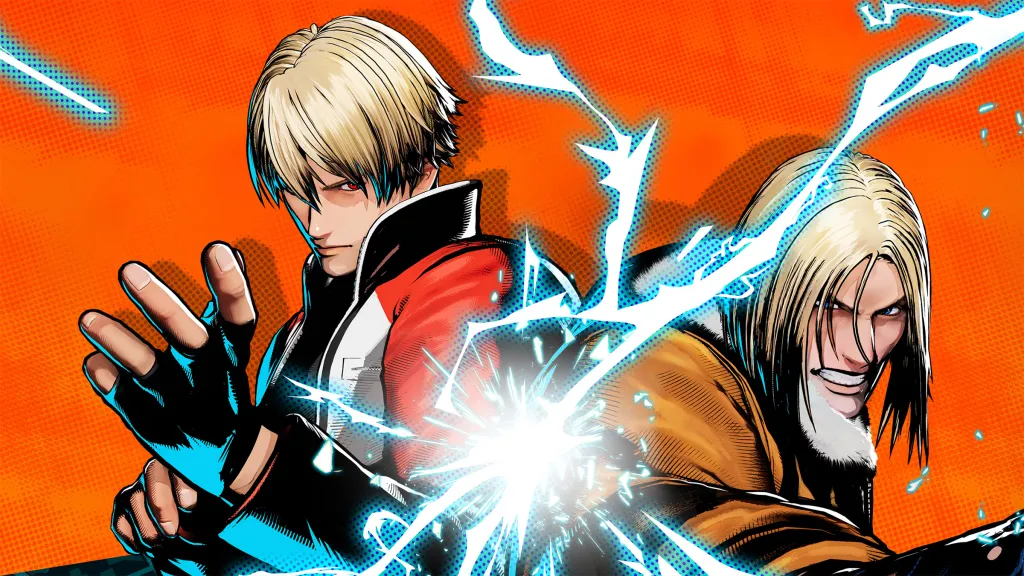
Being in the clutches of the Saudi Arabia Public Investment Fund is just another hurdle. The PIF has put its hands in all sorts of gaming studios like Capcom, Nintendo, Take-Two Interactive, and Nexon, just to name a few. The Misk Foundation, a nonprofit established by Crown Prince of Saudi Arabia Mohammed bin Salman, has gone a lot deeper by outright buying SNK, and the effects have been obvious. Fatal Fury: City of the Wolves came out in 2025 with two characters that raised eyebrows: famous soccer player Cristiano Ronaldo and DJ Salvatore Ganacci.
Fighting games are no stranger to guest characters — Mortal Kombat alone has proved that — but these two are tied to Saudi Arabia. Ronaldo plays for the PIF-funded league Al-Nassr and had dinner at the White House with bin Salman, while Salvatore has performed at regime-funded festivals in Saudi Arabia like MDLBEAST. The two had no place being in the game, yet they were granted slots likely because of their closeness to those holding the cash.
The obvious meddling didn’t stop at launch. The trailer for City of the Wolves’ second season of DLC was made with generative artificial intelligence, which rightfully drew a ton of criticism. Like all slop slopped out by the slop machine, it’s absolutely hideous and craps all over the hard work the humans behind the scenes put in the game. The Saudi Arabian government has dubbed 2026 “The Year of AI,” ensuring that it will be part of a “whole-of-government initiative touching every ministry, agency, and public service.” Its enthusiasm for this nasty tech is seemingly already starting to bleed into its game development sectors, and, sadly, this is probably just the beginning of it.
And if it starts with adding characters and forcing AI in marketing materials, who is to say its tendrils won’t be more intimately embedded in future games? What if the next Mass Effect — which, pessimistically, seems unlikely to make it out the door — or Sims game can’t have any queer romances? What if the antagonists in the next Battlefield are shifted and whitewashed to avoid angering certain Saudi allies? EA’s output, ignoring sports, has dwindled, so perhaps this may not be as much of a problem as it would have been 15 years ago, but it’s impossible not to wonder about possible censorship and interference.
The EA Buyout Is Another Attempt to “Gameswash” an Abusive Regime
The aforementioned festivals, soccer leagues, and gaming ventures are all an attempt for the regime to diversify its portfolio and launder its image. The repressive monarchical government has had a long history of human rights abuses like sentencing dissidents to death for online posts, forced labor, executing activists and journalists, killing migrants at the Yemeni border, and allegedly torturing and killing Washington Post journalist Jamal Khashoggi in 2018, all of which slot into its litany of atrocities.
Knowing how these monstrous acts come off, the administration has tried to tie itself to entertainment to soften the perception people have of the country. This is why it has poured money into golf, wrestling, tennis, UFC, soccer, F1, MMA, comedy festivals, esports, video games, horse racing, cycling, billiards, and more. Attempting to use well-loved hobbies to wash the blood off is a soft power initiative called “sportswashing” or, in the case of EA and its other gaming endeavors, “gameswashing.” It’s an old practice that even links back to the 1936 Olympics that were held in Nazi Germany.
The EA buyout’s connections to the Saudi government are obvious, but the PIF was not the only entity involved here; Silver Lake Partners and Affinity Partners had hands in this, too. Affinity is a private equity firm owned by President Donald Trump’s son-in-law, Jared Kushner, and coincidentally happens to have a company logo that looks almost exactly like the one for Abstergo Industries, the nefarious Templar-run company in Assassin’s Creed.
Kushner has often rubbed shoulders with Saudi Arabia’s power players. After he spent years negotiating with the Saudi government, Affinity secured a $2 billion investment from the PIF just six months after Kushner left the White House in 2021, a payment that looked like a payoff for their time and deals together. This was just a few years after bin Salman reportedly said Kushner was “in his pocket.” A New York Times investigation even found Affinity had earned $157 million in fees but reported no profits for its investors. Affinity is also being investigated by the House Judiciary Committee for conflicts of interest. This connection and the blatant corruption festering within it are key to this EA buyout, as it seems like just yet another avenue that links the two entities and allows for even more access and shady deals. Somewhat like the BDS boycott of Xbox, this corruption is so much bigger than video games, but now it includes them.
Believing in the Buyout’s One Tiny Silver Lining Is Farcical

This buyout is, by every single possible measurement, abysmal. It’s awful for the industry, the people who work in it, those who enjoy playing video games, and those who don’t want to see more companies pushed into the pocket of categorically evil people who are worse than the average gaming CEO. The smallest silver lining, though, is that this move could, technically, free up some teams and franchises EA has held in its stable since being privately owned means EA doesn’t have to answer to shareholders. This means more niche franchises could come back or, in an effort to clear debt, teams or IPs could be sold off. Imagine BioWare or Respawn Entertainment being freed or Dead Space, Mirror’s Edge, Burnout, Mercenaries, or any of the other dormant series being sold to publishers that will actually foster them.
Anything is possible, but it is naive to believe anything close like this will play out. It’s more likely that EA will shut down teams and primarily focus on the gambling-esque sports games that rake in billions — the debt has to be cleared somehow — all while hoarding all the games that helped make the publisher successful. As angel investor Nick Button-Brown notes, profits can’t be reinvested into games because of the debt, meaning it will severely hamper EA’s ability to invest in future games and lead to the safest bets imaginable.
As previously stated, it’s possible some teams escape in order to shore up some debt, but assuming anything positive will come out of this is a bit foolish. There’s also a slim chance it will let an indie game or two slip through or allow Hazelight Studios to continue doing its thing for the appearance of good vibes, however, it’ll probably be in the context of wider destruction.
EA has been widely hated for decades. It was notorious for buying studios and shutting them down, injecting all sorts of microtransactions in its games, enforcing crunch, and watering down certain titles. If there’s an odious practice in the gaming industry, chances are EA has tried it or pioneered it.
But this buyout goes beyond that. It amps up the cultural vandalism EA was already partaking in and puts the hatchets in the hands of two morally bankrupt regimes hellbent on making the world at large a worse place. EA’s place in the industry has long since been controversial, but it has at least provided worthy games like Split Fiction or the Dead Space remake every now and again and, more importantly, didn’t commit human rights abuses. However, even that slow drip feed will probably be almost all but cut off, all to line the pockets of and give more political power to increasingly terrible people who somehow have even less respect for the medium and the creatives who fuel it.
What do you think? Leave a comment below and join the conversation now in the ComicBook Forum!
More Gaming
-

Courtesy of Ubisoft