Mistakes can be constant in Dungeons and Dragons if you don’t know what you’re doing, easily making the TTRPG overwhelming and frustrating as you try to play. To avoid confusion, there are some details to remember that can help integrate yourself into collaborative storytelling without issue. Whether it is focusing more on character creation or roleplaying, being a beginner doesn’t have to come with setbacks every session.
Videos by ComicBook.com
Remembering rules and stats isn’t the only way to go through a lengthy D&D adventure, as no one can remember every single restriction in the game, not even the most veteran Dungeon Master. However, ignoring or misinterpreting specific wordings within the TTRPG can easily lead to you making crucial mistakes beginners tend to fall into. In some cases, making these mistakes can prevent your character from feeling impactful in your adventure, especially in big moments that matter the most.
5. Forgetting How Your Character Approaches Attack & Damage Rolls

Combat is something all beginners to D&D tend to struggle with, for a number of reasons. Calculating initiative, managing character features, and trying to coordinate with your party can all be hard to juggle. That being said, one of the big mistakes players make is messing up how their character hits enemies and damages them in the heart of intense battles. Considering how often players use weapons and spells to take down enemies, knowing the fundamental flow of combat will prevent fights from becoming multi-hour slogs.

Every character has unique ways they approach combat depending on their skills. For example, Warlocks use their Charisma modifier to add to their spell attack roll, with that ability score affecting the accuracy of their magic. That being said, it’s easy to confuse rolling to hit a target with putting together dice that deal damage. Knowing where your character’s proficiency weighs into either of those numbers can help speed up your turns in combat, narrowing your focus on your unique strengths during a fight.
4. Creating Someone That Doesn’t Interact With Others
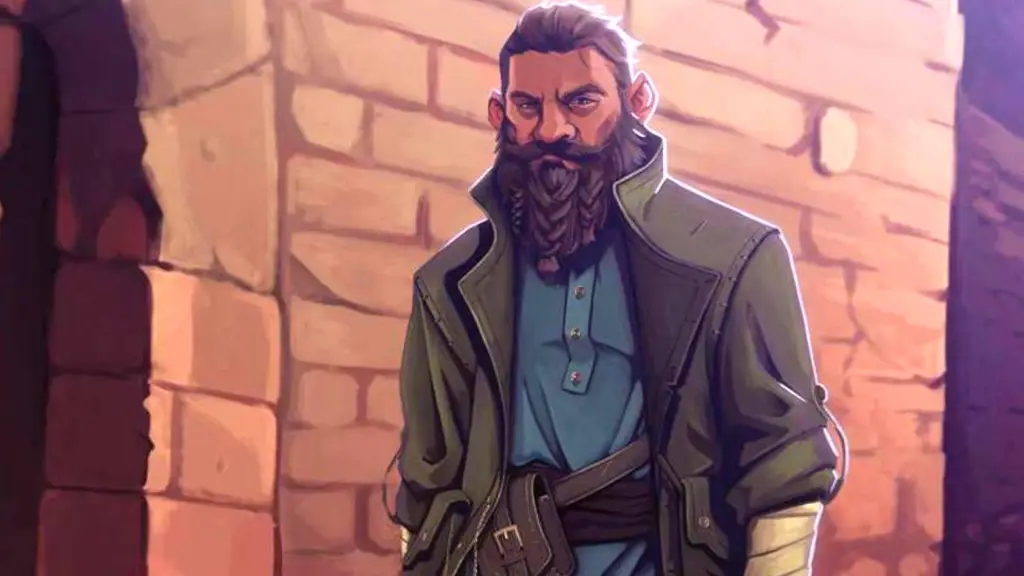
Mechanics aren’t the only avenue where players can make missteps, as the cohesion of a party is also reliant on how character personalities mesh together. Too often, beginners to D&D will use the TTRPG’s multiple source books to just create a character that embodies the “lone wolf” or “stoic mute” archetype. It’s important to remember that D&D is a game that benefits from character cooperation and interactions, so making the personality of someone you play openly antagonistic to working with others often puts you at an disadvantage.
While something that can exist in movies and TV, a “strong, silent type” in D&D is a recipe for disaster. This kind of character is tempting for beginners, but it invites bad habits for roleplaying, such as becoming the dreaded “murder hobo” that acts outside of any party cooperation. There’s nothing wrong with having a quiet or troubled character, but when you impose unnecessary restrictions on yourself through their lack of interaction, then it becomes difficult to enjoy the game to its fullest.
3. Choosing A Weapon Your Character Can Barely Use
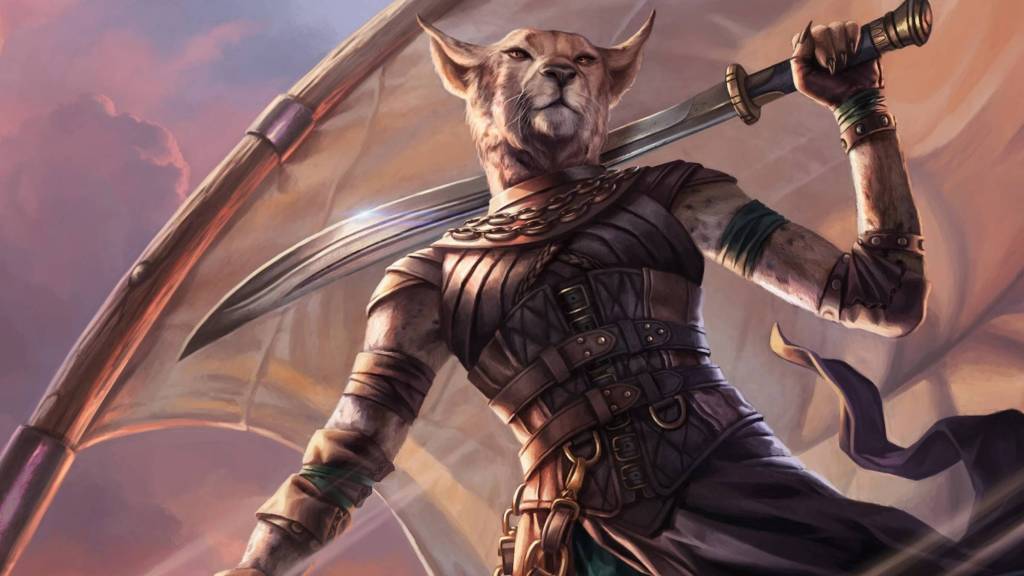
Choosing a weapon in D&D may seem like a simple choice, but it’s not as easy as just picking whatever tool looks the coolest. Weapons have stricter rules than you might imagine, having their proficiency and effectiveness tied to certain rules within the game. Using a weapon your character isn’t suited for is an easy way to struggle during any combat encounter, hurting your chances to assist your party during times when they need you.
Instead of looking at raw damage numbers or various weapon benefits, it’s better to look at how it is organized in the larger arsenal of D&D. For example, some weapons only use a character’s Dexterity, like bows or thrown daggers. If your character is more geared toward Strength, you likely don’t want to use a weapon that only relies on a Dexterity score you don’t have. Other factors, like simple vs. martial weapons, should also be studied ahead of time so you don’t accidentally have an item that hinders your character.
2. Not Doubling Down On Skills That Compliment Your Character
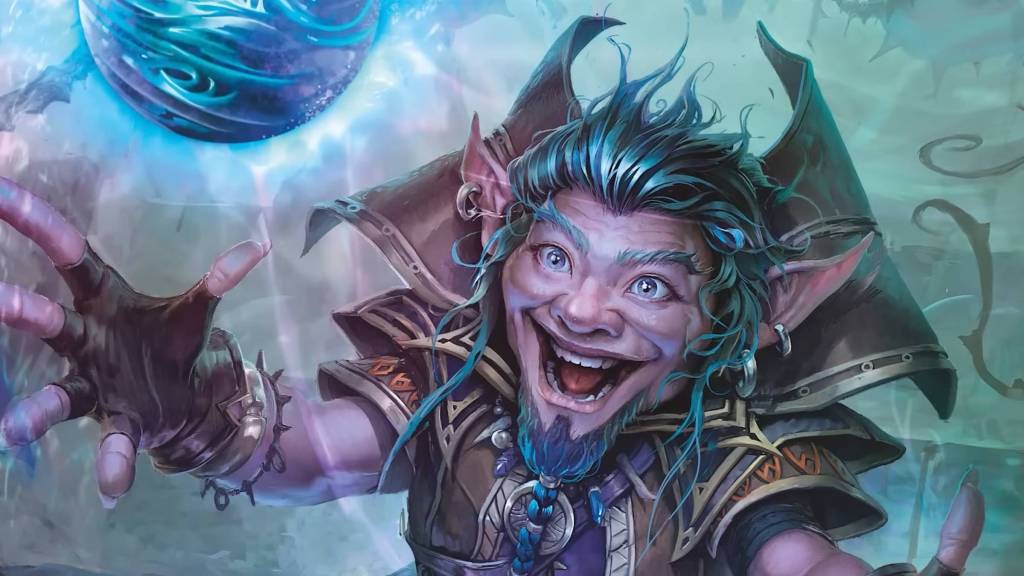
Some players tend to not focus on their skills too much, taking proficiencies haphazardly as they create their first character. Most of the time, a “jack-of-all-trades” approach tends to leave beginners spread out in their skills, with nothing really standing out. Yet, as skills are tied to specific Ability Scores, players are better off being meticulous with the bonuses assigned to their build.

A good rule of thumb with skills is to connect with ones tied to your character’s best stat. Skills like Athletics are great to double down on if you’re a Barbarian or Paladin, who use Strength as a primary Ability Score for most builds. Likewise, Charisma-driven Warlocks or Bards can gain proficiency in Persuasion, Intimidation, or Deception to create unique strengths for their character that other members of their party don’t have. Depending on your class or subclass in D&D, you should try to see what skills compliment them best.
1. Trying To Do Everything At Once
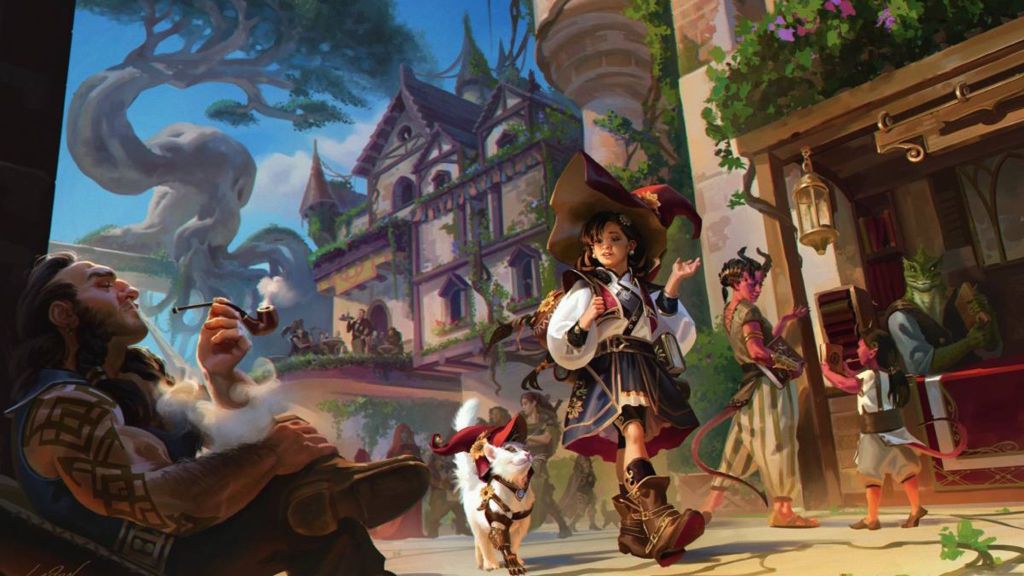
D&D is already a complex game, but beginners can make it far harder than it needs to be by giving themselves too much to do for their first game. Trying to build a multiclass character, attempting to drive every conversation or quest, and overloading on spells are just a few examples on how beginners burn themselves out quickly. This TTRPG is collaborative first and foremost, but it’s easy to get a “main character complex” that makes every aspect of the game twice as hard.
Having a straightforward character as your first one is perfectly fine, while complex archetypes might be too much for a beginner to the game. As an example, Wizards with too many spells might be hard to juggle as beginners try to cast certain spells, but Warlocks have streamlined magic that’s easier to select. Knowing your limits while taking your time to understand the rules of D&D can help you take a good first step if you are a beginner playing the iconic TTRPG for the first time.
What mistakes have you seen beginners in D&D make often? Leave a comment below or join the conversation in the ComicBook Forum!