One of the most unexplored themes of gaming is pirates. Every few years, the theme explodes in popularity, only to disappear again for long stretches of time. Yet whenever a great pirate game actually lands, players immediately remember why the fantasy works so well. Sailing across open waters, hunting treasure, upgrading ships, and engaging in naval combat taps into a sense of freedom that few other settings can replicate. I have always loved pirate games because they naturally combine exploration, combat, and adventure in a way that feels limitless. My dream game would be a pirate version of Red Dead Redemption 2.
Videos by ComicBook.com
While my dream game isn’t coming, 2026 has suddenly become packed with pirate games across multiple genres. Some focus on large-scale naval warfare, while others lean into RPG systems or survival mechanics. We even have the return of one of the most beloved pirate adventures ever made. Between breakout hits and ambitious newcomers, it genuinely feels like the pirate genre is having a massive resurgence, and I do not think it is slowing down anytime soon, thanks to these four titles.
4) Corsairs: Battle of the Caribbean
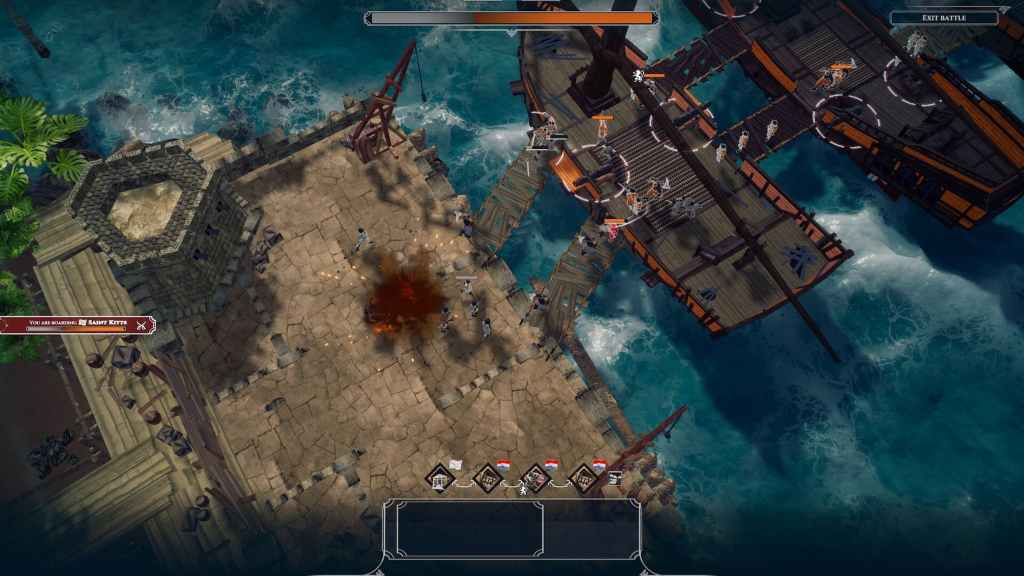
Corsairs: Battle of the Caribbean stands out because it leans heavily into large-scale naval strategy, including ship-to-ship combat. Unlike more action-focused pirate games, this one emphasizes fleet management, ship battles, and controlling the seas through tactical decision-making. Players can command fleets, engage in historical naval conflicts, and expand their influence across the Caribbean. That focus on strategy helps separate it from many other pirate games.
Corsairs: Battle of the Caribbean appeals to players who want methodical ship combat and large-scale planning rather than direct action. The naval battles themselves look especially promising. Cannon fire, positioning, and fleet composition all appear to play major roles in combat. Pirate games often struggle to make ship battles feel tactical without becoming overwhelming, but Corsairs seems to strike a strong balance based on its previews.

Fans rarely get pirate strategy games with this level of scope. Most modern pirate games focus heavily on open-world action. Seeing one fully commit to naval warfare and empire-building feels refreshing. The question remains whether it can live up to the hype, as we have many great strategy games already available. But few focus so heavily on naval combat, making this an unexpected treat in 2026.
3) Seas of Remnants

Sea of Remnants is probably the strangest game on this list in the best way possible. Its visual style alone immediately grabs attention. The game combines anime-inspired aesthetics with surreal ocean fantasy elements that make it feel completely distinct from traditional pirate games and give it a bit of a One Piece vibe.
It emphasizes exploration, mystery, and building relationships with characters while uncovering secrets hidden throughout the sea. Rather than focusing purely on combat, the Sea of Remnants is built around atmosphere and discovery. Pirate games are the best when they lean into the unknown side of the setting, because the ocean naturally lends itself to mystery. Sea of Remnants aims to embrace that fully through strange islands, supernatural elements, and bizarre creatures.
The ship customization and crew systems also look deeper than I initially expected. Managing your crew and strengthening relationships seem to play a major role in progression. That RPG focus helps the game stand apart from more combat-heavy entries in the genre. Finally, there is also something refreshing about seeing a pirate game that is not obsessed with realism. Many modern pirate titles aim for historical authenticity, but Sea of Remnants feels more interested in creating a dreamlike fantasy world.
2) Windrose

Windrose has quickly become one of the biggest pirate success stories of the year. The game blends survival mechanics, exploration, and ship management into an experience that feels massive in scale. Since launch, it has built a strong community thanks to its open-ended design and rewarding progression systems. What impressed me most was how immersive the sailing feels. Managing your ship is not just a background mechanic, but central to the experience.
Weather, resource management, and upgrades all impact how you explore the world and approach encounters. The sense of discovery is also a highlight; there is always another island to investigate or another hidden location waiting beyond the horizon. That constant curiosity is what keeps pirate games engaging for dozens of hours. The survival systems also add tension without becoming frustrating. Gathering supplies, maintaining your ship, and preparing for long voyages creates a strong sense of adventure.
I especially appreciate how the game rewards preparation rather than simply relying on combat skill. More than anything, Windrose proves there is still massive demand for pirate games when developers fully commit to the fantasy. Players clearly want these worlds and want to get lost in them. Combining the pirate aesthetic with more survival themes is genius, and there is no doubt that Windrose will make a name for itself as a pirate and survival game.
1) Assassin’s Creed IV: Black Flag
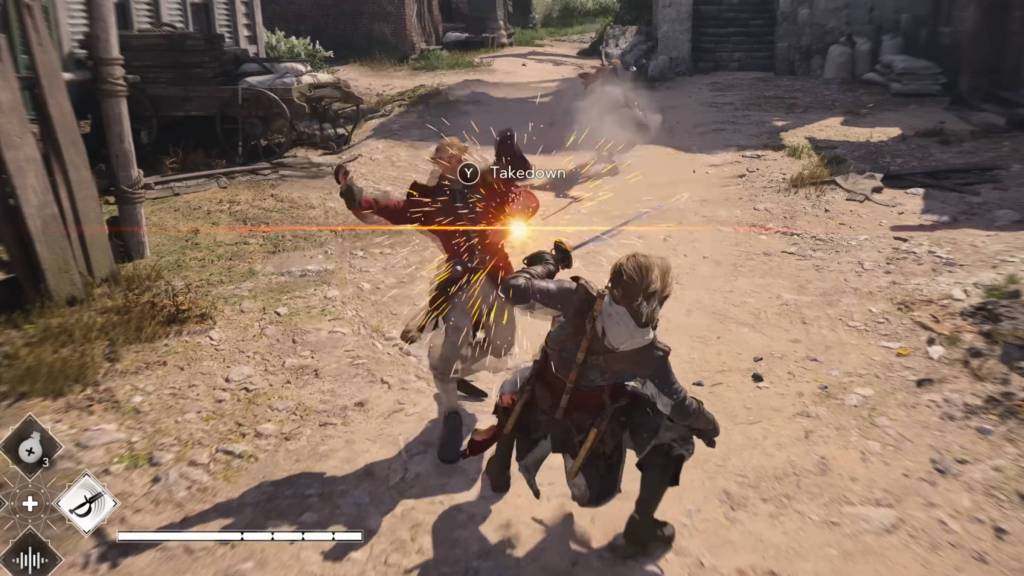
Even after more than a decade, Assassin’s Creed IV: Black Flag remains the gold standard for pirate games. Ubisoft created an experience that appealed equally to Assassin’s Creed fans and players who simply wanted to live out the fantasy of being a pirate captain. The remake is poised to catch lightning in a bottle twice, and it certainly helps that Edward Kenway remains one of the franchise’s best protagonists because of how naturally he fits the setting.
His journey from selfish privateer to reluctant hero perfectly matches the tone of the game’s world. The story balances political conflict, pirate mythology, and personal ambition exceptionally well. Of course, the real reason people love Black Flag is the sailing. Few games have ever captured the feeling of commanding a ship as successfully as this one. Hearing the crew sing sea shanties while storms rolled across the ocean created moments that still stick with me years later.
Ubisoft modernizes the visuals and mechanics while preserving the original’s atmosphere, creating what could easily become one of the biggest releases of the year. What makes Black Flag so important is that it proved pirate games can succeed on a massive scale. No pirate game has managed to top it, and it remains to be seen if the remake can beat the original. But there is no doubt that the year of the pirate is being headlined by Assassin’s Creed IV: Black Flag Resynched.
What do you think? Leave a comment below and join the conversation now in the ComicBook Forum!
More Gaming
-

Courtesy of Epic Games -

Image Courtesy of Rockstar Games