Since Rogue launched in 1980, developers have consistently taken the general concept of the classic dungeon crawler and built on it to create several all-time classics. Nowadays, the roguelike genre is filled with great games, especially when you include the rogue-lite offshoot, which adds persistent meta progression to Rogue‘s basic gameplay tenets. With games like Hades, The Binding of Isaac, and Rogue Legacy proving to be some of the most successful games in the genre, it can be easy to forget some of the lesser-known roguelikes. Don’t take that to mean they aren’t worth playing.
Videos by ComicBook.com
Here are five forgotten roguelikes that you should still check out today, listed in release date order.
5) NetHack
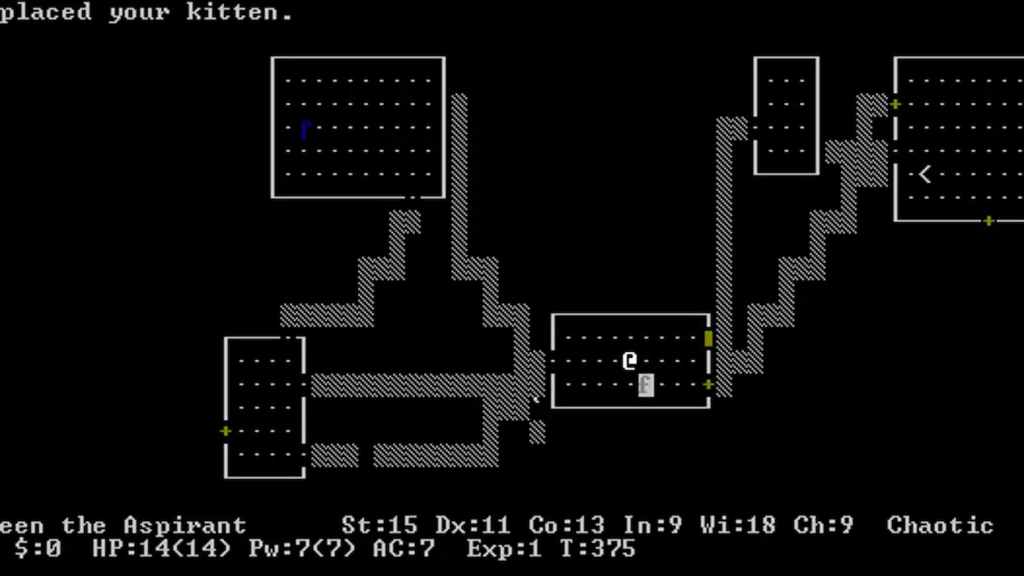
NetHack is a fork of the 1984 game Hack. This version was first released in 1987, but the developers made NetHack open source, making it easy to get your hands on. That said, NetHack is, unlike most of the games on this list, graphically similar to Rogue. That means simple ASCII art that can be tough to wrap your head around at first.
Still, if you’re looking for a true classic of the genre, you can’t go wrong with NetHack. It features procedurally generated dungeon crawling, turn-based hack-and-slash combat, and, of course, permadeath. Don’t expect this one to hold your hand for a second.
The reason I’d recommend this over the original Rogue comes down to the setting. While Rogue features the popular high fantasy setting of most Dungeons & Dragons campaigns at the time, NetHack has slowly introduced silly pop culture references and anachronistic elements. It takes itself slightly less seriously, making it a bit more fun to dive into.
4) Ancient Domains of Mystery

ADOM originally used ASCII graphics in its 1994 release. In fact, you can still play that version of the game if you want, via ADOM‘s official site. However, it’s much easier to get into these days because developer Thomas Biskup launched a crowdfunding campaign in 2012 to make an updated version with modern graphics.
Don’t take that to mean it’s gotten easier. ADOM is still an old-school roguelike. It is endlessly complex and devastatingly random. In fact, ADOM actually deletes your save file when you die. Something that can feel a little demoralizing when it first happens.
However, once you get used to it, you’ll quickly recognize how replayable ADOM is, thanks in part to its in-depth story and twenty-two different character classes. There’s always something new to do, and with several different endings, you’ll likely spend dozens of hours exploring its many dungeons.

3) Caves of Qud
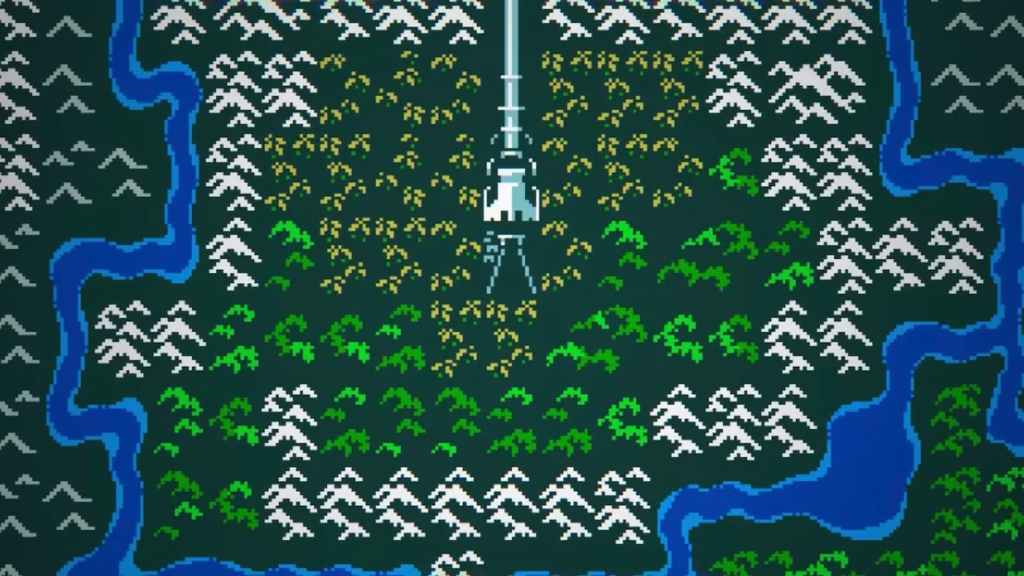
Caves of Qud technically launched in 2024 after years of active development. The team at Freehold Games launched the first public version of Qud in 2010 and released it on Steam via early access in 2015. Over that long development cycle, Qud has gotten weekly updates, continually adding and revising content.
It makes a big change from games like NetHack by having a core quest system. Most of these are procedurally generated, but a few are set in stone, giving players a main quest to work toward. Qud also takes some inspiration from Dwarf Fortress with its simulated politics and history, giving each session its own procedurally generated historical background.
And while it doesn’t look as pretty as many modern games, the ASCII-inspired art is certainly a step up from NetHack. Toss in its fun post-apocalyptic setting, and you have one of the better modern roguelikes that deserves a larger community.
2) Dungeons of Dredmor
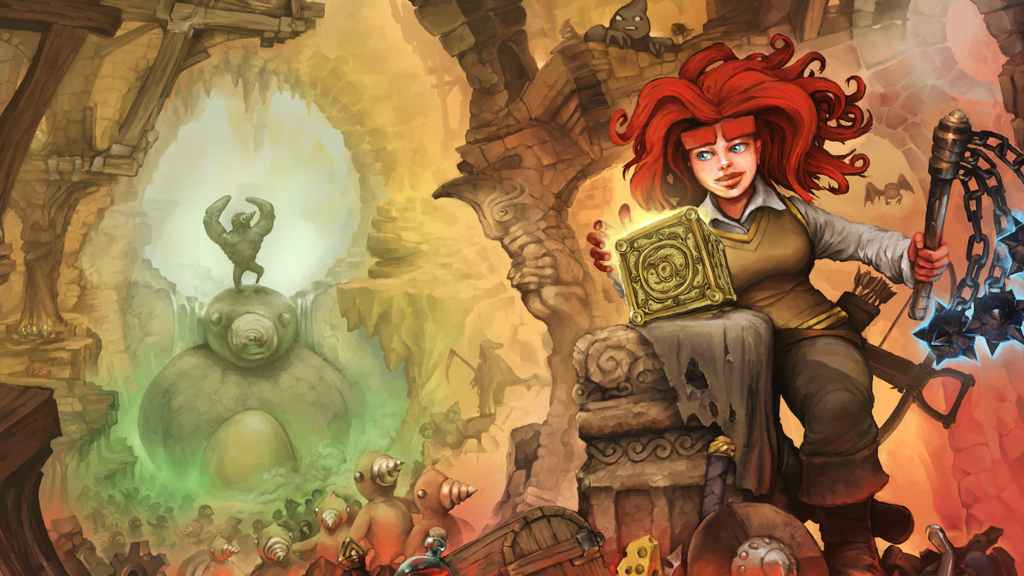
Dungeons of Dredmor is a weird game to recommend. Gaslamp Games launched it in 2011 and released three DLC packs over the next year. While Dredmor had a few major glitches and issues, many assumed they’d be ironed out over time, as the developer continued to support the hit indie roguelike.
Then, the studio decided to move on for whatever reason. Those issues didn’t exactly go away, but Dredmor was popular enough that modders stepped in to support it. There have been tons of mods over the last decade, adding new content and fixing a few of the most pressing issues.
Even if you don’t dive into mods, Dredmor is an excellent look at a roguelike that fully embraces random elements. Like any good game in the genre, it’s astonishingly complex, which leads to several unexpected situations. On top of all that, it’s laugh-out-loud funny at times. If you can look past some of the bugs, it’s a good time.
1) Invisible Inc.

Klei Entertainment is best known for Don’t Starve, but in 2015, the company released its own take on the roguelike genre. While not exactly a true roguelike, thanks to its focus on stealth tactics, it’s one of the great hidden gems of its era. You play as a remote spy trying to take down major corporations, but you only have a limited time in each level before things go sideways.
In many ways, Invisible Inc. is a mash-up of X-COM-adjacent gameplay and roguelike structure. Each mission is procedurally generated, making every run unique, and permadeath means you’ll have to start over if you mess up.
However, Invisible Inc. does incorporate meta progression. If you play well, you’ll unlock new characters with unique loadouts. You’ll also get new items and abilities, letting you better equip your character to suit your playstyle. Regardless, Invisible Inc. should’ve been a massive hit but has instead become more of a cult classic.
What do you think? Leave a comment below and join the conversation now in the ComicBook Forum!
Most Viewed
-

Image Courtesy of Crunchyroll -

Image Courtesy of TOHO -

Image courtesy of Marvel Studios -

Image Courtesy of Good Shepard Entertainment/Sony Interactive Entertainment