Games like Final Fantasy 7 and Halo: Combat Evolved have gotten multiple remakes, with the former even getting a trilogy, showing just how much players love to relive through their favorite experiences. Nostalgia has always been powerful, leading to remastered collections, unexpected sequels, and far more. However, some games take the opportunity that comes with a remake to elevate the original material, refining it into something that goes beyond the scope of what it could ever do before.
Videos by ComicBook.com
Remakes tend to draw some controversy sometimes too, with content being lost in a remaster that were a cornerstone of a fan’s appreciation for the original title. A good example of this comes from Demon’s Souls, a PS5 remake of the FromSoftware game from the PS3 era, which improved many aspects of the prior game. Despite overhauled graphics, some players claim that Demon’s Souls loses its intended ambience in its remake translation, a common sentiment felt toward other games that get brought back for modern systems.
5. Resident Evil 1 Remake
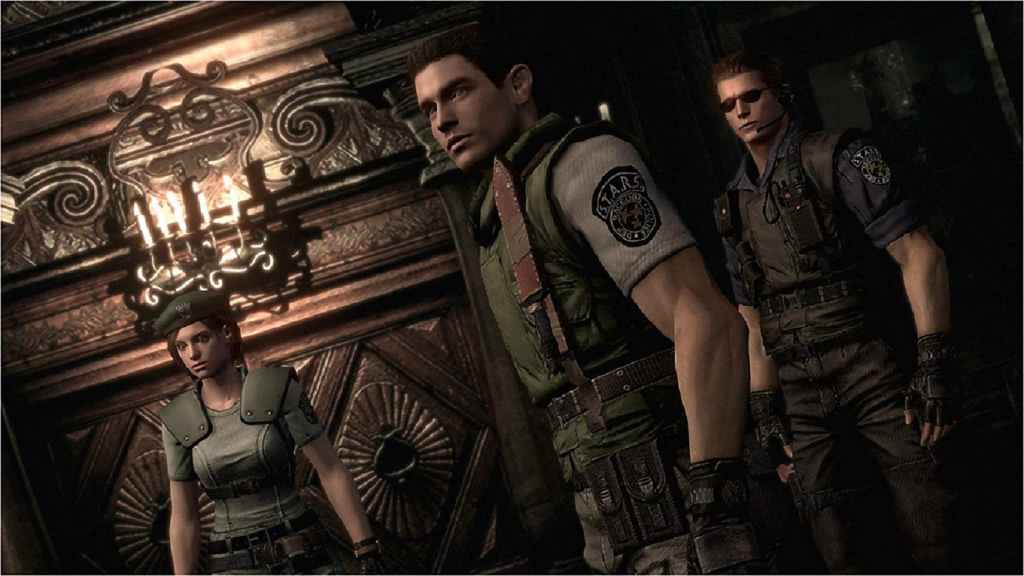
For many, Resident Evil has set the standard for what a truly great remake can do to improve the vision of the game they are replicating. The first game in the series was released in 1996, but remastered only six years in 2002 for the Nintendo GameCube. Not only did this remake drastically enhance the game’s graphics, but it finely tuned almost every other aspect of the game to reach their full potential, including the audio, character designs, and overall atmosphere of the setting.

Some diehard Resident Evil fans still consider this remake the definitive series experience, even more than the Resident Evil 2 and 3 remakes that were also received with high praise. In a lot of ways, the Resident Evil remaster is responsible for the franchise’s popularity to begin with, to the point where it still sells well on modern consoles. The remaster holds up well today, featuring perhaps the most refined version of the early Resident Evil games’ fixed camera angles and horror roots before the series leaned more into action with Resident Evil 4 onward.
4. Crash Bandicoot N. Sane Trilogy
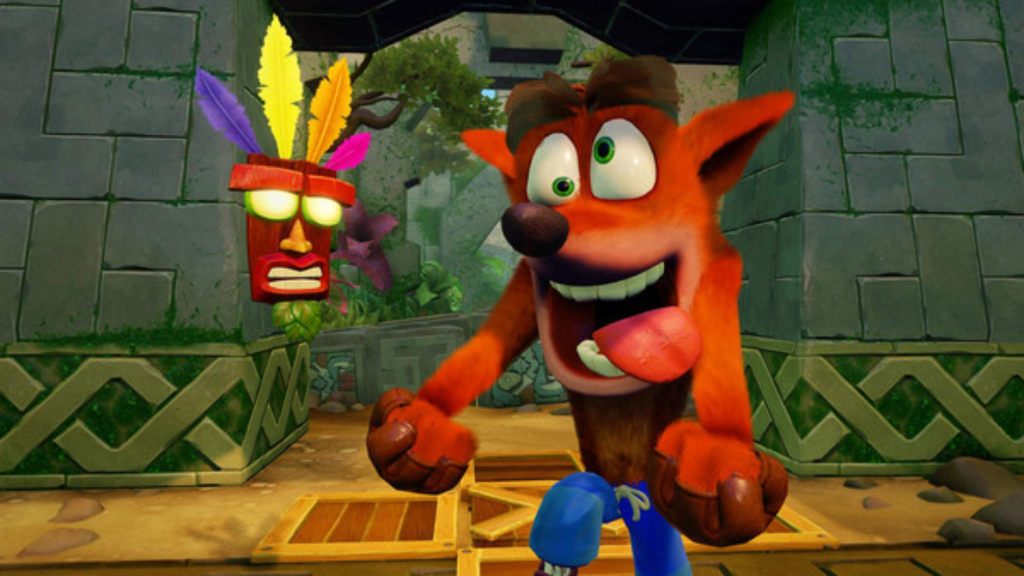
Platformers tend to benefit the most from a remake, as their controls can grow dated quickly compared to other genres. This is one of the reasons why Crash Bandicoot N. Sane Trilogy is regarded as an evolution of the series, whose origins on older PlayStation systems drew lots of frustration. By combining the first three games of the series into one package, fans had a much more accessible way to play, especially when you factor in the many quality-of-life changes in the collection.
Besides obvious graphics upgrades, Crash Bandicoot N. Sane Trilogy added several new features, from more frequent checkpoints to new time trials to test player skills. There is simply more content to the remake than the original games ever offered, filling in the blank spaces of older titles to flesh out an already well-remembered platformer. Although not every game in the trilogy is equal through its restoration, the blend of classic mechanics with modern sensibilities craft a solid and fun platforming journey that hardly gets aggravating.
3. Pokémon Heartgold & Soulsilver
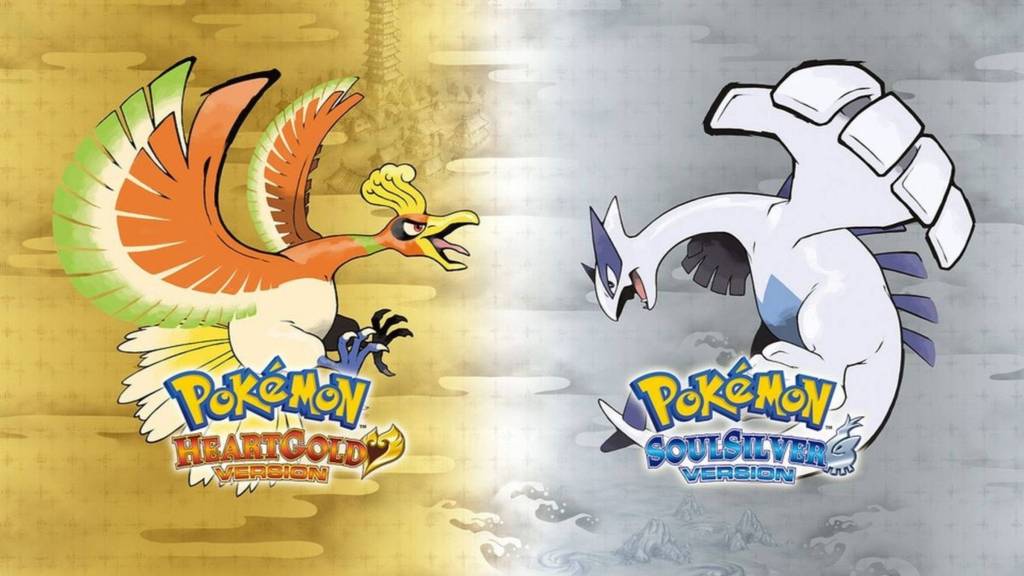
There are tons of great Pokémon remakes, from Pokémon Leafgreen & Firered remastering the first games in Gen 3 to the Alpha Sapphire and Omega Ruby remakes of Gen 6. That being said, Pokémon Heartgold and Soulsilver represent the pinnacle of a truly great Pokémon transformation, taking everything the series had learned and applying it to the Gen 2 titles from the GameBoy. As part of Gen 4, Heartgold and Soulsilver adopted graphics similar to Diamond, Pearl, and Platinum, which were already considered some of the strongest Pokémon games ever made.

The loving effort put into every aspect of the Johto region in these remakes was unmistakable, fully evolving the pixel art of Gen 2 into a more detailed 2D/3D presentation. New features like having your Pokémon follow your Trainer character at all times combined with fresh cutscenes, remastered music, and an expanded Pokédex served to almost “fix” what some fans consider to be the weakest region. By including the return to the Kanto region as well, this game has far more content than most Pokémon games for fans to enjoy.
2. Shadow of the Colossus (2018)
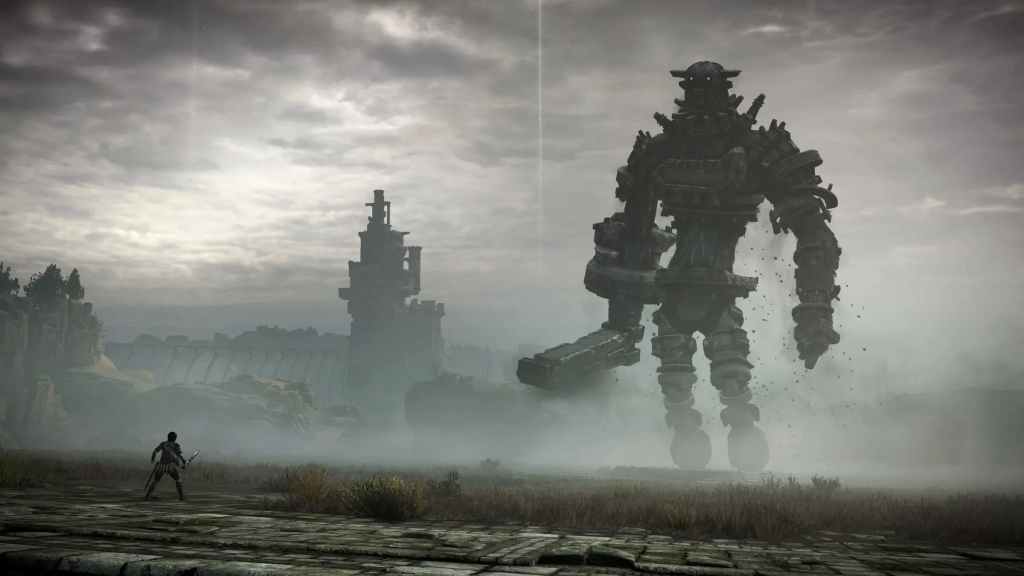
Shadow of the Colossus is arguably one of the best games ever made, with a breathtaking world that truly defines “massive” in its scope. The original title in 2005 captivated players with huge battles against larger-than-life creatures, but also for long stretches of exploration across a haunting world. Nearly 13 years after its release, developer Team Ico did the impossible — made this iconic game’s remake even better than fans could have ever imagined. As far as remakes go, the performance and graphics of Shadow of the Colossus make it top-notch.
Among the greatest remasters ever made, the Shadow of the Colossus remaster takes everything about the original and dials it up, opting to barely tweak what made the first game special. The controls are largely the same, but every aspect of the game’s beautiful world was enhanced with realistic physics, including special effects to the grass, water, and lighting of every region. This applied to the Colossus creatures themselves too, giving players a far greater sense of immersion than the original was able to provide on limited hardware.
1. Metroid: Zero Mission
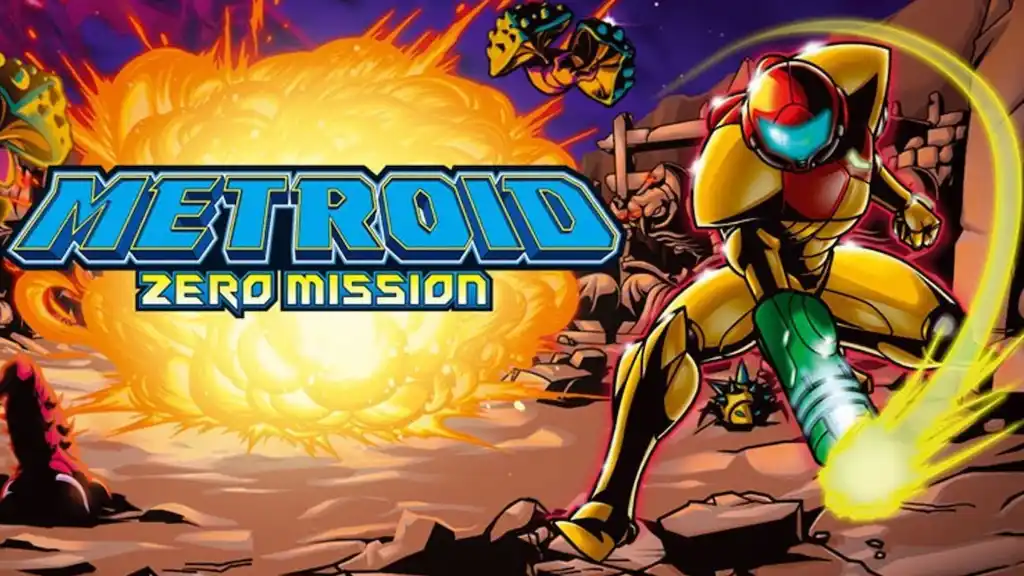
The original Metroid perhaps suffers from dated qualities the most, with clunky controls and minimal graphics that leave a lot to be desired. For the time, this game was a revolutionary title, introducing the seeds of a genre that would later inspire massive hits like Hollow Knight, Ori and the Blind Forest, and many more. Yet, without a remake like Metroid: Zero Mission, the original title in the series may have been lost to time as it became more and more frustrating to return to for players as time went on.

Metroid: Zero Mission refines the original Metroid experience to an expert degree, becoming arguably the best 2D Metroid alongside the Metroid 2 remake Samus Returns. The GameBoy Advance version of Zero Mission improves pretty much everything, from the controls of every action to a remixed soundtrack that has easily become iconic for the series. Additions to the first Metroid‘s story and environments don’t over-inflate the game either, making Zero Mission a tight experience that doesn’t overstay its welcome.
The replayability of this remake is also what creates something beyond the original, with fast movement and open exploration still being interesting throughout multiple runs. Remakes tend to outclass the original when they build upon what already made the first game great, expanding or updating an experience to be better than ever before.
What remakes do you think were better than the original game? Leave a comment below or join the conversation now in the ComicBook Forum!
Most Viewed
-
Image Courtesy of Marvel Comics -

Sony Pictures -

Image Courtesy of HIDIVE -
Image courtesy of Bandai Namco -
Image Courtesy of Netflix -

Image courtesy of The Pokemon Company