Some indie projects turn to Kickstarter for financial backing, using the donations of fans to meet stretch goals and create a game that would have a hard time being made otherwise. However, not every Kickstarter project is successful, sometimes failing to meet the mark of fan expectations sometimes months or years after their initial support. In fact, the worst games to come out of the platform have flat out betrayed the trust of their backers, delivering products that were almost destructive in their controversy.
Videos by ComicBook.com
One of the unfortunate realities of Kickstarter is that some of the projects created on the platform don’t ever release, promising fans a project that never gets launched. Delays can be natural, but some Kickstarters are almost scams in the way that they take fan money and barely do anything with it. For this list, only Kickstarters that actually released a game will be considered, as there are enough failed projects that never came out to fill out another list entirely.
5. Mighty No. 9
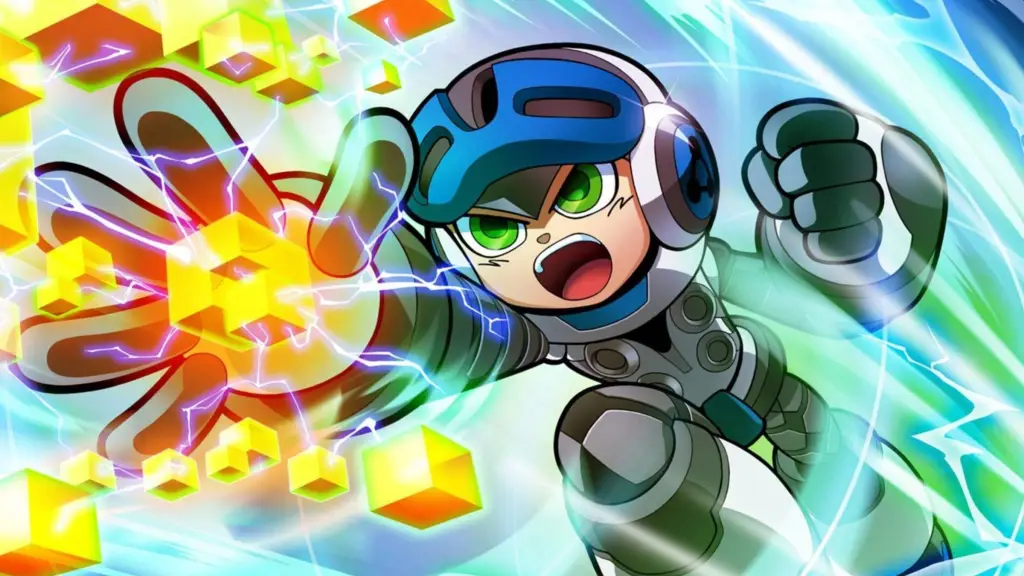
Mighty No. 9 was a Kickstarter created in part with Keiji Inafune, a former artist for Capcom’s legendary Mega Man series. In many ways, this project was a promised “return-to-form” of classic Mega Man, doing what Capcom would not with the franchise. Launched on Kickstarter in 2013, this game was presented again and again as a successor to Mega Man‘s fame, leading fans down a path of hype that never really delivered on their hopes by the time the game actually launched.
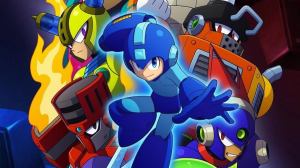
One of the worst aspects about Mighty No. 9 is that it is just painfully average, with nowhere near the same level of quality that Mega Man achieves even in that series’ worse entries. Despite receiving nearly $3.8 million from 67,000+ Kickstarter supporters, Mighty No. 9 has lackluster visuals, terrible voice acting, and poor level design that is almost insulting to its roots. Simple gameplay with hardly any innovative quality combines with graphics far below the same standard as other games released in 2016, causing three years of Kickstarter backing to lead almost nowhere.
4. Takedown: Red Sabre
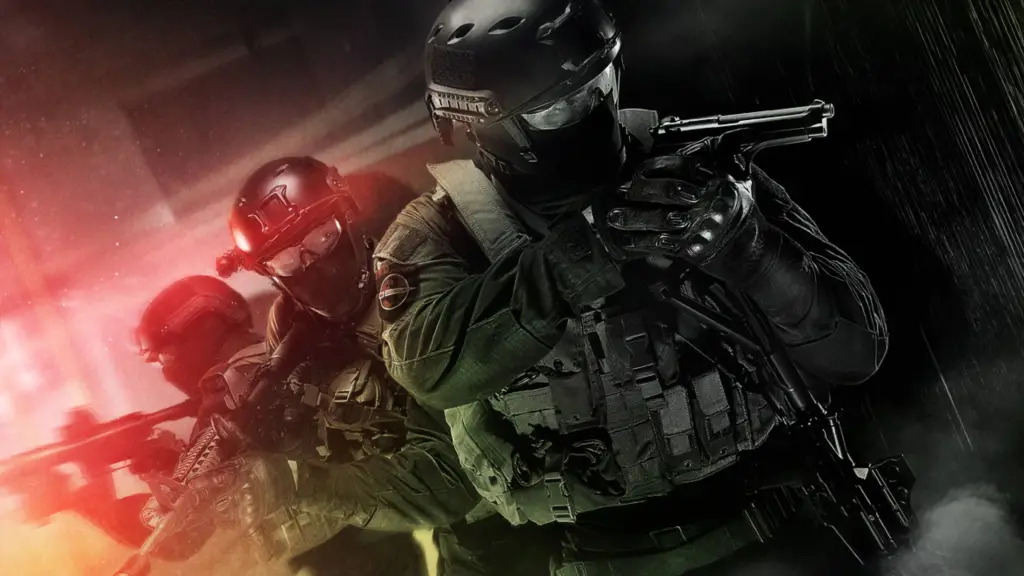
Another game pitched as a spiritual successor to an ongoing franchise was Takedown: Red Sabre, a Kickstarter project originally hailed as a true follow-up to the original Rainbow Six and SWAT 4. Originally started on Kickstarter in 2012, this project almost didn’t reach its funding goals, until last-minute donations from a former Call of Duty creator helped promote it to reach support of around $221,833. With over 5,400 backers, Takedown: Red Sabre had a lot of hope surrounding its release about a year later in 2013.
However, this Kickstarter proved to be a case of trying to push out too much too quickly. Takedown: Red Sabre released in a largely unfinished state, despite an official partnership with 505 Games pushing development in positive directions earlier. Tons of bugs, glitches, and crashing problems made this tactical shooter nearly unplayable, leading to a myriad of negative reviews across the board. This game largely was something with a lot of ideas that lacked execution, such as poor enemy AI and weak multiplayer that failed to deliver what the Kickstarter first proposed.
3. The Stomping Land
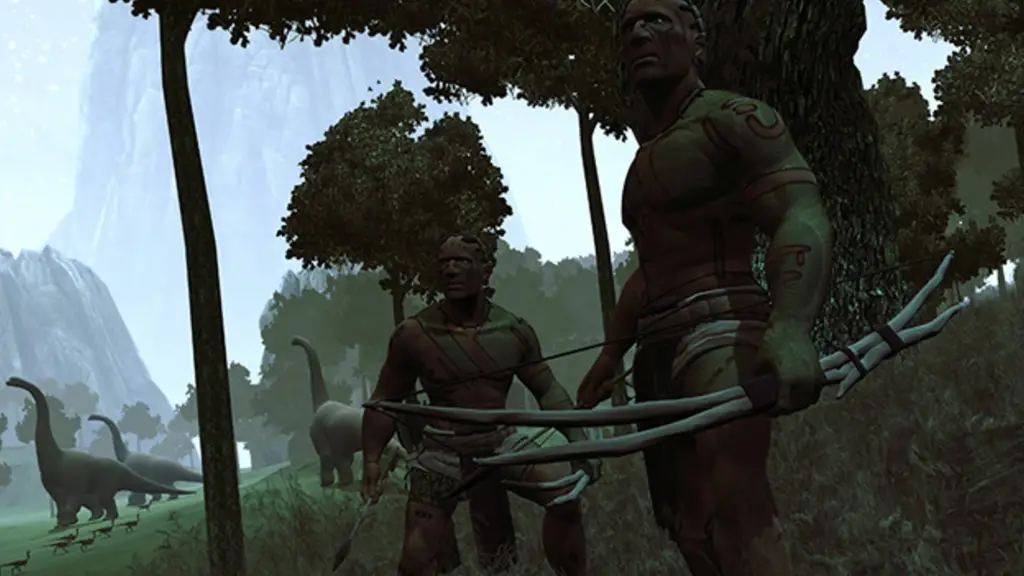
Before anything like Ark: Survival Evolved was released, The Stomping Ground was the big dinosaur survival game players were eager to try following its Kickstarter campaign. Launched in 2013, this game smashed its initial backing goals, making $114,000 ahead of a starting $20,000 ask from developer group SuperCrit. This upped the milestones of the project, expanding its online multiplayer ideas for survival in a prehistoric world with ambitious systems.

The almost MMO approach to this game promised day and night cycles, varied environments, and an immersive survival world of dinosaurs and primal tribes. However, upon release in 2014, this game barely managed to form anything interesting whatsoever. Even in Early Access, The Stomping Ground was full of bugs and glitches, with the gameplay experience almost existing as an embarrassing jumble of minimalist mechanics. Although updates were promised to expand the game, it was quickly removed from Steam in 2015, taking everyone’s hopes and money with it.
2. Stray Souls
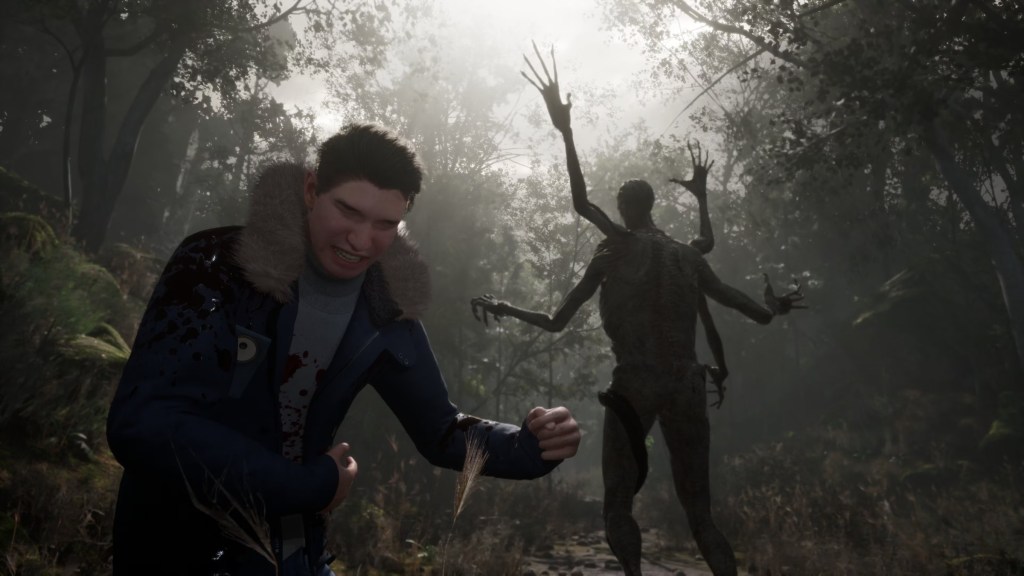
Stray Souls was a horror game that promised the moon and stars to its Kickstarter backers, using former icons in the industry to push its appeal. This game attached Silent Hill composer Akira Yamaoka to the project, showing a connection to an iconic series that made fans hopeful for another stellar psychological horror experience. However, as trailers began to release, it became apparent that this game was not nearly at the same level of what players were expecting.
The writing of this game is hilariously bad at times, with every aspect of the game using reused assets flipped into its gameplay. Although made to look decent through Unreal Engine 5 graphics, the design of Stray Souls is largely uninspired. Repetitive sections, strange cutscenes, and a multitude of bugs turn Stray Souls into a glitchy mess even at its best parts. Ironically, the music is the only saving grace of this game, but for the most part, it plays like a terrible horror movie that is best enjoyed by laughing at it with friends.
1. Godus
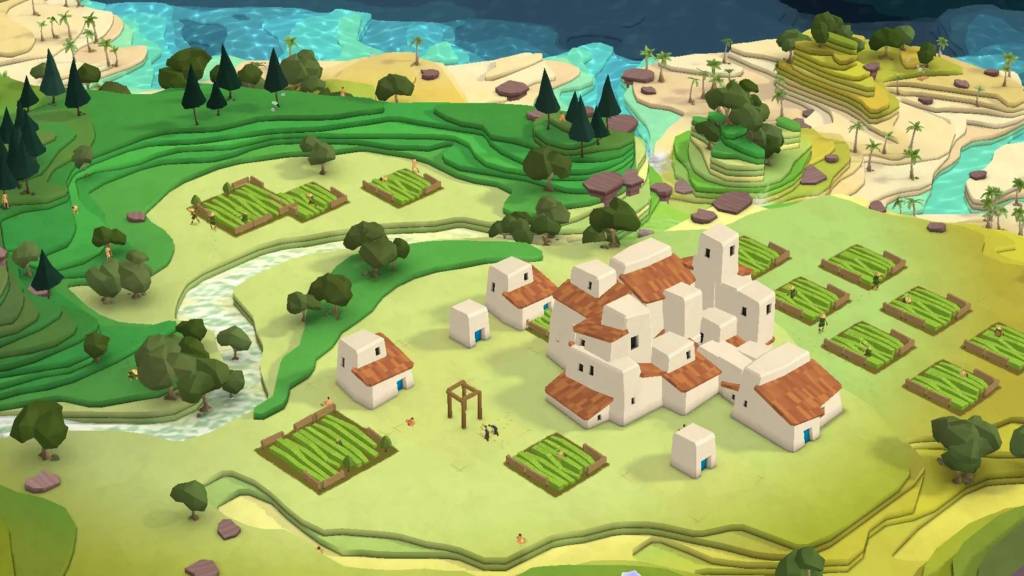
The ultimate example of failed promises can be summed up through one name — Peter Molyneux. This developer is famous for designing truly great games, like Dungeon Keeper, Black & White, and the beloved Fable. However, Molyneux tends to oversell his projects way too much, a habit that manifested the most through his GODUS title. Originally called “Project: GODUS” on Kickstarter, Molyneux launched this game’s production in 2012 as a spiritual successor to other games he had worked on, creating a simulation game similar to Civilization in its scale.
Nearly £526,563 were backed for GODUS among 17,184 backers, including one fan whose selection in a contest promised them a share of 1% of the game’s total profits when it launched. However, development throughout the Kickstarter project stagnated, leading to a delayed release with much of the game being put out in an unfinished state. Several stretch goals and promises simply weren’t included in the released product, baffling fans and leading to plenty of controversy. To make matters worse, the game never turned a profit, causing the fan from the contest to earn absolutely nothing.
The mismanagement of GODUS led to a painfully average game, and one that was quickly moved on from by Molyneux despite fan outcry. Looking back on it now, GODUS was a project filled with false promises by Molyneux, and a sign that some Kickstarter projects are truly too good to be true.
What Kickstarter project do you think failed to deliver its promises the most? Leave a comment below or join the conversation in the ComicBook Forum!
Most Viewed
-
Image Courtesy of Ufotable -

Image Courtesy of Crunchyroll -

Image Courtesy of Toei Animation