Sega launched the Master System in the mid-’80s to give Nintendo’s NES some competition. While it came out with newer and better hardware than Nintendo’s box, it failed to match it in sales, partially because of Nintendo’s ironclad licensing policies that kept most games exclusive to the NES. Still, Sega was able to create a few hits itself, while also bringing in some heavy-hitters from the arcades. Sure, the Master System didn’t create the culture like the NES, but the system still had several bangers that shaped the future of video games. Unfortunately, we’d have to wait for the ’90s for Sega to really hit its groove as tastemakers with Sonic.
Videos by ComicBook.com
Here are the five Master System games that helped define the ’80s.
5) Double Dragon
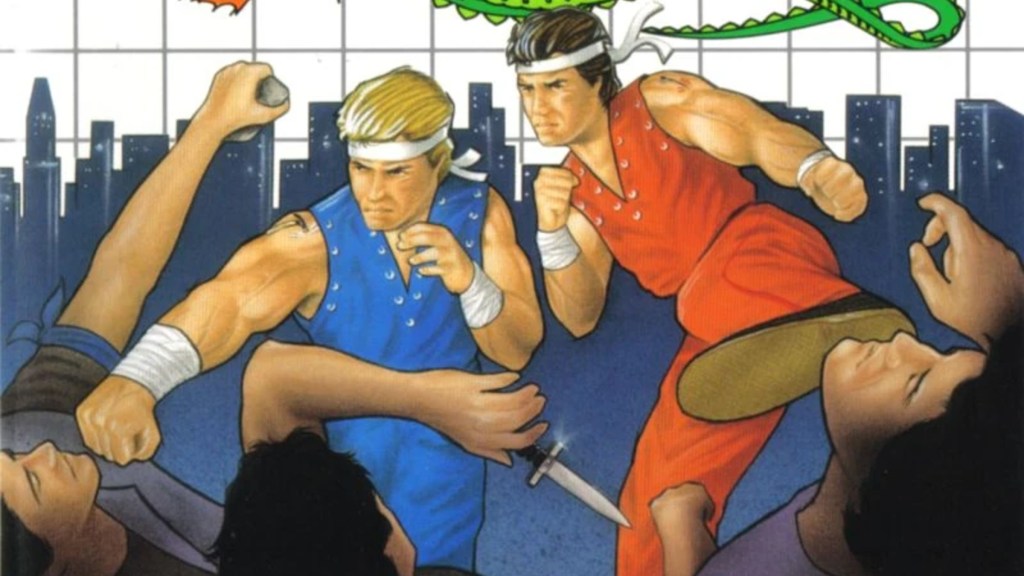
If Double Dragon had launched on the Master System, it would be at the top of this list. However, it was an arcade game first, which is where it became a phenomenon, helping kick off the golden age of beat ’em ups. Double Dragon launched on the NES next, with the Master System getting its port about six months after Nintendo’s version.
Here’s the thing: Double Dragon was a massive success everywhere. Yes, the arcade version is the best one, but the Master System port garnered great reviews as well, even outperforming the NES version for some outlets. Given how important Double Dragon is for the industry in the late ’80s and early ’90s, it’d feel like a mistake to leave it out.
4) Ys 1: Ancient Ys Vanished
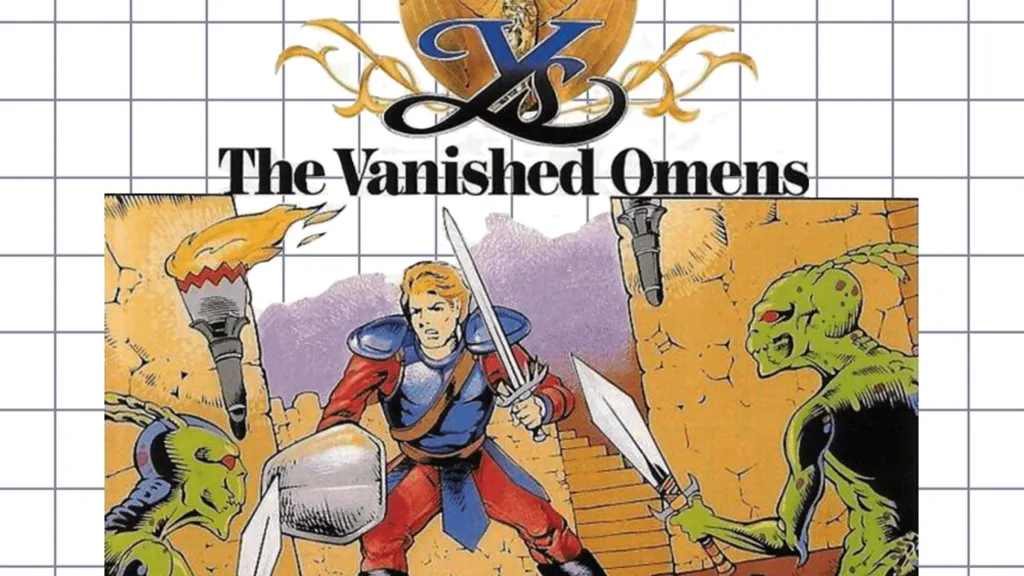
The first game in the long-running Ys series started its life on the PC-88, but came to the Master System in 1988. It’s generally viewed as the better port compared to the NES version, with many reviewers pointing to its excellent (for the time) visuals.
In some ways, Ys 1: Ancient Ys Vanished was the Master System’s version of the original The Legend of Zelda. It’s not a perfect comparison, but the top-down fantasy action RPG fits in a similar window to Nintendo’s all-time classic. Beyond that, it’s worth highlighting Ys 1 because it kicked off a series that is still running. In 2023, fans were treated to Ys X: Nordics, and it doesn’t seem like developer Nihon Falcom is slowing down.
3) Wonder Boy III – The Dragon’s Trap
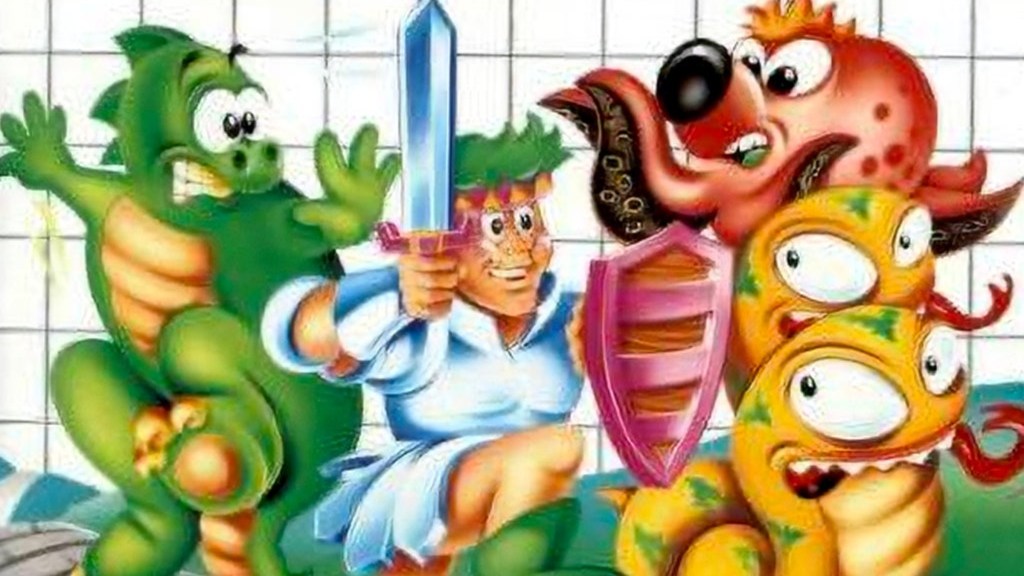
Sega’s Wonder Boy series started life as an arcade game in 1986. By the third game, it was a Master System game, giving players a colorful new platformer to dive into. Technically, there are two Wonder Boy 3s, making its release weird, but Monster Lair (the arcade game) didn’t come to the Master System until 1990. Simple, right?
Anyway, The Dragon’s Trap garnered solid scores across the board, with most reviewers complimenting its look and relatively tight popular. Like Ys, you can see a few ideas Wonder Boy 3 was playing with that would eventually become much more popular. In some ways, The Dragon’s Trap isn’t as good as Metroid or Castlevania, but you can see that it’s playing in the same neighborhood.
2) Phantasy Star
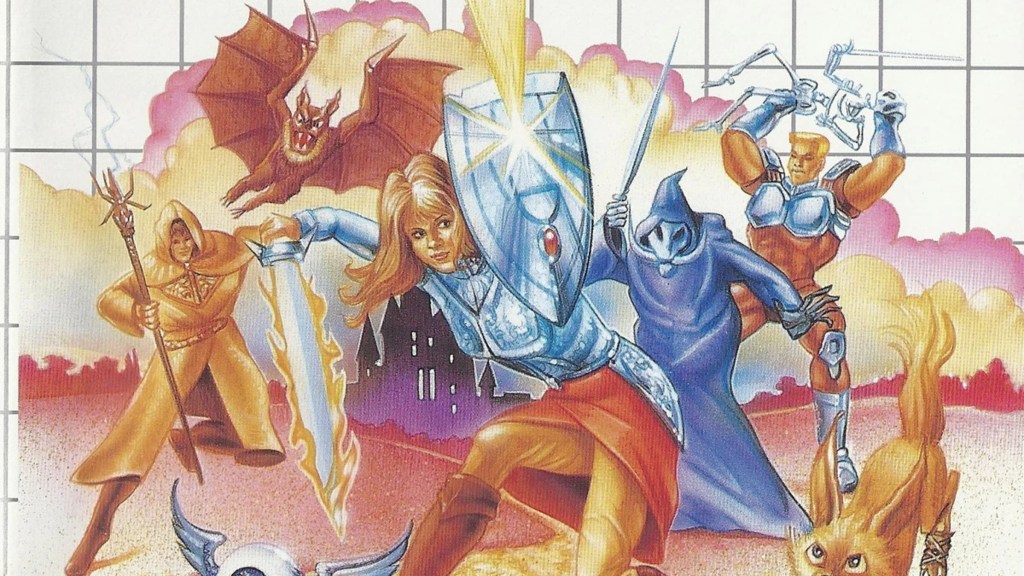
Sega saw the numbers games like Dragon Quest were doing and decided they wanted a bit of that pie, so it launched development of Phantasy Star for the Master System. The team wanted it to feel distinct from all the other RPGs of the time, so they incorporated 3D dungeon crawling, a female protagonist, and a setting that mixed medieval fantasy with science fiction.
Even if you didn’t know the developers used a heavy dose of Star Wars for their inspiration, it shines through. That helped it stand out from the crowd, which was important because Phantasy Star launched just two days after the first Final Fantasy hit the Famicom.
It wasn’t the best place for a new RPG to launch, but Phantasy Star pushed through and became one of Sega’s most important games of the ’80s. The landmark title launched a series that would eventually become the relatively successful MMO series, Phantasy Star Online.
1) Alex Kidd in Miracle World
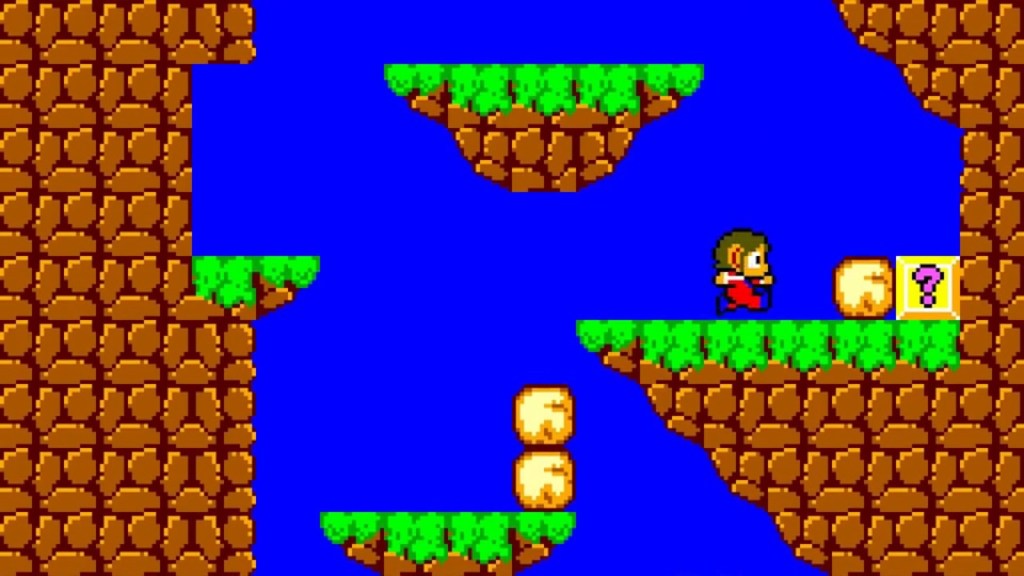
Alex Kidd in Miracle World was originally going to be a licensed Dragon Ball game. When that fell through, Sega CEO Hayao Nakayama had the team start over from scratch, though you can see some influence from that original project’s design in the final product.
While Alex Kidd never quite lived up to its original billing as “Sega’s answer to Mario,” it was a good stepping stone toward Sonic. The 2D platformer puts players in the shoes of a young martial artist who goes on a quest to save his kingdom. Players and reviewers alike loved the variety of gameplay and substantial number of levels. Again, it’s no Mario, but Sega fans were eating well with the Alex Kidd games.
He’d get five more games over the next few years, but the Kidd series ended with 1990’s Alex Kidd in Shinobi World. At that point, Sega shifted its focus to Sonic. We did get a remake of the first game in 2021, but Sega hasn’t shown much interest in bringing the Kidd back.
What do you think? Leave a comment below and join the conversation now in the ComicBook Forum!
Most Viewed
-

Image Courtesy of A-1 Pictures -

Courtesy of Crunchyroll -

Image courtesy of Lucasfilm -
Sony Pictures -

Courtesy of TOHO Animation