Games have always been a kind of magic trick, just one built out of code instead of cards. What you see on screen feels immediate and reactive, yet behind the curtain sits a carefully orchestrated system that nudges, blocks, and occasionally outright lies to you. Most players never stop to question it because they’re immersed. The experience feels right, and that’s exactly the point. The best tricks aren’t the ones you notice. They’re the ones that feel like your own idea in the first place.
Videos by ComicBook.com
This list isn’t about obvious smoke and mirrors or scripted cutscenes doing heavy lifting. It’s about the subtle manipulations that shape how you think you’re playing, even when the game is quietly steering you elsewhere. Veteran players tend to feel these systems more than they see them, catching the seams where intent and illusion meet. These are the tricks that make you feel skilled, clever, or lucky, even when the game already decided the outcome.
5. Fake Choices That Were Never Real
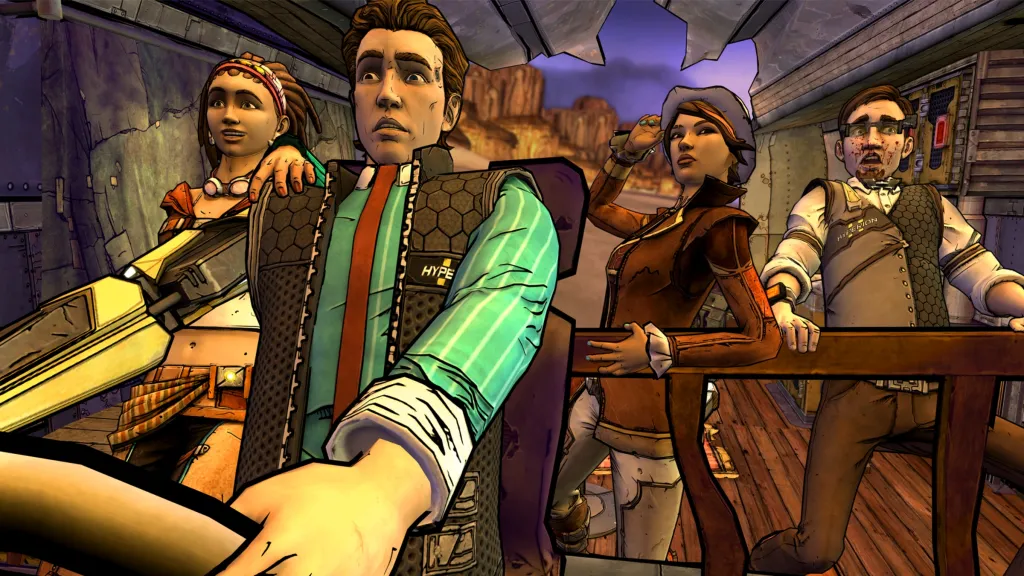
Games love presenting decisions that feel weighty, only to quietly collapse them into the same endpoint. You’re offered dialogue options, branching paths, or moral dilemmas that appear to reshape the narrative, yet the underlying structure often funnels everything back into a single controlled outcome. The trick works because the player fills in the emotional gap themselves, projecting meaning onto the act of choosing rather than the consequence itself. Even when outcomes diverge slightly, they frequently reconverge within minutes, maintaining pacing while preserving the illusion of agency. This design allows developers to control scope without sacrificing the feeling of freedom. Players walk away believing they authored the story, when in reality they traced along pre-approved lines.
You can see this technique everywhere, from massive RPGs like The Elder Scrolls V: Skyrim to narrative-driven titles like The Walking Dead. In both cases, the presentation of choice does more work than the consequence itself, leveraging timing and character reactions to sell impact. A game rarely needs to radically change its structure if it can convincingly change how you feel about the decision. What’s fascinating is how often players defend these systems, because the emotional payoff remains intact even after the illusion is exposed. The choice doesn’t need to matter mechanically if it lands psychologically. That’s the sleight of hand, convincing you that meaning and outcome are the same thing.
4. Invisible Handholding Disguised as Player Skill

Modern games are masters at guiding players without making that guidance visible. Instead of explicit tutorials or intrusive prompts, they embed direction into level geometry, lighting, and even enemy placement. You feel like you’re reading the environment naturally, yet the game has already highlighted the correct path through contrast or (sometimes ) subtle framing. This creates a powerful feedback loop where players believe they’re intuitively skilled, when in reality they’re following invisible signposts. The illusion works best when the player never questions why they made a particular decision. It simply felt right, so it must have been your own insight, right?
Titles like The Last of Us and Uncharted 4: A Thief’s End refine this technique to an art form. Climbable surfaces are painted in just the right shade, pathways are framed through environmental destruction, and motion subtly draws the eye forward. Even combat arenas are structured to guide your movement while maintaining the illusion of improvisation. You end up feeling clever for navigating efficiently, unaware that inefficiency was quietly designed out of the space. This is not about removing challenge, but about shaping perception so that success feels earned rather than assisted. When done well, you never see the hand, only the result.
3. Level Design That Manipulates Your Instincts
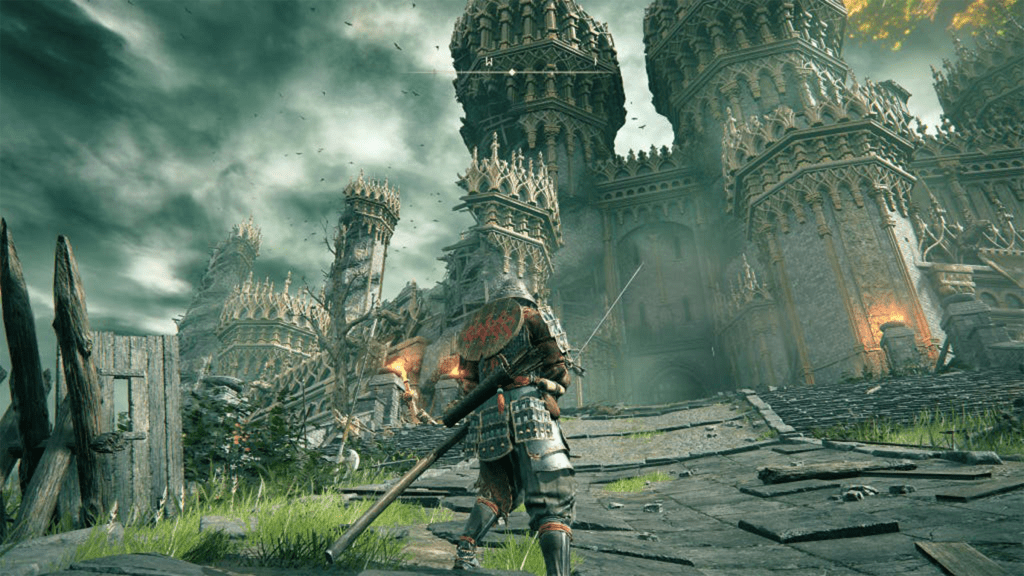
Level design doesn’t just present space, and a lot of people do not understand this. It actively predicts behavior. Developers understand how players tend to move, where they look, and what they fear, then build environments that exploit those instincts. Narrow corridors create tension because they remove options, while open arenas encourage exploration but subtly guide you toward key objectives. Verticality often signals importance, drawing players upward even when the intended path is horizontal. These aren’t random decisions. They’re calculated manipulations of player and raw human psychology.
In games like Elden Ring, this manipulation becomes almost confrontational. The design anticipates hesitation, greed, and curiosity, then punishes or rewards accordingly to reinforce learning. Meanwhile, something like Half-Life 2 uses sightlines and motion to pull players forward without ever needing a waypoint marker. You think you’re exploring freely, yet your instincts are being guided step by step. The brilliance lies in how natural it feels, even when it’s entirely constructed. Players rarely question why they turned left instead of right. They just did.
2. Scripted Chaos That Feels Emergent

Some of the most memorable moments in games feel spontaneous, like systems colliding in unpredictable ways. In reality, many of these sequences are tightly scripted events designed to appear dynamic. Explosions trigger at precise moments, enemies spawn based on invisible triggers, and environmental destruction unfolds in controlled patterns. The player interprets this as emergent gameplay because it reacts to their presence, even though the boundaries are carefully defined. This illusion creates intensity without sacrificing reliability or performance, ensuring that dramatic moments land at just the right moments consistently across playthroughs. Chaos, in this context, is more about controlled unpredictability.
Franchises like Call of Duty thrive on this technique, staging cinematic sequences that feel reactive while remaining meticulously choreographed. Even games known for systemic depth, like Red Dead Redemption 2, blend scripted events with open-world mechanics to blur the line between authored and emergent experiences. The player feels like they caused the moment, even when they merely activated it. This balance is crucial because true randomness can undermine pacing, while pure scripting can feel restrictive. By merging the two, developers create moments that feel alive without losing control. But make no mistake: this is one of the hardest tricks for a developer to get right, for the span of an entire game.
1. Breaking the Rules You Thought You Understood
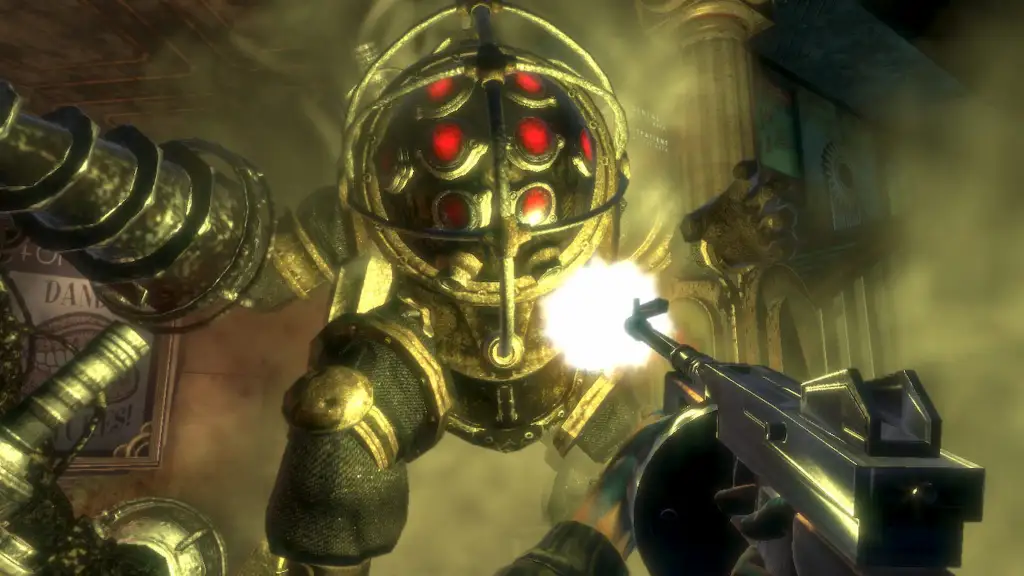
Games spend hours teaching you their rules, only to break them at precisely the right moment. Mechanics you’ve come to rely on suddenly shift, forcing you to reassess everything you thought you knew. This isn’t poor design. It’s a deliberate disruption meant to create tension, surprise, and renewed interest. By establishing consistency first, the game builds trust with you, which makes the eventual subversion far more impactful. The intended result is that you begin to grappling with the loss of certainty. “What’s going to happen now? “What’s going to happen next?” These emotional responses are far more powerful than any standard difficulty spike.
A great example of this can be found in BioShock, which famously reframes player agency in a way that hits both mechanically and narratively. Similarly, Metal Gear Solid 2: Sons of Liberty plays with expectations by shifting perspective and control in ways that feel confrontational. These moments linger because they challenge the implicit contract between player and game. You thought you understood the system, and the game used that confidence against you. It’s not just a twist. It’s a reminder that the rules were never as stable as they seemed. Don’t make assumptions.
What do you think? Leave a comment below and join the conversation now in the ComicBook Forum!
Most Viewed
-

Image via Prime Video -

Courtesy of Lionhead Studios -

Courtesy of Toei Animation