There are many examples of games that killed franchises, be it permanently or temporarily, as seen with titles like Dead Space 3, Deus Ex: Mankind Divided, and Ninja Gaiden 3. However, sometimes the opposite can also happen. There are more than a few games that have successfully revitalized their respective series, leading to a newfound golden era that demonstrates how the best days aren’t always found in the past.
Videos by ComicBook.com
Here are five games that saved their respective franchises or at least played a big role in bringing them back from the brink.
5) Mortal Kombat (2011)
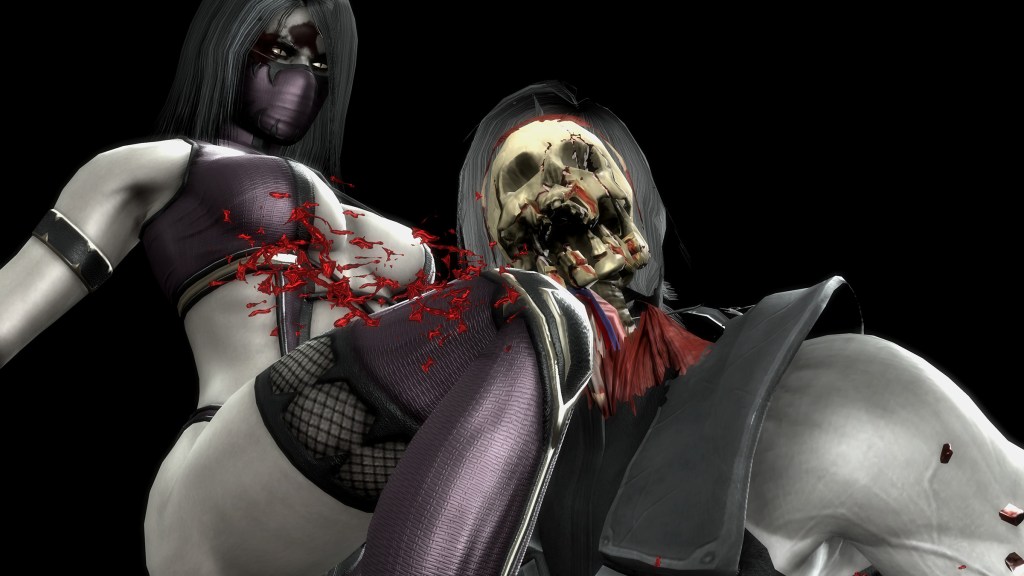
The PS2 and Xbox era of Mortal Kombat was beloved by many, but it had lost a little something by the time that generation was winding down. This disappointment culminated with 2008’s Mortal Kombat vs. DC Universe, a sloppy crossover that simultaneously defanged Mortal Kombat and was a sharp downgrade in quality when compared to prior entries. But the 2011 Mortal Kombat reboot more than made up for this superpowered stumble.
Mortal Kombat 9, as it is often called, brought back the gore, but it did much more than that. It refocused the combat back to a 2D plane like the original trilogy while also iterating on the mechanics. The new meter system opened up the possibilities and gave players many new layers of depth to experiment with, leading to a more replayable experience. Despite not having as robust of a competitive community as Tekken or Street Fighter, this deeper combat system gave the series a more substantial competitive scene that has only grown since. And even though MKvDC also had its own cinematic story mode, it was better executed in MK9 and set the standard for the entire genre.
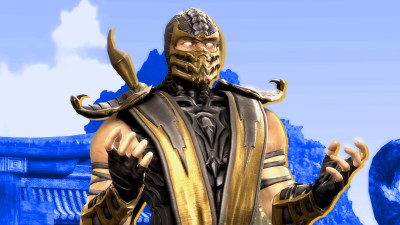
All of these innovations gave Mortal Kombat a new lease on life and also proved to Warner Bros. that the series was a solid investment. Director of engineering Alan Villani said the success of MK9 “literally confirmed everything that [WB] bought the team for,” as WB bought the rights along with the studio from the sinking ship that was Midway. Being such an immediate success undoubtedly saved the franchise from irrelevancy since it reportedly gave WB the confidence to invest in the team.
4) Resident Evil 7: Biohazard
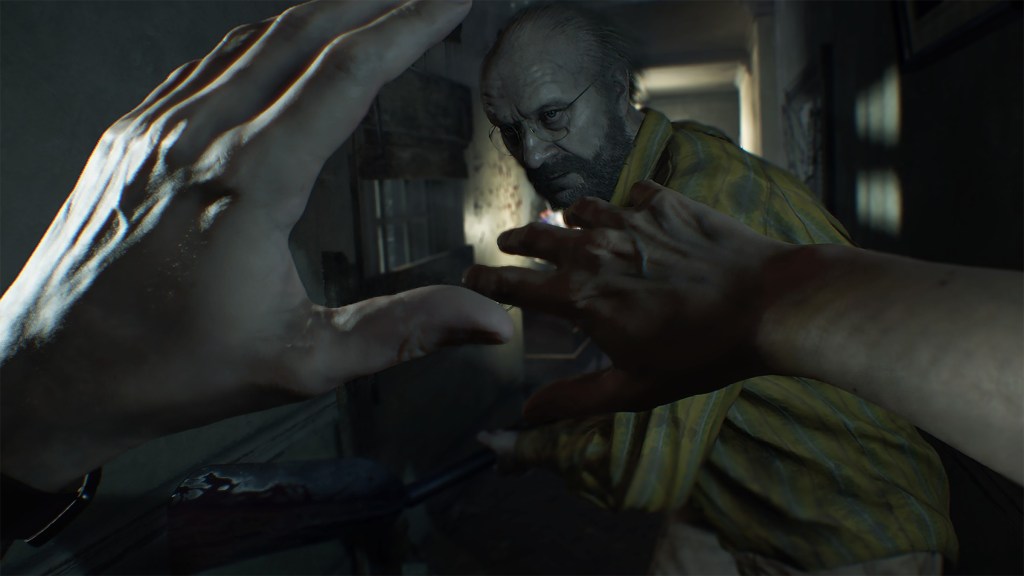
Resident Evil 6 damaged the series more than a headshot from a Broken Butterfly. It was yet another one of Capcom’s unfocused games of that dark era that saw the publisher flailing in a rather embarrassing way. But instead of succumbing to its worst habits, the company overcame them and it all started with Resident Evil 7: Biohazard.
This back-to-basics mainline game acted as a soft reboot with its new first-person perspective and batch of characters, both of which gave this entry its own identity. But, more importantly, RE7 remembered it was also a Resident Evil game. It slowed things down and created an oppressive atmosphere that prioritized scaring players and not empowering them. Combat was purposely a little clunky but did wonders for the pacing, as it made encounters tense. A variety of puzzles forced players to think and run back through each hub, something the last few action-oriented installments had moved away from. By calling back to these ideals and building upon them, Resident Evil was born again.
It has sold over 16 million copies and led to the Resident Evil renaissance that is still going on, which has spread to Capcom as a whole. There’s a clear line that goes from RE7 to Devil May Cry 5, Mega Man 11, and Dragon’s Dogma 2.
3) DOOM (2016)
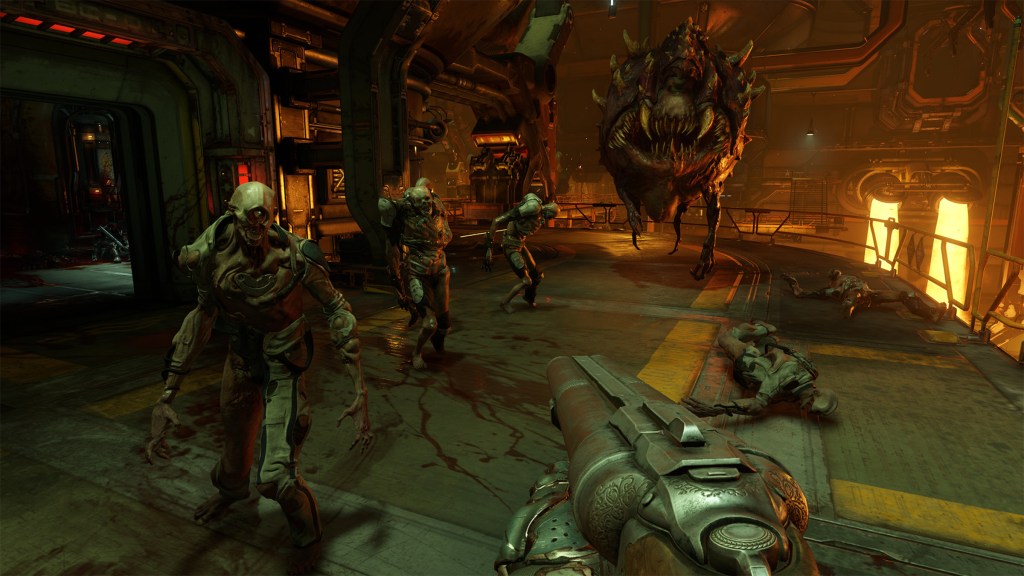
Watching the scant bits of DOOM 4 footage that has made its way to the internet makes it easier to appreciate the 2016 DOOM. While DOOM 4 might have turned out to be a decent game in the end, it’s hard to fathom how it could have been better than the 2016 reboot. After years of silence and a divisive third mainline entry, a more generic sequel that didn’t seem to get what DOOM was would have been disappointing.
The DOOM reboot was just about everything a DOOM game should be. It was violent, loud, and revolved around making smart decisions in the spur of the moment. With those basics down, id Software was able to augment those tenets in ways that felt true to the series’ bloody core. The violence was only dialed up, thanks to the new technology. The soundtrack was still full of metal, yet enhanced with various EDM touches to give it a modern flair. And players still had to move deftly through a space and were further enabled to do so through its Glory Kill system that rewarded aggressive play. DOOM couldn’t afford to have two middling sequels in a row, especially after so much time away. And this foundation allowed for two fantastic sequels, both of which twisted this formula in their own special ways.
2) God of War (2018)

God of War 3 was a fantastic yet grim end to the trilogy, but it wasn’t allowed to rest. God of War: Ascension, the prequel that followed three years later, left a middling taste in players’ mouths and led to the series being shelved for five years. Santa Monica Studio came back with a vengeance with the 2018 God of War, leading to two excellent entries that lovingly revitalized the series.
The 2018 installment changed a lot of things about God of War. It was a new mythology, camera perspective, combat style, and even a radically overhauled version of Kratos, who both acted differently and was played by another actor. But even with all these shifts, Santa Monica Studio showed how to keep a franchise’s core intact, despite huge departures. Combat still let players experiment and banked on their reflexes and skill, much like the older titles. Its story was more nuanced and, crucially, didn’t jettison the lore of the past games; it even built off that lore to give Kratos more of an arc.
It was easy to assume that Ascension was the last drop that could be squeezed from this stone, but, as the 2019 documentary on the game demonstrates, the 2018 God of War illustrated how a team could successfully reenvision a franchise when it has the space, support, and creativity to do so.
1) Silent Hill 2 (2024)
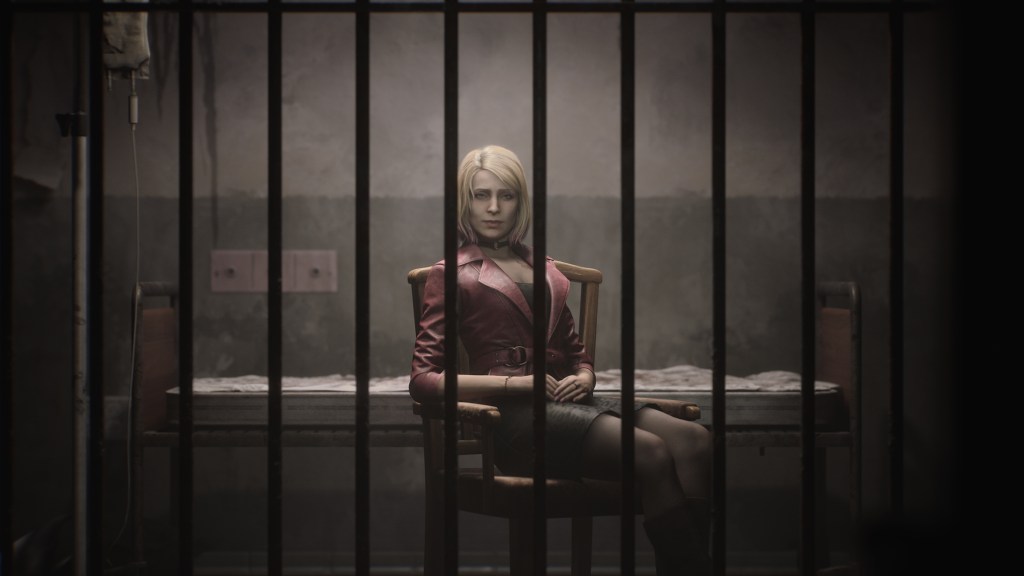
Silent Hill was another unfortunate casualty of Konami’s negligence. After dismembering the team responsible for the most iconic entries in the late 1990s and early 2000s, it licensed the franchise out to various studios that were not equipped to make competent horror games. Various mediocre to terrible spin-offs and a canceled reboot from Hideo Kojima led to a long silence. This nearly decade-long break was interrupted by two awful experiments — the interactive horror series Silent Hill: Ascension and free teaser Silent Hill: The Short Message — which didn’t exactly instill confidence that Konami knew how resurrect Silent Hill. However, the Silent Hill 2 remake that followed those duds ended up being the true revitalization the series sorely needed.
The Silent Hill 2 remake was keenly aware of the prestige associated with the original and, against all odds, built on it rather well. It lovingly expanded upon the original’s story without tampering with what was already there, all while being supported by better voice acting and more nuanced animation. The modernized combat didn’t make the game any less scary, either, as it still had more than enough chilling moments with unpredictable enemies and a haunting amount of darkness. Bloober Team slipped up in one area, though, as this remake was almost three times longer than the original and, thus, missed some of the brevity that made that 2001 title sing.
But by retaining its atmosphere and building on its story, the Silent Hill 2 remake proved how the series could still be effective when treated with care, something Silent Hill f also demonstrated the following year. With two brilliant entries and another promising one on the way, the Silent Hill 2 remake has done an excellent job leading this charge in bringing back one of gaming’s most iconic and important franchises.
What do you think? Leave a comment below and join the conversation now in the ComicBook Forum!
More Gaming
-
Courtesy of Rockstar Games -

Courtesy of Fury Studios -

Courtesy of 343 Industries