The indie scene has never been more alive, after all, half of 2025’s Game of the Year nominees at The Game Awards were indie titles. 2026 looks equally stacked with hand-painted fantasy worlds to tight tactical roguelikes and genre-bending sims; all small-studio passion projects that punch well above their weight. Whether you follow pixel art, atmospheric horror, or smart systems-driven gameplay, 2026 promises fresh mechanics, emotional storytelling, and artful design that may dominate playlists and charts as 2025’s indie selection did.
Videos by ComicBook.com
Indie games have seen a major rise in popularity and mainstream appeal. What started off as a few select titles that carved out a niche has become a long list of incredible games. The future looks even more promising as indie developers are poised to release the next generation of games. Below are six standout indie releases to watch.
6) Mewgenics
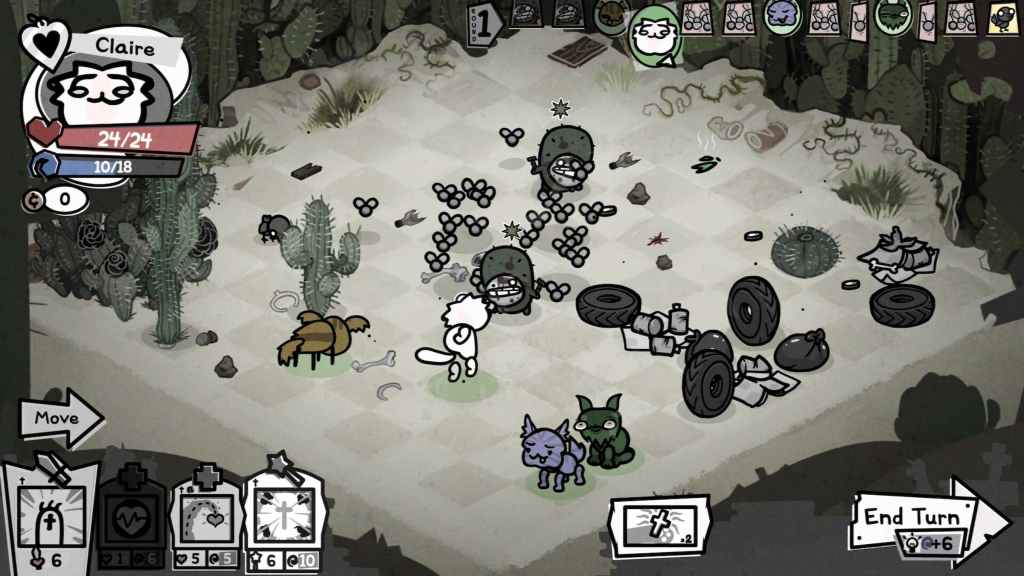
Edmund McMillen and Tyler Glaiel’s long-gestating passion project, Mewgenics, returns the creator of The Binding of Isaac to a radically different space: tactical breeding, roguelike combat, and life-sim systems. Gameplay hinges on two intertwined loops. Outside combat, you breed, train, and kit out a clowder of genetically varied cats, managing traits, classes, and equipment in an almost-collectathon sense. During combat, you deploy squads on small, procedurally generated tactical grids; encounters play like compact, tactical roguelikes where positioning, environmental hazards, and gear matter. That hybrid, strategic breeding feeding into permadeath-style runs, is the core hook.
Visually, Mewgenics leans into a quirky and expressive aesthetic: creature designs and UI channels McMillen’s cartoon-tinged style with a modern pixel/2D sheen. Environments and combat grids prioritize readable silhouettes so emergent tactics feel fair, while character portraits and mutation visuals supply personality in the life-sim layer.
Narratively, the game opts for light-hearted emergent storytelling over heavy plot: the drama emerges from your cats’ genetic lineage, successes, and failures. Expect procedurally driven runs rather than a linear campaign when this game launches on February 10, 2026, for PC through Steam.
5) Grave Seasons
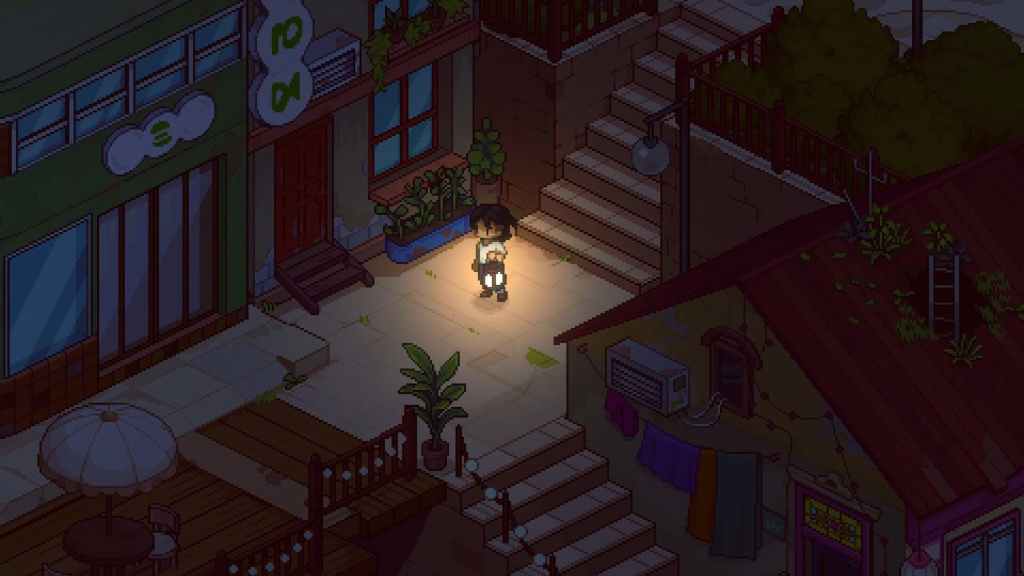
Grave Seasons blends cozy farming sim mechanics with a horror mystery twist, a combination that makes it stand out for players who want emotional sims with tense stakes. Gameplay follows the familiar loop of crop planning, town relationships, and crafting, but with a pivotal narrative overlay: someone in town is a supernatural serial killer whose identity and motives change each playthrough. Your farming choices, friendships, and romantic arcs feed into investigation options and branching narrative scenes, creating replayability that’s both social-sim and thriller.
The visuals take a nostalgic pixel-art approach that’s deceptively cozy; pastel fields and quaint buildings sit beside blood-tinged mystery sequences and unsettling environmental cues. Developers use contrast between cozy daytime routines and stark, eerie night sequences to build tension, and the pixel charm makes the horror more uncanny and shocking.
Plot-wise, Grave Seasons places you as an outsider trying to build a new life in Ashenridge, only to uncover a pattern of murders. The twist is systems-driven: the killer can be different characters across runs, and relationships you cultivate can materially change the story’s outcome. That design turns interpersonal choices into gameplay stakes. A cozy farming investigative murder sim may not have been on your wishlist, but Grave Seasons isn’t one to miss when it launches on PC, Nintendo Switch, Xbox, and PlayStation in 2026.
4) Neverway

Neverway pitches itself as a slow-burning horror RPG with heavy social simulation, craftable systems, and a distinctive visual identity. Gameplay mixes day-to-day island life with relationship systems, activities, and combat that varies depending on your build choices; fights are intentionally fast-paced and exciting to keep your blood pumping. The game’s loop is about settling into a remote island community: building routines, dodging or confronting threats, and managing relationships that all have mechanical weight.
Artistically Neverway favors a haunting monochrome palette with high-contrast pixel art from the artist behind Celeste, and a moody soundtrack by Disasterpeace, which gives the title an instantly recognizable tone: minimalist yet eerie. Dynamic cutscenes that feature strong uses of light and shadow deepen the atmosphere without relying on hyper-realism.
As for the story, Neverway’s narrative focuses on carving out a new life on a remote island as the herald of a dead god while the island’s secrets and interpersonal tensions slowly unfold. There’s a dating/relationship component, multiple characters with schedules and arcs, and a deep narrative to uncover while decorating your home. Neverway is planned for release in 2026 across PC and Nintendo Switch.
3) At Fate’s End
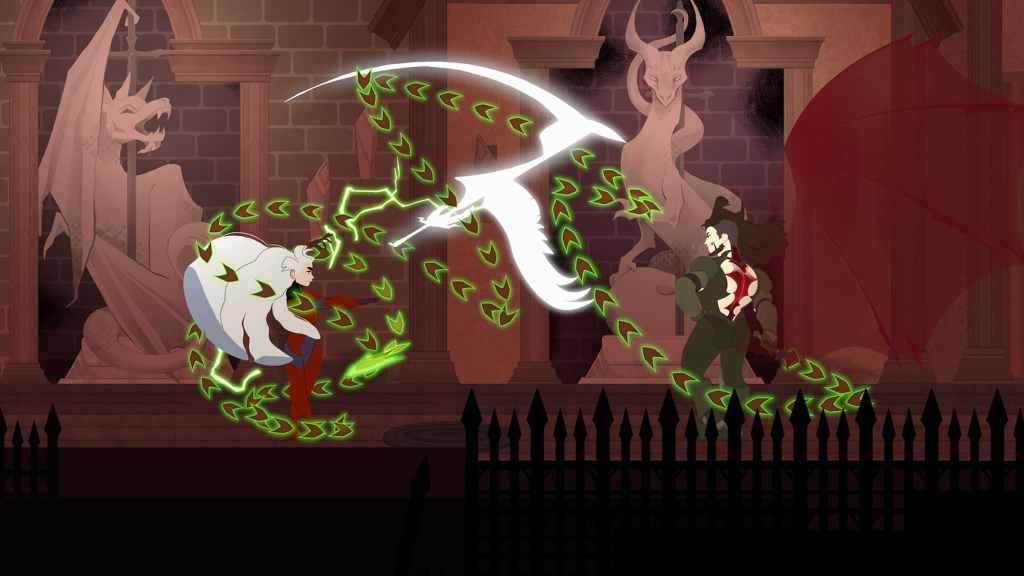
From Thunder Lotus, the creator of Spirit Farer, At Fate’s End moves the studio toward higher-intensity action while retaining the emotional storytelling that defined its earlier work. Gameplay centers on tight, combo-driven swordplay, you wield the God Sword Aesus, and features a layered skill “family tree” where your relationships and backstory shape build options. Expect boss-centric duels with mechanics that blend skillful parrying, special abilities, and narrative beats. At Fate’s End combines exploration, puzzle-like encounters, and intensely meaningful story-driven duels with your estranged siblings.
At Fate’s End is heavily character-focused. It follows Shan, the young heiress of the Hemlock clan as you confront family, the past, and the consequences of inherited power. The fate of your family rests on the outcome of your siblings’ duels, and as you explore the lush fantasy world, you’ll be confronted with difficult choices. Gameplay-wise, these will grant you new abilities to use in combat, but also change the outcome of the narrative.
Visually, the studio’s signature hand-crafted art shines: richly painted environments, fluid animations, and character work that emphasizes expression. Thunder Lotus’ aesthetic elevates combat encounters into theatrical, emotionally charged set pieces. Combat and cutscenes seemingly blend into one without ever taking you out of the action. Thunder Lotus has only provided a 2026 release date, but has confirmed platforms like PC, Xbox, and PlayStation.
2) Mina the Hollower
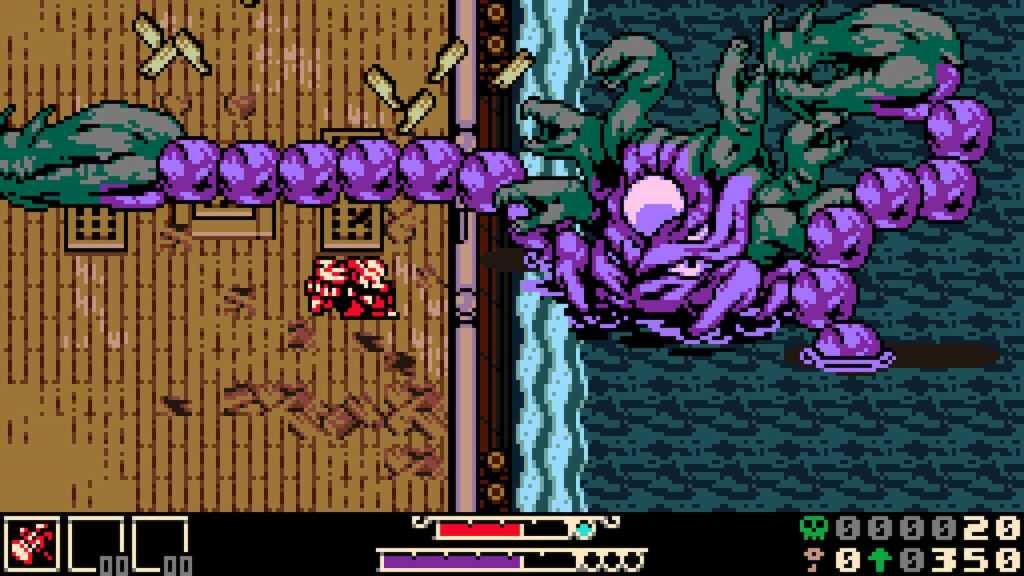
Yacht Club Games’ Mina the Hollower channels classic top-down action-adventure reminiscent of The Legend of Zelda with modern design polish. Gameplay emphasizes challenging combat, tight enemy telegraphs, and dungeon exploration inspired by legacy 2D action titles. There are item- and ability-based progression loops, boss fights built around pattern learning, and an emphasis on precise combat. Yacht Club also released a demo that lets players sample the opening stage and first major boss, and the reception was incredibly positive.
Aesthetically, the title leans into gothic-horror pixel art that feels right out of Castlevania if someone turned Simon Belmont into a mouse: detailed tilesets, expressive sprite work, and a moody yet whimsical design language that nods to classic 16-bit adventures while feeling modern. Animation and sound design are tuned to make every hit feel impactful. Storywise, Mina is set in a twisted, folkloric world of hollowers and monsters; the narrative promises pulpy gothic horror with touches of charm and mystery, more about atmosphere and set pieces than sprawling plot beats.
Mina the Hollower was set to release on October 31st, 2025, but was hit with a delay just before release. No official date was given for its rescheduled launch, but fans can expect the same charm and attention to detail Shovel Knight offered. A delay into 2026 is absolutely worth it to see what Yacht Club Games has poured its creative spirit into after years of working on Shovel Knight and spin-offs. Mina the Hollower will be available on PC, Nintendo Switch, PlayStation, and Xbox when it is available.
1) Slay the Spire 2
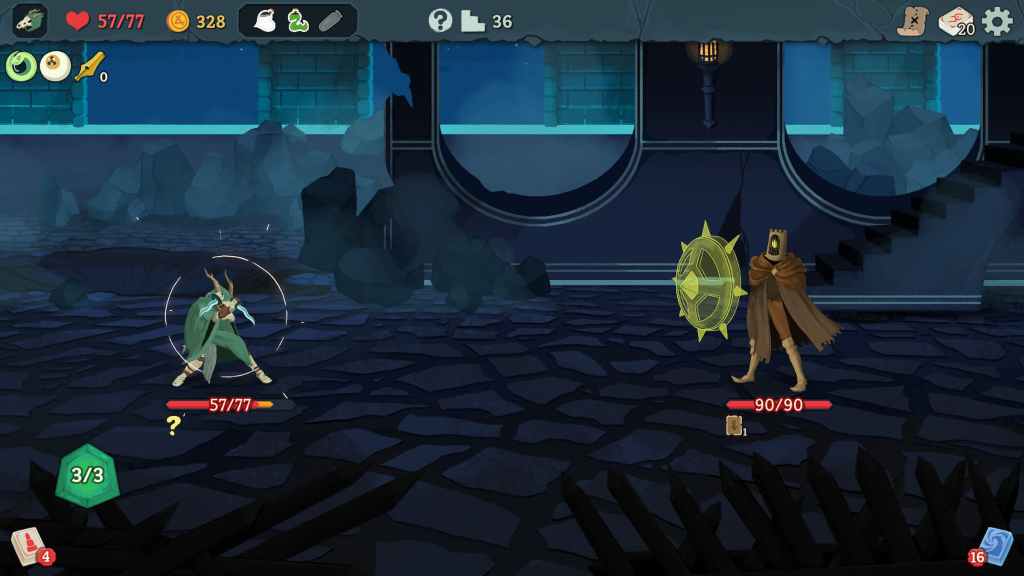
If there is one indie game that has set expectations high, it is Slay the Spire 2. If you love deckbuilding roguelikes, MegaCrit’s upcoming title sits at the top of the list for obvious reasons: it’s the direct sequel to one of the genre’s defining indies. Expect deeper deckbuilding synergies, refined encounters, and new ways to handle risk vs. reward across runs from this follow-up title.
The sequel appears to maintain the original’s iconic illustrated-card aesthetic but with updated animations, UI improvements, and expanded encounter variety to make runs feel fresh while remaining legible in the heat of play. While there may be returning characters, cards, and enemies, a whole slew of new arrivals await fans. The brief glimpses of gameplay show a refined version of what fans loved without deviating too far from the iconic look.
Slay the Spire favored emergent story told through artifacts, events, and encounter text rather than a cinematic campaign; the sequel looks set to continue that tradition. New characters will lend to this narrative, but the return of previous characters also leaves fans with questions. Slay the Spire 2 is expected to release in March of 2026 for PC, Nintendo Switch, Xbox, and PlayStation. After so many games have taken inspiration from MegaCrit’s original game, it is nice to see the return of one of the best deckbuilding roguelikes ever made.
What do you think? Leave a comment below and join the conversation now in the ComicBook Forum!