Kirby is one of the most iconic Nintendo characters and also one of its longest-running series. Since its debut in the early 1990s, a consistent release of the charming pink puffball has been available. What makes the series special is its flexibility. Kirby games can be simple or complex, cozy or experimental, yet they always retain an inviting sense of wonder that appeals to players of all ages.
Videos by ComicBook.com
This ranking focuses solely on mainline Kirby platformers and excludes numerous spin-off titles, including racing games like Kirby Air Riders, puzzle games, and multiplayer experiments. Those games have their own merits and are some of the most popular, but comparing them directly to core platforming entries would not be fair. Even within the mainline series, quality varies widely. Some games laid the foundation for everything that followed, while others struggled to fully realize their ideas. Here is every main Kirby platformer, ranked from worst to best.
14) Kirby’s Dream Land
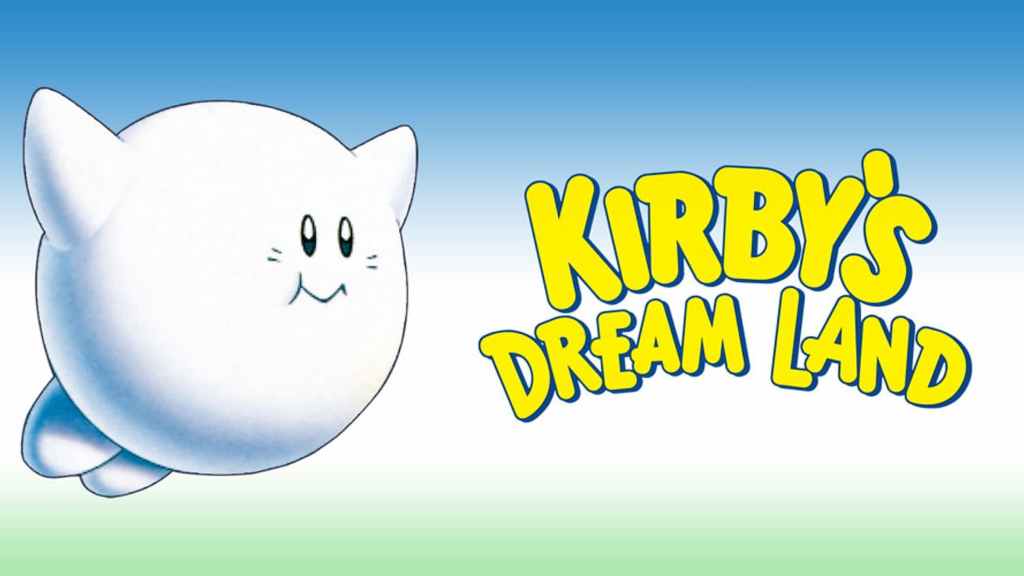
Kirby’s Dream Land deserves respect for introducing Kirby, but as a game, it is undeniably limited. Released on the Game Boy, it lacks copy abilities entirely, making gameplay feel basic even by early standards. Levels are short, enemy variety is minimal, and combat rarely challenges the player.
Visually, it is charming but extremely simple, relying on clean sprites and repetition. The plot is straightforward, with Kirby retrieving stolen food from King Dedede. While nostalgic, it feels more like a proof of concept than a fully realized Kirby experience. Its importance is historical rather than mechanical, which places it firmly at the bottom.
13) Kirby Star Allies
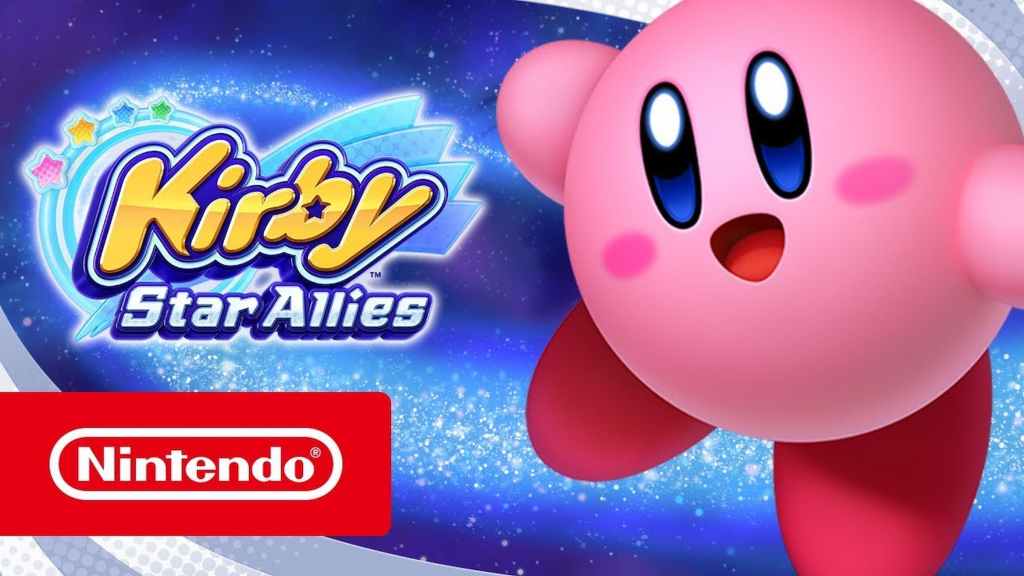
Kirby Star Allies aimed to be a celebration of the franchise, but its execution fell short. The core mechanic revolves around recruiting allies, including classic characters, to fight alongside Kirby. While fun in multiplayer, solo play often feels overly automated.
Levels are colorful and polished, but difficulty is almost nonexistent for much of the game. Bosses rarely pose a threat, and exploration lacks meaningful rewards. The late-game content and nostalgia-driven cameos add value, but the base experience feels undercooked. It is enjoyable, yet disappointing given its ambition.
12) Kirby & The Amazing Mirror
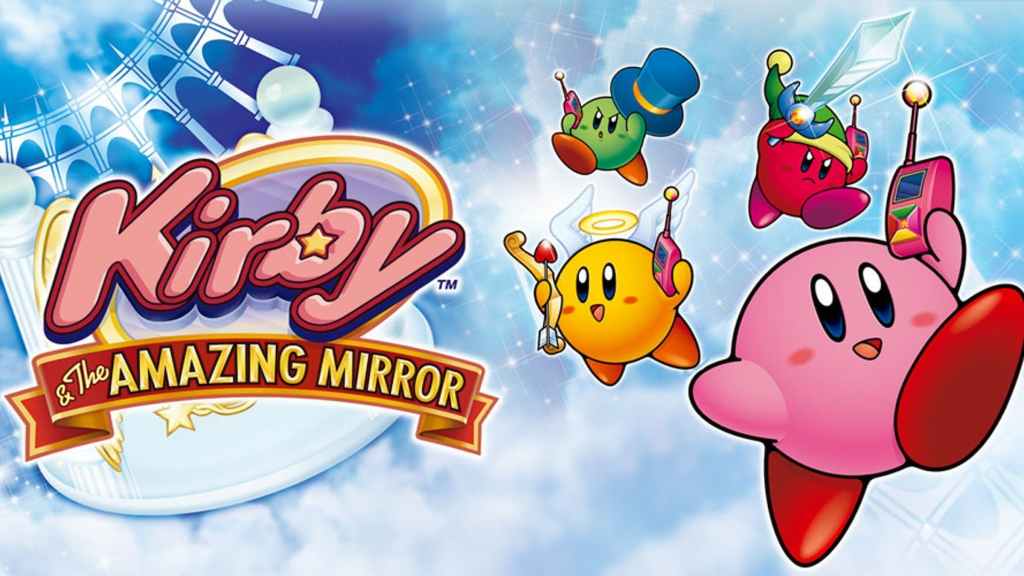
This entry experimented with a Metroidvania-style structure, allowing players to explore a large interconnected world. While ambitious, Kirby & The Amazing Mirror struggles with clarity. Navigation can be confusing, and progress often feels aimless. This type of gameplay just didn’t feel suited for Kirby.
The copy abilities remain fun, and multiplayer integration was creative for its time. However, level design lacks the tight pacing seen in other entries, especially for a Metroidvania. It is a fascinating experiment that does not fully come together, earning it a lower ranking despite its originality.
11) Kirby: Triple Deluxe
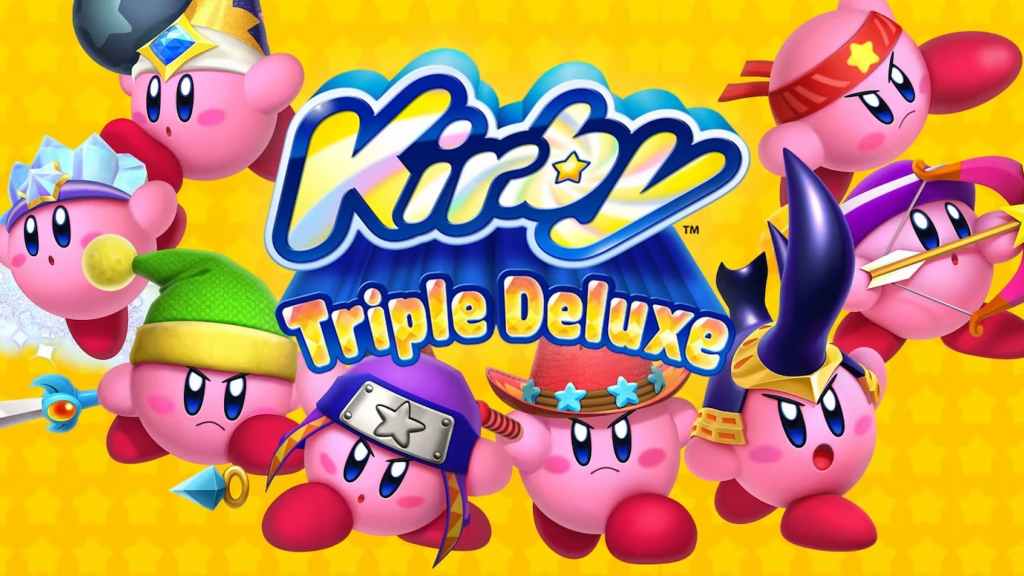
Kirby: Triple Deluxe brought the series back to a more traditional structure, with a focus on verticality and foreground-background mechanics. The Hypernova ability introduced clever puzzle-solving moments, adding spectacle to familiar gameplay, and showcased that Nintendo wasn’t afraid to commit to experimentation.
While polished and visually charming, the game plays it very safe. Levels are well designed but rarely surprising, and the story feels minimal even by Kirby standards. It is a solid entry that lacks a defining spark, placing it comfortably in the middle tier.
10) Kirby: Squeak Squad
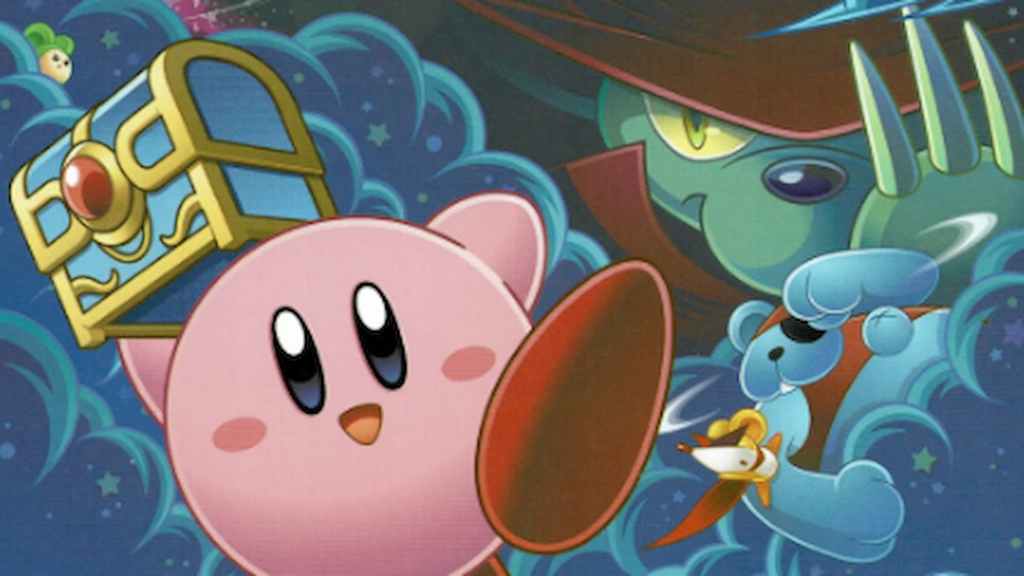
Squeak Squad emphasizes collecting treasure chests and managing copy abilities through an inventory system. This adds a layer of strategy, allowing players to store abilities for later use. It also introduces the Squeaks, a charming gang of mice thieves that feel straight out of the Mushroom Kingdom.
The game’s plot is lighthearted, focusing on Kirby chasing thieves who stole his cake. While humorous, the execution feels repetitive. Level design is competent but not memorable. It is a fun handheld experience that never quite rises above being good rather than great, and doesn’t particularly stand out.
9) Kirby: Planet Robobot
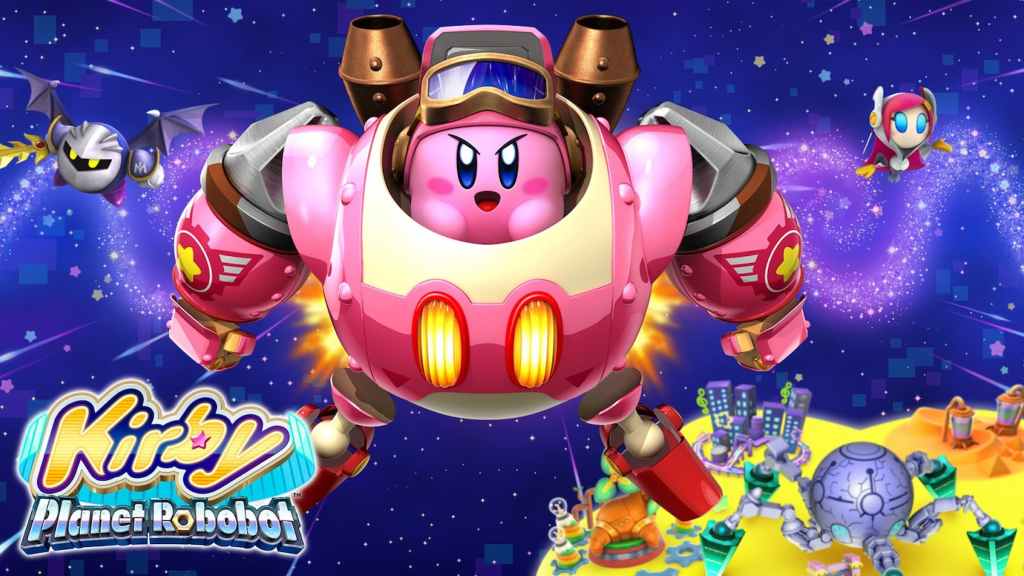
Kirby: Planet Robobot injects mechanical flair into the formula by introducing the Robobot Armor. This transforms gameplay, offering heavy-hitting combat and puzzle-focused segments that feel distinct from standard Kirby levels. It brings a major new gameplay element not seen before in the series that gives it an edge compared to other titles.
The sci-fi aesthetic is refreshing, and boss fights are among the series’ strongest. While the core Kirby gameplay remains familiar, the armor sections prevent stagnation. Its creativity and strong presentation elevate it above many modern entries. But at its core, it does deviate from the main theme, preventing it from placing higher.
8) Kirby’s Dream Land 2
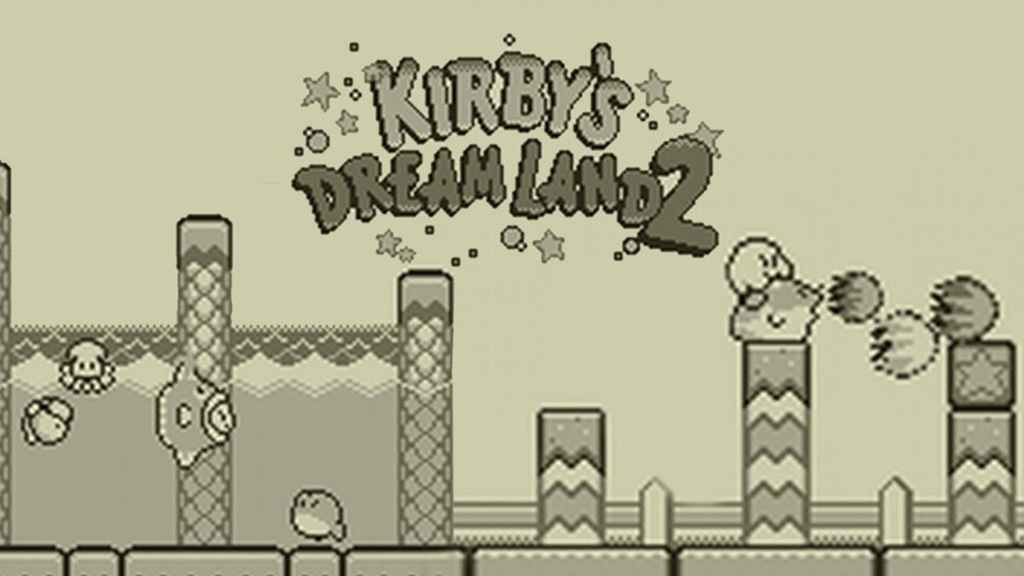
This sequel sees the return of copy abilities introduced in Kirby’s Adventure and animal companions, significantly expanding gameplay depth. Each companion alters how abilities function, encouraging experimentation, just as swallowing enemies does.
The game’s tone is surprisingly somber, hinting at darker themes beneath its cute exterior. While limited by hardware, its atmosphere and mechanical improvements mark an important evolution for the series. It is simple but thoughtful, earning its place above earlier titles and popularizing the trend of Kirby games having world-ending elements hidden behind cuteness.
7) Kirby’s Dream Land 3
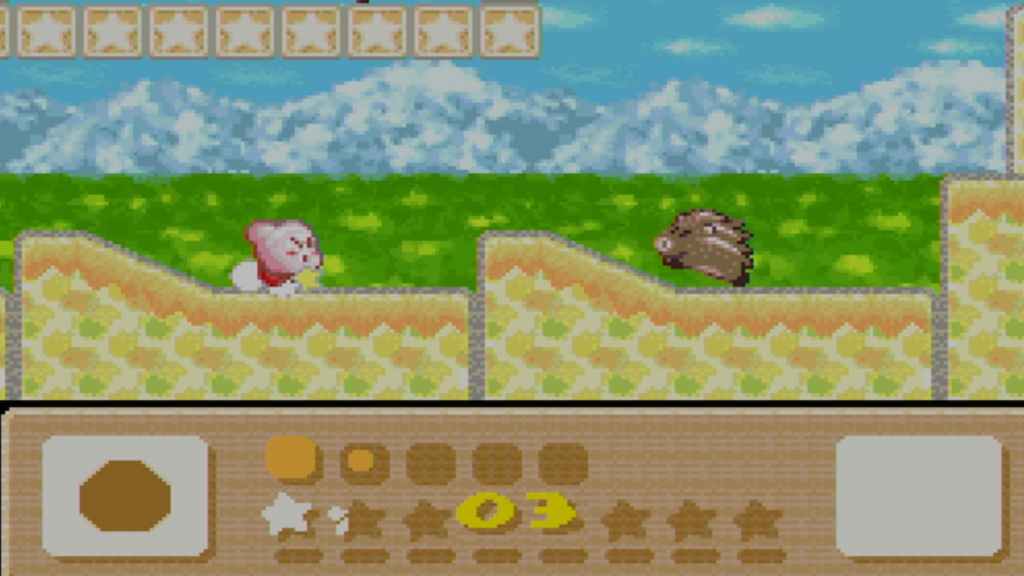
Building on its predecessor, Kirby’s Dream Land 3 leans heavily into emotional storytelling and artistic presentation. Its crayon-inspired art style gives it a unique visual identity that still stands out today. It refines the mechanics introduced before and brings them to new heights.
Gameplay encourages helping NPCs through optional objectives, adding emotional context to levels. While combat remains easy, the game’s heart and creativity elevate it. It is one of the most emotionally resonant Kirby games and is responsible for a lot of fan-favorite characters today.
6) Kirby’s Return To Dreamland Deluxe

This enhanced version refines a beloved Wii entry with added content and quality of life improvements. It embraces four-player cooperative gameplay while maintaining strong level design. And unlike other co-op titles in the series, it feels good to play solo, allowing for both types of play.
Super Abilities add spectacle, and the overall pacing is excellent. While not revolutionary, it represents the modern Kirby formula executed extremely well. It is accessible, polished, and consistently fun, and a natural evolution of what an older game would look like with modern hardware. It also serves as a great entry point for newcomers to the series.
5) Kirby Super Star
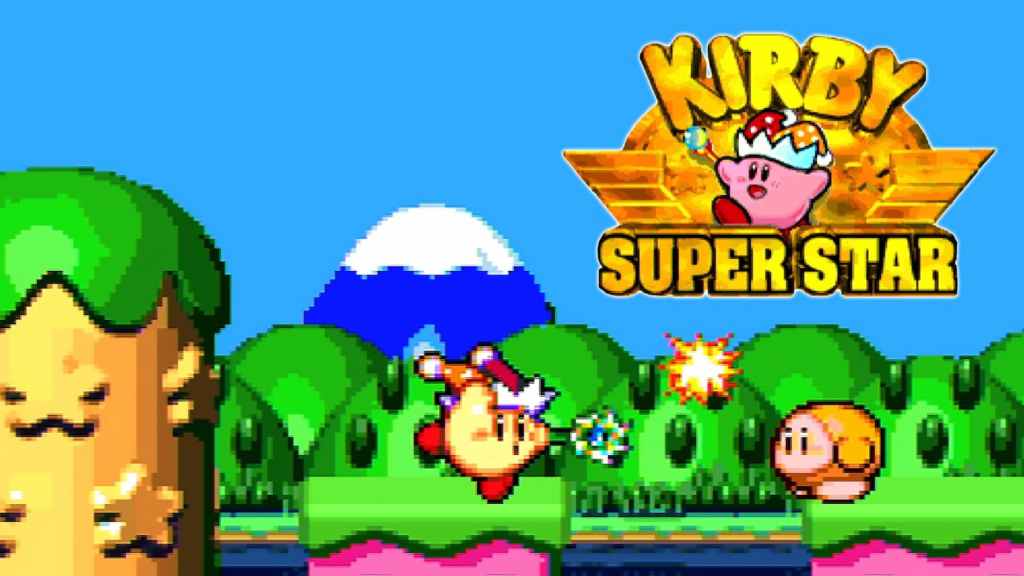
Kirby Super Star stands out for its structure, presenting multiple smaller games rather than one long campaign. This variety keeps gameplay fresh and allows different mechanics to shine. And while it may be considered to be a spin-off rather than a mainline entry, it retains the core gameplay the series is known for, but introduces various unique elements as well.
The introduction of helper characters expanded cooperative play, and the copy ability system became more refined. Its experimental nature and replayability make it one of the most beloved entries in the franchise. The various smaller games that compose this collection were also directly responsible for various future titles and mechanics in the series.
4) Kirby’s Epic Yarn
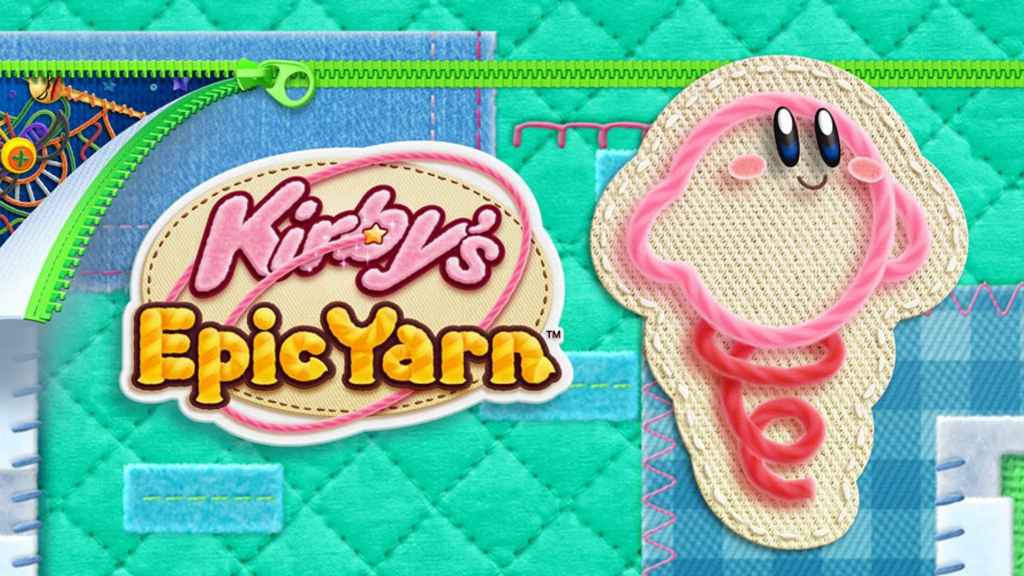
Kirby’s Epic Yarn reimagines the series entirely, removing traditional combat in favor of platforming and transformation-based puzzles. The yarn aesthetic is stunning, turning environments into handcrafted dioramas. Its success ultimately led to the creation of Yoshi’s Woolly World, one of the best and most charming Wii U games to be released.
While difficulty is minimal, creativity is unmatched. Every level feels like a visual treat, and the relaxed pacing makes it uniquely soothing. It proves Kirby can thrive without combat, showcasing the series’ versatility. Nintendo took a big risk with this experimental title, and it paid off in big ways.
3) Kirby’s Adventure
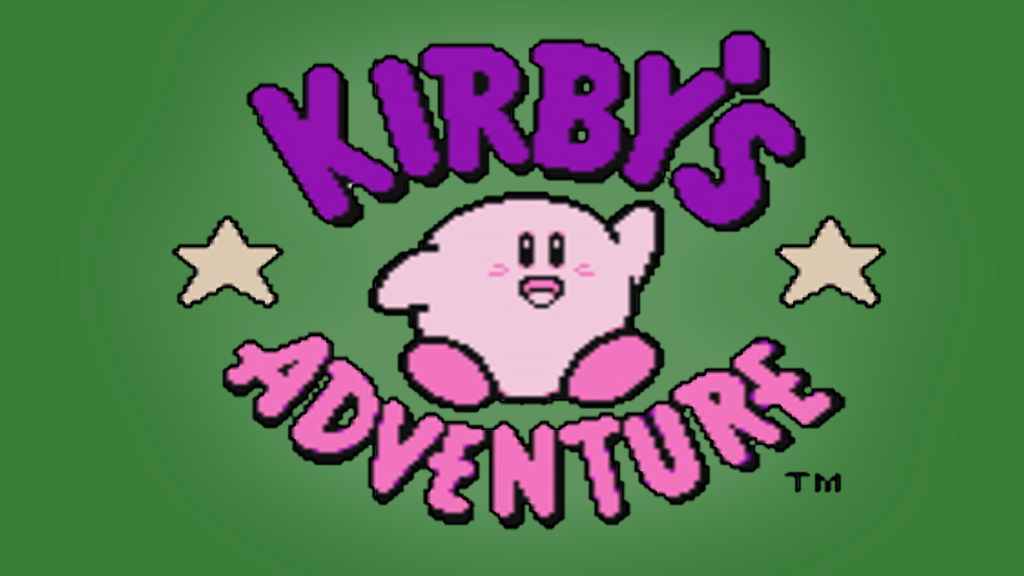
This game established what Kirby would become. Introducing copy abilities, it transformed the series overnight and differentiated it from a Mario clone. Each ability meaningfully changes gameplay, encouraging experimentation. Without Kirby’s Adventure, the series would likely not exist today. But this doesn’t mean its value is just historical.
Level design is tight, bosses are memorable, and secrets reward exploration. For an early NES title, it is remarkably ambitious. Even with limited hardware, the visuals and gameplay were incredible at the time. Its influence cannot be overstated, making it one of the most important Kirby games ever made.
2) Kirby 64: The Crystal Shards
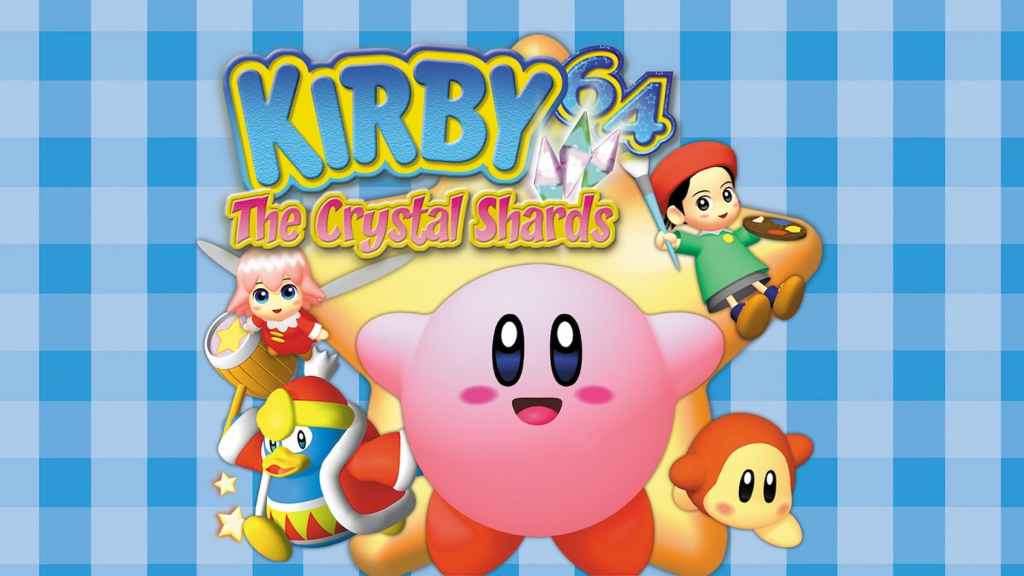
The ability combination system is the star of Kirby 64. Mixing copy abilities creates entirely new powers, adding depth and discovery to every level. This new mechanic added so much depth to the main story, but this wasn’t the only standout addition. Multiplayer mini-games, especially Checkerboard Chase, kept players returning to the game long after having beaten the campaign mode.
The main narrative features a surprisingly emotional story, with darker undertones and a haunting final act. While its visuals are simple, its mechanics and tone elevate it. It is one of the most inventive Kirby games and a fan favorite for good reason. If there was ever a game in the series due for a remake, it is Kirby 64: The Crystal Shards.
1) Kirby and the Forgotten Land
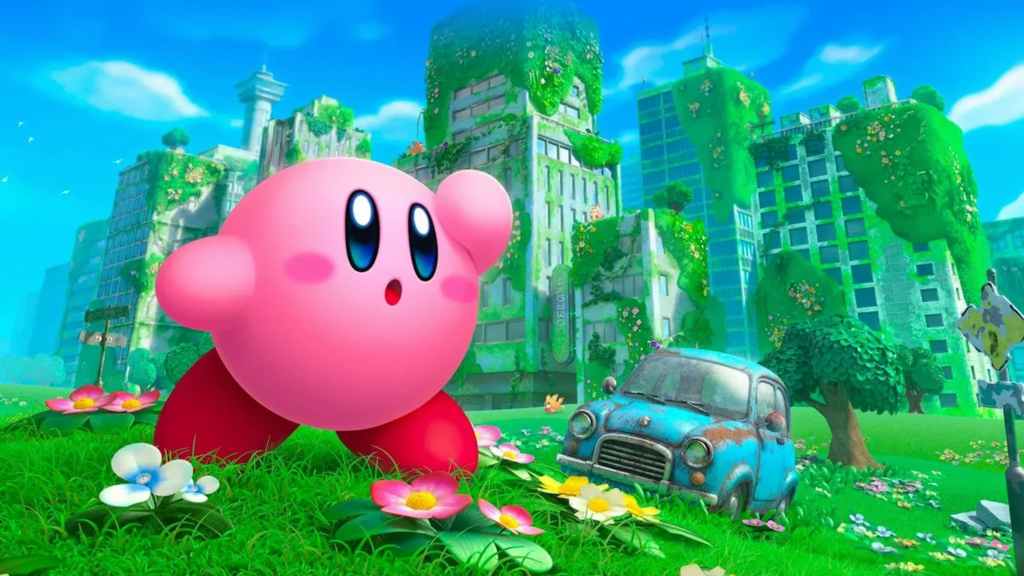
Kirby and the Forgotten Land represents the series at its peak. Transitioning to full 3D was a massive risk and something deemed impossible, but it paid off beautifully. Level design balances exploration, platforming, and combat perfectly while also offering some of the best environments in the series. And let’s not forgot Bandana Waddle Dee getting his moment in the spotlight.
Mouthful Mode adds playful creativity, while the post-apocalyptic setting introduces emotional depth rarely seen in the series. The game respects Kirby’s legacy while pushing it forward. It is not just the best Kirby game, but one of Nintendo’s finest modern platformers, especially on Nintendo Switch 2.
Kirby’s journey reflects Nintendo’s ability to innovate while staying true to its heart. From humble beginnings to fully realized 3D worlds, the series continues to evolve, proving that even the softest heroes can leave a lasting impact. And no game proves this like Kirby and the Forgotten Lands.
What do you think? Leave a comment below and join the conversation now in the ComicBook Forum!
Most Viewed
-

Sony Pictures -

Image courtesy of The Pokemon Company -
Image Courtesy of Marvel Comics -

Image Courtesy of HIDIVE -

Image Courtesy of Marvel Studios -

Image Courtesy of Netflix