The role-playing game genre is one of video game history’s oldest and most prolific, going back to the early 1970s, long before people had computers in their homes. RPGs were a natural evolution of tabletop games, as they could incorporate their core elements of experience, lore, exploration, questing, items, inventory, character actions, abilities, combat, and more. Since its first offering, the RPG genre has grown exponentially into one of the most expansive, and it continues to innovate through clever developers as new games are created. We wanted to take a look at some of the games that brought about the RPG genre, identifying the truly innovative ones, which are detailed below. We didn’t cover everything, as that would be much too long in this format, but we hit the high points and avoided MMORPGs, as they deserve their own analysis.
Videos by ComicBook.com
1) pedit5 & dnd (1975)
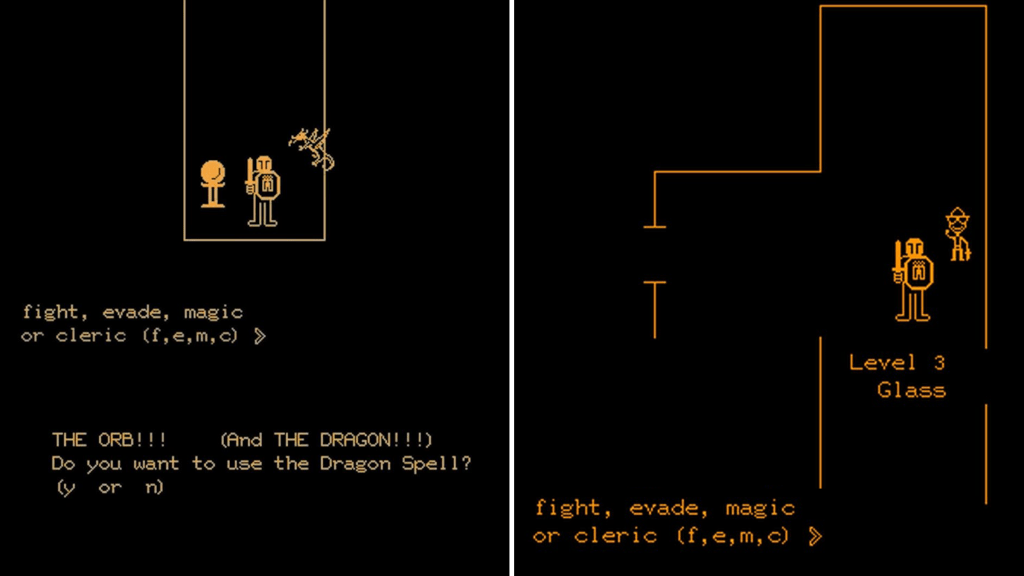
When programmers began building games that would eventually be called RPGs, they took from the most well-known RPG at the time, Dungeons & Dragons. Rusty Rutherford coded pedit5, also known as The Dungeon, in 1975 on his school computer, which is where the name pedit5 comes from, as that was its file name. The game is considered to be one of the first RPGs and the first dungeon crawler, though it consisted of a single-level dungeon. Its monsters and treasure were randomly generated, and the player could use spells or weapons, saving each encounter. Another early example, dnd, is similar, though it’s known for including the first boss in an RPG and for featuring a limited quest and storyline. These two games helped establish the genre’s basis through limited graphical interactions.
2) Colossal Cave Adventure (1976)
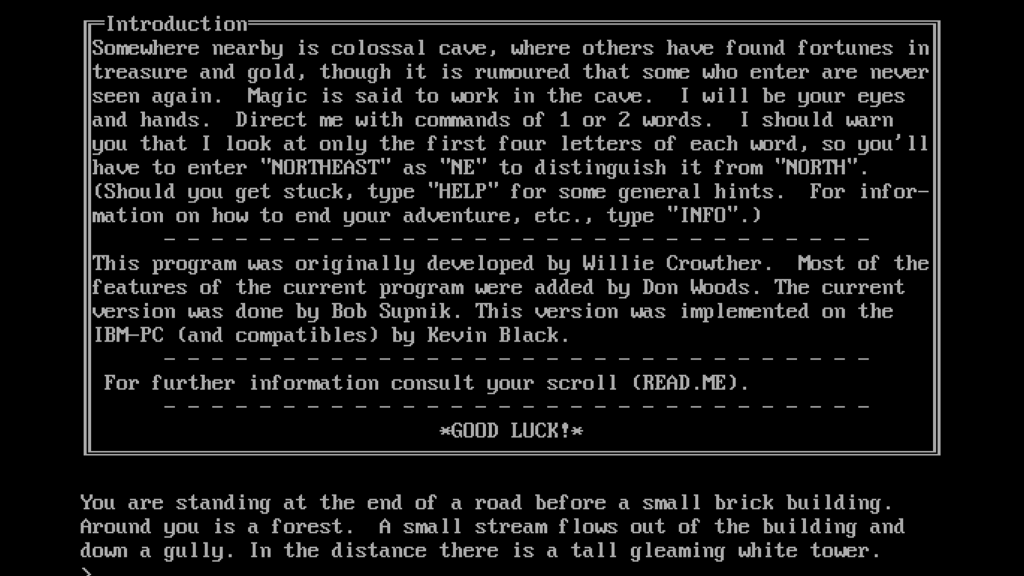
A significant innovation in the establishment of RPGs came in 1976 with the introduction of Colossal Cave Adventure. Instead of exploring the concept graphically, it’s an early example of a text-based game. While not the first of its kind, Colossal Cave Adventure is the most well-known early example of interactive fiction in an adventure game, helping to establish the sub-genre via its title. The game spread through the ARPANET, which predates the Internet, so it was initially limited to those with access to it. The success of Colossal Cave Adventure led to the development of similar games, including Zork, Rogue, and Adventure.

3) Aklabeth: World of Doom (1978)
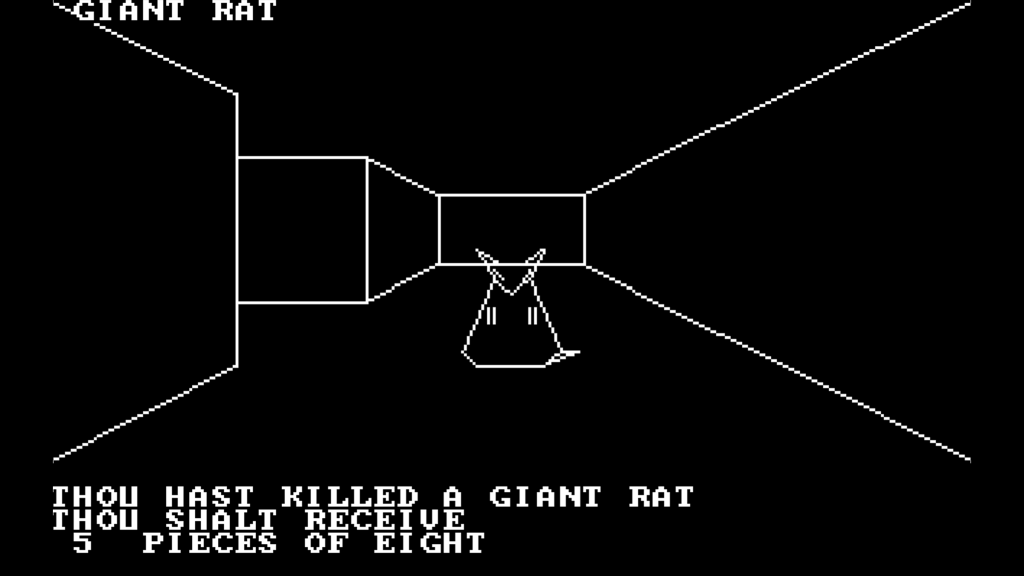
While gaming graphics were limited in the 1970s and early ‘80s, Aklabeth: World of Doom introduced something truly innovative. Richard Garriott, the programmer who would go on to develop the Ultima franchise, coded the game for the Apple II and MS-DOS shortly after graduating from high school. Because it utilized all the features of the games that preceded it, Aklabeth: World of Doom is known as one of the earliest RPGs to define the genre. In terms of graphics, it featured an overhead view as well as a first-person view within dungeons for its dungeon-crawling mechanic. It introduced or used new concepts to innovate, including the need for food to survive, the use of hotkeys, and more.
4) Ultima I (1981)
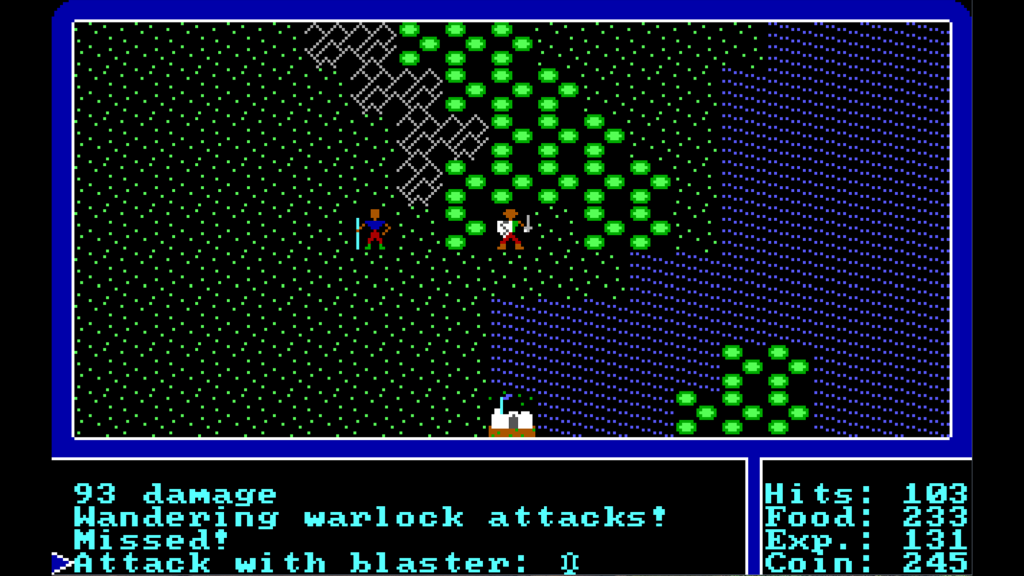
Richard Garriott’s success with Aklabeth: World of Doom led to further game development, culminating in the 1981 release of Ultima I, later known as Ultima I: The First Age of Darkness. All of the innovations from previous games led to Ultima I being referred to as one of the first true commercial computer RPGs, and it would influence every game that followed, including its own sequels. Moreover, Ultima I is the first open-world computer game, a feature that would become a significant aspect of the genre moving forward. Other important and influential games released around this time include Wizardry, Wizard and the Princess (The first in what would become the King’s Quest franchise), and Sword of Fargoal. Still, Ultima I became the template for the genre, making it one of the most important titles in video game history.
5) Dragonstomper (1983)
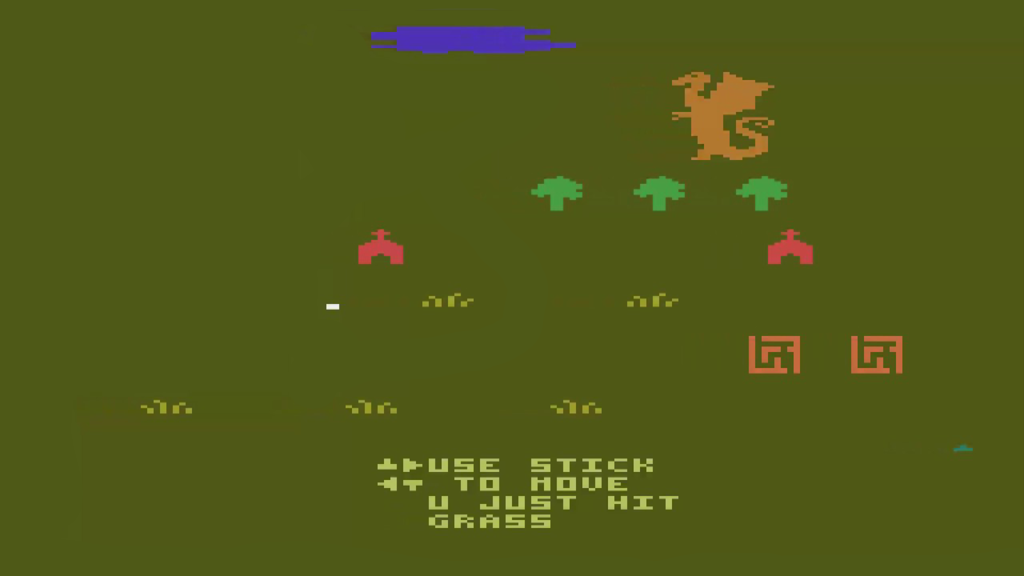
While the genre got its start on mainframes and personal computers, it didn’t stay away from consoles. The first RPG to release on a home video game console isn’t 1980’s Adventure, which is more of an action-adventure game; it’s Dragonstomper. The game was released for the Atari 2600 and centers on a dragon hunter on a quest to defeat a dragon and save the kingdom. It includes an experience system and gold collection, a shop mechanic, a hiring mechanic, and other now-common elements of the RPG genre. It required the Starpath Supercharger, an Atari 2600 accessory that read cassette tapes. This was needed to increase the system’s RAM and improve graphics to play Dragonstomper.
6) Ultima III: Exodus (1983)
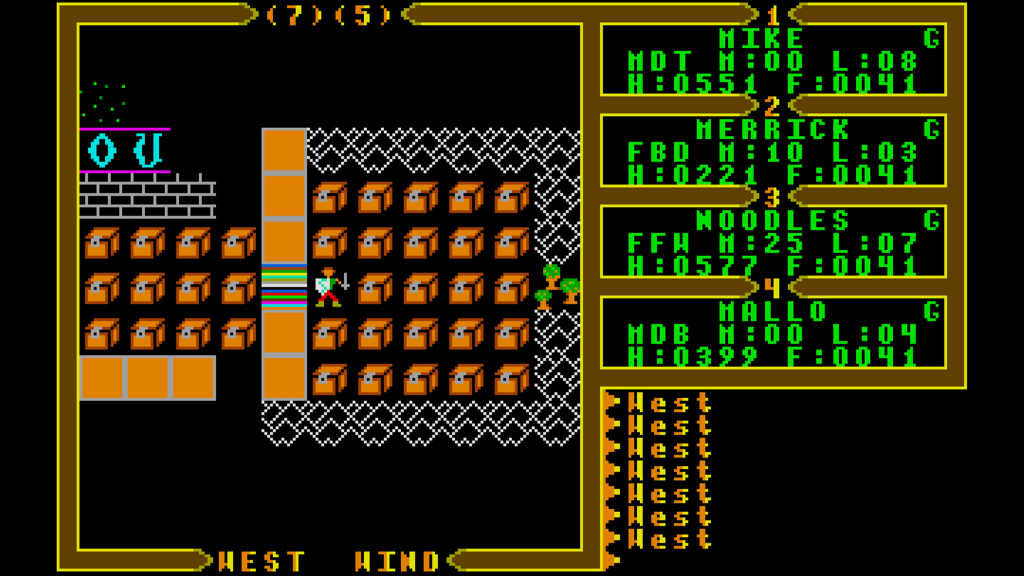
While Ultima II: The Revenge of the Enchantress was a significant game in the development of RPGs, its sequel, Ultima III: Exodus, established more norms for the genre moving forward. These included the use of tiled graphics, which were common for displaying game worlds. Additionally, it included party-based combat, time travel, and a blend of fantasy and science fiction in its narrative. Previously, RPGs were largely limited to fantasy. Still, Ultima III demonstrated that any genre could be used to create a game filled with rich lore, exploration, and all of the elements that fit within the overall RPG genre. Its sequel, Ultima IV: Quest of the Avatar, also innovated by introducing a chivalry system. Still, Ultima III is often considered the first modern CRPG, though other influential games from this period included Dungeons of Daggorath (a real-time first-person game) and Tunnels of Doom.
7) Phantasie (1985)
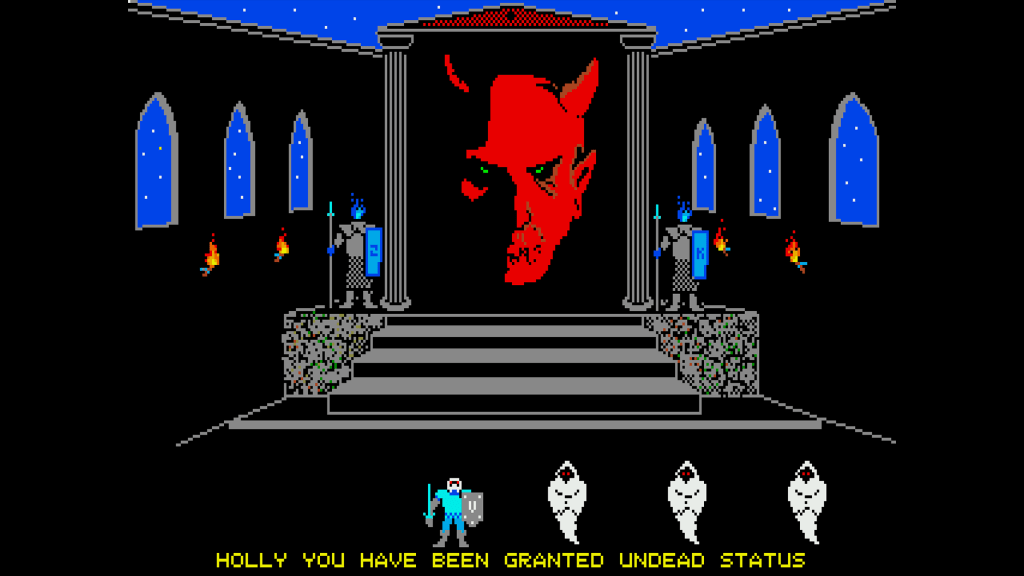
While the Ultima franchise was helping to establish the genre’s standard features, Phantasie came along and took everything from them (and other titles), and crammed it all into a single game. It features multiple gameplay styles, including a top-down dungeon-crawling view, a top-down world map, a town window, a shop mechanic, a separate combat window, and turn-based combat, allowing for a more strategic approach. It featured six character classes, more than a dozen different races, and a complex quest system. Phantasie was innovative in many ways, and it helped further the development of the genre, but it isn’t as well-known these days despite its influence on RPGs.
8) The Legend of Zelda (1986)

Console RPGs were fairly rudimentary for several years, though there were ports of Ultima titles on the Nintendo Entertainment System. The Legend of Zelda is easily one of the most influential in the development of console RPGs, though it’s considered an action-adventure with strong RPG elements, as it lacks a leveling system. One of its most significant innovations was the inclusion of an internal battery, which allowed for saving a game’s progress. Doing this enabled The Legend of Zelda to create a large world with multiple dungeons. As gameplay progresses, the player upgrades Link’s equipment, making him stronger while also increasing his life force along the way. The Legend of Zelda spawned a massive franchise that continues to this day. Its sequel, Zelda II: The Adventure of Link, includes more RPG elements, including an experience point system.
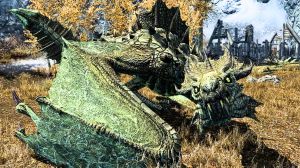
9) Dungeon Master (1987)
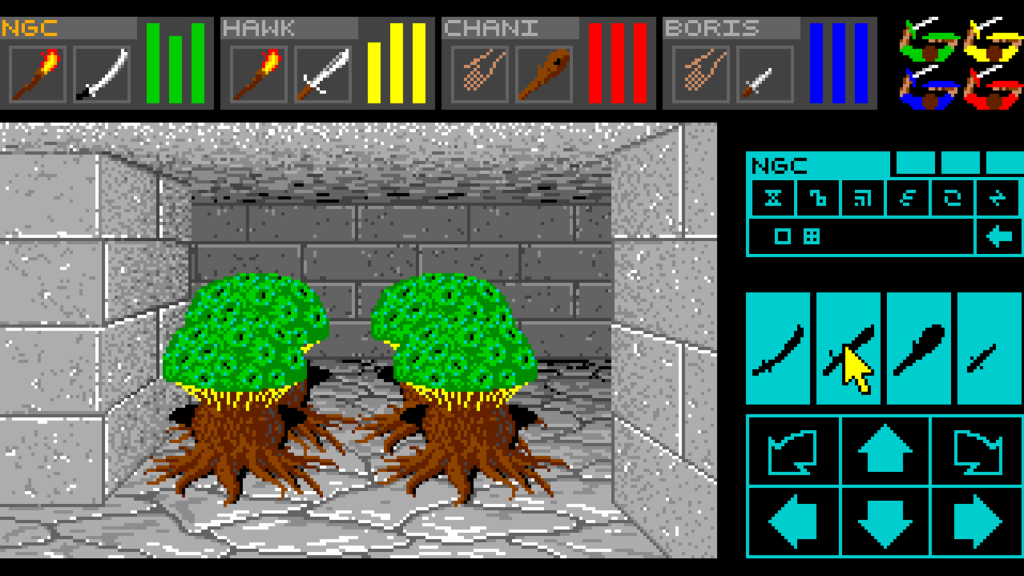
Dungeon-crawling goes back to the mid-1970s, and it’s a central element of the RPG genre. While many games improved the concept graphically, Dungeon Master is known as one of the earliest 3D dungeon crawlers. It became the archetype of this RPG genre, and its influence on subsequent titles like Eye of the Beholder is evident. In terms of RPG elements, it eschewed the then-standard use of turn-based combat for a real-time approach. It included immersive sound and dynamic lighting to create an atmosphere that drew in gamers, and it remains one of the most innovative in these efforts, helping to further advance the genre into the 1990s.
10) Fire Emblem: Shadow Dragon and the Blade of Light (1990)

Role-playing games branched into several subgenres, as is common in video games, and one of the most important was the tactical RPG. The first game to do this well was Fire Emblem: Shadow Dragon and the Blade of Light, which launched the Fire Emblem franchise. The game was released on the Nintendo Famicom in 1990, so Western players didn’t get their hands on it right away. Regardless, the game innovated by combining the strategic simulation elements of Famicom Wars with traditional RPG tropes. The result was a game that popularized tactical RPGs, making it important in the eventual development of titles like Final Fantasy Tactics, Tactics Ogre: Let Us Cling Together, and Disgaea 5: Alliance of Vengeance, among others.
11) Diablo (1997)
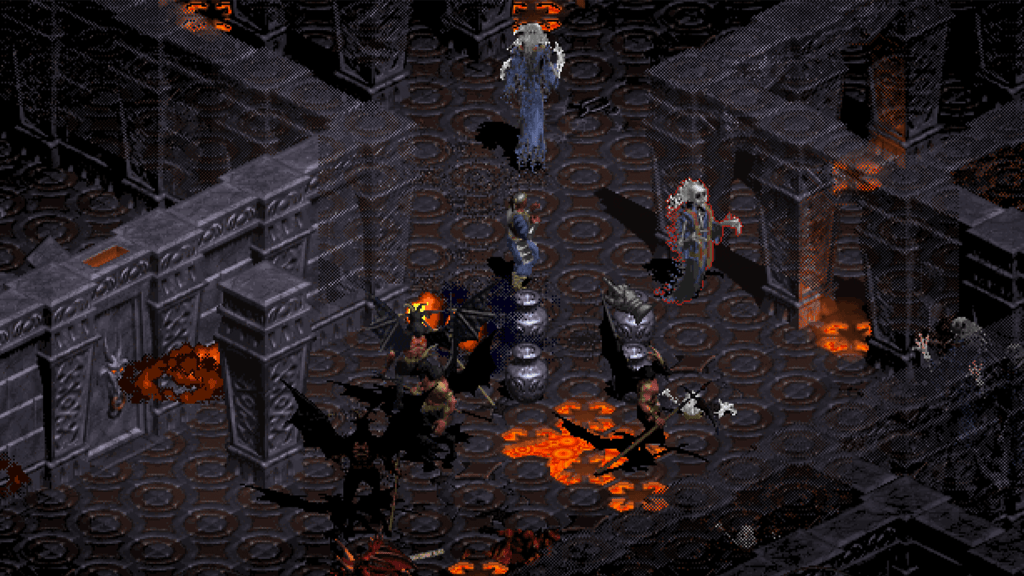
The first Diablo was released in 1997 across a variety of systems, though it initially launched on Windows PCs. It establishes the franchise’s lore and features an immersive storyline presented through vast dungeons. It innovated in several ways, but is primarily known for how well it used procedural generation to create its levels, each of which is different but follows a somewhat standardized template. The game also assigns a random number of quests, with difficulty determined by a tier system, and the quests are optional, allowing the player to choose what they want to do and how they want to play and level up their character. This type of procedurally generated content has become standard in numerous action role-playing games since the release of Diablo.
12) Baldur’s Gate (1998)
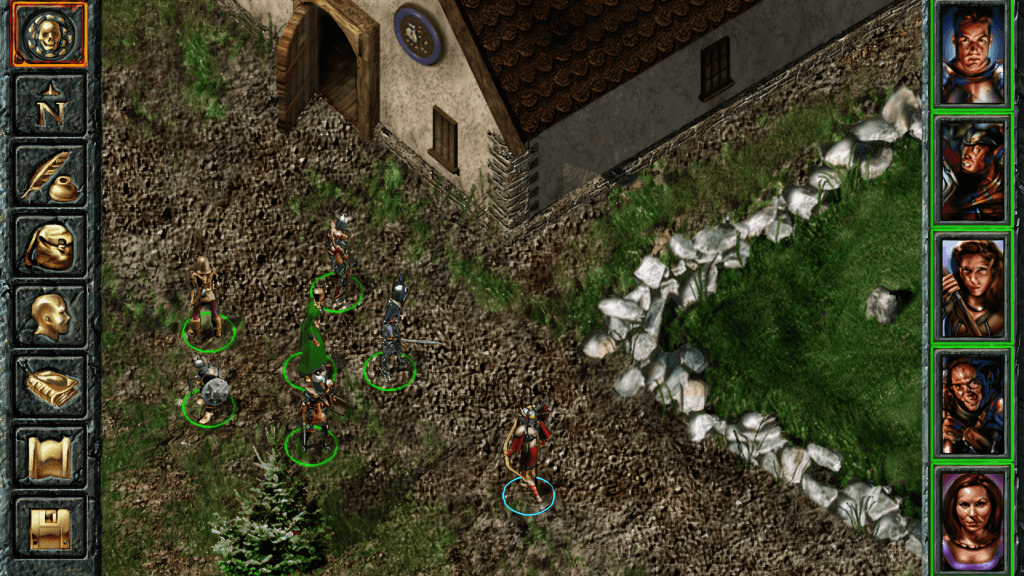
As the 20th century was coming to a close, RPGs had solidified most of their elements into standards that could be seen across the genre. While there were several notable titles released in the ‘90s, it was Baldur’s Gate that revitalized the genre on computers, which was important for its further development, as it’s always been closely aligned with computers rather than consoles. Baldur’s Gate is one of the best Dungeons & Dragons games, as it used a modified version of the Advanced Dungeons & Dragons 2nd Edition ruleset, aligning closely with the game that inspired programmers to develop the first video game RPGs more than 20 years earlier. Everything good about Baldur’s Gate would influence developers that followed, making it one of the most influential games in the genre.
13) The Elder Scrolls III: Morrowind (2002)
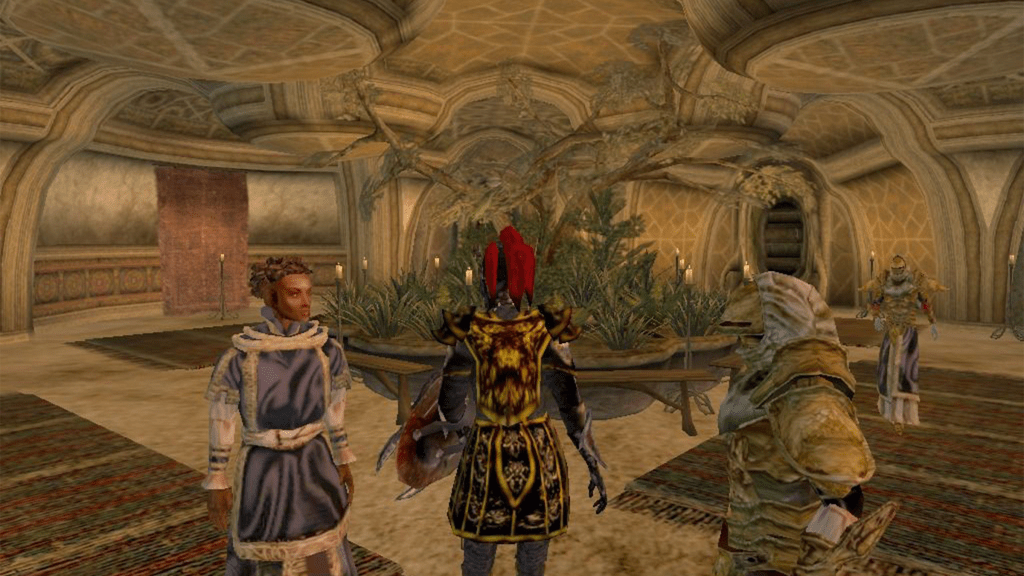
As the 2000s rolled around, experimentation with the format produced some interesting results, including The Elder Scrolls III: Morrowind, which avoided standard gameplay practices in favor of an open-ended experience that placed less emphasis on the overall plot. This was a big change to the action role-playing genre, as most include side quests to keep you busy and build up your character, but the main plot drives the game’s story. The Elder Scrolls III: Morrowind went another way, showing that new approaches to the relatively solidified RPG genre were possible and could be good, as Morrowind was a huge success, both critically and commercially.
14) Star Wars: Knights of the Old Republic (2003)

While Star Wars isn’t the first franchise people think of when considering RPGs, that notion was entirely dispelled with Star Wars: Knights of the Old Republic. The game is renowned as one of the best RPGs and Star Wars games ever made, so its influence is widespread. KOTOR’s expansive storyline and lore broaden the scope of what is now called Star Wars Legends, and its success informed the development of numerous popular games that followed. It incorporates a player’s choices into their character’s personality, swaying them to either the light or dark side of the Force. This system is similar to another popular RPG when Fable incorporated a morality mechanic into its characterization the following year. Both games advanced the concept of player choices influencing a game’s outcome, making them incredibly important in the genre’s further advancement.
15) Fallout 3 (2008)
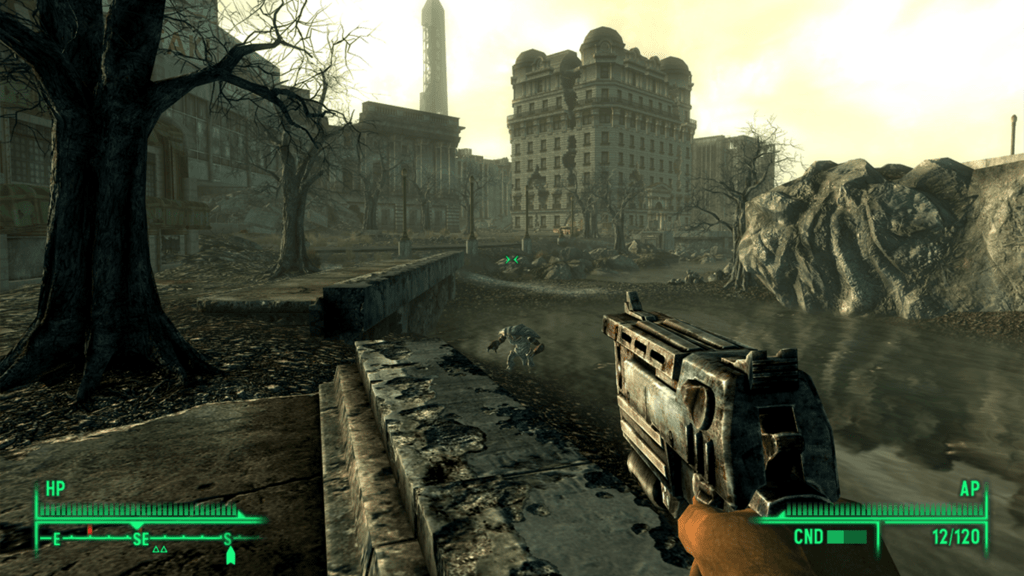
While the first two Fallout games were great as open-ended RPGs, the franchise shifted gears into a first-person shooter/action role-playing game with Fallout 3. When it was released in 2008, it redefined the franchise and became one of the best games of its genre, standing out as a Game of the Year in numerous publications. It features a brilliant leveling system, an expansive open world filled with all manner of optional quests, and excellent NPC interactions. Its success influenced many games that followed and helped popularize the FPS action-RPG genre across numerous franchises.
While all of these games helped to define the core elements of RPGs, there are so many more that didn’t get their own mention. These include the Final Fantasy series, as well as EverQuest, Betrayal at Krondor, Dragon Age, Divinity, Ys, Kingdom Hearts, Chrono Cross, Dragon Warrior, Illusion of Gaia, The Witcher, Neverwinter Nights, Undertale, Phantasy Star, Breath of Fire, Mass Effect, The Elder Scrolls, Earthbound, Vagrant Story, Secret of Mana, Planescape, Chrono Trigger, and so many more.
Which game do you think influenced the development of RPGs the most? Leave a comment below and join the conversation now in the ComicBook Forum!
Most Viewed
-

Image Courtesy of Marvel Comics -

Sony Pictures -

Image Courtesy of HIDIVE -

Image courtesy of Bandai Namco