Like any video game genre, stealth games have evolved significantly over the years. The genre’s roots can be traced back to 1979, when new mechanics established what would ultimately be recognized as an independent genre. These little changes continued to arrive as stealth games developed through the 1980s, and by the late 1990s, the stealth genre was firmly entrenched as one of the most popular in the industry. Stealth games share many elements, including avoiding detection through means such as hiding, rolling, using disguises, and sneaking. We’ve dug through the genre’s history and highlighted ten games that significantly innovated with new mechanics, formats, and concepts that shaped the stealth genre.
Videos by ComicBook.com
1) Manbiki Shounen (1979)
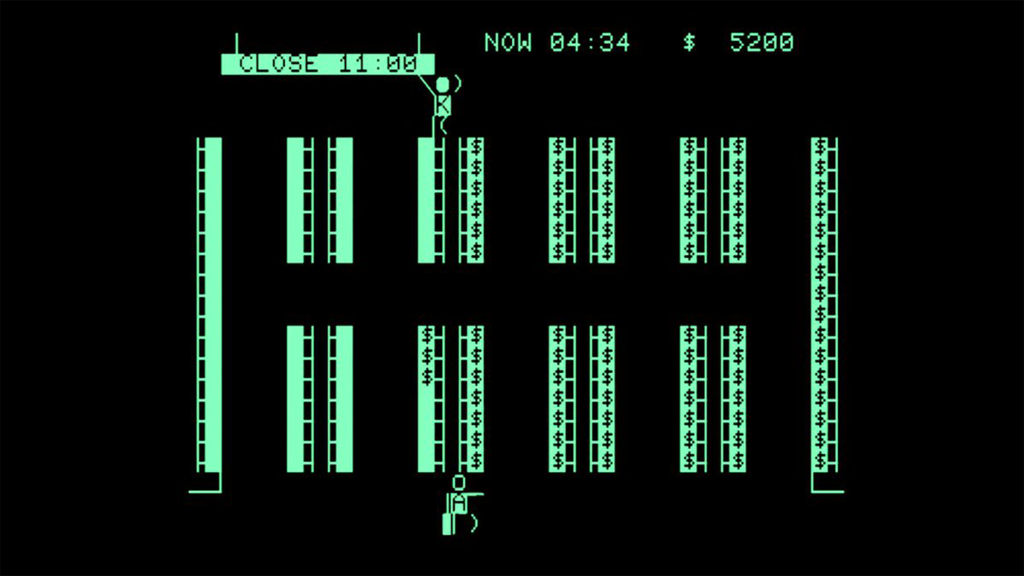
The first game that could be described as belonging to the stealth genre is 1979’s Manbiki Shounen, a Japanese computer game that means “Shoplifting Boy” in English. It was released on the Commodore PET/CBM, an early line of personal computers available since 1977. The game uses ASCII graphics to depict the player character in a store, where they must avoid a clerk as they snatch items off the shelves. If discovered, the police arrest the player. The hiding factor made Manbiki Shounen an early stealth game, as the mechanic would eventually become standard in the genre. The game has been recompiled, reimagined, and re-released in various forms over the years.
2) Lupin III (1980)
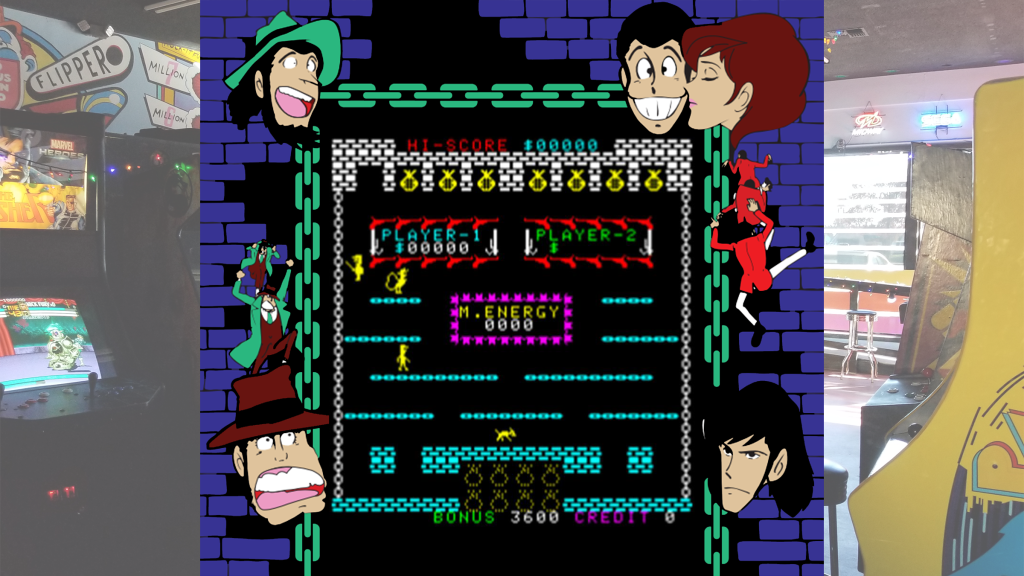
The 1967 Lupin III manga has been the inspiration for numerous movies, anime, and video games. One early example is Cliff Hanger, an arcade LaserDisc game, but it’s not the first. That distinction goes to Lupin III, released three years earlier in arcades by Taito. It’s the first arcade game with stealth elements, though it’s not classified as such. It was directly inspired by Manbiki Shounen, as its developer, Hiroshi Suzuki, presented it to Taito soon after its development. Instead of moving forward with that game, Taido developed Lupin III, using similar stealth mechanics.

3) Castle Wolfenstein (1981)
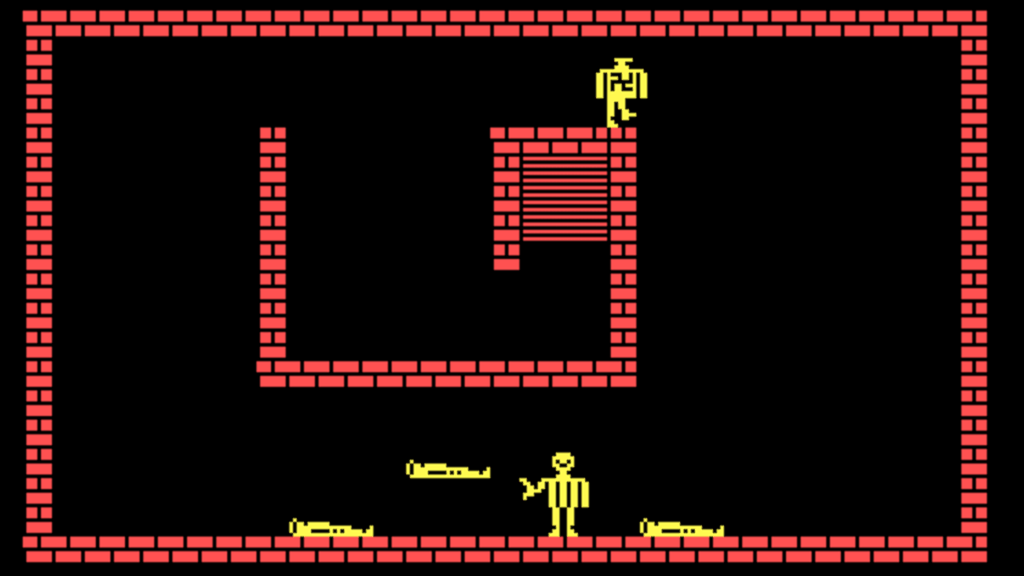
Years before id Software developed Wolfenstein 3D, the franchise launched with Castle Wolfenstein, a stealth action-adventure game released on the Apple II in 1981. The game sees the player control an Allied POW during World War II and guide them through Castle Wolfenstein. They must break out of their cell, find and steal Nazi war plans, and escape the castle. To do so, they must employ several stealth tactics, including sneaking by guards, impersonating others, and silently killing when all else fails. Castle Wolfenstein was highly influential in the development of the stealth genre, and it eventually launched a franchise.
4) 005 (1981)
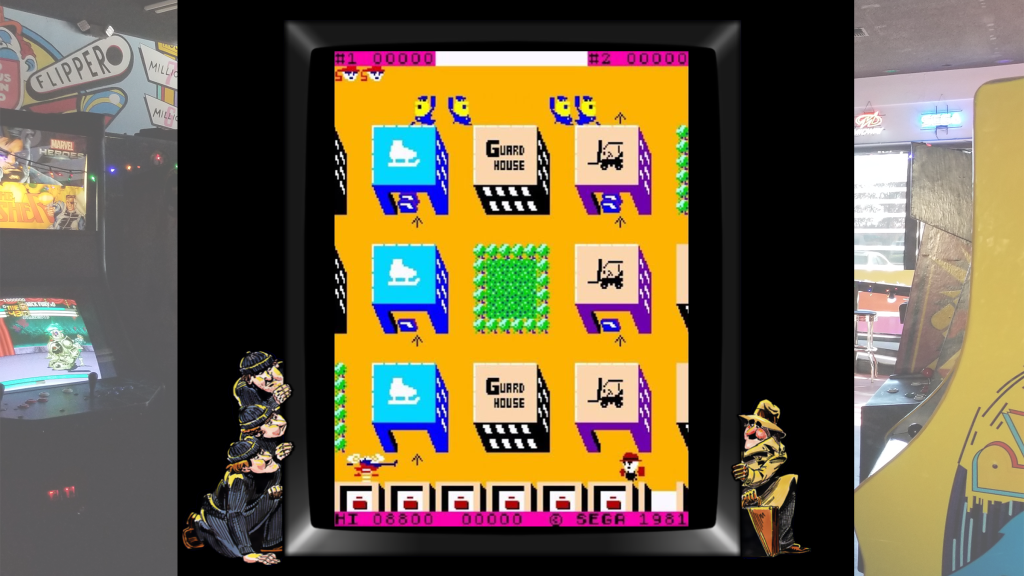
The first arcade game that could definitively be labeled as stealth is 1981’s 005. Guinness World Records recognizes this, and the game uses several stealth mechanics. In it, the player must take a briefcase filled with top-secret documents to a helicopter. Getting there requires avoiding enemies who shine flashlights, showing their point of view and detection areas, while also using boxes to hide in plain sight. As the name implies, it was inspired by James Bond, making 005 something of a parody/tribute title, and the game did well with players. It was appreciated for introducing new mechanics that effectively launched the stealth genre to a wide audience.
5) Infiltrator (1986)
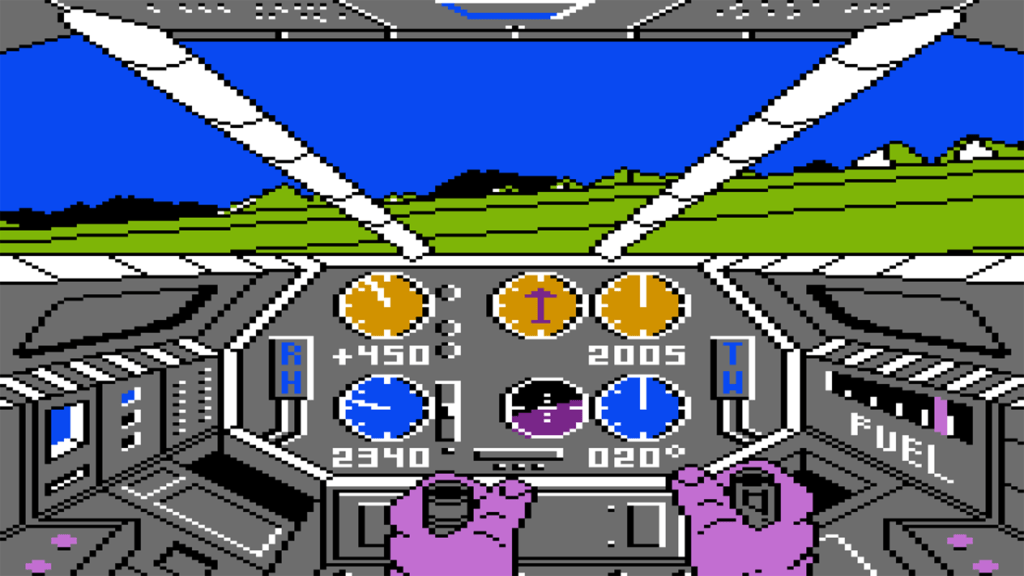
The first successful game to perfect the blending of genres with stealth mechanics is Infiltrator, released in 1986 on various home computer systems. The game combines the stealth and combat flight simulator genres by seamlessly switching between them. The player controls Johnny “Jimbo Baby” McGibbits on missions where he flies his helicopter (that’s the flight-sim bit) and lands at enemy bases. Once there, the stealth mechanics kick in, and Jimbo Baby must infiltrate a compound while avoiding detection so he can find and stop its leader. Gameplay includes an inventory that aids in these missions, and the game did well, while also proving that stealth games didn’t have to solely be about sneaking around.
6) Metal Gear (1987)
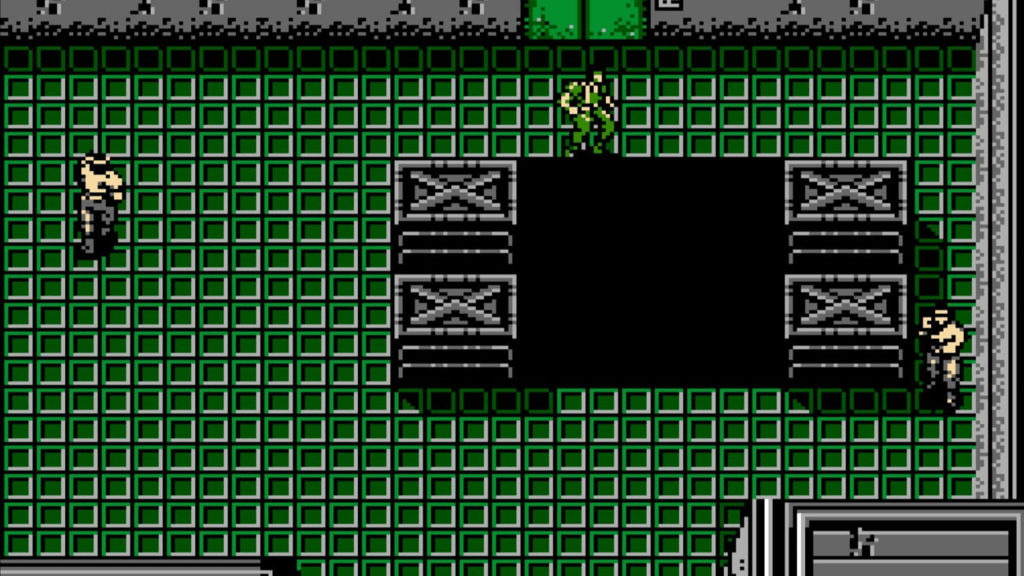
If there was one game in the history of the medium that could be considered the archetype of the modern stealth genre, it’s 1987’s Metal Gear. Hideo Kojima’s brilliantly groundbreaking game arrived in North America on the Nintendo Entertainment System in 1988. In it, the player controls Solid Snake as he undertakes a dangerous solo mission. Metal Gear’s innovation stems from its emphasis on stealth, as Snake drops without weapons and must sneak before finding them. When he does, ammo is limited, and he must avoid line of sight while minimizing noise to avoid detection. The game’s widespread popularity made Metal Gear the first successful, mainstream stealth game, establishing the genre’s primary elements.
7) Hostages (1988)

Primarily, Hostages is a tactical shooter game, as it revolves around a terrorist attack at a Paris embassy. The player controls a counterterrorism team that’s sent in to take out the terrorists while safely freeing the hostages. The stealth mechanics come into play during one of three segments, where the player must avoid detection. To do so, they need to hide from searchlights and move into doorways, often rolling into position or ducking out of sight. Time is a factor in evading detection, and Hostages employs more fleshed-out cover mechanics in its execution, establishing this tactic as a core element in the stealth genre moving forward.
8) Metal Gear 2: Solid Snake (1990)
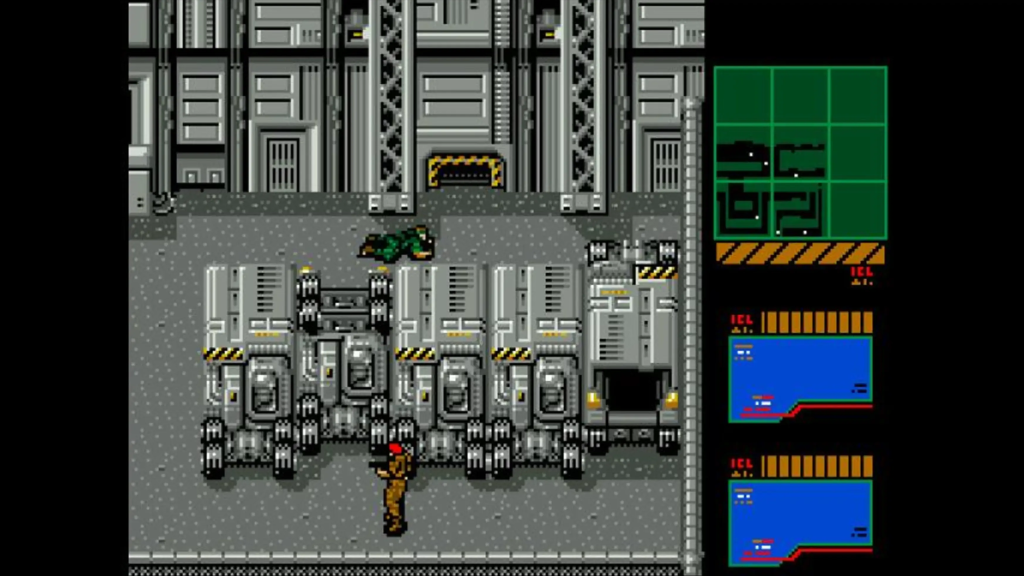
While you might think that Solid Snake’s first outing would be innovative enough for the stealth genre, that’s not the case. Metal Gear 2: Solid Snake marked a significant evolution in stealth mechanics and the overall gameplay of the genre. While it was only released in Japan on Sony’s MSX2 home computer, it would establish many of the mechanics that would come in the last game mentioned on this list. It took the hiding and movement of its predecessor and enhanced them by adding the ability to crouch and crawl into more hiding spaces, such as air ducts or under furniture. This was a significant improvement over Metal Gear and further solidified the direction of future stealth games.

9) Tenchu: Stealth Assassins (1998)
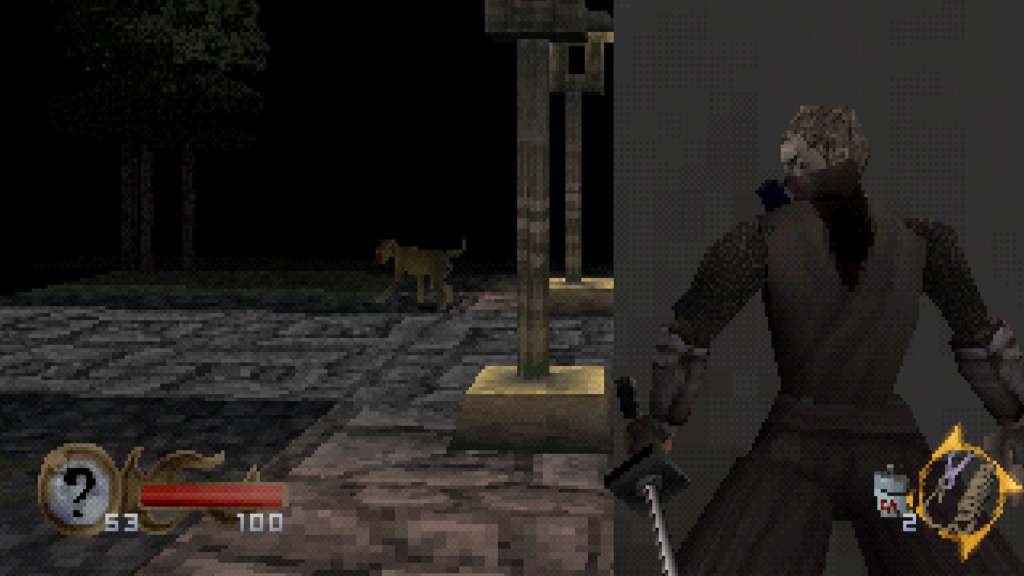
By the late 1990s, the stealth genre had become a crowded field, largely due to the success of Metal Gear from the previous decade. Then came Tenchu: Stealth Assassins, which didn’t innovate movement mechanics so much as it embraced 3D graphics, being the first 3D stealth game. The introduction of 3D graphics in stealth games marked a turning point, as it became the only way moving forward for developers to keep the genre going. That’s not to say there aren’t excellent 2D examples, as anyone who’s played Mark of the Ninja will tell you. Still, for most mainstream developers, 3D became the name of the game, pointing the stealth genre in that new direction.
10) Metal Gear Solid (1998)
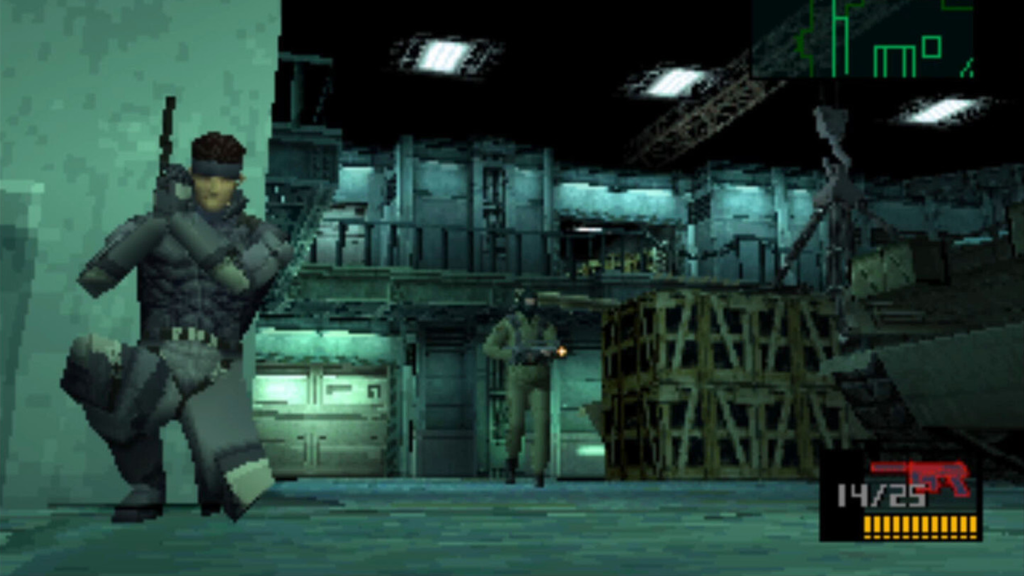
Kojima didn’t sit idle after the release of Metal Gear 2: Solid Snake, and in 1998, he shook things up once more with the release of Metal Gear Solid, which is widely considered to be one of the most important and best stealth games ever made, not to mention one of the best video games of all time. Everything about Metal Gear Solid broke new ground in its stealth mechanics and the execution of all aspects of avoidance and infiltration. While Metal Gear is the archetype of the genre, Metal Gear Solid is the best example of perfecting the formula, as it heavily influenced every stealth game that followed.
Which stealth game do you think innovated the genre the most? Leave a comment below and join the conversation now in the ComicBook Forum!
Most Viewed
-

Courtesy of Crunchyroll -

Image Courtesy of WIT Studio -

Image Courtesy of TOHO