Video games have always had a certain magic to them, and with that magic came along certain mythological superstitions that carried gamers to victory, inexplicably. Gamers have long believed tips and tricks, from whispered secrets in schoolyards to bold claims on early internet forums, could unlock hidden power or scale the unscalable. For years, we believed them, only to find out they were completely false.
Videos by ComicBook.com
Some beliefs in gaming become so ingrained that even the most skeptical players can’t help but try them. They live in the pauses between levels, in the careful gestures and rituals gamers perform without thinking. Some persist for decades, whispered from one generation to the next, hiding in plain sight yet resisting confirmation. Even now, there are those who swear they “know a trick” that others have never seen, as if some games hold secrets only accessible through faith, or perhaps, sheer imagination.
3. Blowing Into Cartridges Fixes Them

If you grew up in the 80s or 90s, chances are you performed the sacred act of blowing into a cartridge when your game refused to load. That tiny puff of breath felt like a magical solution, a ritual that promised the screen would finally light up with familiar sprites that got the happy juices in your brain going. Children and adults alike swore by it, attributing miraculous results to the simple act. The sound of a cartridge click as it slid back into place became a kind of reassurance, a signal that the digital world inside would awaken if treated carefully. It was a ritual that was almost meditative, a way to pause and hope that the adventure could continue.

The truth, however, is far less mystical. Dust could be disturbed by the act, allowing the cartridge to make better contact for a brief moment of potential joy, but the warmth and moisture from human breath could actually damage the metal over time. A magical fix? More like a coincidence; the cartridge would work anyway once it had been properly reseated. Still, that single successful puff convinced generations of the eager that they held secret influence over the machines. The ritual endured, not because it worked reliably, but because it felt or sounded like it did, a small triumph against stubborn technology that refused to bend to human will.
2. Pressing Buttons Faster Increases Catch Rates or Damage
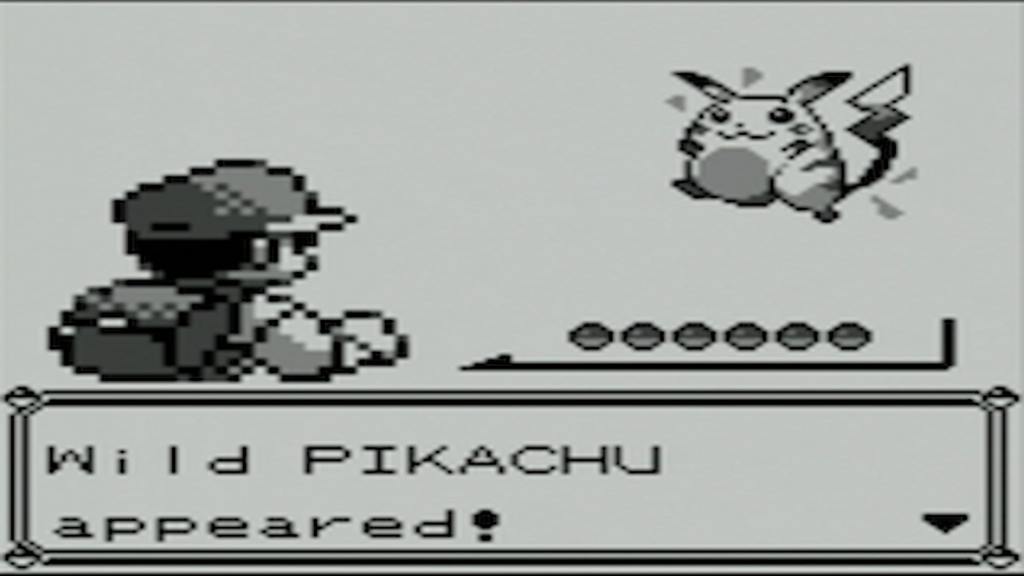
Few things were as intense as frantically mashing buttons in the heat of a game. Whether it was trying to capture a rare Pokémon or land an extra powerful strike in a fighting game, many players were convinced that sheer speed and thumb finger strength could influence outcomes of the highest order with the number of presses, even it meant wearing out the controller. In fact, a worn controller button signified many a victory won over the years. The belief was so widespread that entire strategies were built around it, and no game guide or friend’s advice would dare contradict it. How could they? It was sacred. There was a sense of immediacy in the action, a tactile connection to the character on screen. Pressing faster felt like taking control of fate itself.
In reality and, well, hindsight, it rarely made any difference at all. Game mechanics, often governed by random number generators or pre-determined algorithms, did not, and never have, responded to rapid input in the ways players imagined. Yet the sensation of control, combined with the adrenaline rush of tight moments, convinced countless gamers that button-mashing mattered. For many, the act was part of the drama, their own little piece or part of the story, added, unfolding before their eyes. Even when debunked, the myth persisted because the behavior became ritualistic, a small but satisfying illusion of influence that could make victory feel earned even when the rules of reality dictated otherwise.
1. Tapping the Console or Cartridge Makes It Work Again

When something didn’t work correctly, the first thing many ran to was the sacred tap and nudge. The desperate tap or gentle thump on a console or cartridge is a memory shared across generations of gamers because the rite was often successful. When the screen froze, a level glitched, or the game refused to start, many turned to physical percussive maintenance as a first and last resort. There was a moment of hope with each tap, a belief that the console understood their intentions and would reward their persistence. Entire households bore witness to it, as siblings and friends watched with bated breath while someone administered a hopeful flick or a gentle nudge to a stubborn system. In those moments, the line between superstition and skill blurred.
In truth, tapping did not truly fix the underlying issues. Loose connections or faulty cartridges were not solved by physical nudges. Occasionally, a tap might shift components just enough to allow the game to start, but the results were inconsistent and fragile. Repeated tapping could even accelerate damage, a cruel irony for anyone hoping their intervention might help. Yet the myth endured, because no one thought about what could happen, only what was happening on the screen, right then and there. The myth was passed down like folklore, convincing countless players that persistence and belief could restore digital life. It became part of the shared language of gaming culture, a subtle nod to the lengths players would go to in order to maintain control over worlds they loved.
These myths endure because they reflect a deeper connection between players and their games. Rituals like blowing, mashing, or tapping offer a sense of agency in worlds that are otherwise controlled by hidden rules and code. They are a testament to curiosity and the human desire to influence what feels untouchable. Even now, with modern consoles and updates that fix themselves, echoes of these habits remain, a subtle reminder that part of gaming’s allure has always been discovering the weird of the vast unknown.
What do you think? Leave a comment below and join the conversation now in the ComicBook Forum!
More Gaming
-

Image Courtesy of Paramount Games -

Image Courtesy of Sony Interactive Entertainment -

Image Courtesy of Sony Interactive Entertainment