Mass Effect remains the most important sci-fi trilogy in gaming, and it has yet to be topped today. While Mass Effect: Andromeda left fans wanting, there is hope that BioWare can course-correct the series with Mass Effect 5. However, Archetype Entertainment, led by veterans who helped define modern RPG storytelling, is throwing its hat in the ring with the upcoming sci-fi RPG, Exodus. With its newly released trailer debuting at The Game Awards, fans are now seeing the full scope of this space opera, and the early signs point to one truth: Exodus may be the most ambitious sci-fi RPG ever made.
Videos by ComicBook.com
This is an RPG built on enormous stakes, but more importantly, it’s built on personal ones. As humanity struggles to survive in a hostile new galaxy, the choices players make will echo across decades, reshape societies, affect relationships, and redefine the future of entire worlds. With time dilation, interstellar heists, companion-driven storytelling, and a vast galaxy of playable freedom, Exodus feels like the beginning of a new era for narrative sci-fi.
Exodus Is a True Sci-Fi Story
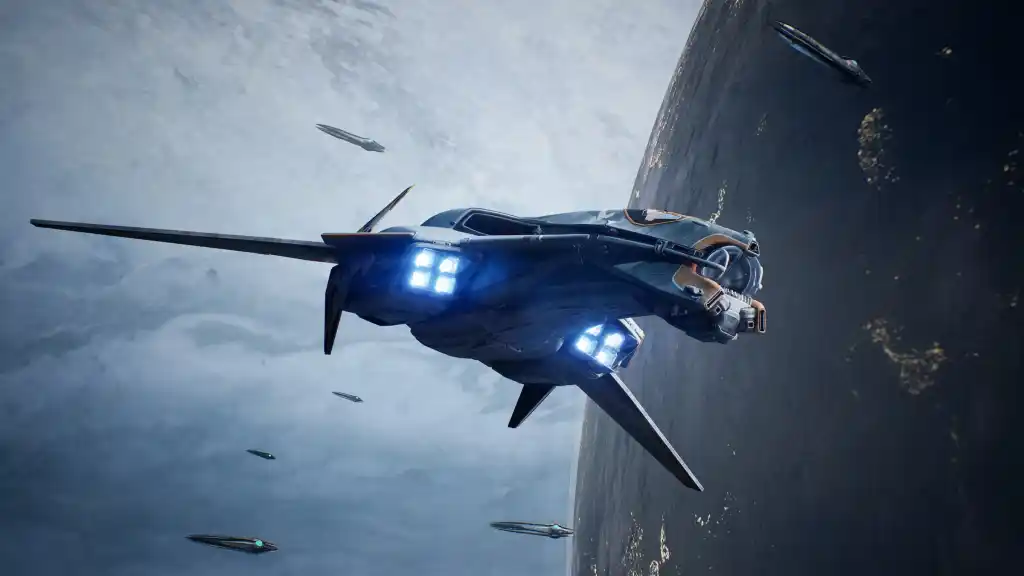
At its core, Exodus is a science-fiction RPG dedicated to exploring the consequences of technological evolution, interstellar survival, and the emotional and physical toll of time itself. After fleeing a dying Earth, humanity has settled in a new galaxy, and our story takes place on Lidon, where they are now fighting to preserve it from the spreading Rot, a mysterious force that threatens to erase everything they’ve built. You play as Jun, a young salvager whose hidden lineage connects them to the powerful Traveler order, granting abilities no other human possesses.

One of the game’s defining narrative systems is time dilation. When Jun embarks on near-light-speed interstellar missions used to infiltrate Celestial strongholds and recover their alien Remnants, time moves differently. Hours or days for Jun can mean years or decades for society back home. When players return to Persepolis, they may discover that factions have risen or fallen, loved ones have aged, political tensions have escalated, and relationships have evolved beyond recognition. These changes are not scripted but are shaped by what players did before they left.
This is true science fiction: not just about aliens and spacecraft, but about how technology, physics, and time reshape the human condition. Archetype’s world-building leans into the awe and terror of a galaxy where humanity is outmatched, yet determined to survive. Celestial technology, mysterious Remnants, and humanity’s tenuous grasp on existence give the game a sense of scale and wonder that rivals the genre’s best. As Wizards of the Coast describes it, Exodus imagines a future where humankind has reshaped itself to harness godlike powers, a universe defined by possibility, danger, and transformation.
Exodus Feels Like a Modern Successor to Mass Effect
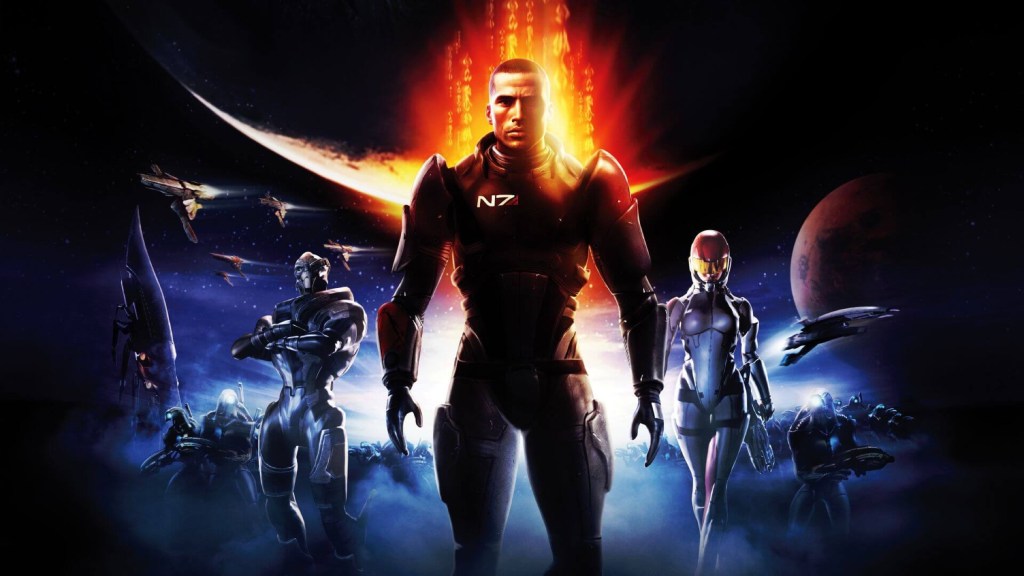
Much of the excitement surrounding Exodus comes from the pedigree behind it. Archetype Entertainment is led by creative leaders responsible for shaping Mass Effect, Star Wars: Knights of the Old Republic, Dragon Age, and other genre-defining RPGs. And those influences are unmistakable. The moment-to-moment gameplay blends stealth, tactical gunplay, open combat, and cooperative abilities with companions, allowing players to approach missions in any style they choose. Both combat and non-combat paths are designed to be equally rewarding, empowering players to define their own version of Jun.
But what truly elevates Exodus is its vision for player choice. Decisions don’t simply branch dialogue but alter relationships, AI behaviors, faction influence, societal development, and even the future of worlds. Thanks to time dilation, the long-term consequences of your actions aren’t theoretical; they unfold right in front of you. The inclusion of the Auspex, Jun’s Traveler ability that grants glimpses into possible outcomes, adds a unique layer of foresight that no other RPG currently provides. It’s not about predicting everything—it’s about understanding the weight of your actions, and choosing which future to accept.
Even the game’s storytelling presentation feels next-gen. The enigmatic C.C. Orlev, voiced by Academy Award winner Matthew McConaughey in his first-ever video game role, embodies the game’s themes of myth, legacy, and destiny. His presence appears at pivotal moments, yet his motives remain unclear: a guiding figure whose legend is known across the galaxy, but whose true fate is a mystery. Exodus delivers the cinematic scale of Mass Effect with the consequences and complexity of Dragon Age: Origins, wrapped in a science-fiction vision that stands uniquely on its own.
Companions Are the Heart of Exodus
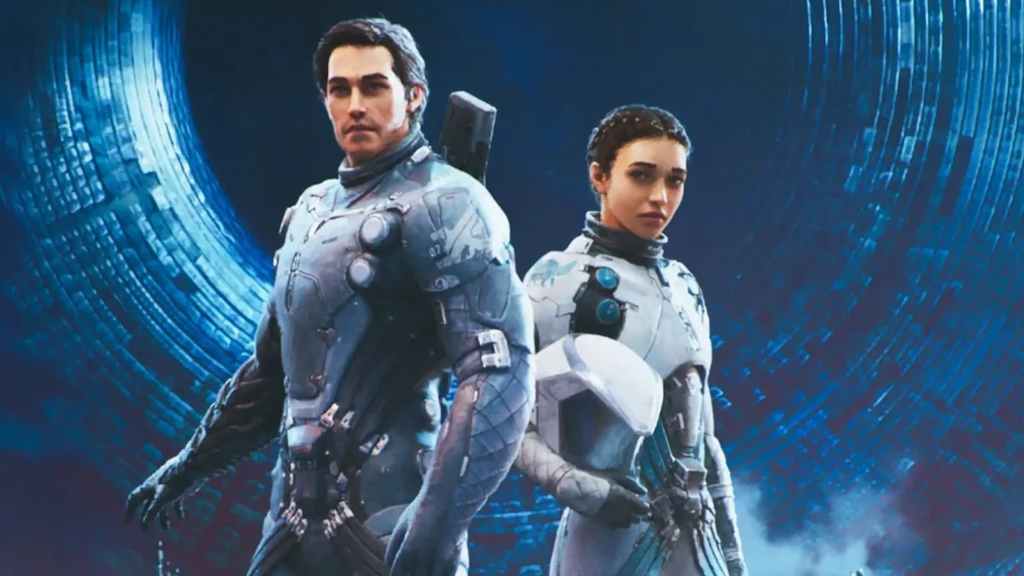
While Exodus offers vast worlds, generational storytelling, and galaxy-spanning missions, its emotional center lies in its companions. Each has their own agenda, loyalty, personal side stories, and evolving relationship with Jun. This isn’t a squad that exists simply for combat; they are the beating heart of the narrative.
Players will meet figures ranging from punk mech pilots to genetically engineered savants, and even Salt, an Awakened octopus operating a mechanized exosuit. Every companion brings not only narrative depth but gameplay synergy, offering new tactical possibilities in missions. And while human companions can be romanced, you cannot romance Salt (humans aren’t their type).
What makes these relationships truly impactful is how time dilation affects them. You might leave for a mission and return to find that a companion’s life has changed dramatically without you. Bonds can strengthen, fade, or fracture, sometimes in ways you never intended. The emotional stakes are higher because your absence, as much as your presence, shapes the future. This system makes companions feel alive in a way modern RPGs rarely achieve. They remember who you were, but they also grow into who they become.
Between its generational consequences, deep character arcs, cinematic presentation, and groundbreaking take on time-dilated exploration, Exodus is shaping up to be a landmark in science-fiction storytelling. It blends everything players love about narrative RPGs with bold new ideas that push the genre forward. As Archetype Entertainment explains, it’s a story about humanity’s resilience and the heroism that can emerge in our darkest hours.
What do you think? Leave a comment below and join the conversation now in the ComicBook Forum!
Most Viewed
-

Courtesy of Sony Pictures Animation / McDonald's -

Image via Jasper Savage/Prime Video