While Nintendo remains one of the gold standards of gaming, its turn-of-the-century console has earned a less-than-ideal place in the memory of some fans. The Nintendo GameCube is seen by some members in the gaming community as a punch line — the loser of the sixth console war, lagging behind the massive success of the PlayStation 2 while contending with the launch of the Xbox. Even diehard Nintendo fans will sometimes decry the little console.
Videos by ComicBook.com
However, this interpretation of history requires a certain amount of selective memory, which ignores the financial strengths, creative highs, and enduring influence of the GameCube on not just Nintendo, but console gaming as a whole. With a tight design that encouraged local multiplayer and a game roster that still stands among the best rosters of exclusive titles ever, the GameCube deserves more respect.
The GameCube Was A Bigger Hit Than People Remember
Launching in 2001, the GameCube launched amid the domination of the PlayStation 2 and the debut of the Xbox. While plenty of fans remember flocking to the Xbox’s robust catalog of mature titles, it’s worth remembering that the GameCube actually ended up outselling Microsoft’s first home console. The GameCube steadily won over gamers when it cut prices on hardware and started delivering a larger mix of its in-house IP and innovative third-party titles from studios like Capcom. It’s undeniable that it may have lacked some high-profile hits of the era (particularly the Grand Theft Auto series, as it began to dominate pop culture), but it made up for that in other ways.
Nintendo’s decision to retain an “all ages” approach to gaming may have gotten it labeled “for kids” by some fans, but it helped corner the market for a generation of players. At the end of the day, the GameCube was ultimately a financial loss for Nintendo — but not the massive flop some remember it as. The console ultimately sold 21.74 million units worldwide before it was discontinued. While it lagged behind the the PS2, the runaway success of the GameBoy Advance helped offset those losses and trounced the Xbox in overall worldwide sales. However, the GameCube’s legacy can’t just be measured in financial returns.
The GameCube Has Some Real G.O.A.T. Contenders
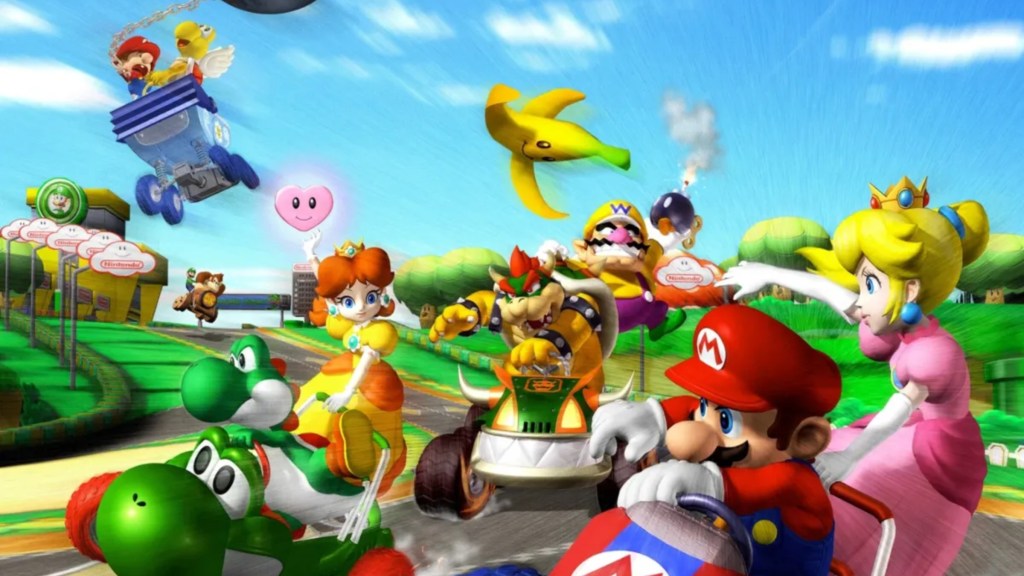
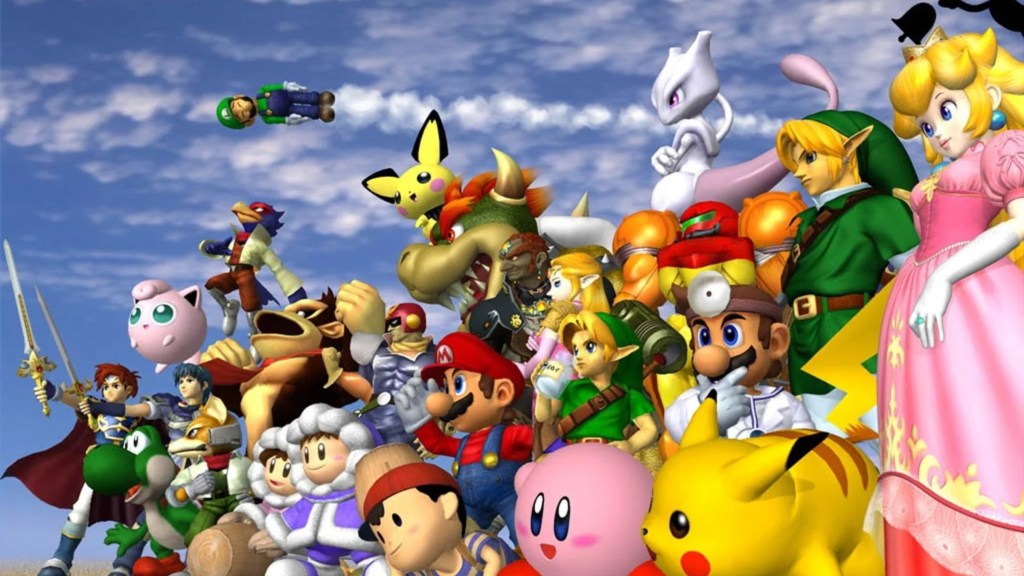
To survive against the wider and more mature-themed games of PlayStation 2 and Xbox, the GameCube needed to have unique titles to drive sales. Luckily, it delivered in a way few other consoles ever have, with new entries in classic franchises like Super Mario Sunshine, The Legend of Zelda: Wind Waker, and Metroid Prime ranking among Nintendo’s best. Multiplayer-focused titles like Mario Kart: Double-Dash, Super Smash Bros. Melee, Kirby Air Ride, and the Mario Sports suite of Mario Superstar Baseball, Mario Power Tennis, and Mario Golf: Toadstool Tour all sold over a million copies.
Then, new installments in series like Luigi’s Mansion, Wario Ware, Paper Mario: The Thousand Year Door, Donkey Konga, Star Fox Armada, and F-Zero GX ignited new attention for dormant concepts by embracing experimentation in design. That’s to say nothing of the titles that launched on the GameCube, like Pikmin and Animal Crossing, which have transformed into Nintendo mainstays in the years since. When other studios got involved, the GameCube proved to be an ideal landscape for the likes of Capcom, Sega, Lucasfilm Games, and Namco. Soul Calibur II was a cross-platform winner, two entries in the Rogue Squadron series helped keep the GameCube a compelling home for Star Wars fans, and Sega buried the hatchet with its old rival and brought plenty of classic (and fresh) Sonic games to Nintendo, a partnership that continues today.
Capcom had the best string of luck on the GameCube, however. The developer/publisher pushed the envelope, which led to three of the best games of the era: the colorful sidescrolling adventure of Viewtiful Joe, the buckwild action of Killer 7, and the engrossing horror/action of Resident Evil 4. The Resident Evil series as a whole thrived on the GameCube (looking at you, Resident Evil 0 and Resident Evil remake), but Resident Evil 4 didn’t just change the trajectory of the series, but also of shooters as a genre. While it may have missed out on the wider scope of PlayStation 2 and Xbox’s full release slates, the GameCube has one of the best pound-for-pound game lineups of all time.
The GameCube Laid The Groundwork For Nintendo’s Current Success

Now, it wasn’t the first Nintendo console to have an iffy legacy — look no further than the Virtual Boy or Wii U for a reminder that the house Mario built isn’t always perfect. However, the GameCube established trends for Nintendo that continue to drive the company. While the two-player Xbox and PlayStation 2 were dependent on specific setups and could easily break from minor damage, the GameCube was durable and designed with multi-player games in mind. It was easy to transport, set up, and play compared to other consoles. This focus on local play, easy setup, and mobile gaming is a key aspect of what made the Nintendo Switch such a success over a decade later. This console was the source of much of that DNA.
There’s also the GameCube controller, an oft-mocked piece of hardware that has actually endured and thrived as a specialty controller for the Switch. In fact, it’s the ideal controller for Nintendo games — given its button layout and size, restricted directional sticks, and general shape — which is why it tends to be purchased by hardcore fans even now. Simply put, nothing compares to it.
The GameCube was meant to travel, and thanks to backwards compatibility with the Nintendo Wii (for the games, controllers, and memory cards), it was able to live on beyond the end of the console’s natural life. The games have continued to thrive in the wake of the GameCube, whether that be as a part of the Nintendo Switch 2’s virtual library or with industry-shaking releases like Resident Evil 4 making the move to other consoles. The GameCube might not be the biggest financial success Nintendo ever had, but it was a vital one. It reaffirmed the company’s commitment to its most iconic franchises, all while leaving room open for experimentation. The spirit of the GameCube lives on in the present-day direction of Nintendo, highlighting why its legacy should be far more than just a failure.
What do you think? Leave a comment below and join the conversation now in the ComicBook Forum!
Most Viewed
-

Image Courtesy of Madhouse -
Lucasfilm – 20th Century Studios