As a series, The Legend of Zelda has a timeline that’s—at best—difficult to follow, and that can make the overall lore of the series confusing. Luckily, the lore that’s contained within each individual Zelda game tends to be a lot easier to understand, and that can make the bosses more interesting if you pay attention to the story and environment that builds up to the boss fights. Depending on the boss, the lore might be given to you through dialogue with other characters, the actions that the specific boss takes, or through the environment and information that you gather as you clear the area leading to the boss.
Videos by ComicBook.com
As you might expect, the storytelling and boss fights in Zelda have evolved as the overall series advanced and became able to use better technology, giving the developers additional tools that they can use to reveal information about not just the bosses, but the entire world in which the game takes place. In some cases, those smaller details that are easier to show through the style of 3D Zelda games are the very things that make bosses interesting.
10. Bongo Bongo
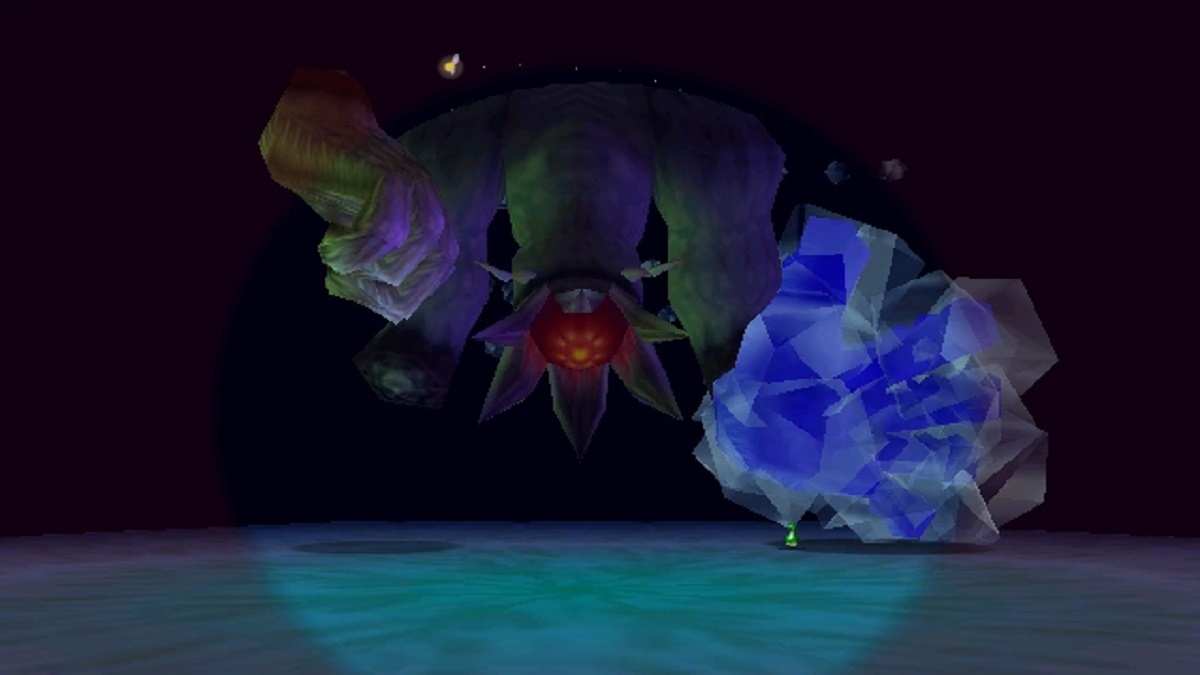
Bongo Bongo greets you at the end of the Shadow Temple in Ocarina of Time, which is rather dark in tone compared to the rest of the temples. This is because the Shadow Temple was basically used by the Sheikah during the war to imprison and torture enemies of the Hyrule Royal Family. As you learn about these horrors, you finally reach Bongo Bongo, who has disconnected hands and an eye that appears to have been flayed. Given the lead-up, it seems that Bongo Bongo is one of the victims of the Shadow Temple, or a manifestation of the victims’ suffering overall.
9. Dark Link
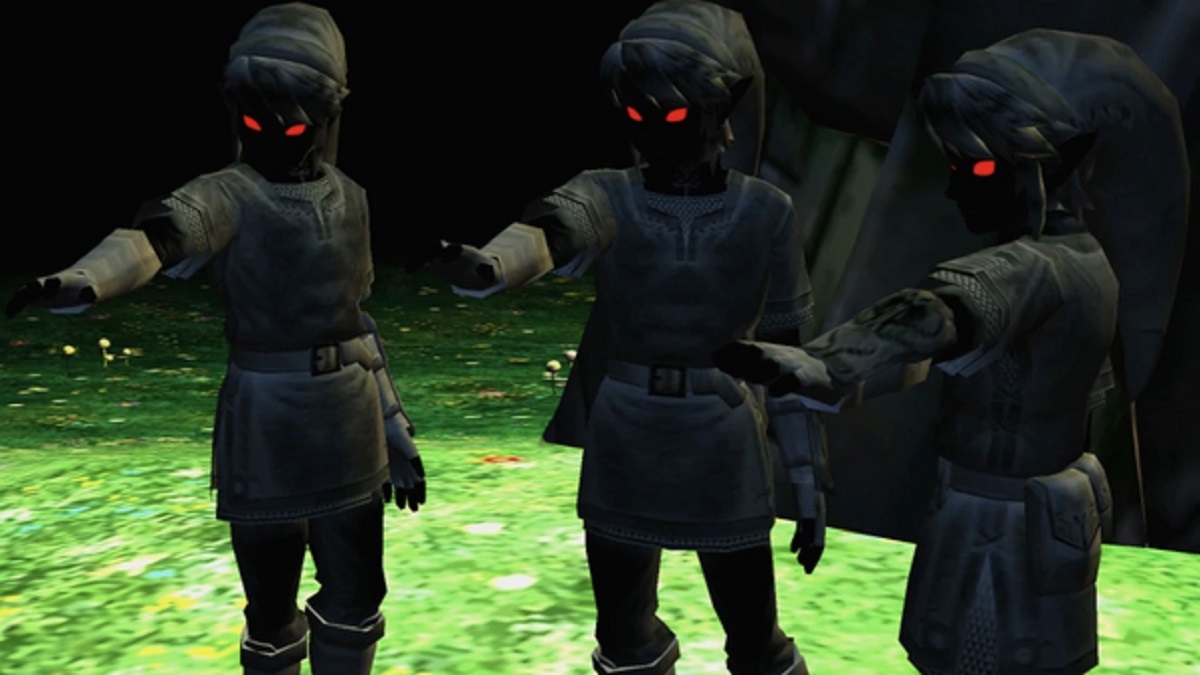
Dark Link appears multiple times throughout the series, and he’s even the final boss in Adventure of Link. You don’t have a lot of information about Dark Link, but you honestly don’t need it, either, as it’s an entity that forces Link to conquer himself. Dark Link, in addition to having the same appearance, is able to use the same skillset as Link, which makes the fights frustrating with how he can dodge and use your abilities against you. The lore here is subtle, but it also lets you draw some conclusions of your own about Dark Link and what it means that Link has to conquer his own darkness before he can truly finish his journey.
8. Volvagia
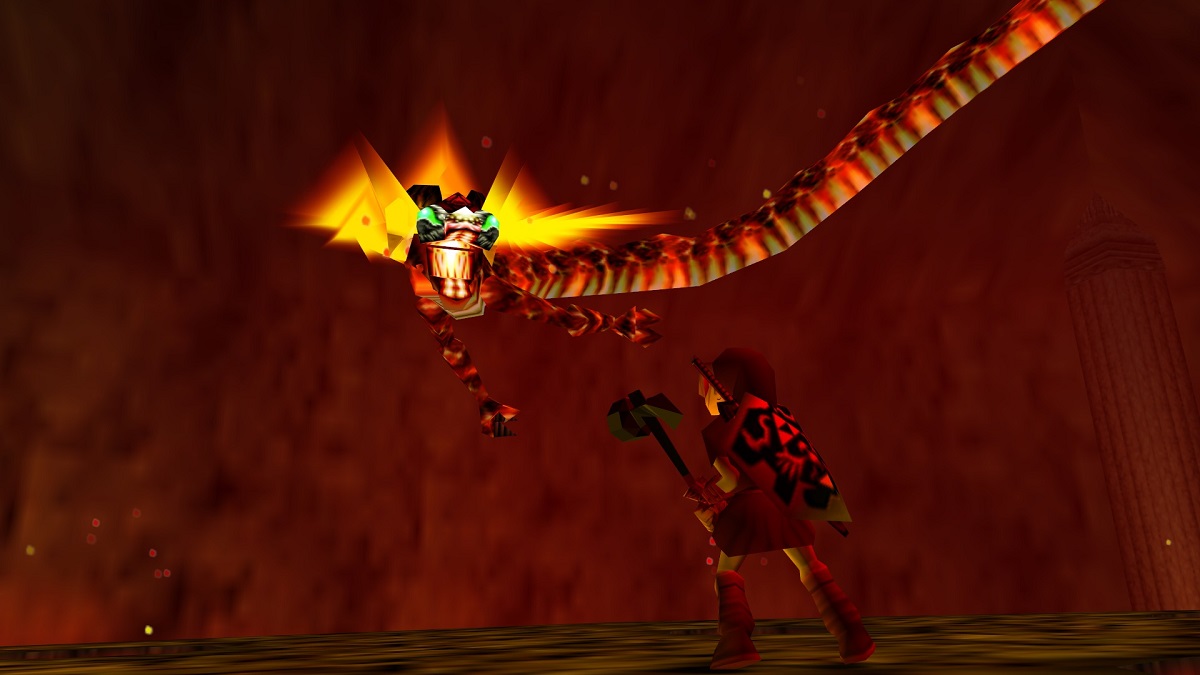
The lore that makes Volvagia particularly interesting comes from the Ocarina of Time manga series, even though the manga is a non-canon addition to the game’s world. However, once you read the manga, this fight in-game becomes forever heartbreaking. In the manga, Link finds and purchases a baby Volvagia while at Hyrule Market to set it free, but Volvagia chooses to follow him instead. Once Volvagia is able to say Link’s name to thank him, they separate. As an adult, Volvagia is now under the control of Ganondorf, and Link is forced to kill his friend both for the sake of Volvagia and the Gorons. This boss fight never feels the same as a result of reading the manga, even if it’s not actually canon.
7. Majora

Majora, the primary villain of Majora’s Mask, is shrouded in mystery. You learn that an ancient tribe summoned Majora, and that Majora would end up possessing the iconic mask that leaves Skull Kid under this entity’s influence as it uses him to try destroying Termina. Beyond that, there’s not that much known about Majora, and that’s a large part of what makes this boss so interesting, especially if you dive into theories that suggest possible explanations about Majora and its presence in Termina. One theory suggests that it was summoned in defiance of the goddesses, which could explain the carved images of Majora’s Mask found around Stone Tower Temple.
6. Ghirahim
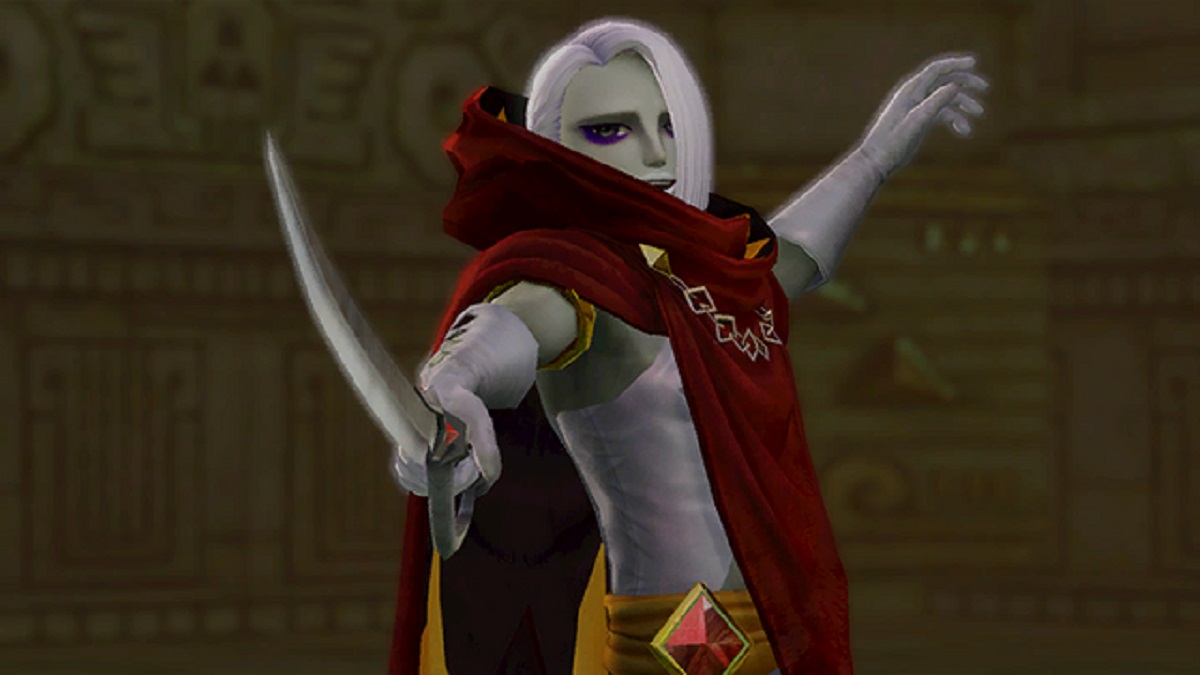
Ghirahim is a refreshing boss overall in Skyward Sword, and he’s unique in that he’s the main antagonist throughout the game, but he isn’t the final boss. He’s basically Demise’s head lackey who is dedicated to resurrecting his boss. He first appears to be overconfident in his abilities, believing that Link can never beat him. However, his personality shifts each time you encounter and thwart his efforts, and he starts to reveal his true, ruthless nature. Despite his apparent free will, Ghirahim is a sword spirit like Fi, but as a foil. Because of this, it’s difficult to tell if Ghirahim is working to resurrect Demise out of freewill, or simply as a result of him being a sword spirit compelled to serve his master.
5. Demise

Long before the events of Skyward Sword, Demise roamed the Surface and led an army of monsters to attack the people living there as he tried to get the Triforce from Hylia. Although Hylia was able to seal Demise before incarnating herself as a mortal in the form of Zelda, Demise would end up becoming the first form of Ganon, meaning that Ganon—and therefore, Ganondorf—are intrinsically linked to the original evil of Demise, making Ganondorf a mortal incarnation of Demise similar to the way that Zelda is the mortal incarnation of Hylia. While Demise was able to conquer time, it didn’t give him enough power to win against Hylia and her incarnations, and he instead swore that his hatred would never end, making his presence part of every game in the series, even if it’s indirect.
4. Zant
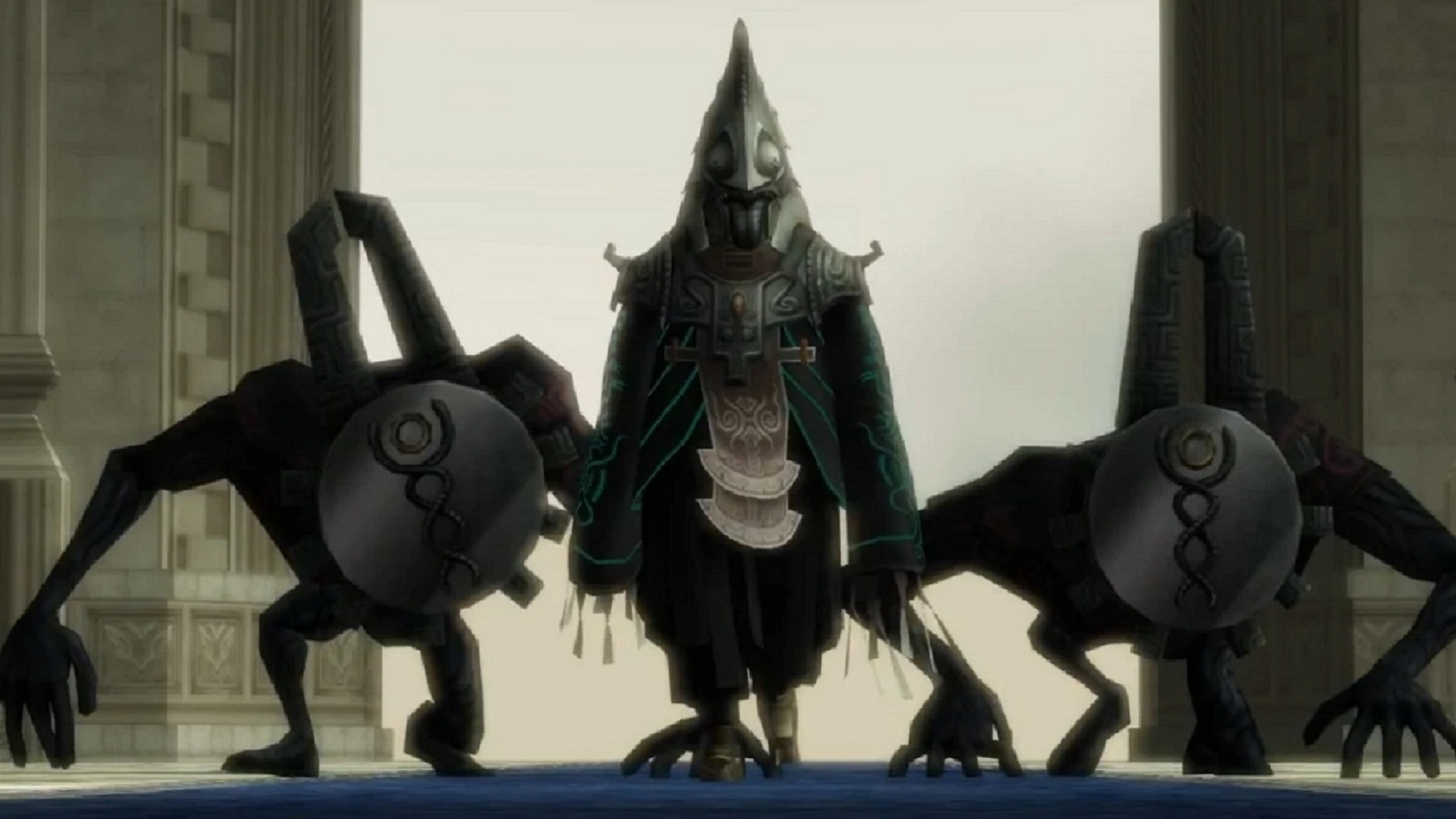
Zant, as an antagonist in Twilight Princess, is a result of his ambitions being denied, which caused him to lose trust in the royal family of the Twilight Realm. Before the events of the game, Zant was a loyal servant of the royal family, assuming that he would be made the next ruler of the Twilight Realm. However, the royal family was concerned that Zant was too ambitious and that his desire for conquest would lead to a repeat of the same mistakes the Twili’s ancestors made. Therefore, Midna was made the next ruler instead, and Zant accepted Ganondorf’s offer of power so he could take over the Twilight Realm in exchange for helping Ganondorf take over Hyrule.
3. Monk Maz Koshia
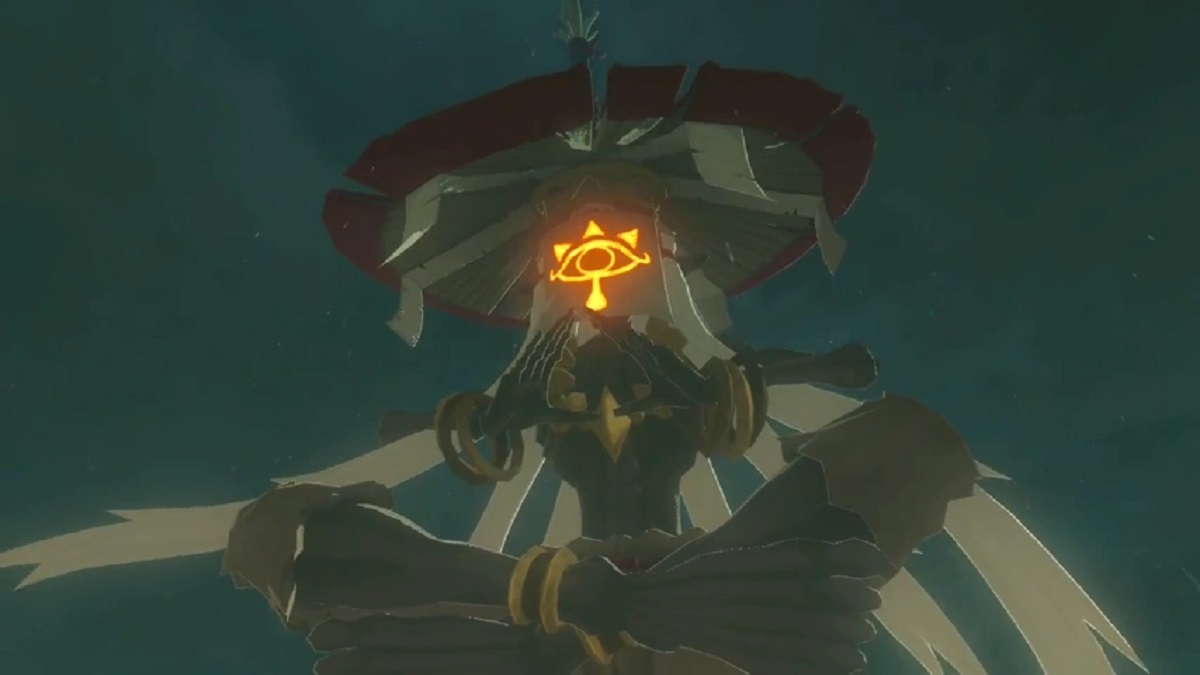
Monk Maz Koshia is only found in the Champion’s Ballad DLC for Breath of the Wild, and he’s unique as a boss because his entire purpose is to guard the Master Cycle Zero Divine Beast that’s meant for the one true hero, Link. Of course, Link isn’t simply given this item by Monk Maz Koshia. Instead, he has to complete a series of trials to prove his worth, which ends with a trial that makes Link face Monk Maz Koshia as a boss. It’s unusual for a boss to exist to help Link, and that makes it more interesting since you have to wonder if he knew you were the hero right away or if he has been trying to find alleged heroes over the years only to fail until Link arrives.
2. Koloktos
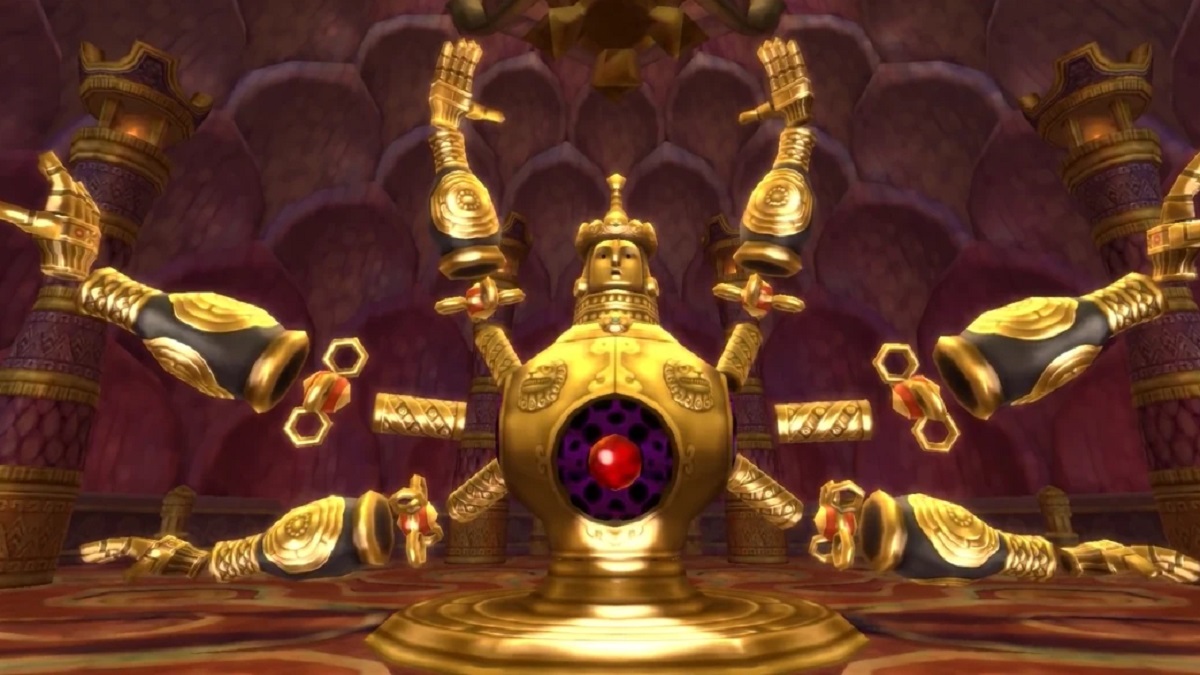
Koloktos in Skyward Sword went from being a sacred guardian of the Sacred Flame of Farore in the Ancient Cistern to being possessed by Ghirahim’s dark energy to combat Link. For a non-living entity, Koloktos seems oddly aware of its weaknesses, trying to protect itself while fighting Link. It fits in with the Buddhist themes of the Ancient Cistern, but it also seems like an unusual choice for a guardian of something like the Sacred Flame of Farore, especially since it can be corrupted and run by dark energy to hinder allies of Hylia and the Golden Goddesses like Link. It’s a shame that Koloktos is destroyed when it’s defeated rather than letting you examine its pieces.
1. Ganondorf

Ganondorf is practically a necessity for a list about interesting bosses, especially since he’s stuck in the same cycle of reincarnation as Link and Zelda, making good on Demise’s curse on their first incarnations that his hatred would never end and continue to torment Link and Zelda throughout the ages. Just like Link and Zelda, Ganondorf’s story changes depending on the exact game, but his ambitions are always the same: get the Triforce and take over Hyrule. In some ways, Ganondorf being born as a Gerudo fuels the feeling that he deserves to rule the land, as the male Gerudo is instantly made their king, easily creating a feeling of entitlement and possibly a thirst for more power.
Which Zelda boss do you find to be the most fascinating? Let us know in the comments below!
Most Viewed
-
Image Courtesy of Ufotable -

Image Courtesy of Crunchyroll -
Image Courtesy of Toei Animation