DRINK HUMAN BEANS is the kind of horror game that immediately makes you feel like you have been dropped into something hostile and deeply uncomfortable. From the opening moments, it leans heavily into surreal imagery and erratic events, providing a general sense that reality itself is slipping out from under your feet. It is not a game interested in easing you in or clearly explaining itself. Instead, it throws you into a strange routine and asks you to figure things out as you go, often without much guidance or reassurance.
Videos by ComicBook.com
That approach mostly works when it comes to tone and theme, but it also exposes the game’s biggest weakness. DRINK HUMAN BEANS owes its tense, satirical environmental horror to a strong narrative backbone and unsettling presentation, but its heavy reliance on repetition drains away a chunk of the fun. I found myself intrigued by the story and what it was building toward, yet frequently frustrated by how much time I spent doing the same slow, mundane tasks just to see the next piece of the narrative puzzle.
Rating: 4/5
| Pros | Cons |
|---|---|
| Intriguing, choice-driven story with different endings | Repetitive tasks that drain momentum |
| Repetition reinforces corporate horror theme | Slow pacing that tests player patience |
| Audio cues unsettle very effectively | Limited gameplay variety beyond chores |
| Dark, oppressive environments that build tension | Delayed story shifts that reduce early engagement |
| Fully embraces its surreal, satirical vision | Horror relies mostly on atmosphere over gameplay |
A Surreal, Slow-Burn Story That Rewards Patience
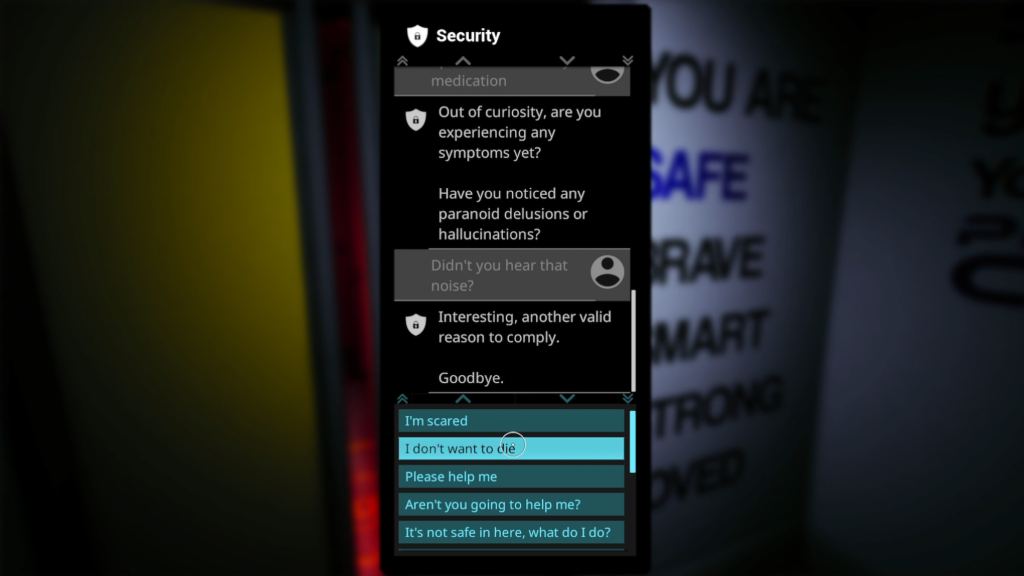
At first glance, DRINK HUMAN BEANS feels almost impossible to understand. The game unfolds like a constant acid trip, with bizarre events, sudden tonal shifts, and moments that feel intentionally disconnected from reality. Early on, it can feel random to the point of being overwhelming. However, the longer I played, the clearer it became that these manic, surreal moments are all part of a larger narrative about a man slowly drowning in the ruthless, dehumanizing world of modern job marketing and corporate culture.
You play as a nameless protagonist living in a small apartment with a roommate who is acting increasingly strange. Nearly everything in the narrative revolves around this roommate and the unsettling changes in their behavior. The story uses a familiar horror structure where events are broken up into individual days, allowing each in-game day to push the narrative forward in subtle but meaningful ways. The days here aren’t as clear or standard as you’d expect, though, which does add a compelling element. This day-by-day format works well here, especially because the game is constantly playing with your expectations of what a new day will bring.
Without going into spoiler territory, the story is not at all what it seems at the start, and that is easily its strongest hook. It has several endings that come from the choices you make, or don’t, and the game slowly reframes earlier moments, encouraging you to rethink what you have seen and experienced. Even when I was frustrated with the gameplay, I stayed invested because I wanted to understand what was really happening and where it was all going. The narrative is abstract, but it is not meaningless, and once the pieces start to connect, DRINK HUMAN BEANS becomes genuinely compelling.
Subtle Audio Design Carries the Game’s Most Unsettling Moments
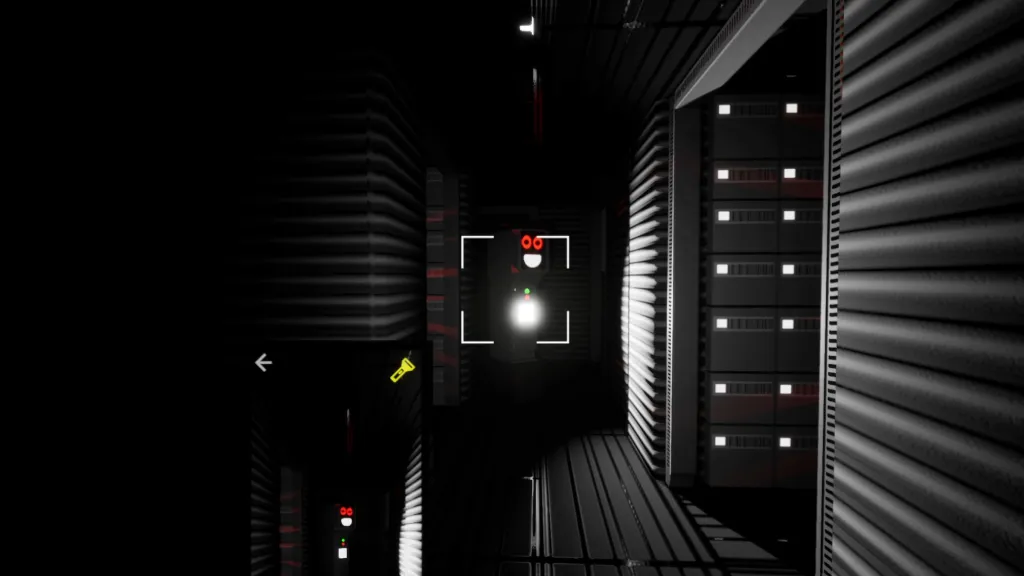
Audio design in DRINK HUMAN BEANS is fairly standard, but that is not necessarily a bad thing. There are no standout musical themes or unforgettable soundtracks here, but there is also nothing that feels poorly made or out of place. During the quieter moments, the game sounds exactly like what it is depicting, a dark, cramped apartment filled with distant ambience and subtle environmental noise.
Where the audio truly shines is during the game’s most outlandish and surreal moments. At key points, voices and sounds from what feels like somewhere far beyond the physical space begin whispering directly into your ears. These moments are deeply unsettling, especially when experienced with headphones, and they do a lot of heavy lifting in terms of creating unease. For me, these sections were easily the most unnerving parts of the game, and they helped sell the psychological horror far more effectively than any jump scare.
While the audio rarely demands attention on its own, it consistently supports the atmosphere and reinforces the game’s themes. It knows when to fade into the background and when to push itself forward, which is exactly what a horror game like this needs.
Repetitive Walking-Sim Gameplay Undercuts an Otherwise Compelling Experience
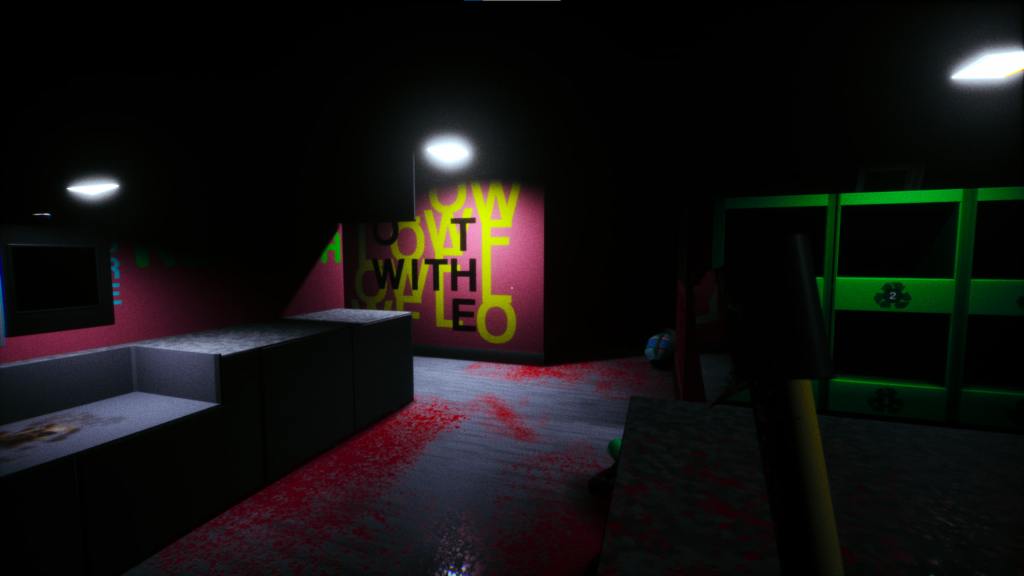
Unfortunately, gameplay is where DRINK HUMAN BEANS began to lose me. Moment-to-moment interaction is built almost entirely around repetition, and while that repetition is clearly intentional, it quickly wears thin. The story unfolds slightly differently each time you move through a cycle, but the actions you perform rarely change. Most of my time was spent washing dishes, making coffee at a corporate coffee machine, solving physics-based puzzles, and running back and forth to retrieve packages from a delivery room located a frustrating distance away from everything else.
On occasion, the game breaks up this routine with a surreal side activity where you use a gun to shoot enemies while waiting for other story events to occur. Without giving anything away, it’s obvious fairly quickly that this mechanic exists more for dark humor and exploring the protagonist’s mental state than for actual gameplay depth. It is amusing the first time, but it never becomes particularly engaging beyond the narrative it’s intended to tell.
The horror itself leans more on atmosphere than on constant jump scares, although those do appear from time to time. The problem is that the slow movement speed, constant back-and-forth traversal, and reliance on mundane tasks end up creating boredom instead of tension. By the time subtle changes began to appear, I had already spent a significant amount of time simply wandering through dark spaces, waiting for something new to happen. It is a shame, because the story is genuinely interesting, but the walking simulator structure often feels like an obstacle standing between the player and the narrative payoff.
Oppressive Atmosphere and Corporate Satire Are Clear, Even When the Pacing Falters
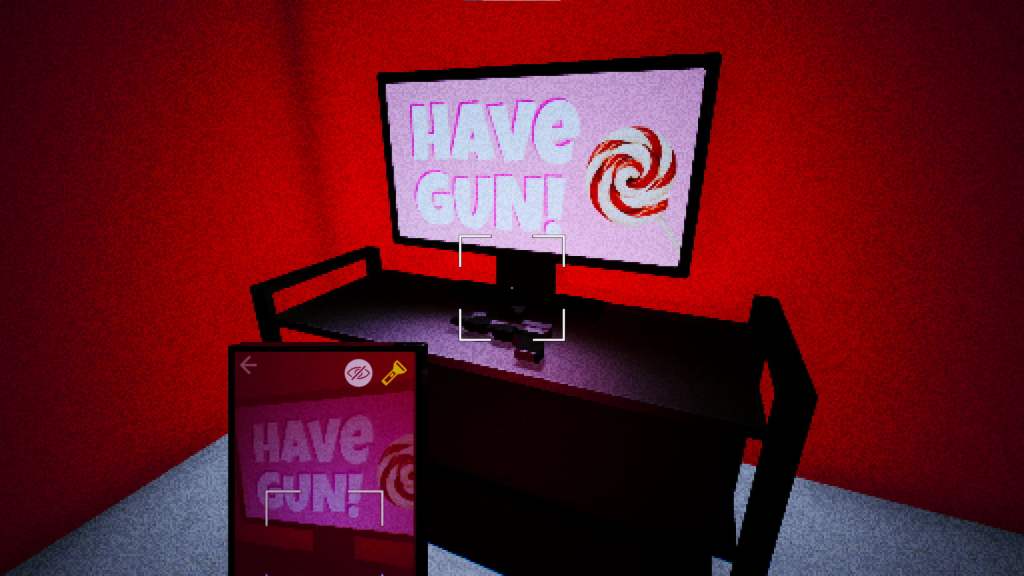
Despite my issues with the gameplay, I cannot deny that DRINK HUMAN BEANS commits fully to its themes. The oppressive atmosphere, repetitive routines, and lack of agency all tie directly into the game’s commentary on corporate life, job markets, and the loss of identity that can come with them. It is deeply psychological with much of its purpose, and the monotony attached is not accidental.
That said, there is a fine line between reinforcing a theme and testing a player’s patience. For me, DRINK HUMAN BEANS often crossed that line. The atmosphere is effective, but it demands a lot of tolerance, especially early on. Players who are willing to endure slow pacing and repetition in the service of a larger narrative will likely find plenty to appreciate here. Others may bounce off long before the game fully reveals its hand.
In the end, DRINK HUMAN BEANS is a fascinating but uneven horror experience. I was intrigued enough by its story and themes to push forward, even as the gameplay repeatedly frustrated me. It is a game with something to say, and it says it with confidence, but it also asks a lot from the player in return. In that sense, the game succeeds at making the player feel trapped within its systems, mirroring the mental erosion that comes from being stranded in a corporate society full of coffee-fueled absurdities, with nowhere to look but down.
What do you think? Leave a comment below and join the conversation now in the ComicBook Forum!
More Gaming
-

Courtesy of Toei Animation -

Courtesy of Insomniac Games