Avatar: Fire and Ash is the third chapter of James Cameron’s Avatar saga. Once upon a time, Avatar 3 was intended to be the middle of the series; however, these days, Cameron and co. seems to be talking as though it could be the end of these movies. Time (and the box office) will tell if that’s the case, but one thing is for sure: the final battle of Avatar: Fire and Ash definitely feels like a final battle.
Videos by ComicBook.com
Below you’ll find a breakdown of Avatar: Fire and Ash‘s final battle, an explanation of the ending, and what the implications are for the future of the series.
Avatar: Fire and Ash‘s Final Battle Is A Pandora: Endgame Moment (SPOILERS)
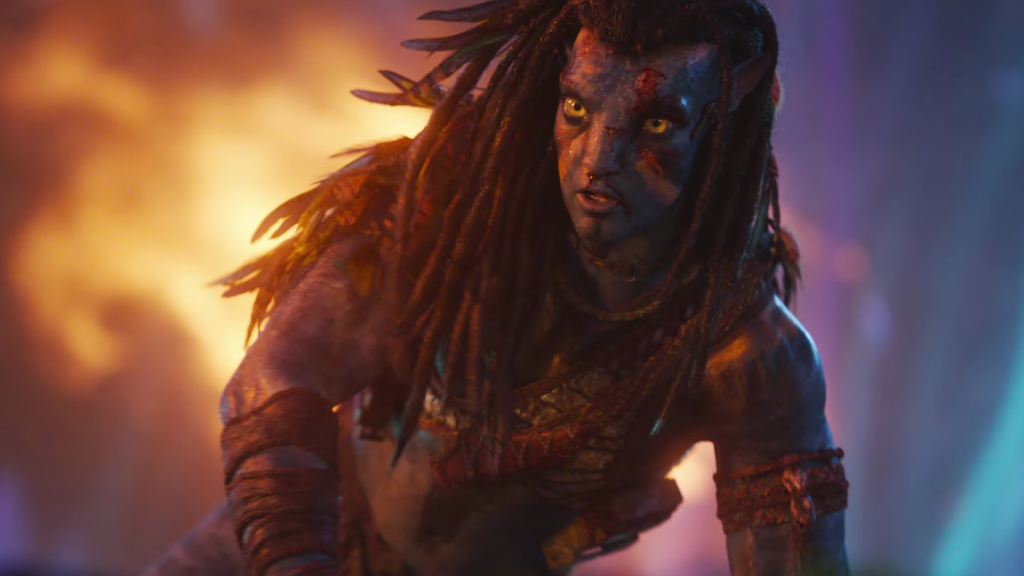
By the third act of Fire and Ash, things have gotten pretty drastic. Col Miles Quaritch (Stephen Lang) uses his new Na’vi body to broker an alliance with the fire-worshipping Mangkwan clan and start a bad romance with their priestess Varang (Oona Chaplin). Varang is amazed by the destructive power of the RDA’s weaponry and agrees to serve as Quartich’s personal battalion in the final battle. That battle doesn’t just bring Quaritch, the Mangkwan, and the Sully Family to blows – it gets all of Pandora in on the fight!
Jake Sully finally overcomes his bloodlust fears and re-bonds with the Toruk to become “Toruk Makto.” The Metkayina and Omatikaya tribes both unite behind Jake, while his son, Lo’ak (Britain Delton), is instrumental in getting the Tulkun whales to abandon their non-violent principles and fight for the planet. Those combined forces on land, sea, and air are enough to take out the initial wave of RDA forces, and their whale-hunting ally, Captain Mick Scoresby (Brendan Cowell). However, when Quaritch flies in with his Mangkwan cavalry, the tide quickly turns, and Jake’s forces start taking heavy losses – including Metkayina leader Ronal (Kate Winslet), who dies giving birth mid-battle.
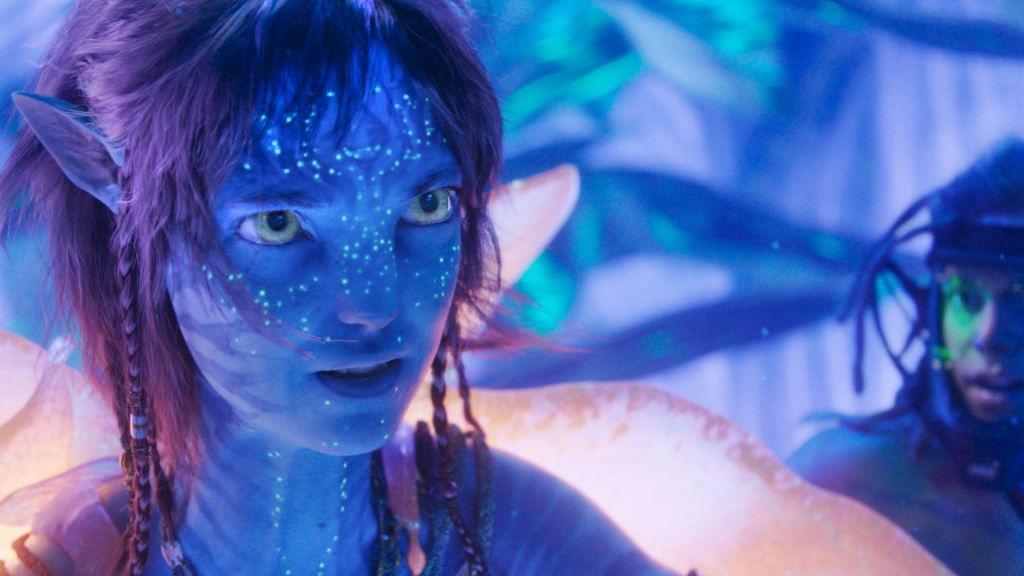
Sensing the death and loss all around her, Jake and Neytiri’s adopted daughter Kiri (Sigourney Weaver) chooses to sacrifice herself, jumping into the water to achieve her strongest bond with Eywa, the spirit of Pandora. The spiritual force is too great for Kiri, and she cannot make it up a metaphysical path to get to Eywa, until her siblings help her finish the task. When Kiri taps into Eywa fully, she can commune with every single living thing on the planet and asks the many animals and creatures of Pandora to come to the planet’s defense, jumping out of the sea, descending from the skies, or charging on land, in a rallying moment right out of Avengers: Endgame.
More than that, Kiri intervenes in the brutal fight between Neytiri and Varang, using her new hyper-connectivity to overwhelm Varang’s mind-bending tsaheylu, frightening off the nihilistic fire priestess with proof of Eywa’s will. Quaritch and Jake take their grudge to the limit, fighting over a battleground that is being splintered and sucked into a magnetic flux. Spider nearly dies trying to break up his two dads, forcing Jake to save Quaritch, while Quaritch saves Spider. Jake and Quaritch silently concede that they’ve grown too (awkwardly) close to still be consumed by hate, and Quaritch flees, leaving Spider to be with the Sully Family.
Avatar 3’s Ending Is Problematic & Leaves Much Unfinished
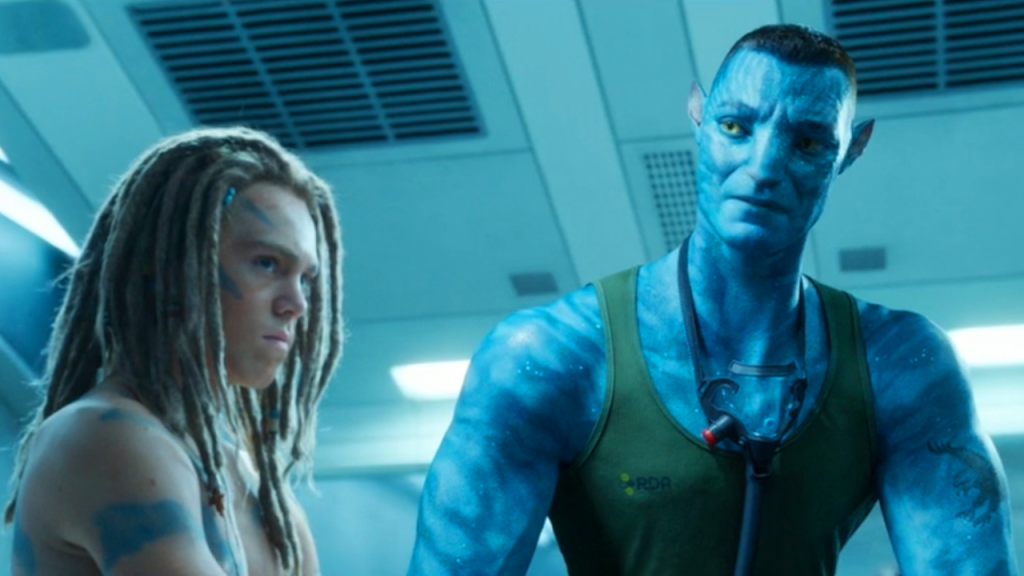
A major subplot of Avatar: Fire and Ash has to do with Spider. Initially, Spider has to be sent away from the Sullys and the Metkayina tribes because his air masks have run out. However, during a near-death moment battling the Mangkwan, Kiri reaches out and compels Eywa to bless Spider with a body that can survive on Pandora. The planet infects Spider with an organism that rewrites his entire psiology, growing new neural and breathing systems that can process Pandora’s atmosphere. Eventually, Spider even grows his own tsaheylu, and can link with other living things like the Na’vi do. The film ends with Spider being granted access to the spirit trees, where he connects with the spirits of the dead Na’vi, including his “brother” Neteyam and Kiri’s “mother” Grace Augustine.
This ending is somewhat problematic, if we’re all being honest. Spider’s conversion into “one of the people” carries obvious cultural connotations that are going to be contentious, if not divisive. It’s also problematic in the larger context of the Avatar saga; Jake Sully or Grace Augustine’s transformation from human to Na’vi was a literal skin-changing process; Spider being “Na’vi” as a human is arguably the start of total ethnic replacement – and the film acknowledges it.
It’s noted by Jake’s old research team and RDA scientists that the process can be reverse-engineered; i.e., any human could potentially be genetically converted to survive on Pandora, without gear. That’s a massive dangling thread: Quaritch and the RDA are still on the planet, and the latter now has all the reason (and means) to push forward with colonizing Pandora.
James Cameron has now set the stakes on another level, narratively and thematically – and he’s very much obligated to reconcile it.
Avatar: Fire and Ash is now playing in theaters and IMAX. ‘
Most Viewed
-

Netflix / Sony Pictures Animation -

Image courtesy of Valve and Mechanistry -
Image Courtesy of WIT Studio