You know that movie you watch over and over again and still can’t fully understand? Even when you really try, you can piece together some parts of the puzzle, but it still doesn’t quite make complete sense. Few films have divided audiences like this one, mostly because of its confusing plot. Many people finish it scratching their heads, while others have called it pretentious, cold, and too confusing to even be considered fun, which is why, years later, it’s still being debated in online forums. The truth, though, is that it’s a blockbuster that is completely underrated. Maybe you won’t agree, and that’s fine, but the fact is a lot of people watched it once, got lost, and immediately hated it for being “too hard to follow.” But this isn’t the kind of movie you just watch once.
Videos by ComicBook.com
Tenet is meant to be watched, thought about, revisited, and rewatched a few times, because the main idea isn’t to entertain – it’s to make cinema. And yes, cinema doesn’t always have to be simple, bite-sized entertainment.
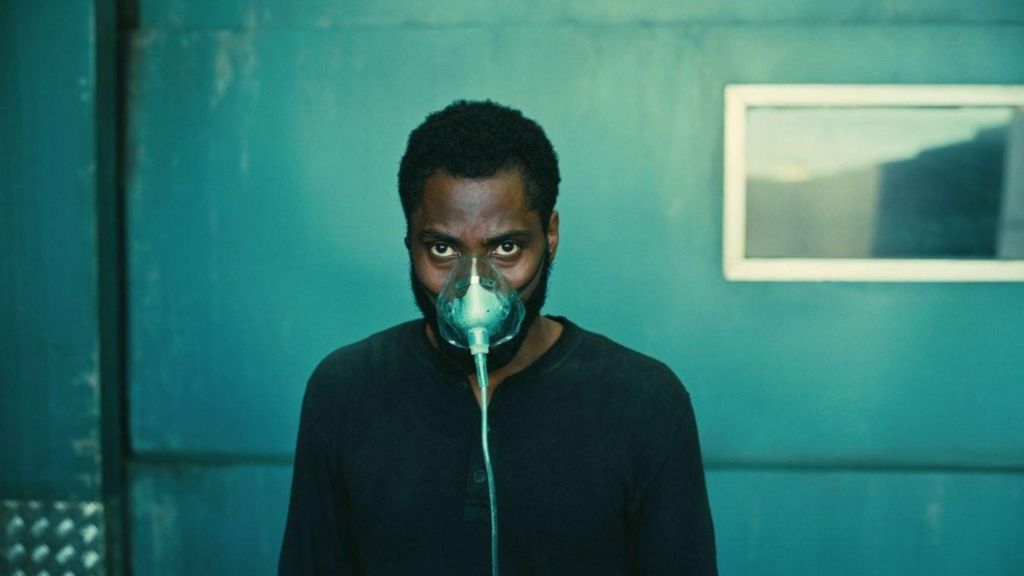
This is a Christopher Nolan sci-fi thriller that follows a secret agent known only as The Protagonist (John David Washington), who’s recruited by a mysterious organization to prevent a global war. So far, so good. But what he faces isn’t exactly a threat from the future — it is the future, moving backward through time. Using a technology that reverses entropy, people and objects literally move from end to beginning. The Protagonist must stop Andrei Sator (Kenneth Branagh), a Russian oligarch who threatens to end the world if he dies, while teaming up with Neil (Robert Pattinson), a partner who knows a lot more than he lets on. The result is a time-bending puzzle where nothing happens in the order you expect — and that’s exactly where the confusion begins.

Everyone knows Nolan loves to make films that mess with your head and are full of wild plot twists and timelines that demand multiple viewings. But with Tenet, he clearly wanted to push things even further, and the movie ended up carrying unfair expectations. After Inception and Interstellar, audiences were expecting another big, emotional Nolan movie with accessible metaphors. Instead, he delivered the opposite: a cold, relentless spy thriller that barely gives you time to breathe, let alone explain itself. But Tenet was never meant to be easy. Nolan wants you to be confused because that’s exactly how The Protagonist feels. That confusion is the experience. And that experience, according to Nolan, is what cinema is supposed to be.
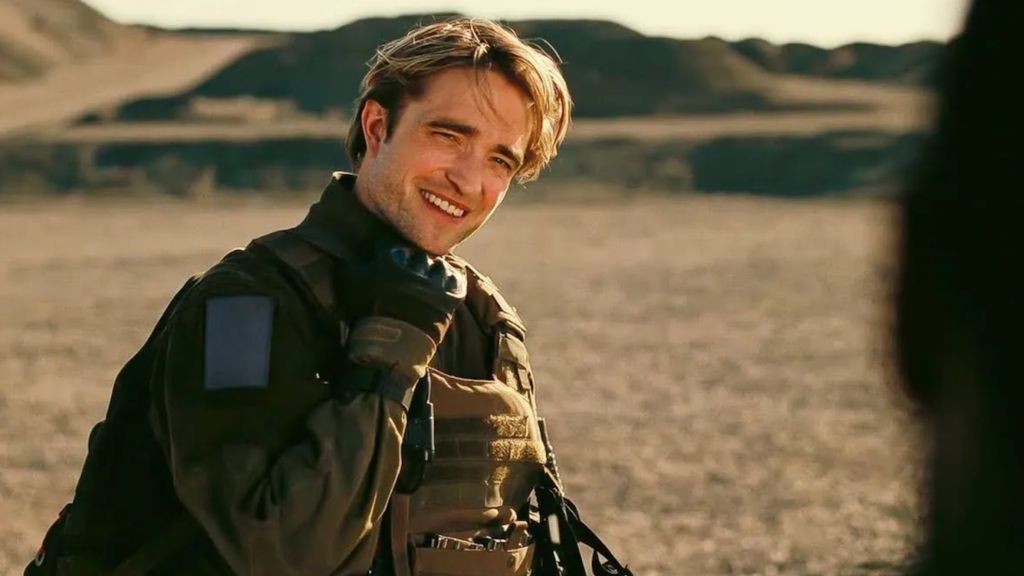
Most of Tenet‘s backlash came (and still comes) from those unmet expectations. Viewers who wanted everything clearly explained left thinking the film had failed or that Nolan was just being “too clever for his own good.” But the truth is that the movie only really works from the second try on. Once you already know what you’re watching, it’s easier to focus on the details and see how all the pieces fit together. Those scenes that felt random suddenly make perfect sense, and that’s when you realize how precise and genius the film actually is.
Eventually, the story starts to rearrange itself, and you begin to see how tightly woven it all is — how every event was designed to make sense only in reverse. It’s the kind of film that literally improves with time. That’s why it’s so underrated: not because it fails to be clear, but because it refuses to be simple.
Tenet Is an Experience You Just Need to Feel
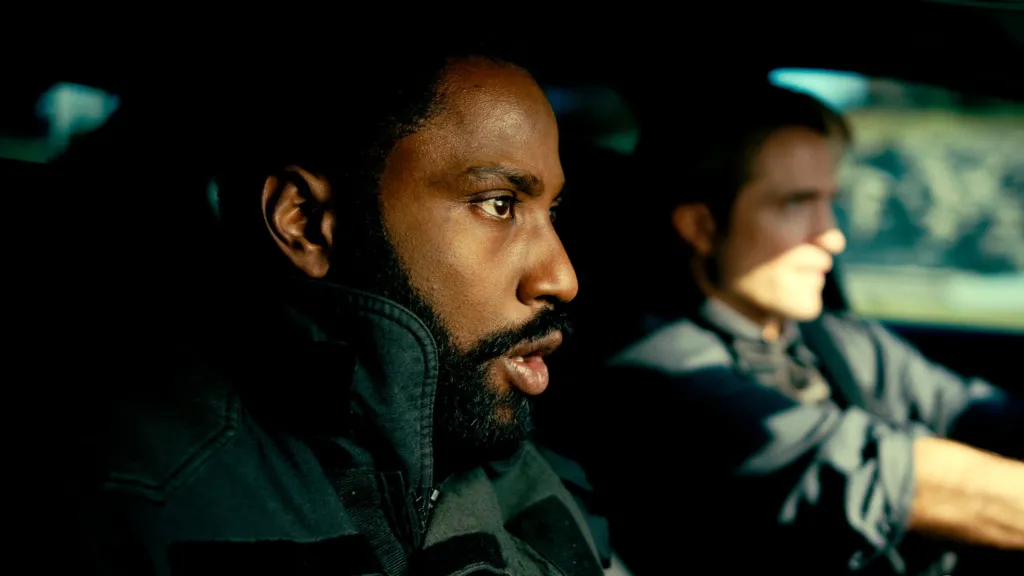
Nolan has always been obsessed with control, and here he takes that to an insane level — no question. Tenet might not make sense at first, but if you give it a chance, you’ll realize everything has an answer. The point isn’t to understand everything completely; it’s to feel what it’s like not to understand, and still move forward anyway. That might sound simple, but it’s exactly what makes the film unlike any other blockbuster. Plenty of sci-fi movies are confusing, but this one really wants to be — and not just in its concept of entropy, but in massive sequences like the opera attack, the interrogation, and the Stalsk-12 battle. Maybe it’s just easier to call it a mess than to admit you didn’t fully get it.
The characters are part of the mechanism as well. The Protagonist is almost symbolic — a man acting without knowing what he’s really fighting. Sator is definitely over the top, but he’s the kind of villain Nolan loves: someone who’d rather destroy everything than lose control. Kat Barton (Elizabeth Debicki) is the human anchor, the emotional balance when the movie risks becoming pure concept. And Neil is the hidden heart of the story: funny, mysterious, and quietly tragic in ways that only make sense once the movie ends (or begins, depending on how you look at it).
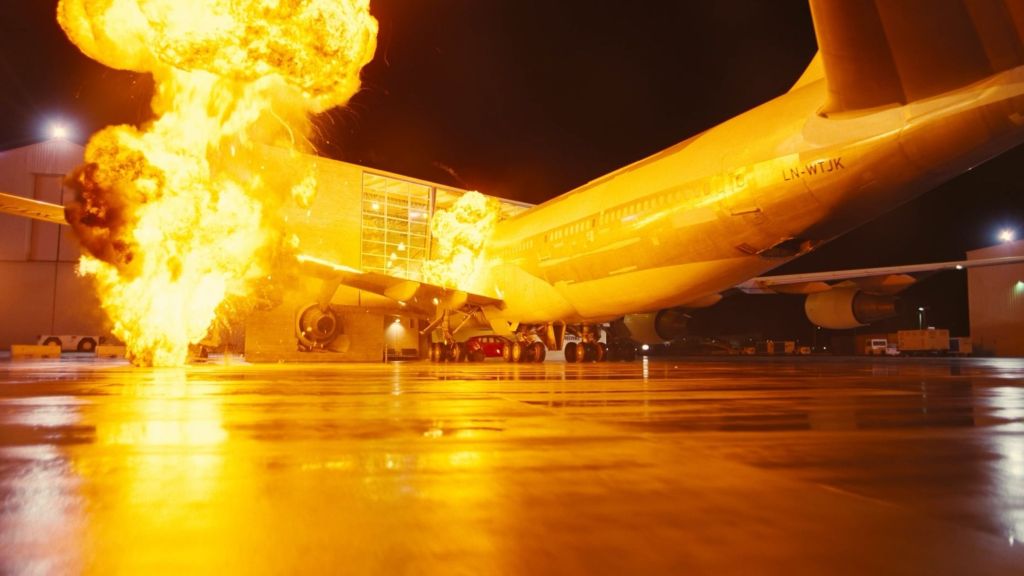
The sound mix is way too loud, the dialogue is sometimes impossible to hear, and yes, the film can feel emotionally distant. But none of that takes away what Tenet does best: being an enigma. It demands as much effort from the audience as it does from its main character — and that’s why it deserves more credit. Nolan is basically trying to show what happens when you try to control something uncontrollable. If Inception was about bending dreams and Interstellar about transcending time through love, Tenet is about facing time without emotion as a guide. Watching it once is a shock. The second time feels like a revelation. The third time, it’s pure frustration — because you think you’ve got it, but you still need to check. And by the fourth time, maybe (just maybe) you finally get everything somehow, or at least enough to realize that getting it from start to finish was never really the point.
Tenet might not have been the hit everyone expected, but it’s easily one of the smartest blockbusters of the decade. It’s a movie that trusts its audience, even when the audience doesn’t trust it back. Yes, it’s confusing, over-the-top, and hard to follow. But it’s also bold, technical, and completely one of a kind. If you hated it the first time, watch it again. The second viewing is where Tenet actually starts to happen.
Have you watched the movie? How many times? Did you like it, or do you still think it’s way too confusing? Let us know in the comments!
More Movies
-
IMAGE COURTESY OF SUNBOW -

Image Courtesy of Overture Films and Relativity Media -

Image Courtesy of Universal