Live-action remakes of animated films have become one of Hollywood’s most aggressively pursued revenue strategies, driven by the understanding that intellectual property with multigenerational recognition can serve as a commercial safety net. Disney chased this strategy harder than any other studio, converting the bulk of its animated catalogue into large-scale theatrical productions over the past 15 years, with Moana scheduled for July 2026 and Tangled already cast and in active development. That volume generated extraordinary returns across the 2010s, with Beauty and the Beast, Aladdin, and The Lion King all crossing $1 billion individually. The grosses, though, consistently obscured a creative problem that critics identified across nearly every entry in the franchise.
Videos by ComicBook.com
The Lion King is the most instructive example of that problem. Its photorealistic animation was widely condemned for producing animals physiologically incapable of the expressive range the story required. Its 2024 sequel, Mufasa, confirmed the franchise’s diminishing cultural pull by grossing $723 million against a $200 million budget, a result that would have been celebrated in almost any other context but read as a significant retreat from the original’s $1.66 billion peak. The broader strategy showed the same inconsistency in 2025, when Snow White lost an estimated $100 million at the box office while Lilo & Stitch crossed $1 billion in the same release calendar. Those divergent results reflect a format that never developed a reliable creative approach to match its commercial ambitions. Still, a handful of live-action remakes truly shine.
5) Beauty and the Beast
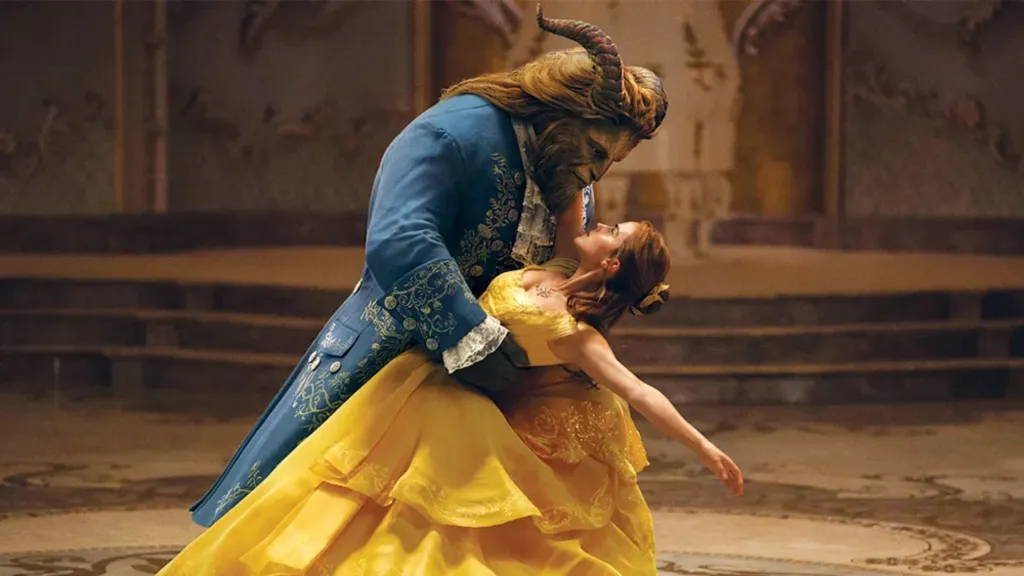
Bill Condon’s Beauty and the Beast arrived in 2017 as the most financially successful entry in Disney’s remake program outside of The Lion King, grossing $1.27 billion worldwide on a $255 million production budget. The film earns its place on this list because Condon built the production around the musical architecture of the 1991 original, retaining the Howard Ashman and Alan Menken songbook while expanding backstory elements that the animated film left underdeveloped, including the history of the enchanted castle and the Beast’s transformation from a spoiled prince. In addition, Emma Watson (Belle) and Dan Stevens (Beast) anchor a cast that includes Ewan McGregor, Ian McKellen, and Emma Thompson, all of whom commit to the material’s romantic sincerity without irony.
Beauty and the Beast‘s fidelity to its source is also its primary limitation, reproducing key sequences beat-for-beat in ways that prompted critics to question its reason for existing. That criticism is fair. Still, what keeps Beauty and the Beast on this list is the consistency of its craftsmanship and the evidence that the story’s emotional core survived the translation intact, which cannot be said of most live-action remakes.
4) How to Train Your Dragon
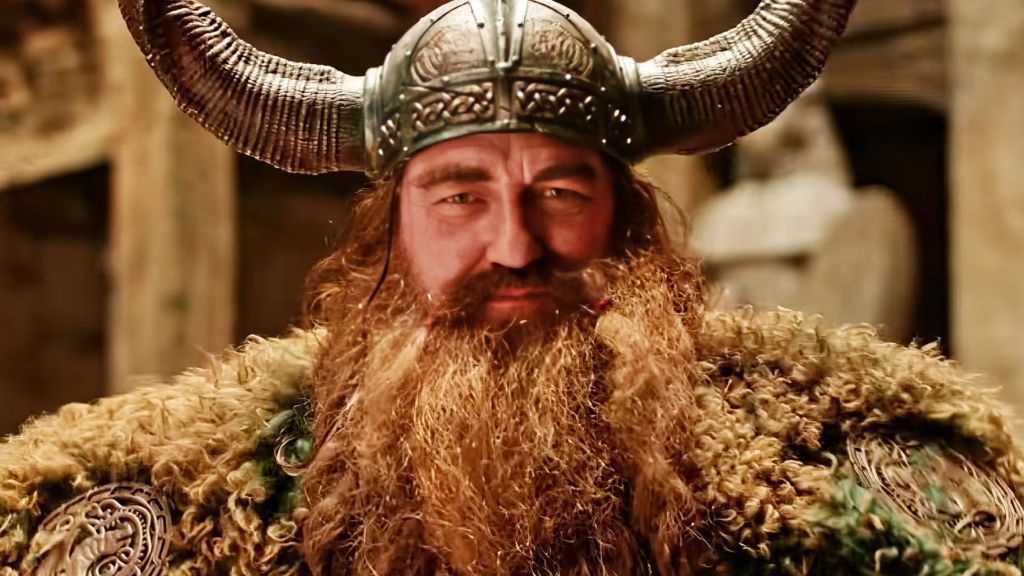
Dean DeBlois directed the original 2010 animated How to Train Your Dragon and both of its sequels, and his decision to helm the 2025 live-action version was not a studio imposition but a deliberate creative choice. That context matters because it reframes what the film is attempting. DeBlois understood that the story’s central relationship, a lonely boy earning the trust of a wounded predator, gains something specific in a photorealistic world, where the physical texture and weight of the environment make that bond feel grounded rather than fantastical. So, while the animated format communicates that relationship through expressive design, the live-action remake does it through presence, and DeBlois built the entire production around that distinction.
In How to Train Your Dragon, Mason Thames (Hiccup) and Nico Parker (Astrid) also lead a cast in which Gerard Butler reprised his role as Stoick, a casting decision that preserved a through-line most remakes sacrifice entirely in favor of a clean slate. As a result, CinemaScore audiences awarded the film an A grade, and critics broadly credited DeBlois with producing a remake that’s as good as the original movie. Most live-action remakes exist because a studio identified a commercial opportunity, but this one was developed because its filmmaker had a specific answer to why the story was worth telling again.
3) Cinderella
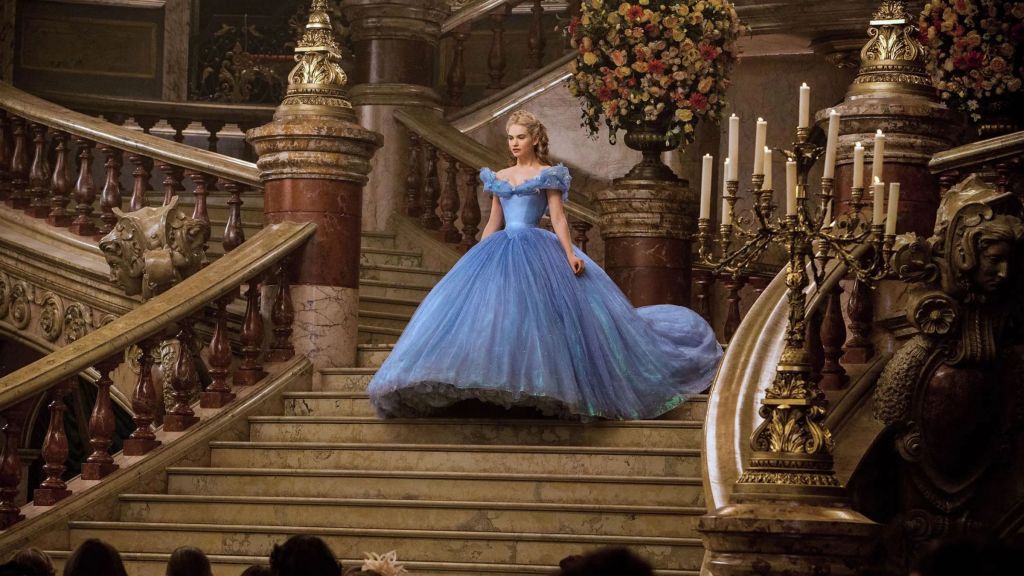
Kenneth Branagh’s Cinderella arrived before Disney’s remake program had calcified into a formula, and that timing gave the filmmaker room to make a film driven by a genuine directorial perspective rather than brand management. Working from a Chris Weitz screenplay, Branagh committed fully to the fairy tale’s romantic sincerity at a moment when revisionist readings of princess stories were dominant across the industry. That creative choice led to a film with an 84% approval rating on Rotten Tomatoes and a visual identity grounded in practical production design rather than CGI spectacle, earning Sandy Powell’s costume work an Academy Award nomination.
In the movie, Lily James and Richard Madden play their roles with a directness that the material demands, and their dynamic works because Branagh gave both characters an interiority the 1950 original never bothered to develop. The animated Cinderella is a passive protagonist surrounded by supporting players who carry the film’s energy. Branagh’s version redistributes that weight, making the central relationship the actual engine of the story, which is the correction the source material needed and the reason this remake holds up where so many others do not.
2) Pete’s Dragon
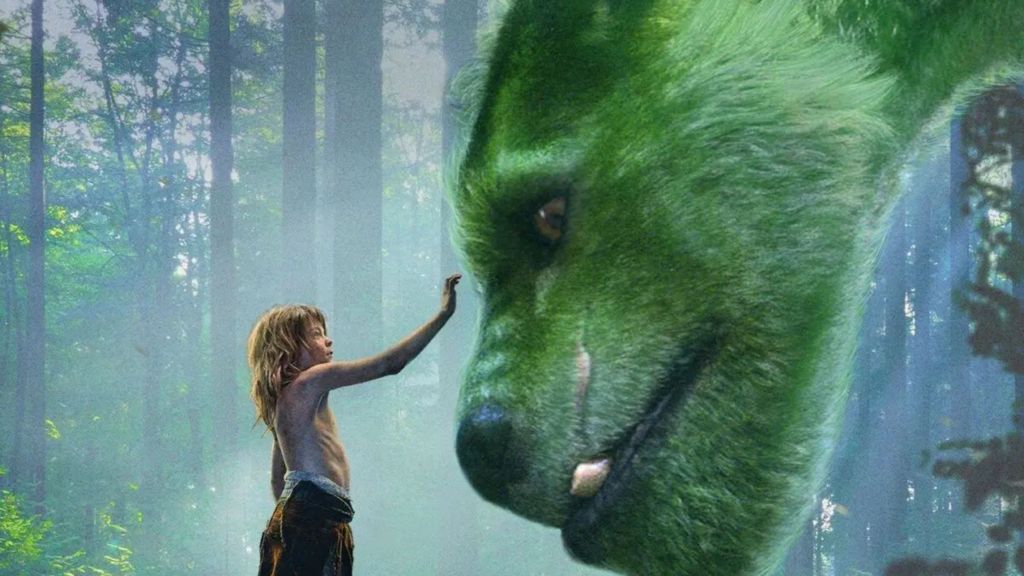
David Lowery’s Pete’s Dragon was built on source material that most contemporary audiences had largely forgotten, a 1977 semi-musical obscure enough to free the director from the nostalgia management that constrained nearly every other entry in the franchise. He used that freedom to make a film structurally unlike anything else in the program, a quiet Pacific Northwest drama about a feral boy named Pete (Oakes Fegley) and a large green dragon named Elliot, built on the emotional register of a coming-of-age story rather than a family spectacle.
In Pete’s Dragon, Robert Redford, Bryce Dallas Howard, and Karl Urban anchor the human cast with a restraint that reflects Lowery’s priorities as a filmmaker. Furthermore, the visual construction of Elliot, covered in shaggy fur rather than scales and built to feel warm rather than fearsome, produced one of the best CGI creatures of the decade. Pete’s Dragon grossed $143.7 million worldwide, a modest result by Disney standards, but the critical consensus treated the film as a genuine improvement on its source, which makes it the rarest kind of remake: one that used the original as a starting point and traveled somewhere the 1977 film never had the ambition to reach. That happens because Lowery treated the source as a premise worth developing rather than a product worth protecting.
1) The Jungle Book
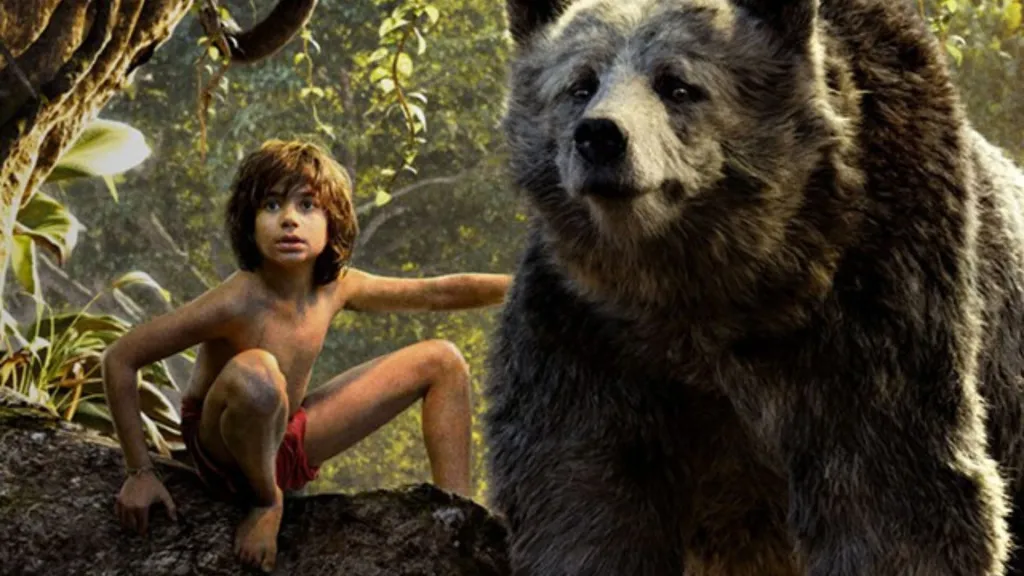
Jon Favreau’s The Jungle Book is the best example of a live-action remake surpassing its animated predecessor. For The Jungle Book, Favreau built the entire production around a single child, Neel Sethi, performing against green screens in a Los Angeles soundstage, then constructed a photorealistic Indian jungle entirely in post-production, a technical achievement that won the Academy Award for Best Visual Effects at the 89th ceremony. On top of that, the voice cast gave the characters a depth the 1967 version never pursued, with Bill Murray (Baloo), Ben Kingsley (Bagheera), Idris Elba (Shere Khan), Christopher Walken (King Louie), Scarlett Johansson (Kaa), and Lupita Nyong’o (Raksha) collectively building a film that drew far more heavily from Rudyard Kipling’s source novel than from the mid-century Disney cartoon.
The 1967 animated The Jungle Book is a cheerful musical with modest stakes and a protagonist who drifts through the narrative reacting to events rather than driving them. Favreau replaced that looseness with a tightly constructed survival story whose finale carried dramatic weight the original never attempted. The Jungle Book grossed $966 million worldwide, became the fifth-highest-grossing film of 2016, and has a confirmed sequel, although that project seems to be stuck in development hell.
Which is your favorite live-action remake of an animated movie? Leave a comment below and join the conversation now in the ComicBook Forum!
Most Viewed
-
Image courtesy of MAPPA -

Image courtesy of Daybreak Game Company