Musical cinema is something old, but it’s never died; it just had to reinvent itself recently so it wouldn’t feel stuck in the past. And some of these new-era films showed that you can mix story, music, and spectacle without it feeling outdated, and that modern audiences want more than flashy numbers and choreography: they want stories that make sense, characters who actually resonate, and songs that don’t just trigger emotions — they matter and have substance. For a long time, the genre struggled to get the same spotlight as more conventional movies because it didn’t quite know how to connect with everyone. That’s why these recent musicals managed to stand out. They got that it’s not enough to lean on nostalgia and spectacle; you need a real connection and intensity with the audience.
Videos by ComicBook.com
Here are 7 of the best musical films of the 21st century that, so far, are the only ones that really manage to be fun, ambitious, and genuinely honest, breaking away from old formulas to move and engage pretty much anyone who watches.
7) Wicked
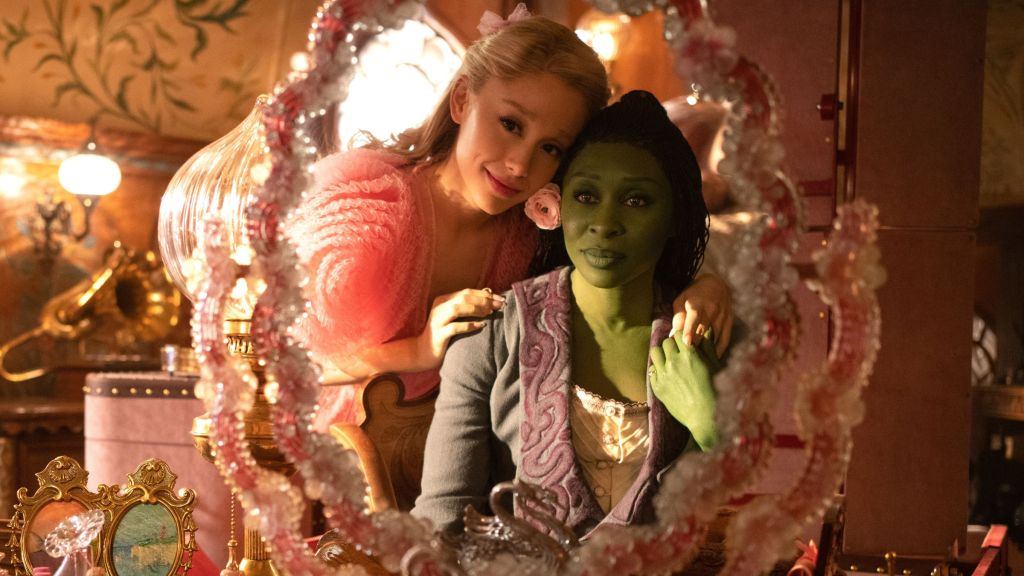
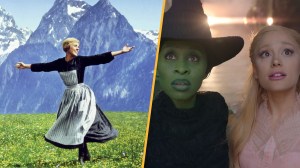
After Wicked (and Wicked: For Good), it’s almost hard to believe this was once considered a musical that couldn’t be adapted for the big screen. But when it finally happened, it was massive, both emotionally and visually. It hit theaters, understanding the basics: it needed to feel like a real movie, not just the Broadway show filmed with a bigger budget. The story follows Elphaba (Cynthia Erivo) and Glinda (Ariana Grande) before The Wizard of Oz, showing how two young women with completely opposite visions end up tied together by a deep but complicated friendship. And the film is so good because it doesn’t try to soften conflicts or lean too hard on nostalgia; it treats the politics of Oz, the rivalry, and Elphaba’s personal frustration seriously. That creates instant empathy.
But the real reason Wicked became such a phenomenon (and even sparked chatter about how audiences should watch musicals in theaters) is that it proved there’s still a market for this kind of production, as long as it treats viewers like adults. The songs aren’t just there to tick boxes; they serve a meaningful purpose, and the performances fully carry the emotional weight, delivering it in a way that genuinely hits. And interestingly, even without Wicked: For Good, the first film stands on its own (which is no small feat).
6) Chicago
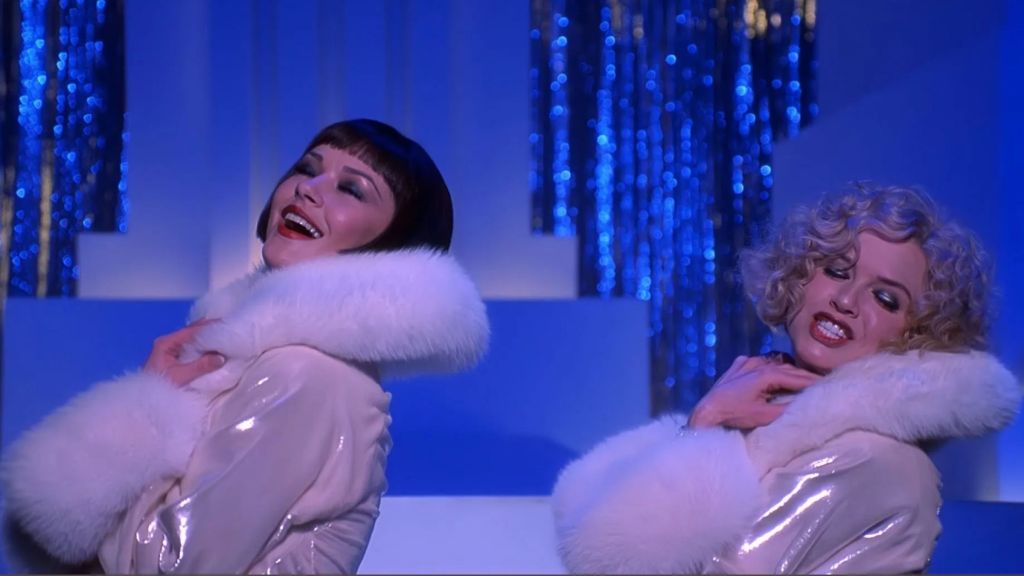
When it comes to musicals, Chicago is one of the 21st century’s classics, and it’s no wonder that even people who aren’t usually fans of the genre know it. The movie didn’t just bring the mix of cinema and music back to the forefront of Hollywood, but it also solved a big problem the genre often faces: why are these people singing? After all, how many times have audiences debated whether it felt too real or too fantastical? The answer here is simple and smart. The story follows Roxie Hart (Renée Zellweger) and Velma Kelly (Catherine Zeta-Jones), two killers turning their crimes into media spectacles, and the musical numbers play out as over-the-top fantasies — literally shows happening in the characters’ heads. It makes the film flow without breaking narrative logic, and in the early 2000s, this was actually pretty groundbreaking.
On top of that, Chicago knows exactly how cynical it is and uses that to its advantage. The movie pokes fun at celebrity culture, tabloid journalism, and justice-as-entertainment, all paired with sharply designed choreography and performances that never try to look “realistic” (which only reinforces the story’s concept). It’s no coincidence it won Best Picture at the Oscars — it proved that musicals can be modern, creative, surprising, biting, and highly accessible all at once.
5) Frozen
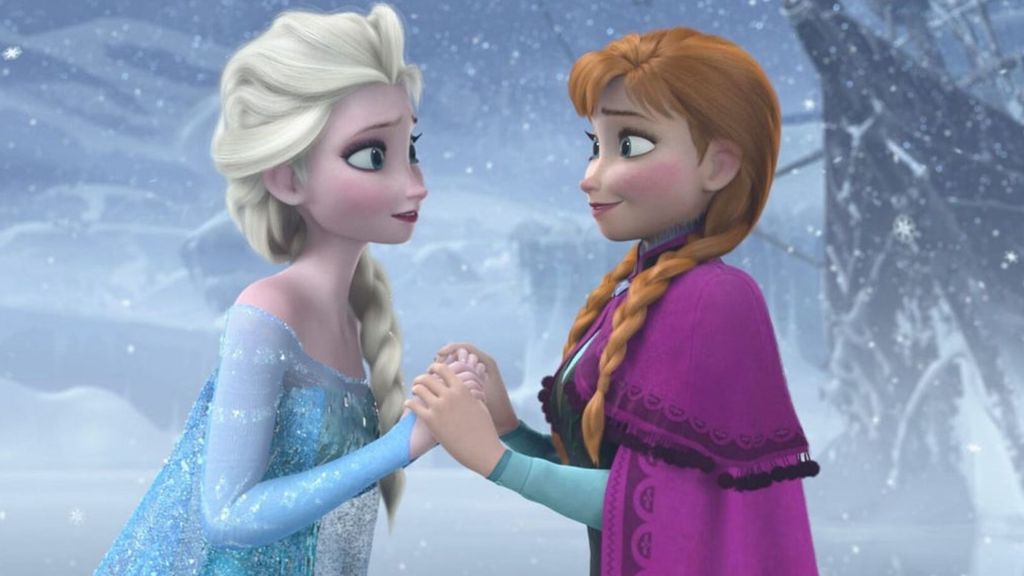
Frozen even became a bit of a joke since it was talked about nonstop for so long. At first, it seemed like just another Disney animated musical, but when it arrived, it came in full force. Since then, a sequel has tried to satisfy fans’ appetite (and two more are already in development). Plus, the film breaks the basic rules of Disney fairy tales, swaps traditional romance for family bonds, and delivers one of the biggest musical phenomena of the century. It was surprising in so many ways, and it’s no wonder it caused such a stir. The story follows sisters Elsa and Anna, separated by a power Elsa has suppressed since childhood, while their kingdom suffers the consequences.
And what sets Frozen apart from other animated musicals is that its songs actually drive the story and the characters — they aren’t just there to decorate the plot. The legendary “Let It Go” isn’t just a hit; it’s a clear turning point for Elsa. Very few Disney animations manage to connect with audiences this directly, especially on topics like acceptance, identity, self-control, and guilt. That’s why its cultural impact makes so much sense. Everything is straightforward, no frills, avoiding the clichéd “classic Disney magic” people had come to expect. Sure, it may have been overexposed, but it’s undeniably one of the best musicals of recent years.
4) Tick, Tick… Boom!

Not everyone knows Tick, Tick… Boom! since it’s a movie adaptation of a relatively obscure musical. But if you think about how timeless it is because it deals with creative anxiety, it already puts it in a different league from most musicals. The story is based on real events, following Jonathan Larson (Andrew Garfield) as he tries to write an important musical before turning 30, while watching his friends grow up and take more stable paths. This isn’t about immersion or big sets, because the story is far more interested in pressure, frustration, ambition, and that constant feeling of falling behind while everyone around you seems to move forward. It’s easy to relate to.
But contrary to what some might expect, the film never romanticizes this struggle. The tone isn’t heavy — in fact, it balances comedy, lightness, and genuinely emotional moments perfectly. Before you know it, you’re taken on a full-on journey just by watching. Garfield’s intense performance, which earned him an Oscar nomination and a Golden Globe win, is worth highlighting, along with Lin-Manuel Miranda’s direction, who is a genius of the musical genre and understands that the focus has to be on internal conflict to connect with the audience. Tick, Tick… Boom! is a musical everyone needs to see. It resonates because it’s small, specific, and honest.
3) West Side Story
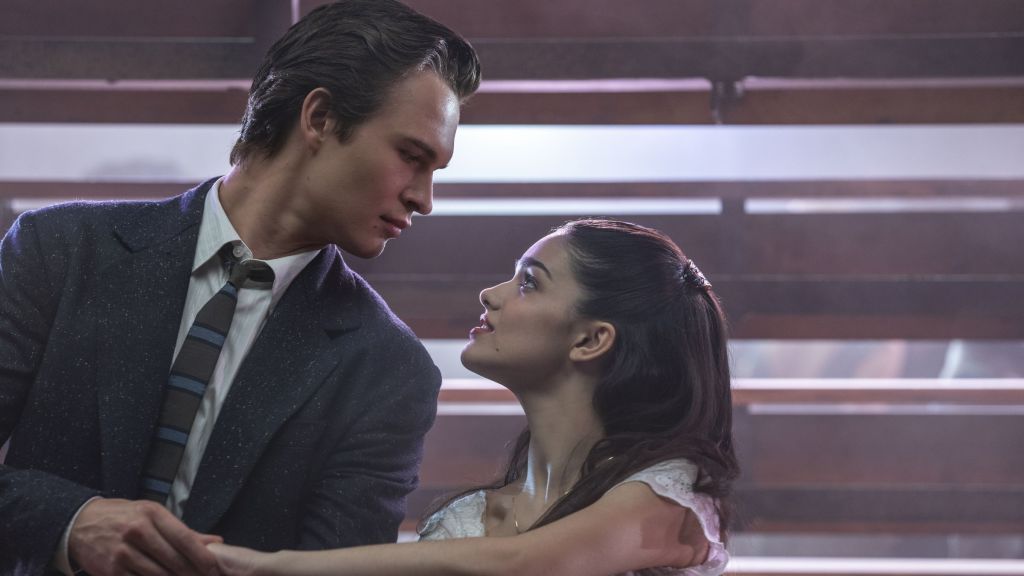
West Side Story is one of the most iconic musicals, a modern retelling of Romeo and Juliet that started in the ’50s and carried on for decades, including a 1961 film adaptation. So remaking it in a modern era seemed unnecessary, until Steven Spielberg showed there was something new to add. The story remains the same, following young Tony (Ansel Elgort) and Maria (Rachel Zegler) as they try to survive a forbidden love in the middle of a rivalry between the Jets and Sharks — but now with much more attention to social context and racial tensions that were always there, even if the original version avoided facing them head-on. That’s what makes this version special: it’s not just a musical, it’s a message delivered through one.
And yes, the movie respects the classic material, but it’s far from treating it as untouchable or demanding reverence. The choreography remains stunning, the songs still hit, and the tweaks here and there make sense within what the movie is trying to say. Unfortunately, West Side Story didn’t make a huge splash at the box office, but when it comes to the best musicals of the 21st century, that’s not the only metric that matters. It’s instantly a slightly underrated production that proves a remake only works when there’s a clear vision behind it — one that resonates with a whole new generation of viewers.
2) La La Land
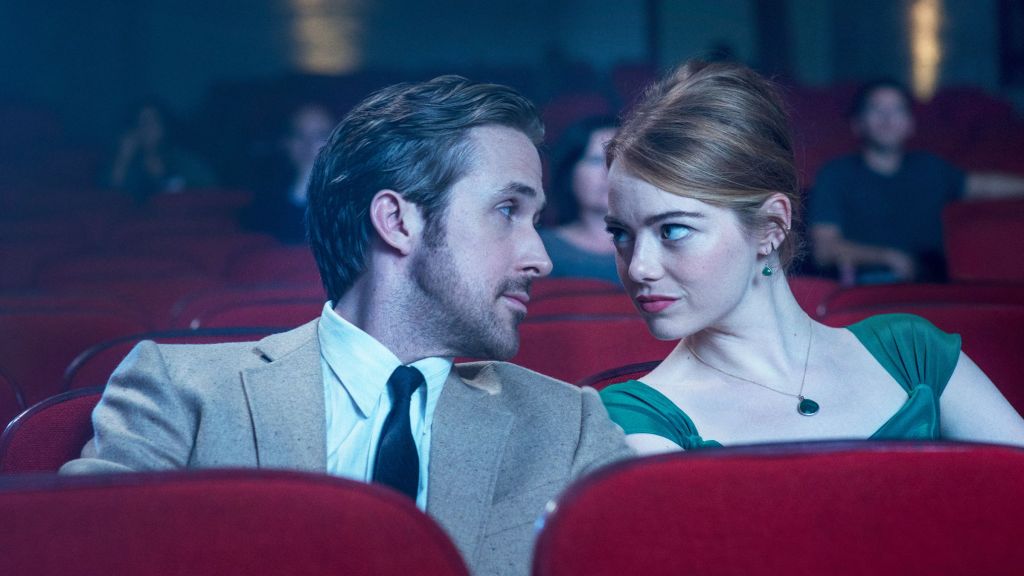
If you’re a real musical fan, it’s hard not to enjoy La La Land. It starts as a familiar romantic fantasy: Los Angeles as a playground for chasing dreams, and a super-talented couple trying to make it. We follow Mia (Emma Stone), an aspiring actress stuck in frustrating auditions, and Sebastian (Ryan Gosling), a musician obsessed with preserving jazz’s roots. They connect over their shared idealism. But from the start, the film makes it clear that, despite the plot, it’s not here to sell illusions. The music is exciting, sure, but it’s always tied to tough choices, dashed expectations, and emotional strain — it’s basically all a big, emotional vent. The reason this film shines is that it fully commits to this logic: pursuing your career often means drifting away from the idealized version of yourself.
La La Land is honest 100% of the time. It gets the appeal of classic musicals but isn’t afraid to question them; it celebrates the genre while also asking whether happy endings always exist in films like this. That’s why it works so well and feels potentially timeless. There’s a duality here that lets it connect with audiences in a really grounded, relatable way — because the characters’ experiences feel close to our own. It works for musical fans and for people who usually avoid the genre, delivering something that challenges expectations without ever losing the fun.
1) Moulin Rouge!
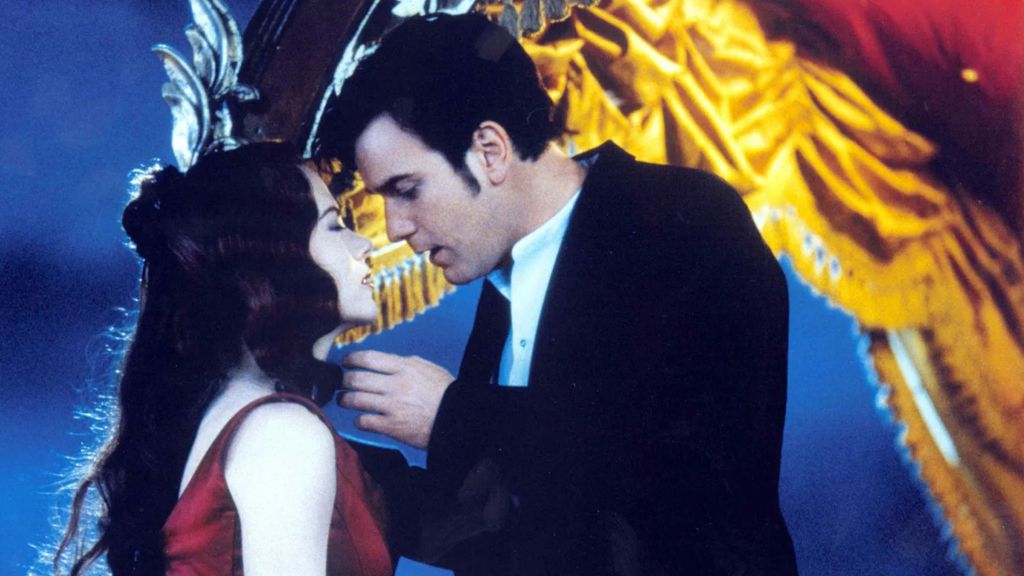
A landmark in musical cinema, Moulin Rouge! comes in swinging and makes it absolutely clear from the start that it’s not asking for anyone’s permission. This is a film so confident in itself that it feels like one of the most experienced players in a field full of contenders trying to stand out. This is musical filmmaking at its highest quality. The story follows Christian (Ewan McGregor) and Satine (Nicole Kidman), a writer and a cabaret star, living a doomed romance from the start in a world where art and money are constantly at odds. And to tell this narrative, the production dares to be loud, over-the-top, and emotionally intense — all deliberately, without holding back. Unsurprisingly, it made a huge impact on audiences, who still consider it one of the genre’s most important gems.
Like Chicago, Moulin Rouge! arrived in the early 21st century, a moment ripe for breaking away from the usual. The story works because it stretches in multiple directions, from aesthetics to the historical layers of its setting, mixing pop, chaos, and performance without ever feeling messy. This is an intensely crafted piece of art with a purpose: to dig deep into a love story and convey what each character truly feels internally. It also showcases Baz Luhrmann’s unique style before he went on to The Great Gatsby and Elvis. And it’s fair to say the film paved the way for practically every musical that followed. Even today, it still feels bolder than a lot of what’s been released recently (and that’s a very good thing).
What do you think of these musicals? Leave a comment below and join the conversation now in the ComicBook Forum!
Most Viewed
-

Image courtesy of Universal Pictures. -

Image Courtesy of ABC