The premiere of a revolutionary film often triggers an immediate pursuit of commercial expansion, as studios attempt to capitalize on established intellectual property through a series of sequels and spinoffs. While this strategy frequently yields short-term financial gains, the novelty of the original premise usually dissipates long before the brand can establish a permanent foothold in the cultural consciousness. Consequently, the vast majority of franchises that begin in theaters fail to sustain their momentum for more than a few years, eventually succumbing to narrative exhaustion or the loss of creative direction. Therefore, when a movie spawns a franchise that remains healthy and productive for over forty years, it signifies a monumental achievement in both creative storytelling and corporate foresight.
Videos by ComicBook.com
The survival of a film franchise through multiple decades of technological advancement and shifting cinematic trends demonstrates a rare level of cultural permanence that few modern stories ever achieve. Whether through critically acclaimed revivals or expansive television narratives, these properties have proven their ability to capture the imagination of new generations without alienating their original fanbases.
7) Evil Dead
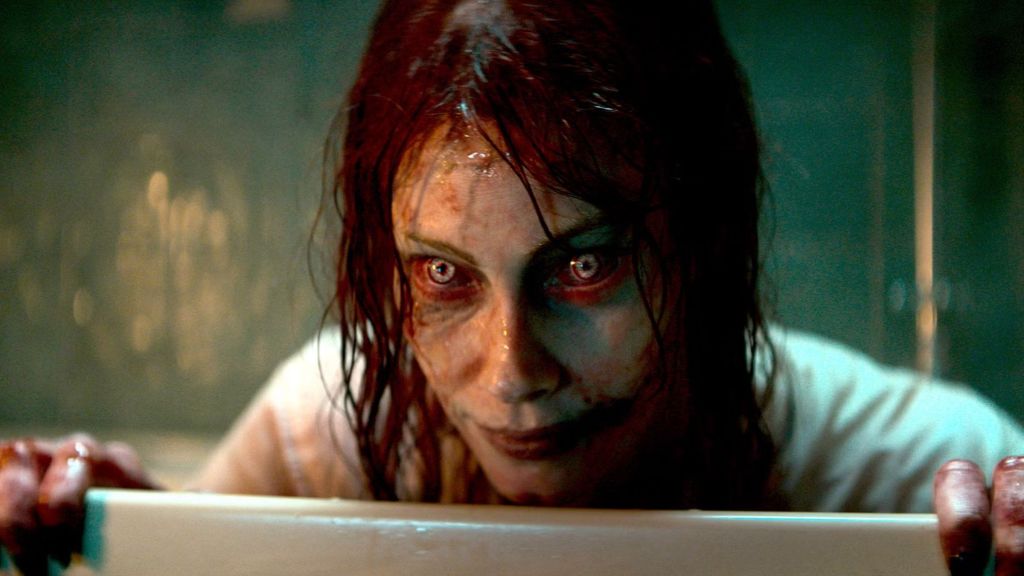
The Evil Dead franchise began in 1981 with Sam Raimi’s low-budget supernatural horror film, which established a unique blend of visceral gore and campy sensibilities and centered on the survival of Ash Williams (Bruce Campbell). While the original trilogy concluded in the early 1990s, the property maintained its relevance through the television expansion Ash vs Evil Dead and a successful 2013 cinematic reboot. Recent years have seen a massive resurgence in the brand’s commercial viability, particularly with the 2023 release of Evil Dead Rise, which successfully transitioned the narrative to an urban setting while earning over $147 million at the global box office. This financial success has accelerated production schedules for future installments, with Evil Dead Burn slated for a theatrical release in July 2026 under the direction of Sébastien Vaniček. Additionally, the studio has already commenced production on Evil Dead Wrath, an anthology-style sequel directed by Francis Galluppi that is intended to hit theaters in 2027.

6) Alien
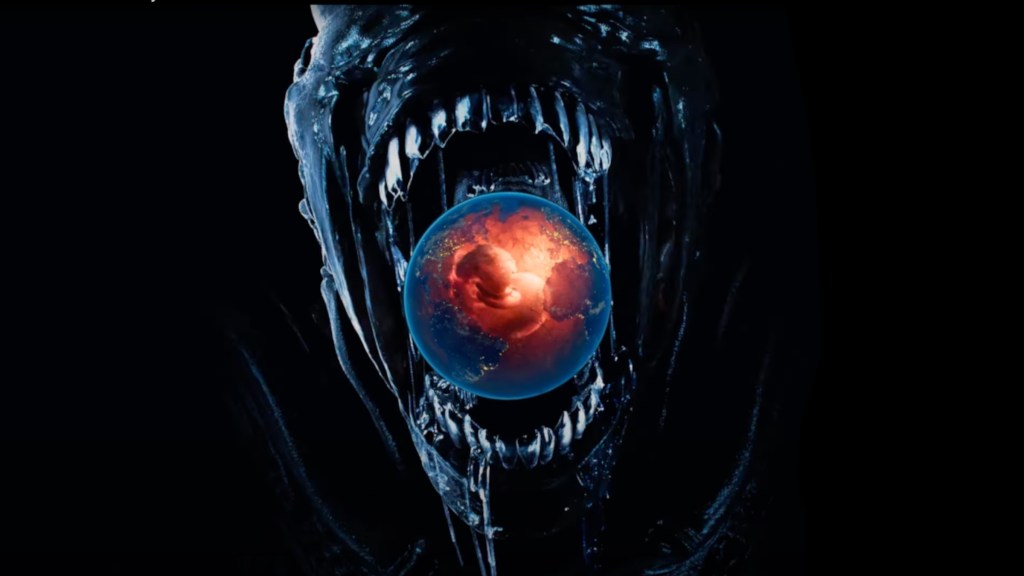
Launching in 1979 under the direction of Ridley Scott, the Alien franchise blended science fiction and horror by introducing the industrial grit of the Nostromo and the indomitable Ellen Ripley (Sigourney Weaver). Since then, the series has survived various tonal shifts, including James Cameron’s action-oriented 1986 sequel and Scott’s philosophical prequels in the 2010s. The franchise entered a new era of critical and commercial prosperity with the 2024 release of Alien: Romulus, which grossed over $350 million and revitalized interest in the Xenomorph. This momentum continued with the 2025 premiere of Alien: Earth, an eight-episode television series created by Noah Hawley that explores the creature’s arrival on Earth two years before the events of the original film. Looking toward the future, Fede Álvarez and Rodo Sayagues have officially completed the script for a direct sequel to Alien: Romulus, which is expected to see the return of Rain Carradine (Cailee Spaeny) and Andy (David Jonsson). Alien: Earth is also returning for Season 2, with Hawley previously teasing a five-season outline.
5) Star Wars

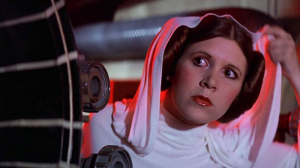
Since George Lucas introduced the Skywalker Saga in 1977, Star Wars has functioned as a central cultural institution, evolving from a single blockbuster into a vast interconnected universe of films, animation, and live-action television. While the primary theatrical narrative concluded with the sequel trilogy, the franchise utilized the launch of Disney+ to explore deeper lore through series like The Mandalorian, which introduced Din Djarin (Pedro Pascal) and stabilized the brand’s popularity during a transition away from cinemas. The next phase of the franchise involves a deliberate return to the big screen, spearheaded by The Mandalorian & Grogu, which is scheduled for a wide release on May 22, 2026. This film serves as the anchor for a new slate of theatrical projects, including a New Jedi Order film and a Ryan Gosling-led spinoff titled Starfighter. These developments indicate that Lucasfilm is pivoting back to large-scale cinematic events to complement its robust streaming output.
4) Rocky

The Rocky franchise began in 1976 as a gritty character study written by and starring Sylvester Stallone as Rocky Balboa. In recent years, the property avoided stagnation by successfully transitioning the narrative focus to Adonis Creed (Michael B. Jordan), the son of Rocky’s former rival, through the Creed spinoff series. This shift allowed the brand to explore modern themes of legacy and identity while maintaining the foundational underdog spirit of the original entries. The 2023 release of Creed III solidified Michael B. Jordan’s position as both a lead actor and a capable director, earning critical praise and record-breaking box office returns for the series. The 50th anniversary of the brand in 2026 will see the release of I Play Rocky, a biographical drama directed by Peter Farrelly that stars Anthony Ippolito as a young Stallone during the tumultuous production of the original 1976 film. Beyond this biopic, Stallone is actively developing a Rocky prequel television series, which is intended to explore the teenage years of Rocky and Adriana (Talia Shire) against the backdrop of the 1960s. Also in development are Creed IV and a standalone spinoff focused on the Drago family, ensuring the longevity of the franchise.
3) Planet of the Apes

First appearing in 1968, the Planet of the Apes franchise has endured for over five decades by utilizing sophisticated social allegory and cutting-edge visual technology to examine the collapse of human civilization. The original five-film run established the property’s philosophical weight, but the 2011 reboot trilogy, anchored by the motion-capture performance of Andy Serkis as Caesar, elevated the brand to a new level of critical prestige. The series successfully maintained this momentum with the 2024 release of Kingdom of the Planet of the Apes, which jumped forward hundreds of years in the timeline to introduce a new protagonist named Noa (Owen Teague). The film’s commercial success confirmed that audiences are invested in the continued evolution of ape society even without the presence of Caesar. Consequently, 20th Century Studios has confirmed plans for a direct sequel to Kingdom, currently targeted for a 2027 release window.
2) James Bond
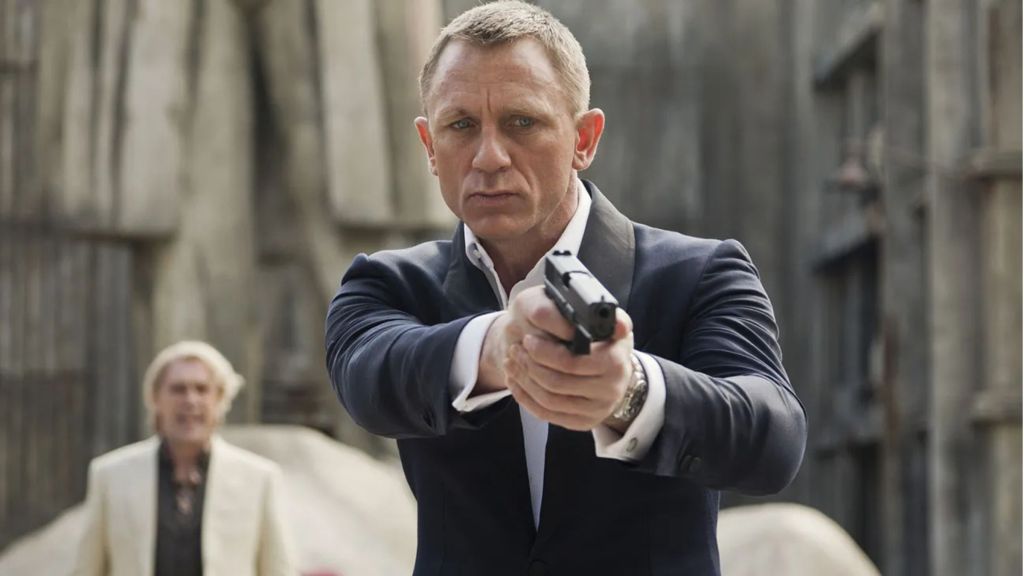
The James Bond franchise remains a shining example of cinematic longevity, having produced 25 official films since the 1962 debut of Dr. No. The series has survived by periodically replacing its lead actor and updating its geopolitical context, most recently concluding a fifteen-year arc for James Bond (Daniel Craig) in 2021’s No Time to Die. Following the acquisition of MGM by Amazon, the franchise is currently undergoing a massive structural reboot that will define the next decade of espionage storytelling. Amazon MGM has hired Steven Knight to write the screenplay for the 26th installment, with Denis Villeneuve tapped to direct the project. While the identity of the next actor to portray 007 remains unconfirmed, rumors surrounding Jacob Elordi and Callum Turner suggest a desire for a younger lead who can sustain the role over multiple sequels. The studio ideally wants the next Bond movie in theaters by 2028, positioning it as the centerpiece of a modernized franchise strategy that seeks to honor the legacy of EON Productions while adapting to current industry trends and expanding towards television.
1) Godzilla
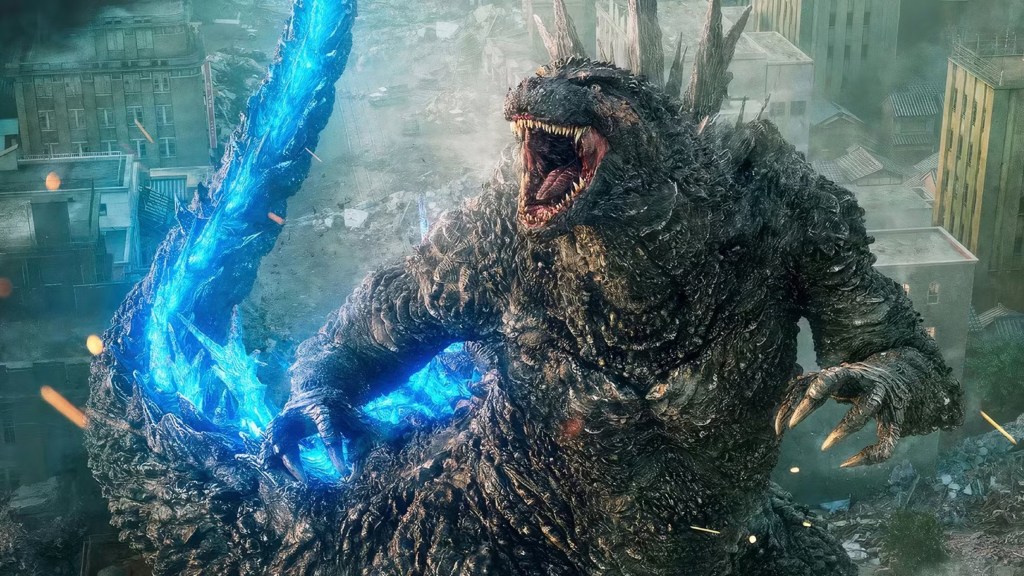
Godzilla holds the record for the longest-running continuous film franchise, debuting in 1954 and producing 38 films across multiple Japanese and American continuities. The character has transitioned from a metaphor for nuclear devastation into a global pop-culture icon, thriving through both Toho’s domestic productions and Legendary’s high-budget MonsterVerse. The franchise reached a historical peak in 2023 with Godzilla Minus One, which won an Academy Award and demonstrated that the character could still drive a sophisticated, human-centric narrative. This success has led to the development of Godzilla Minus Zero, a direct sequel written and directed by Takashi Yamazaki that is scheduled for a November 6, 2026 release. Simultaneously, the MonsterVerse continues to expand through the television series Monarch: Legacy of Monsters, which just returned for a second season. With Godzilla x Kong: Supernova slated for 2027, the franchise is currently operating at an unprecedented level of productivity, successfully managing two distinct versions of the King of the Monsters to satisfy diverse global audiences.
Which multi-decade movie franchise do you think has done the best job of evolving for modern audiences? Leave a comment below and join the conversation now in the ComicBook Forum!
Most Viewed
-

Official art by Bastien Lecouffe-Deharme -
Image courtesy of Tor Books/Macmillan -

A photo of the Retrovolt Arcade taken in 2017, showing several classic arcade cabinets and stools. -

Courtesy of Saber Interactive -

Courtesy of TOHO Animation